
 English
 Español
 Tiếng Việt

Truck Dock Leveler: A Complete Buying Guide with Load Ratings and Safety Tips A practical field gu...
Choosing Between Mechanical and Hydraulic Industrial Dock Levelers
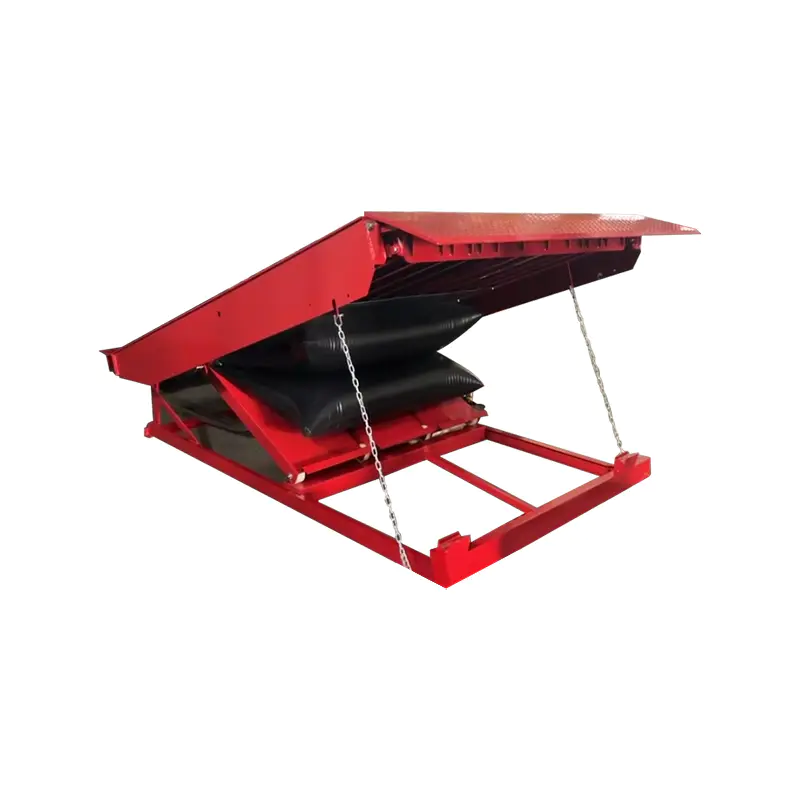
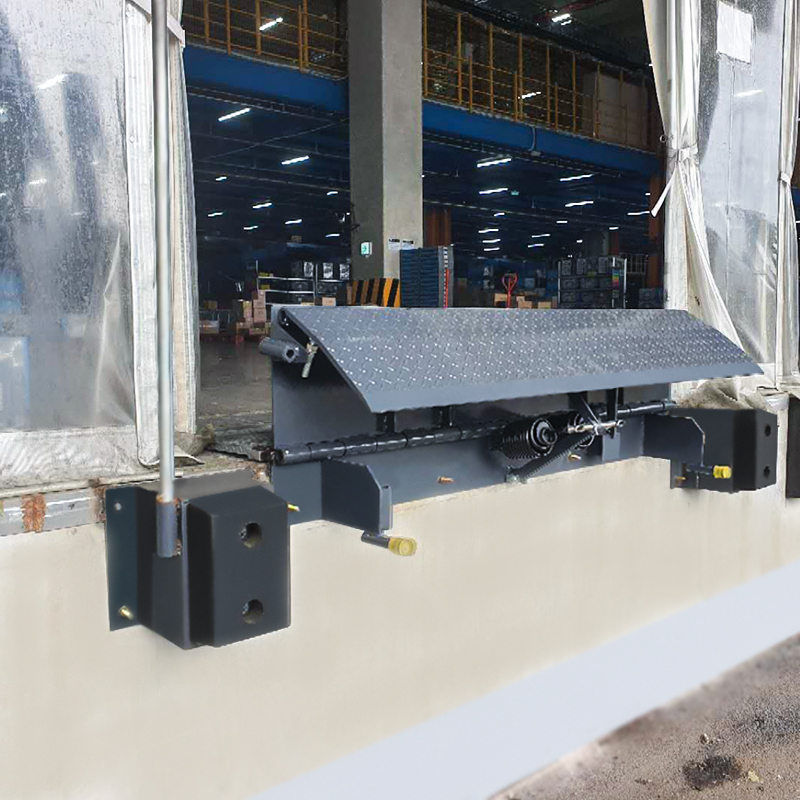
The primary differences between mechanical and hydraulic Industrial Dock Levelers lie in their operating mechanisms, load handling capacity, maintenance requirements, and cost. Mechanical dock levelers use spring-assisted systems, are simpler to maintain, and are typically more cost-effective for low to medium frequency operations. Hydraulic dock levelers rely on fluid-powered cylinders, offer smoother operation, higher weight capacities, and greater durability for high-volume and heavy-duty warehouses.
Operating Mechanism Comparison
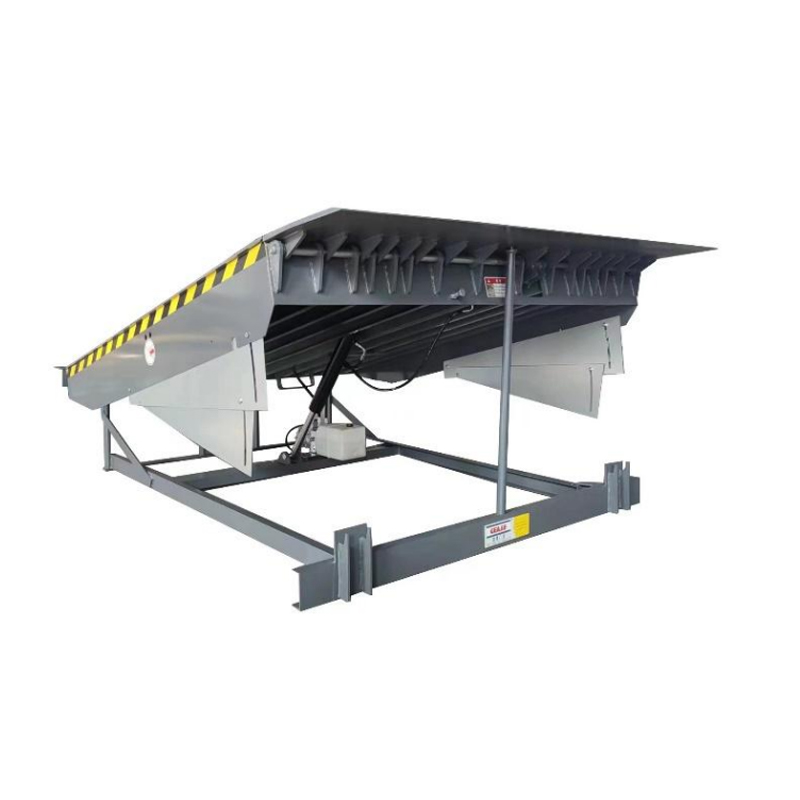
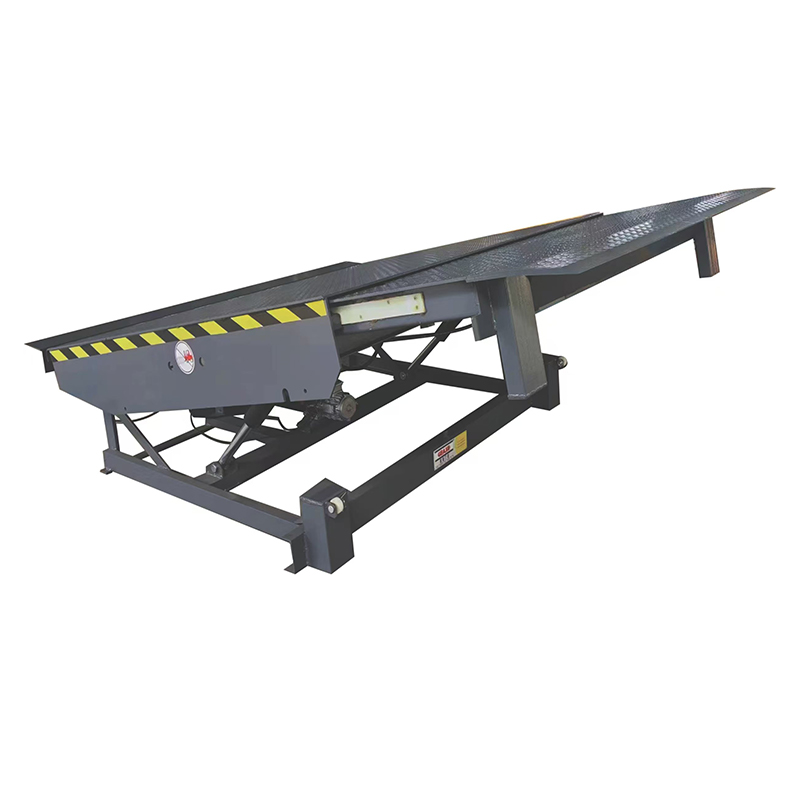
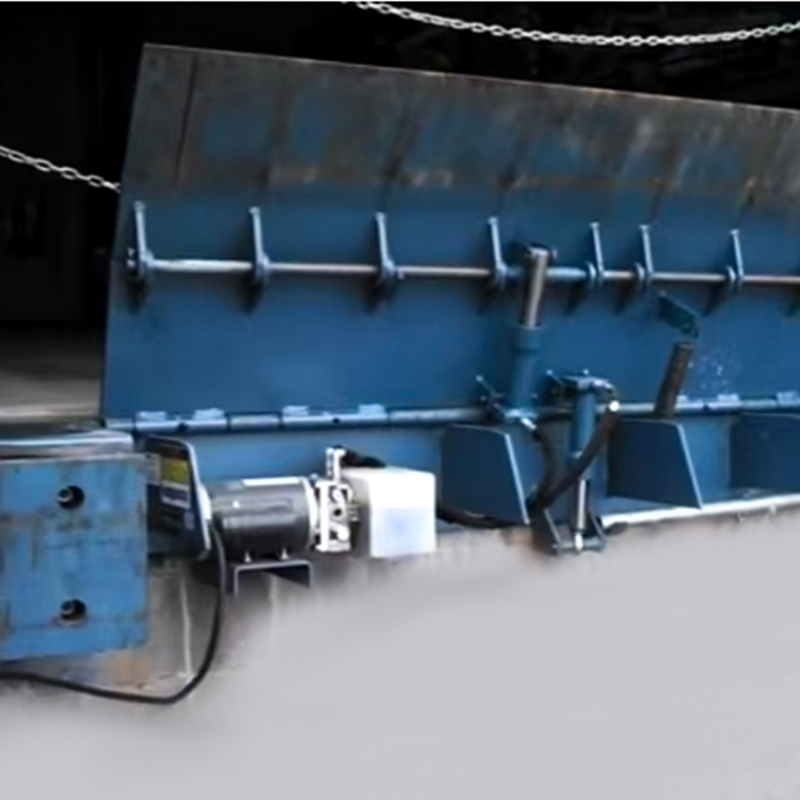
Mechanical Industrial Dock Levelers operate with a counterbalance system using springs and levers. Operators manually release the dock leveler, and the springs lift the platform to the truck bed height. Hydraulic Industrial Dock Levelers use pressurized hydraulic cylinders to raise and lower the platform, often controlled by push-button or remote controls.
Hydraulic systems provide smoother and more consistent movement, reducing strain on operators and improving safety, especially when handling heavy trucks. In contrast, mechanical systems may require more physical effort and can have uneven motion if springs weaken over time.
Load Capacity and Frequency of Use
Hydraulic dock levelers generally support higher load capacities, often ranging from 40,000 to 80,000 pounds, while mechanical dock levelers typically handle 25,000 to 50,000 pounds. This makes hydraulic units ideal for facilities with frequent heavy shipments.
Mechanical dock levelers are more suitable for warehouses with lighter loads and fewer daily cycles, providing reliable service at a lower upfront cost. The table below summarizes typical load capacity ranges and usage scenarios:
| Type | Load Capacity | Recommended Usage |
|---|---|---|
| Mechanical | 25,000–50,000 lbs | Low to medium frequency |
| Hydraulic | 40,000–80,000 lbs | High frequency, heavy loads |
Maintenance and Durability
Mechanical dock levelers require less specialized maintenance but may need frequent spring replacements and inspections for wear in pivot points. Hydraulic systems require periodic checks of fluid levels, seals, and cylinders, but are less prone to mechanical fatigue under heavy use.
In terms of durability, hydraulic dock levelers generally last longer in high-volume operations. Industry studies show that hydraulic units can sustain up to 5 million cycles before major overhaul, whereas mechanical units may require significant repairs after 2–3 million cycles depending on usage intensity.
Installation and Cost Considerations
Mechanical dock levelers are usually simpler and faster to install, requiring less electrical work and fewer system components. They are also generally less expensive upfront, making them suitable for smaller warehouses or facilities with budget constraints.
Hydraulic dock levelers require electrical connections for pump systems and may involve more complex installation procedures. However, the higher initial investment is often offset by reduced labor costs, improved efficiency, and lower long-term maintenance in high-use environments.
Safety Features and Operational Efficiency
Hydraulic dock levelers offer enhanced safety through controlled movement, integrated velocity fuses, and emergency stop features. Mechanical dock levelers may lack some automated safety functions but can be equipped with optional dock locks and anti-slip surfaces.
In terms of operational efficiency, hydraulic systems reduce loading time by providing consistent ramp positioning, minimizing accidents, and accommodating heavier or uneven trucks. Mechanical systems can be effective for predictable workloads but may slow down operations if multiple trucks are serviced daily.
Hydraulic Industrial Dock Levelers are the ideal choice for high-frequency, heavy-load warehouses that require smooth, safe, and efficient operation. Mechanical Industrial Dock Levelers remain a cost-effective solution for low to medium-frequency operations with lighter loads. Choosing the right type depends on your operational needs, load capacity requirements, safety standards, and budget constraints.
