
 English
 Español
 Tiếng Việt

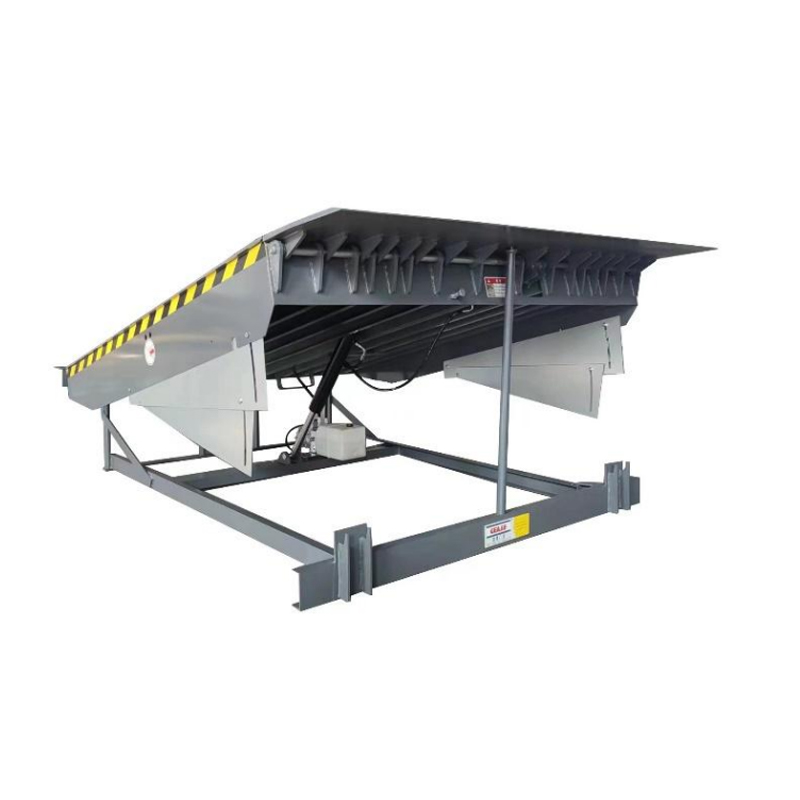
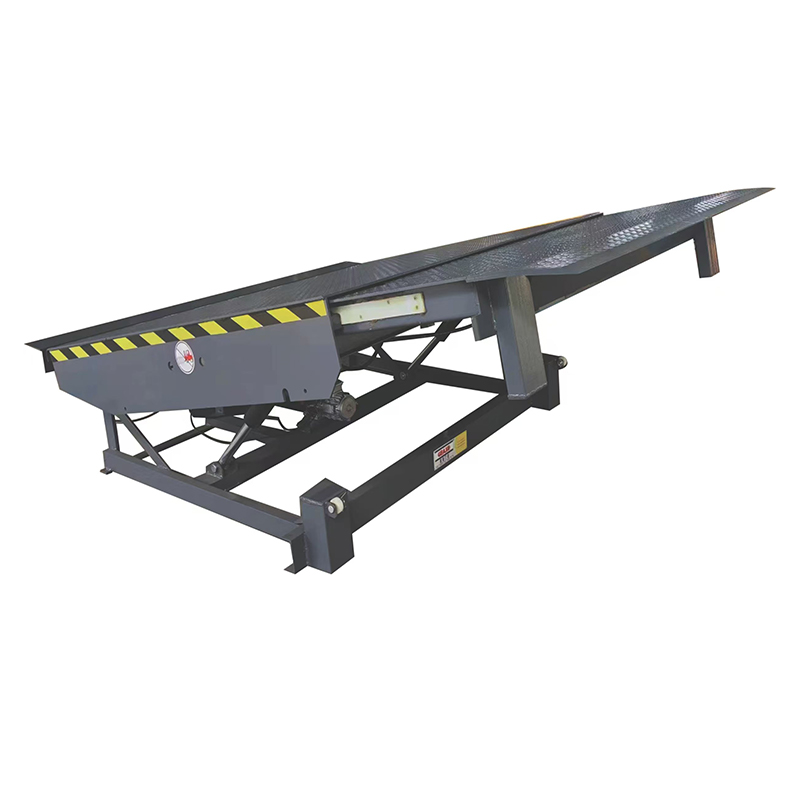
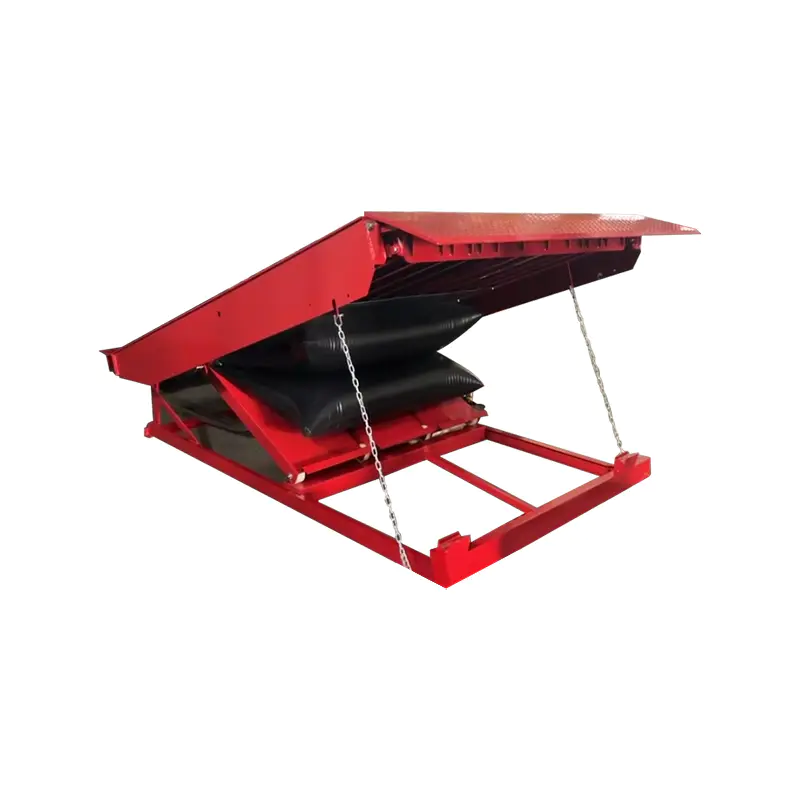
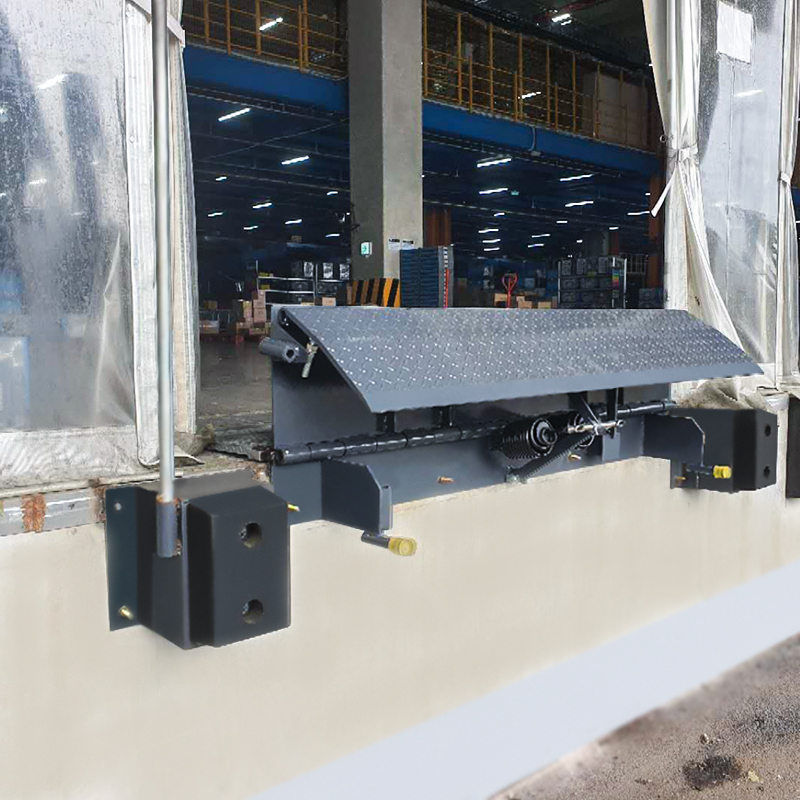
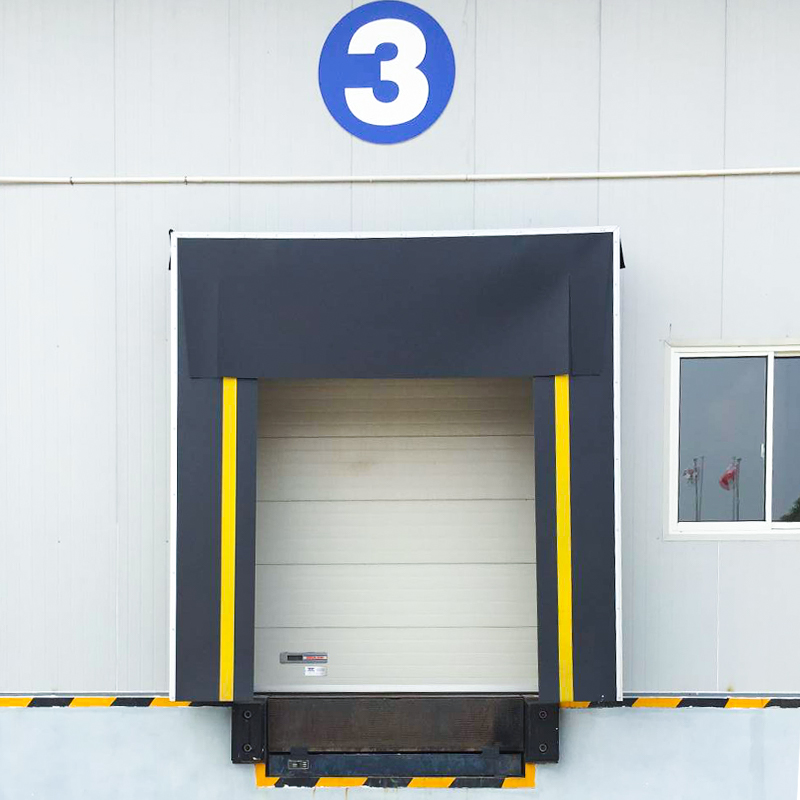
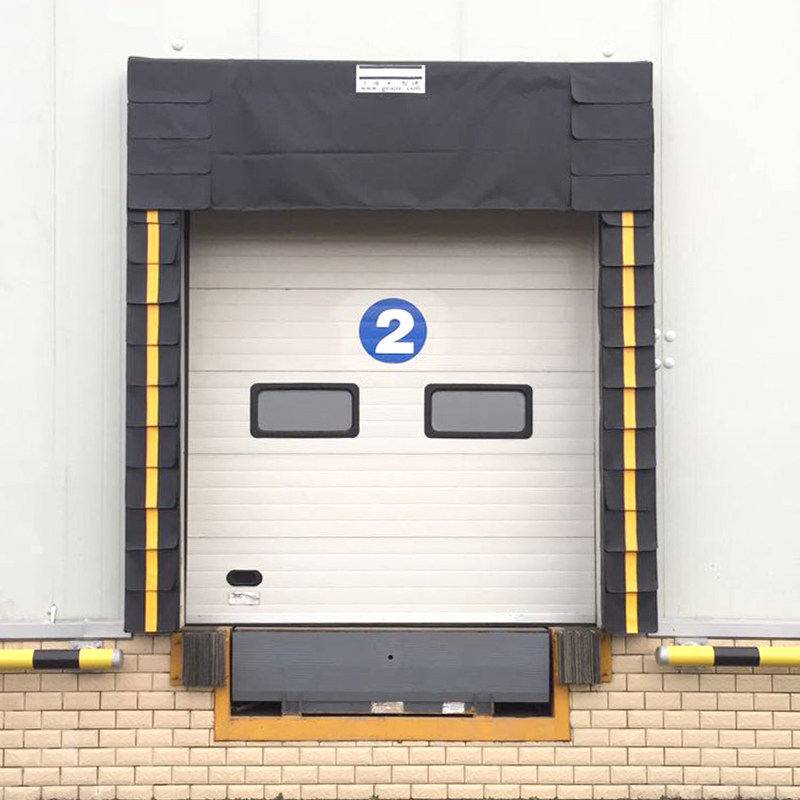
Truck Dock Leveler: A Complete Buying Guide with Load Ratings and Safety Tips A practical field gu...
The Vertical Dock Leveler generally provides superior thermal efficiency compared to pit-style mechanical or hydraulic levelers. The key reason is its above-floor, sealed storage position: when not in use, the leveler deck rises and seals against the dock face, dramatically reducing the air exchange between the interior of the facility and the outside environment. For temperature-controlled warehouses, cold storage distribution centers, and pharmaceutical facilities, this distinction is not cosmetic — it directly affects energy consumption, product integrity, and operational costs.
This article examines exactly how a Vertical Dock Leveler achieves better thermal performance, where the measurable differences lie, and what factors you should evaluate before selecting a leveler type for an energy-sensitive facility.
Why the Pit Is the Problem in Traditional Dock Levelers
Conventional pit-style levelers — whether mechanical, hydraulic, or air-powered — are installed in a recessed pit cut into the dock floor. When the dock door is closed and no trailer is present, the leveler sits inside that pit in a stored or "float" position. The pit itself, however, remains an open cavity beneath and around the leveler deck, creating multiple pathways for uncontrolled air infiltration.
In a refrigerated facility operating at 35°F (2°C) with an external ambient temperature of 90°F (32°C), each dock opening with a poorly sealed pit leveler can account for a heat gain equivalent to leaving a standard residential door open for several hours per day. Multiply that by 10, 20, or 50 dock doors, and the cumulative energy loss becomes a significant operational liability.
The three primary thermal weak points in a pit-style leveler installation are:
- The gap between the leveler deck and the pit frame perimeter
- The open space beneath the leveler deck when in stored position
- The lip opening and front face of the pit when the dock door is closed
Foam pit pads and under-leveler seals can reduce — but not eliminate — these gaps. They also deteriorate with forklift traffic, chemical cleaning, and temperature cycling, requiring periodic replacement.
How a Vertical Dock Leveler Eliminates the Pit Thermal Bypass
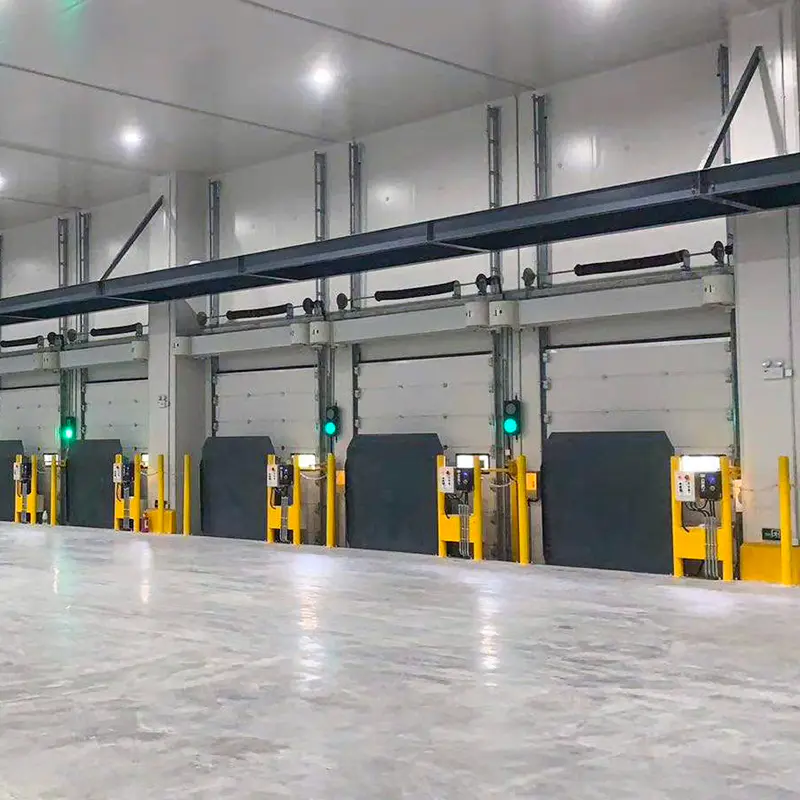
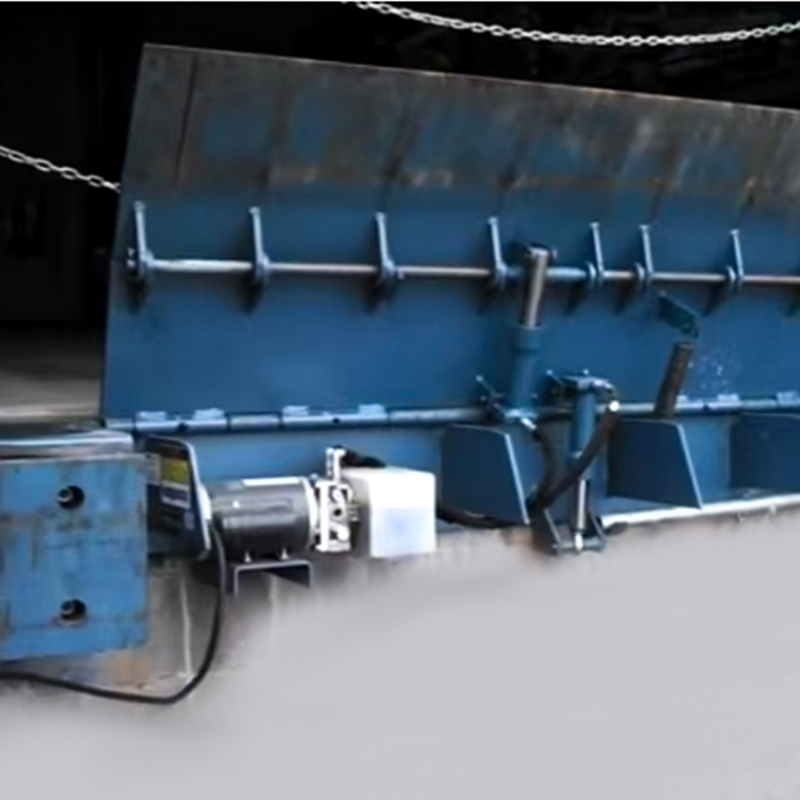
A Vertical Dock Leveler is mounted above floor level on the dock face rather than recessed into a pit. When not in use, the deck pivots upward to a vertical position, pressing firmly against the dock door or a dedicated seal panel. This creates a continuous, controlled barrier between the conditioned interior and the exterior environment.
The thermal advantages of this design are structural rather than supplemental:
- No pit cavity: There is no below-floor void to act as a thermal bridge or accumulate cold air drainage.
- Deck-to-door contact seal: In the stored position, the leveler deck acts as an additional insulating panel reinforcing the dock door's seal line.
- No under-leveler gap: Since the unit is not recessed, there is no gap at floor level through which cold air can escape or warm air can infiltrate.
- Compatibility with full-perimeter dock seals: Vertical Dock Levelers are fully compatible with dock shelters and compression seals, allowing complete enclosure of the trailer-to-door interface during loading.
Some manufacturers offer insulated deck panels as an option for Vertical Dock Levelers used in deep-freeze environments (typically -20°F / -29°C or below), further improving the thermal resistance value of the stored leveler.
Thermal Efficiency Comparison: Vertical vs Other Leveler Types
The table below summarizes the thermal performance characteristics of the four most common dock leveler types across key evaluation criteria relevant to temperature-controlled facilities.
| Criteria | Vertical Dock Leveler | Pit Hydraulic Leveler | Pit Mechanical Leveler | Edge-of-Dock Leveler |
|---|---|---|---|---|
| Pit cavity present | No | Yes | Yes | No |
| Seals against dock door when stored | Yes | No | No | Partial |
| Compatible with full dock shelters | Yes | Limited | Limited | Yes |
| Insulated deck option available | Yes | Rarely | No | No |
| Suitable for freezer applications (<0°F) | Yes | With modifications | No | Limited |
| Under-leveler foam pad required | No | Yes | Yes | No |
Quantifiable Energy Savings in Temperature-Controlled Facilities
Industry studies and refrigeration engineering estimates suggest that each unsealed or poorly sealed dock opening in a refrigerated warehouse can account for between 25% and 40% of total facility heat gain, depending on door cycling frequency and the temperature differential involved. In a 20-door cold storage facility operating 16 hours per day, optimizing dock thermal sealing — including switching to Vertical Dock Levelers — can reduce refrigeration energy costs by $8,000 to $25,000 annually, depending on local energy rates and climate conditions.
Specific scenarios where the Vertical Dock Leveler delivers measurable returns include:
- High-frequency docks: Facilities with 50+ trailer moves per dock per week see compounding benefits from the faster seal restoration that a Vertical Dock Leveler provides upon returning to stored position.
- Ambient-to-freezer transition zones: Facilities that move product between ambient and deep-freeze areas benefit significantly from the tighter thermal barrier a Vertical Dock Leveler offers at the building envelope.
- LEED or energy-certified buildings: Vertical Dock Levelers can contribute to compliance with ASHRAE 90.1 loading dock sealing requirements, which are increasingly referenced in commercial building energy codes.
Weatherseal Configurations That Maximize Thermal Performance
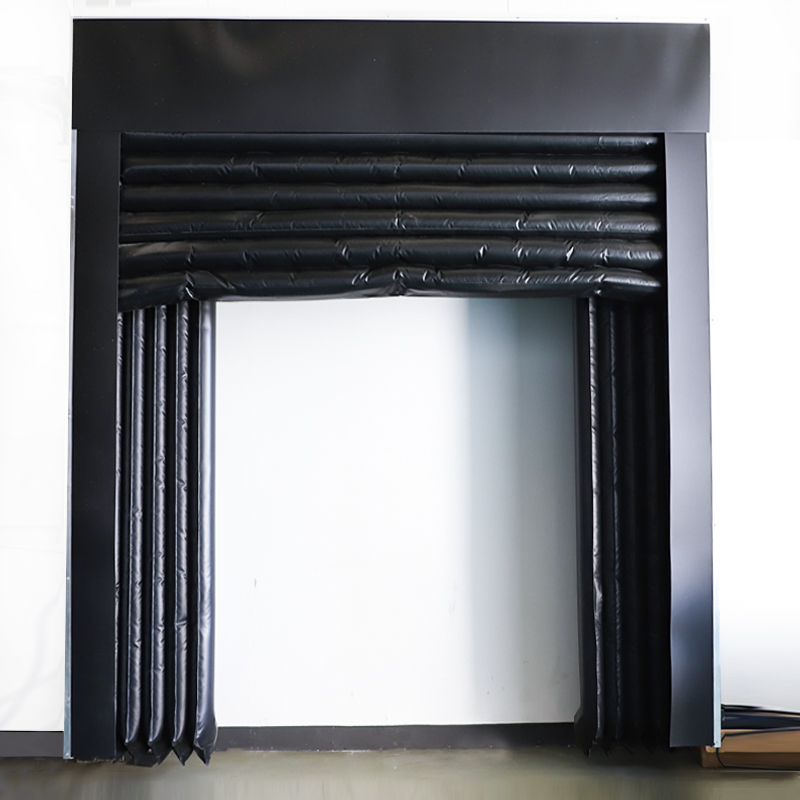
The thermal effectiveness of a Vertical Dock Leveler is significantly enhanced by the weatherseal and dock shelter system installed around it. The following configurations are most commonly used in energy-sensitive applications:
Compression Dock Seals
These foam-filled pads are mounted on the dock face and compress against the sides and top of the trailer when it backs into position. When paired with a Vertical Dock Leveler — which seals the lower portion of the opening — a compression seal system can achieve near-complete enclosure of the trailer-to-building interface.
Full-Curtain Dock Shelters
Fabric curtain shelters drape over and around the trailer body, accommodating a wider range of trailer widths and heights than fixed compression seals. Combined with a Vertical Dock Leveler, they are the preferred solution for facilities handling mixed trailer types, including refrigerated, dry van, and high-cube containers.
Head Seal Panels
For facilities where the dock door header is a significant source of air infiltration, insulated head seal panels — often integrated directly with the Vertical Dock Leveler mounting frame — provide an additional layer of thermal protection above the door opening.
Limitations and Considerations Before Specifying a Vertical Dock Leveler for Thermal Applications
While the thermal case for a Vertical Dock Leveler is strong, there are practical factors to evaluate before specification:
- Existing pit infrastructure: If your facility already has concrete pit pockets sized for conventional levelers, retrofitting to a Vertical Dock Leveler may require structural modification to the dock face and floor, adding to project cost.
- Height range requirements: Vertical Dock Levelers typically accommodate a working range of approximately ±5 inches (±127 mm) from dock height. If your operation routinely handles extreme trailer height variations beyond this range, additional equipment or dock leveler alternatives may be needed.
- Cross-traffic use: In facilities where forklifts regularly cross dock openings during trailer changes, the Vertical Dock Leveler's above-floor stored position eliminates the cross-traffic bridge function that some pit levelers provide — requiring operational workflow adjustments.
- Initial cost premium: Vertical Dock Levelers typically carry a 15% to 30% higher purchase price than equivalent-capacity pit hydraulic levelers. However, energy savings, reduced maintenance on pit components, and improved hygiene compliance generally deliver a payback period of 3 to 6 years in active cold storage environments.
The Bottom Line for Facility Decision-Makers
If thermal efficiency is a primary specification criterion — and in any temperature-controlled, food-grade, or pharmaceutical distribution environment it should be — a Vertical Dock Leveler is the most capable standard leveler type available. Its above-floor stored position, deck-to-door seal contact, absence of a pit cavity, and compatibility with full-perimeter weathersealing systems make it structurally superior to pit-style alternatives for minimizing energy loss at the dock face.
For new construction projects where pit layout is not yet committed, specifying a Vertical Dock Leveler from the outset eliminates the need for remedial sealing solutions and simplifies long-term maintenance. For retrofit scenarios, the energy and compliance benefits should be weighed against civil modification costs on a dock-by-dock basis, with priority given to the highest-volume or most thermally critical positions in the facility.
