
 English
 Español
 Tiếng Việt

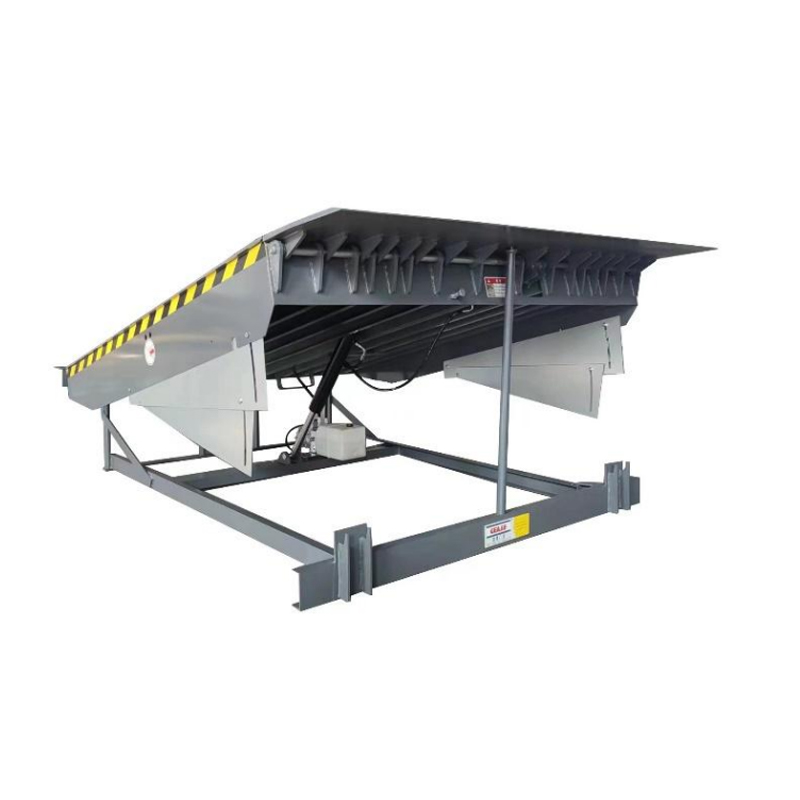
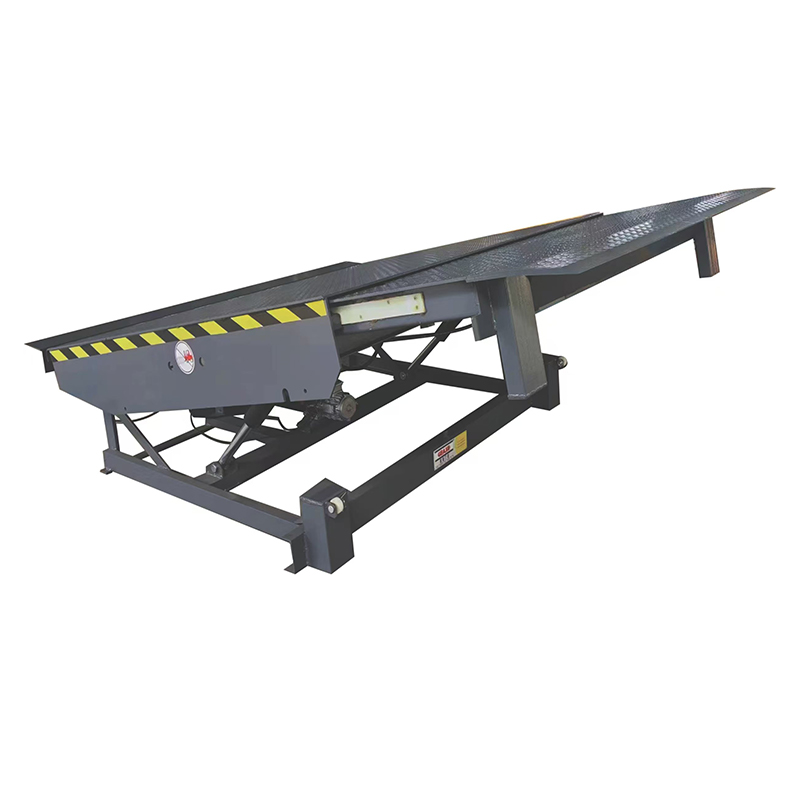
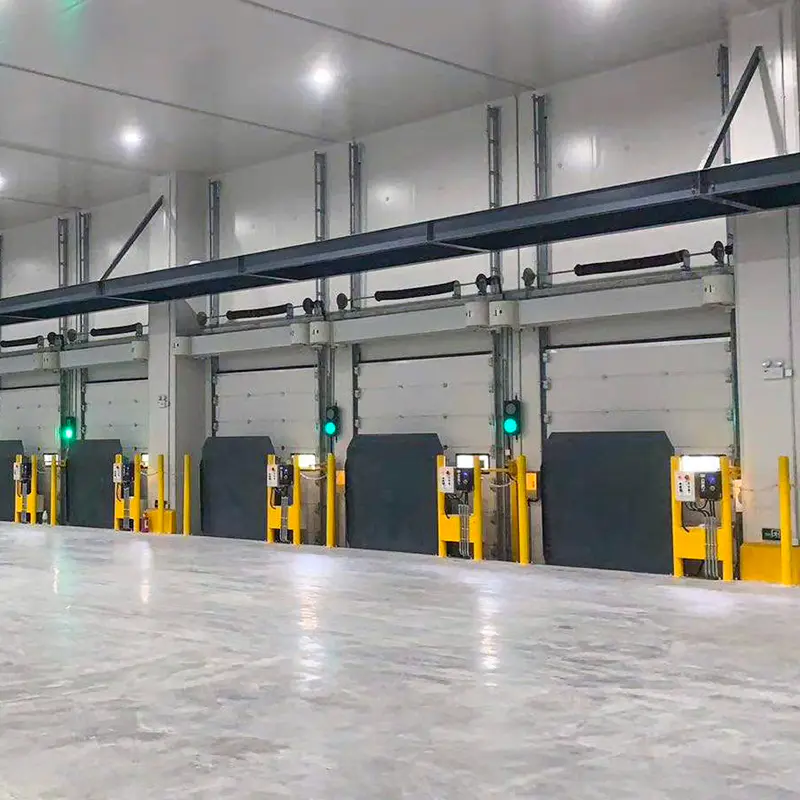
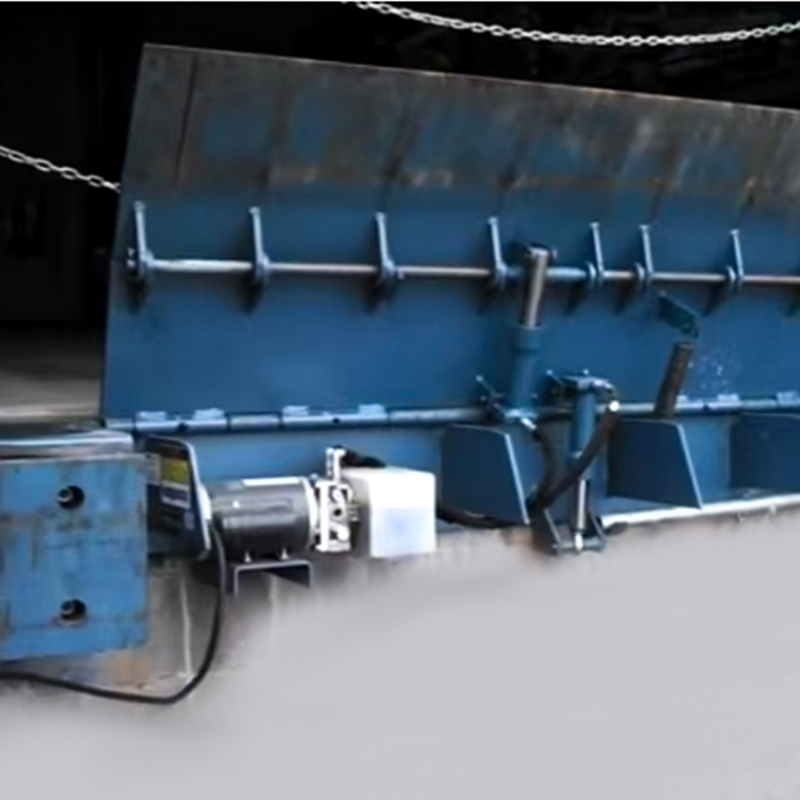
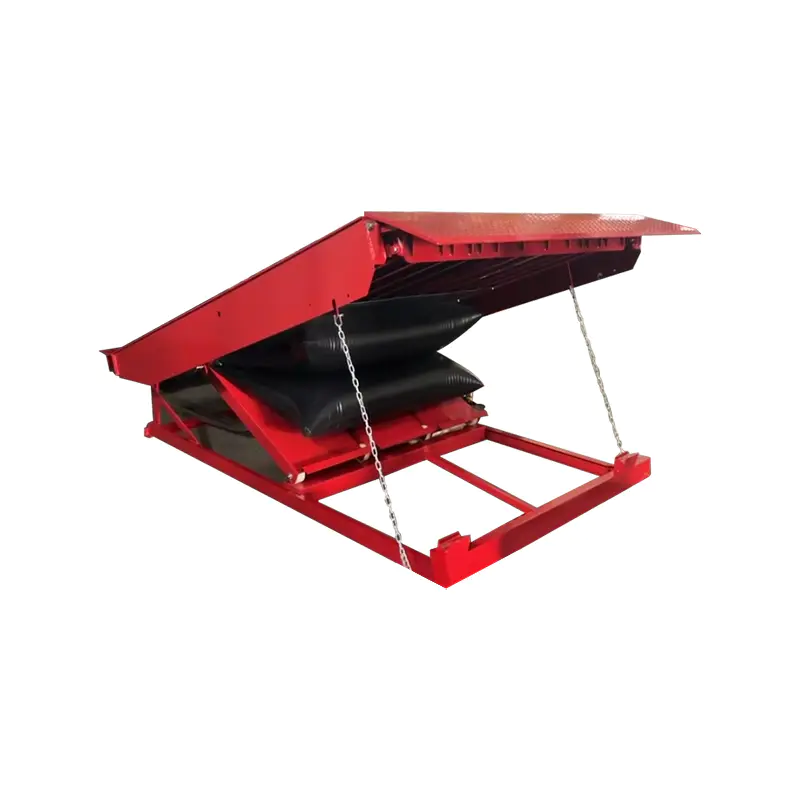
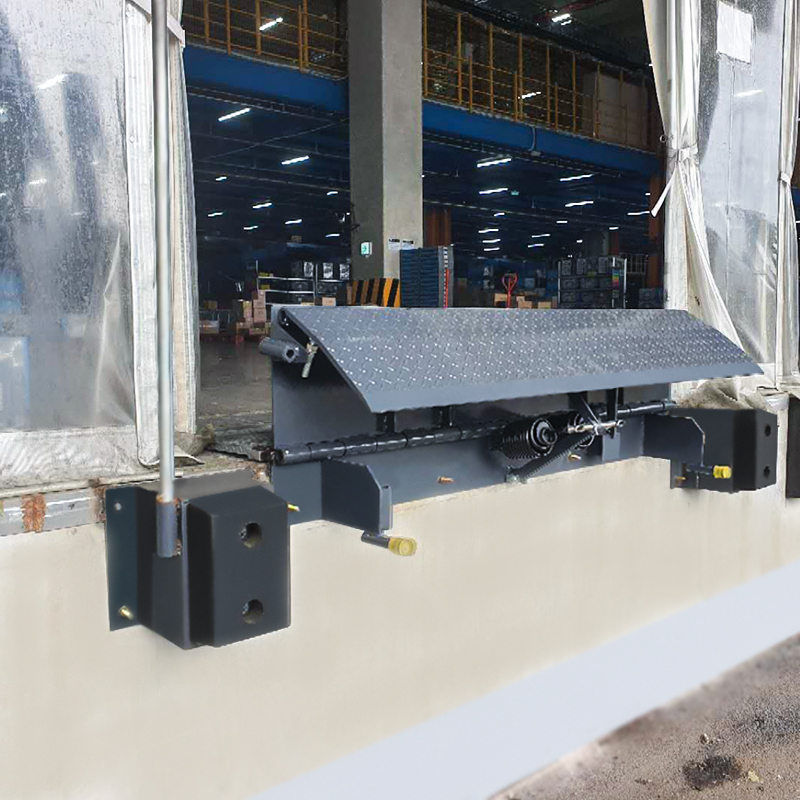
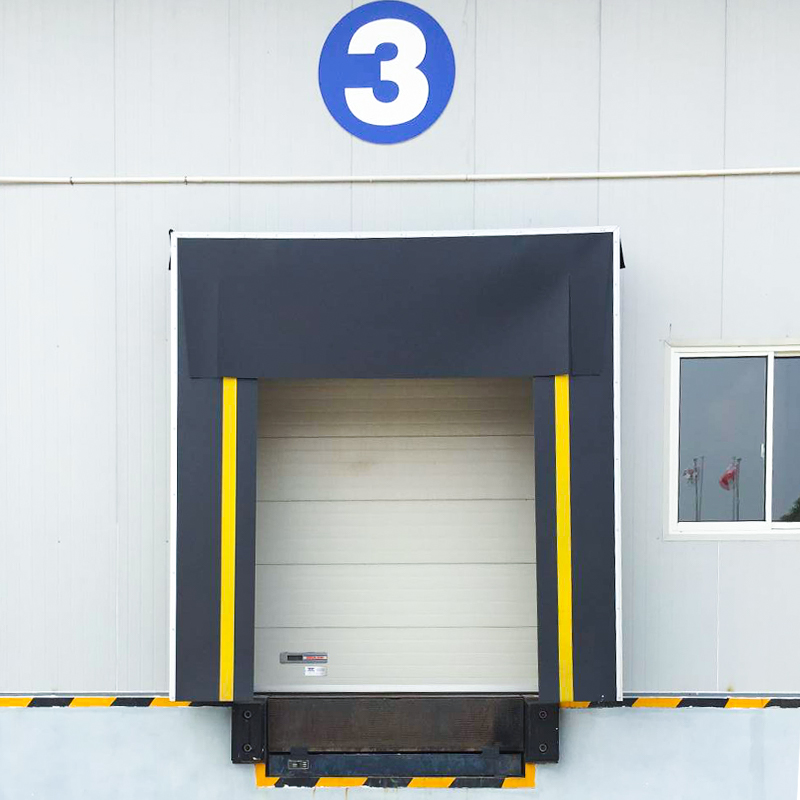
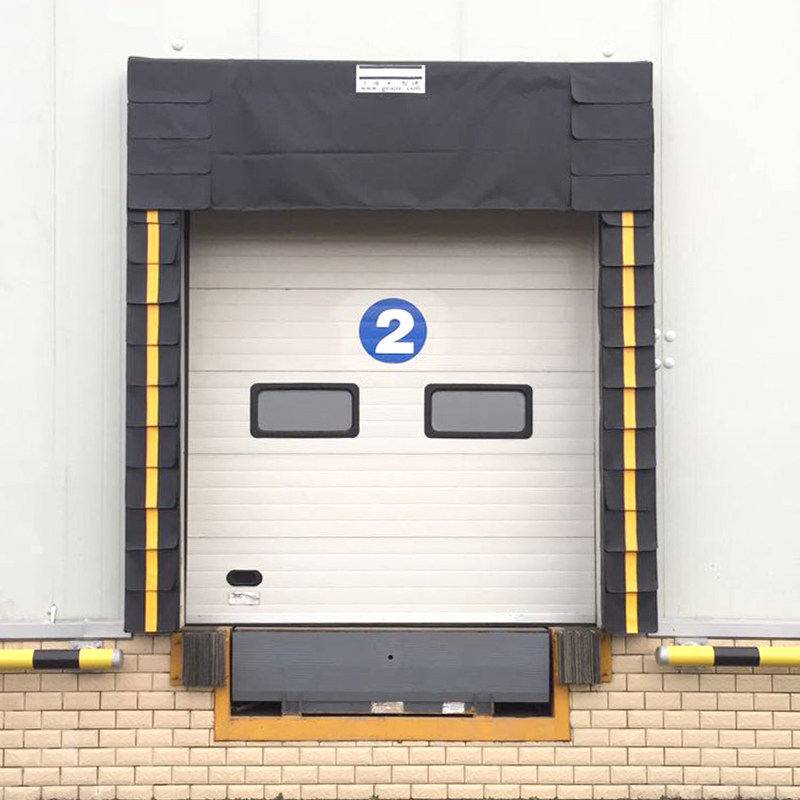
Truck Dock Leveler: A Complete Buying Guide with Load Ratings and Safety Tips A practical field gu...
Immediate Impact of Industrial Vehicle Restraint on Dock Turnaround Time
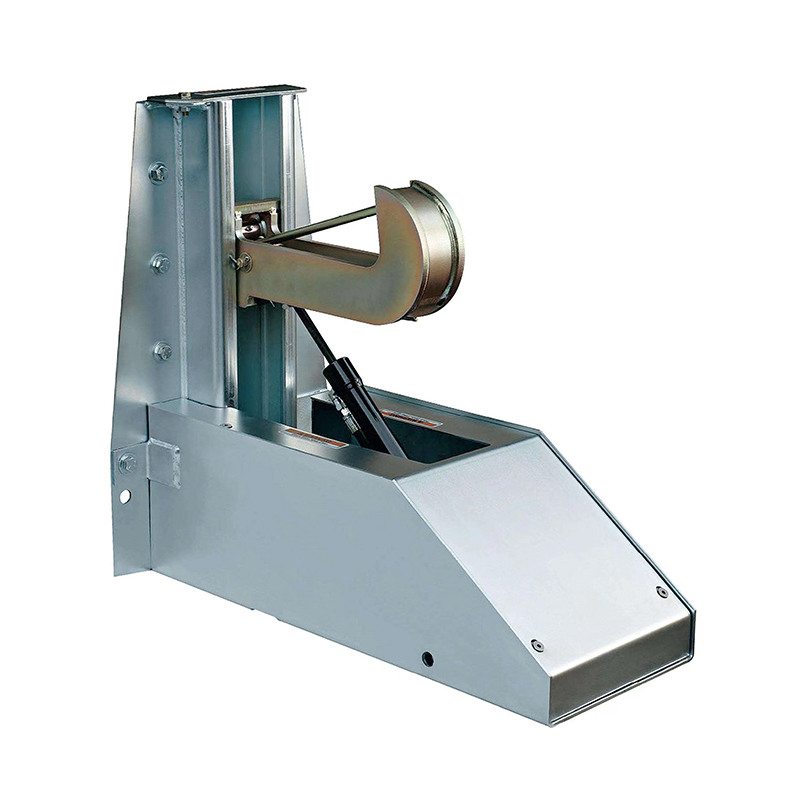
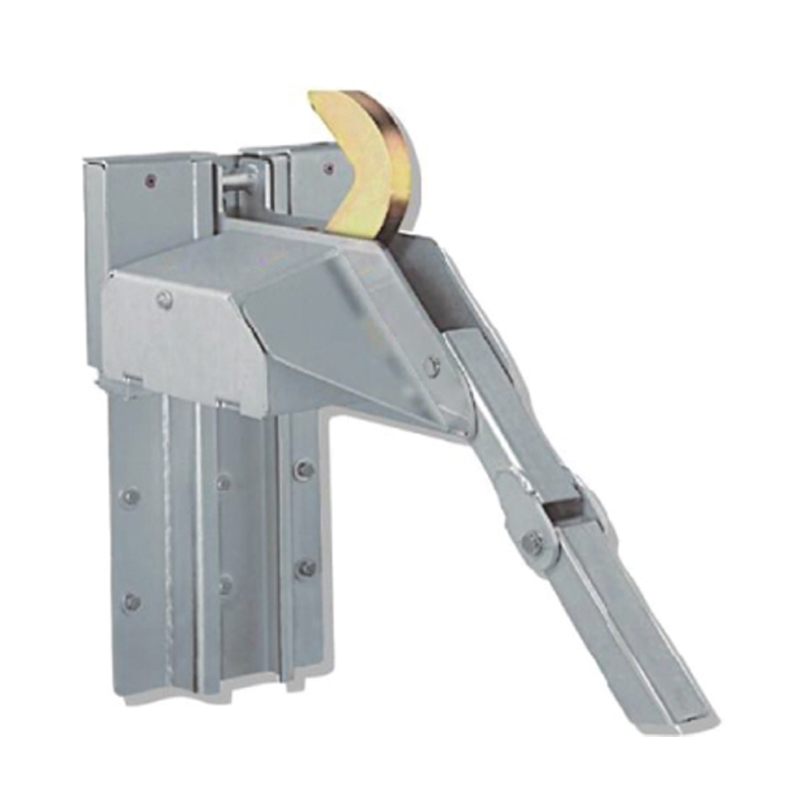
The Industrial Vehicle Restraint significantly reduces dock turnaround time by securely locking vehicles in place, preventing movement during loading and unloading. Facilities using these systems report an average reduction of 20 to 30 percent in time spent per truck, allowing faster dock operations without compromising safety. This immediate effect improves scheduling accuracy and throughput for logistics-heavy operations.
Enhanced Operational Efficiency Through Safety Integration
By integrating the Industrial Vehicle Restraint into dock operations, companies can reduce accident-related delays. Preventing trailer creep, accidental departures, and worker injuries ensures a continuous workflow. Data from industrial warehouses indicates that sites implementing vehicle restraints see a 15% drop in unscheduled downtime, which translates directly to increased operational efficiency.
Time Savings from Automated Vehicle Engagement
Modern Industrial Vehicle Restraint systems often feature automated engagement, reducing the need for manual checks and improving turnaround speed. Automated restraints can secure a trailer in under 15 seconds compared to the 1–2 minutes required for manual wheel chocks. This time saving accumulates across multiple daily dock operations, enabling faster scheduling and reduced congestion.
Reducing Operational Bottlenecks with Industrial Vehicle Restraint
Bottlenecks at loading docks often arise from inefficient vehicle securing procedures. The Industrial Vehicle Restraint standardizes the docking process, ensuring consistent engagement regardless of operator skill. This standardization minimizes errors and delays. Facilities using automated systems report up to 25% fewer misdock incidents, reducing congestion and improving overall workflow.
Cost Efficiency and ROI
While initial installation of an Industrial Vehicle Restraint involves capital expenditure, the reduction in turnaround time and accident-related costs delivers a rapid return on investment. A typical mid-sized warehouse can recover installation costs within 18–24 months through faster loading cycles and lower insurance claims.
Integration with Dock Equipment and Workflow
The Industrial Vehicle Restraint works in tandem with dock levelers, LED dock lights, and safety barriers. Coordinated operation ensures that trucks are secured before workers approach, reducing idle time and improving sequence efficiency. Studies show that synchronized systems can cut total dock processing time by up to 10 minutes per truck, which is significant in high-volume facilities.
Operational Metrics and Performance Tracking
Industrial Vehicle Restraint systems often include monitoring features that log engagement times and detect improper docking. These metrics allow managers to identify inefficiencies and train staff on best practices. For example, a distribution center using telemetry-enabled restraints reduced average dock idle time from 45 minutes to 32 minutes, improving daily throughput by 30%.
Case Study: High-Volume Warehouse Implementation
A major e-commerce fulfillment center installed Industrial Vehicle Restraint systems across ten docks. Prior to installation, average loading times were 55 minutes per truck. After deployment, turnaround dropped to 38 minutes, representing a 31% improvement. This case demonstrates measurable operational gains and improved scheduling predictability.
Maintenance Considerations and Long-Term Efficiency
Regular maintenance of the Industrial Vehicle Restraint is essential to maintain operational efficiency. Preventive inspections, lubrication, and component replacement ensure reliable engagement, reducing downtime. Facilities that adhere to monthly maintenance schedules report 98% operational readiness, minimizing unexpected delays and sustaining long-term efficiency.
Conclusion: Industrial Vehicle Restraint as a Productivity Enhancer
In conclusion, the Industrial Vehicle Restraint directly impacts dock turnaround time by securing vehicles efficiently, reducing errors, and enabling faster workflows. By integrating safety, automation, and monitoring, these systems improve operational efficiency, reduce costs, and enhance throughput, making them a critical investment for high-volume logistics operations.
Summary Table of Benefits
| Benefit | Impact on Dock Operations | Quantitative Gain |
|---|---|---|
| Reduced Trailer Movement | Fewer accidents, safer loading | 20–30% faster dock turnaround |
| Automated Engagement | Faster vehicle securing | 15–20 seconds saved per truck |
| Reduced Dock Errors | Improved workflow consistency | 25% fewer misdocks |
| Monitoring & Metrics | Identifies inefficiencies quickly | 30% improved throughput |
