
 English
 Español
 Tiếng Việt

Truck Dock Leveler: A Complete Buying Guide with Load Ratings and Safety Tips A practical field gu...
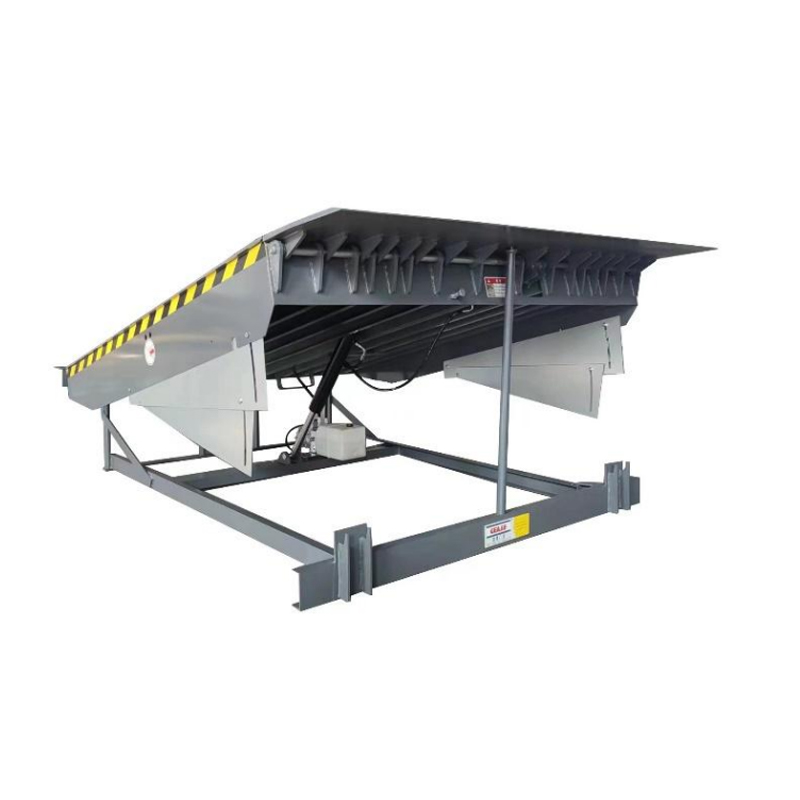
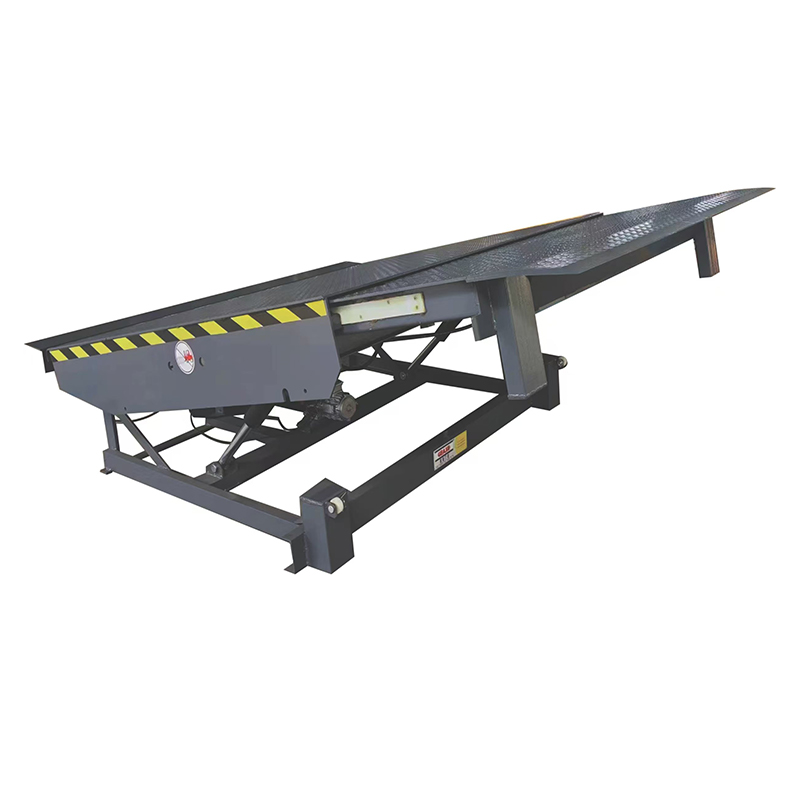
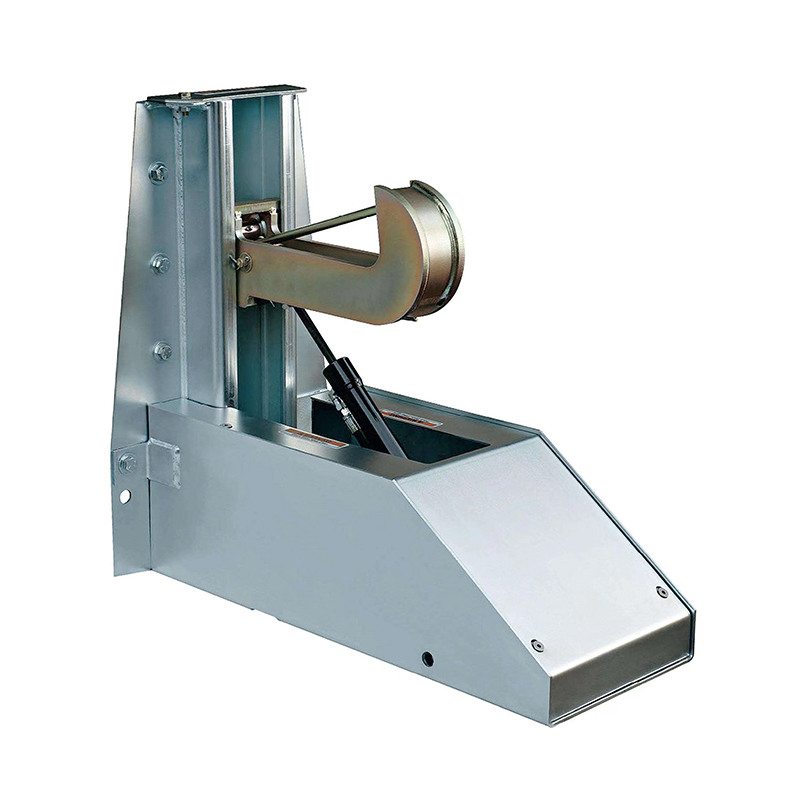
The industrial hydraulic dock levelers do feature a cross-traffic leg system or an equivalent maintenance safety device. These mechanisms are designed to mechanically support the raised platform during inspection, servicing, or when the dock is not in active use, preventing accidental platform collapse that could cause serious injury or fatality. Beyond the cross-traffic leg, modern units incorporate multiple layers of redundant safety systems to meet OSHA and ANSI standards.
What Is a Cross-Traffic Leg System on an Industrial Hydraulic Dock Leveler?
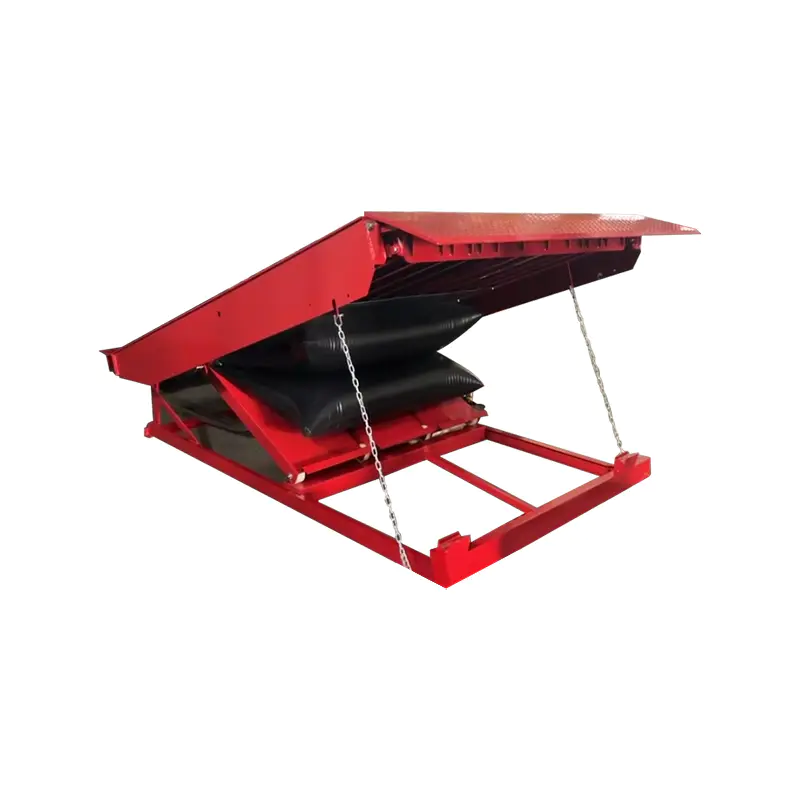
A cross-traffic leg system is a mechanical safety prop — typically a steel support bar or folding leg — that deploys beneath the raised platform of an industrial hydraulic dock leveler. When the platform is lifted, the cross-traffic leg swings or locks into position to bear the platform's weight independently of the hydraulic system. This means that even if hydraulic pressure drops suddenly, the platform cannot descend onto a technician working underneath.
Cross-traffic legs are specifically named for their secondary function: they allow pedestrian or light vehicular cross-traffic to pass safely across the dock pit area when no truck is docked, effectively bridging the gap at a stable, fixed height. This dual-purpose design makes them a standard feature on most commercial and heavy industrial models.
On a typical industrial hydraulic dock leveler, the cross-traffic leg is rated to support the full static weight of the platform — commonly between 2,000 lbs and 6,000 lbs depending on the model — without any reliance on hydraulic pressure.
Types of Maintenance Safety Devices Found on Industrial Hydraulic Dock Levelers
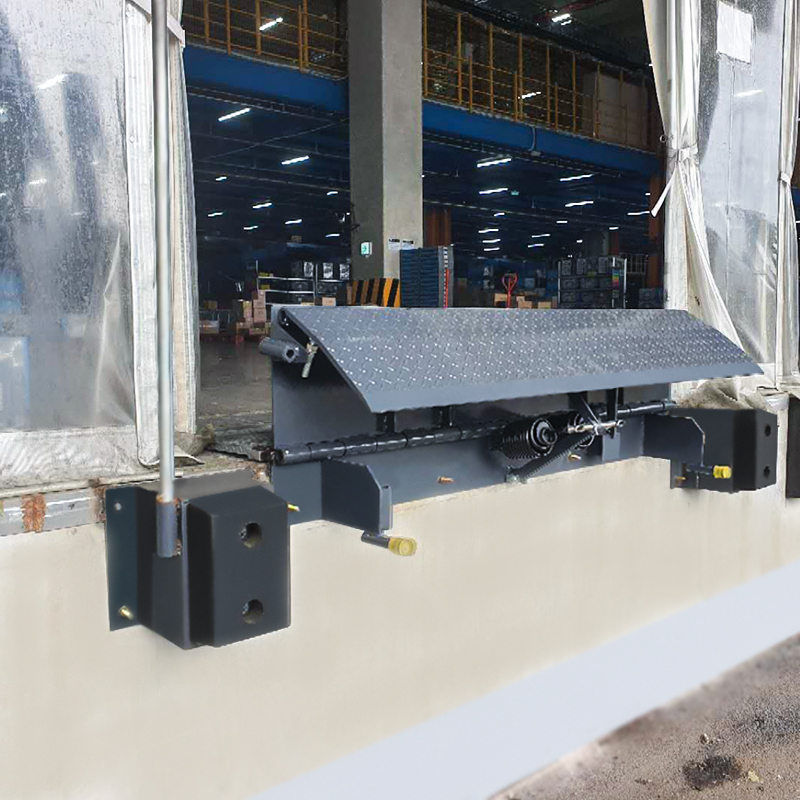
Not all industrial hydraulic dock levelers use the same maintenance safety mechanism. Depending on the manufacturer, capacity rating, and application, several different systems may be employed:
- Swing-arm cross-traffic leg: The most common type. A hinged steel leg that swings out automatically or manually as the platform rises. Found on brands such as Rite-Hite, Serco, and Kelley dock levelers.
- Telescoping safety prop: An adjustable-height steel post that can be set at multiple locking positions. Useful for levelers with a wide height adjustment range, typically ±12 inches from dock height.
- Hydraulic safety lock valve (velocity fuse): An internal hydraulic component that automatically closes off fluid flow if a sudden drop in pressure is detected — for example, if a hydraulic line ruptures. This is a fluid-mechanical safeguard rather than a structural prop.
- Mechanical lip lock: Locks the front lip of the industrial hydraulic dock leveler in the extended position, preventing it from retracting unexpectedly during loading or maintenance.
- Electronic interlock system: Integrates with door sensors and truck restraints to electrically disable platform movement when a technician access panel is open or a safety zone is breached.
The table below compares these safety mechanisms across key criteria to help users evaluate which system best fits their operational requirements:
| Safety Device | Mechanical or Electronic | Maintenance-Safe | Cross-Traffic Capable | Typical Availability |
|---|---|---|---|---|
| Cross-Traffic Leg | Mechanical | Yes | Yes | Standard |
| Telescoping Safety Prop | Mechanical | Yes | Limited | Optional / Heavy-Duty Models |
| Hydraulic Velocity Fuse | Hydraulic-Mechanical | Partial | No | Standard on Premium Models |
| Mechanical Lip Lock | Mechanical | Partial | No | Standard |
| Electronic Interlock | Electronic | Yes | No | Optional / Advanced Systems |
Why the Cross-Traffic Leg Is Critical for Worker Safety During Maintenance
According to the U.S. Bureau of Labor Statistics and OSHA incident records, dock-related injuries account for approximately 25% of all warehouse accidents, with platform collapse being among the most severe causes of fatality. The cross-traffic leg on an industrial hydraulic dock leveler directly mitigates this risk by removing dependence on hydraulic pressure during any maintenance window.
OSHA Standard 1910.178(e) requires that powered industrial equipment — including dock leveler platforms — be positively secured against inadvertent movement during maintenance. The cross-traffic leg fulfills this requirement as a passive, mechanical restraint that does not rely on electrical power or operator vigilance to remain engaged.
Correct Procedure for Engaging the Cross-Traffic Leg
- Raise the industrial hydraulic dock leveler platform to its maximum height using the hydraulic control panel.
- Visually confirm that the cross-traffic leg has deployed fully and is resting on its designated support ledge or pit floor bracket.
- Attempt a controlled, brief downward pressure on the platform to verify that the leg bears the load without movement.
- Place a visible lockout/tagout (LOTO) tag on the hydraulic control panel before beginning any work beneath the platform.
- After maintenance, remove the LOTO tag, retract the cross-traffic leg, and test the platform through one full operational cycle before returning the unit to service.
Routine Maintenance Areas Covered While the Safety Leg Is Engaged
With the cross-traffic leg properly engaged, maintenance technicians can safely access and service multiple critical components of the industrial hydraulic dock leveler. Understanding which parts require the most attention helps facilities build an effective preventive maintenance schedule.
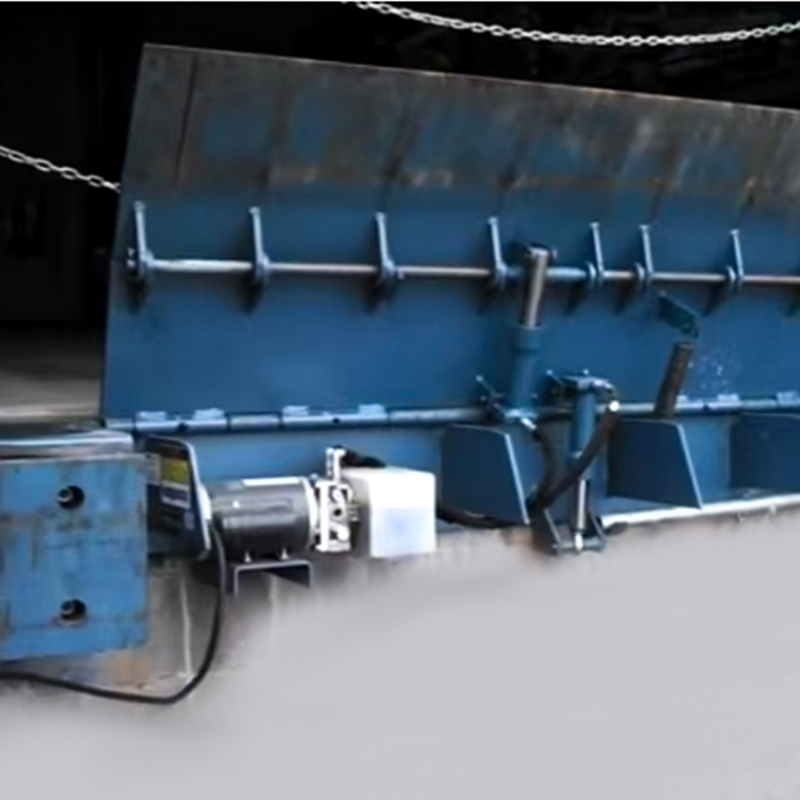
- Hydraulic cylinder and rod seals: Inspect for weeping or active leaks every 6 months. Worn seals are the leading cause of slow platform descent under load.
- Hinge pins and pivot points: Lubricate with a high-pressure grease (NLGI Grade 2 recommended) every 3 months or every 5,000 operational cycles, whichever comes first.
- Lip hinge and lip keeper mechanism: Check for cracks, deformation, or excessive wear on the lip hinge plate. A bent or cracked lip hinge on an industrial hydraulic dock leveler can reduce the effective bridging capacity by up to 40%.
- Hydraulic power unit (HPU): Check fluid level, inspect filter condition, and listen for abnormal pump noise. Replace hydraulic fluid every 2 years or 10,000 cycles under normal conditions.
- Platform deck surface: Inspect checker plate or open-bar grating for cracks, loose welds, or deformation that could create tripping hazards for forklift operators.
- Electrical wiring and control panel: Look for chafed insulation, corroded terminals, and water ingress — particularly important in cold-storage dock environments.
Common Cross-Traffic Leg Problems and How to Address Them
Even though the cross-traffic leg is a mechanically simple component, it can develop faults that compromise its reliability. Recognizing these issues early is essential to maintaining a safe working environment around the industrial hydraulic dock leveler.
Failure to Auto-Deploy
Some cross-traffic leg designs rely on gravity or a spring-assisted pivot to auto-deploy as the platform rises. If the hinge becomes corroded, paint-bound, or physically obstructed by debris in the dock pit, the leg may fail to swing into position. Inspect and clean the hinge pivot monthly and apply anti-corrosion lubricant in humid or coastal environments.
Structural Deformation from Overloading
If a loaded forklift drives onto the raised platform while the cross-traffic leg is engaged — a scenario that should never occur but does happen due to operator error — the leg can bend or fracture. A visibly deformed cross-traffic leg on an industrial hydraulic dock leveler must be replaced immediately; never attempt to straighten and reuse a bent safety leg.
Missing or Bypassed Safety Leg
In high-throughput facilities, maintenance crews occasionally remove or tie back the cross-traffic leg to speed up dock cycling — an extremely dangerous practice that violates OSHA 1910.178 and exposes the facility to substantial liability. Facility managers should conduct monthly audits to confirm all cross-traffic legs are present, functional, and unobstructed.
Selecting an Industrial Hydraulic Dock Leveler With the Right Safety Features for Your Facility
When specifying a new industrial hydraulic dock leveler, buyers should treat the cross-traffic leg and maintenance safety system as non-negotiable requirements rather than optional add-ons. Key selection criteria include:
- Load rating of the cross-traffic leg: Confirm that the leg's static load rating meets or exceeds the platform's maximum operational weight, plus a safety factor of at least 2:1.
- Auto-deployment vs. manual deployment: Auto-deploy legs reduce reliance on operator compliance; manual legs require procedural enforcement but allow more flexibility in multi-height applications.
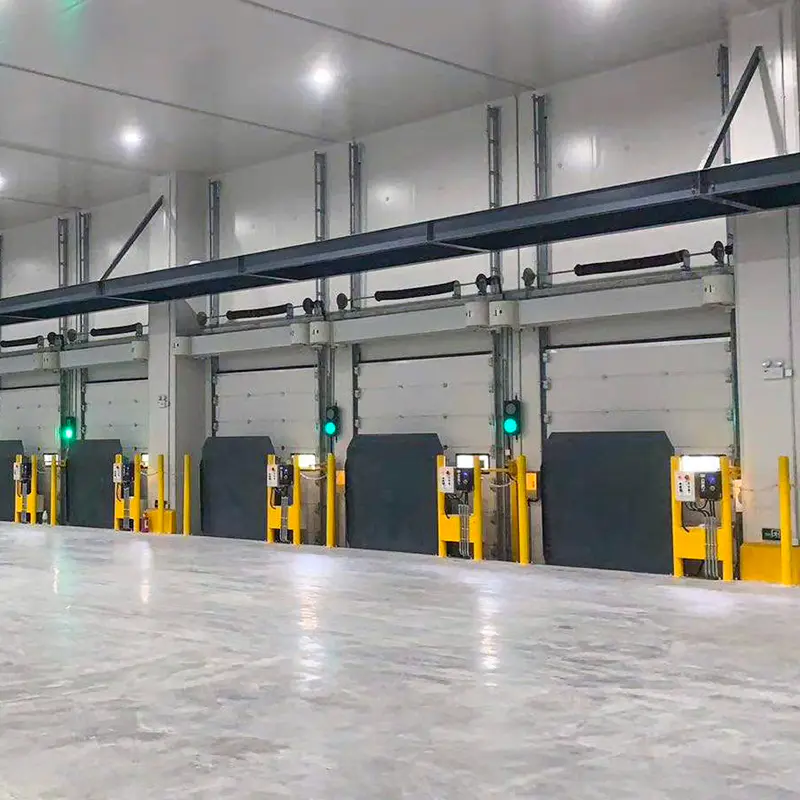
- Compatibility with dock interlock systems: Premium industrial hydraulic dock levelers can integrate the cross-traffic leg position sensor with truck restraints and overhead door controls, creating a safety sequence that prevents platform operation when the leg is engaged.
- Compliance certifications: Verify that the unit is listed to ANSI MH30.1 or equivalent national standards, which mandate specific performance requirements for maintenance safety devices.
- Manufacturer service network: Ensure the supplier can provide certified replacement cross-traffic legs and safety components with a lead time of 5 business days or less to minimize dock downtime after a component failure.
The cross-traffic leg system is a fundamental, load-bearing safety feature of the industrial hydraulic dock leveler — not a convenience accessory. Combined with velocity fuses, electronic interlocks, and rigorous lockout/tagout procedures, it forms the backbone of a compliant, safe, and productive loading dock operation.
