
 English
 Español
 Tiếng Việt

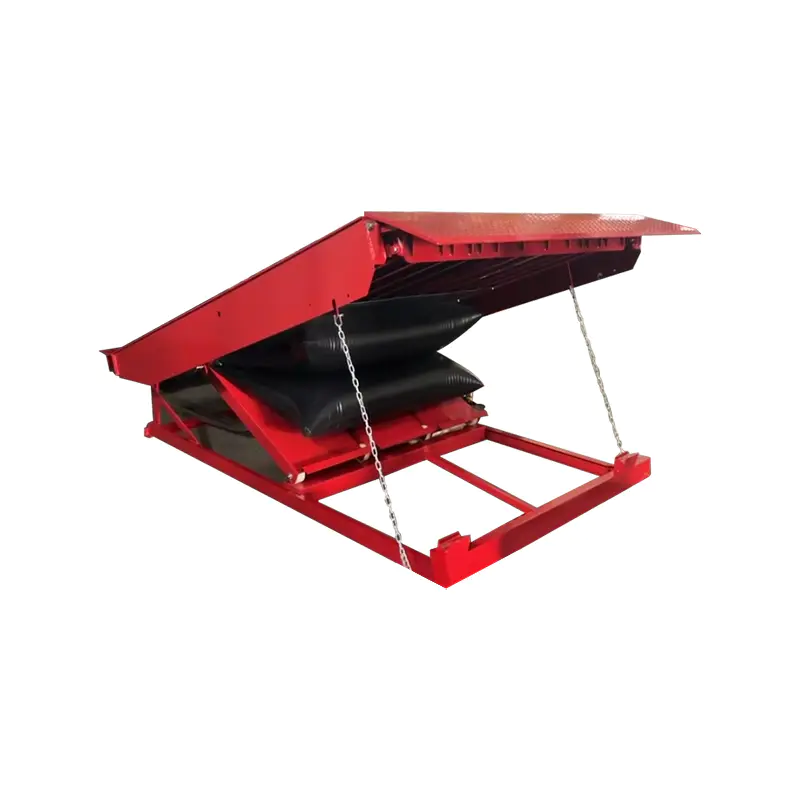
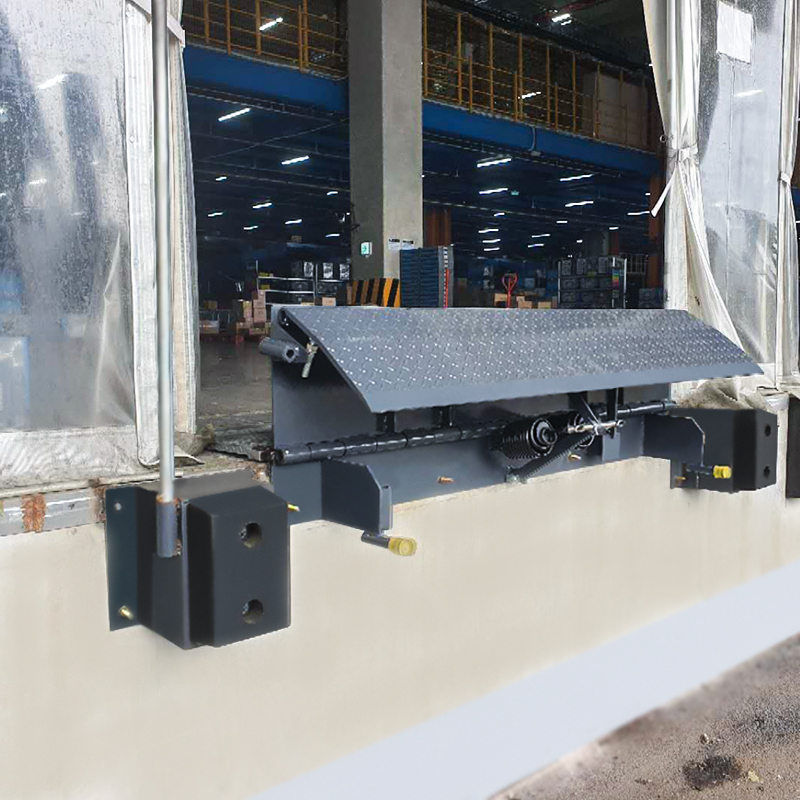
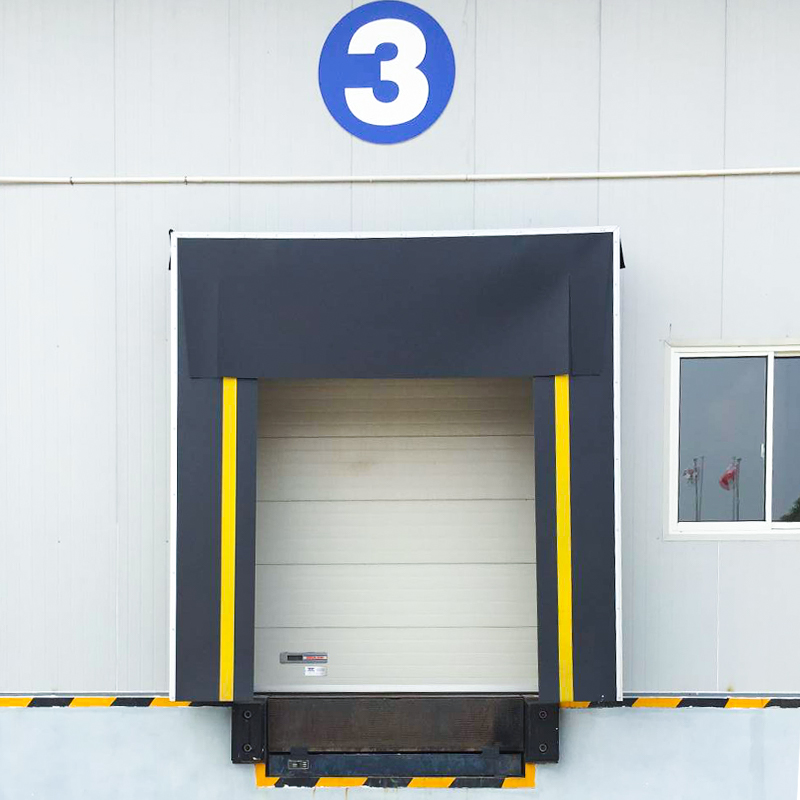
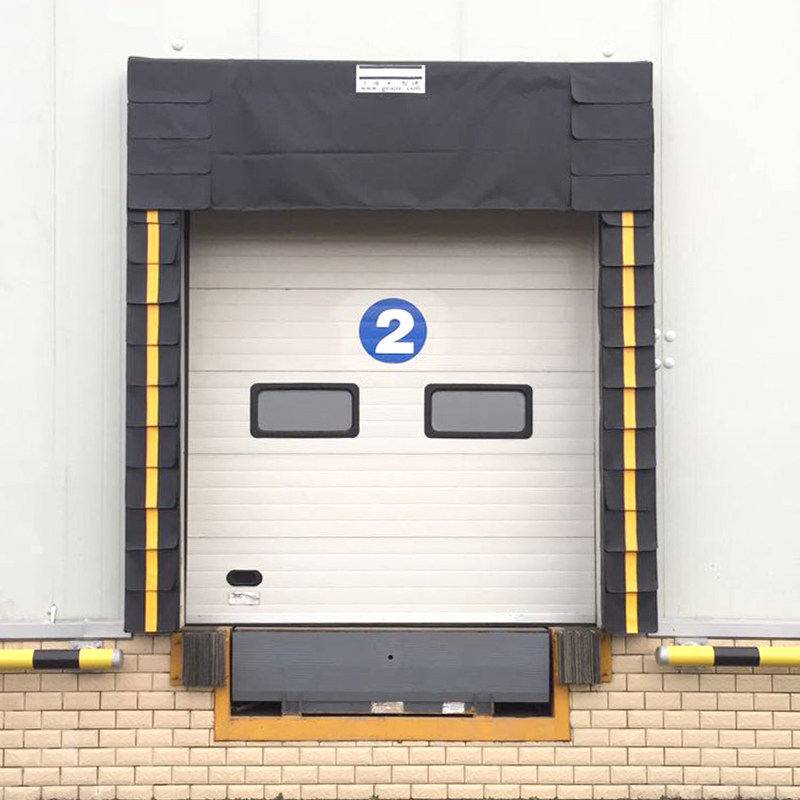
Truck Dock Leveler: A Complete Buying Guide with Load Ratings and Safety Tips A practical field gu...
Why an Industrial Dock Leveler Improves Loading Efficiency
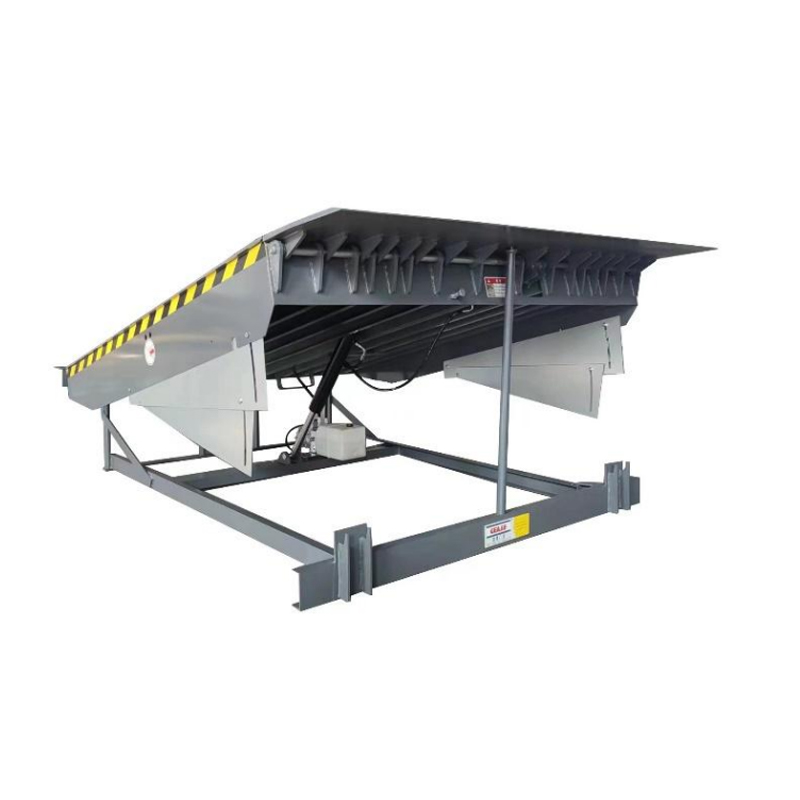
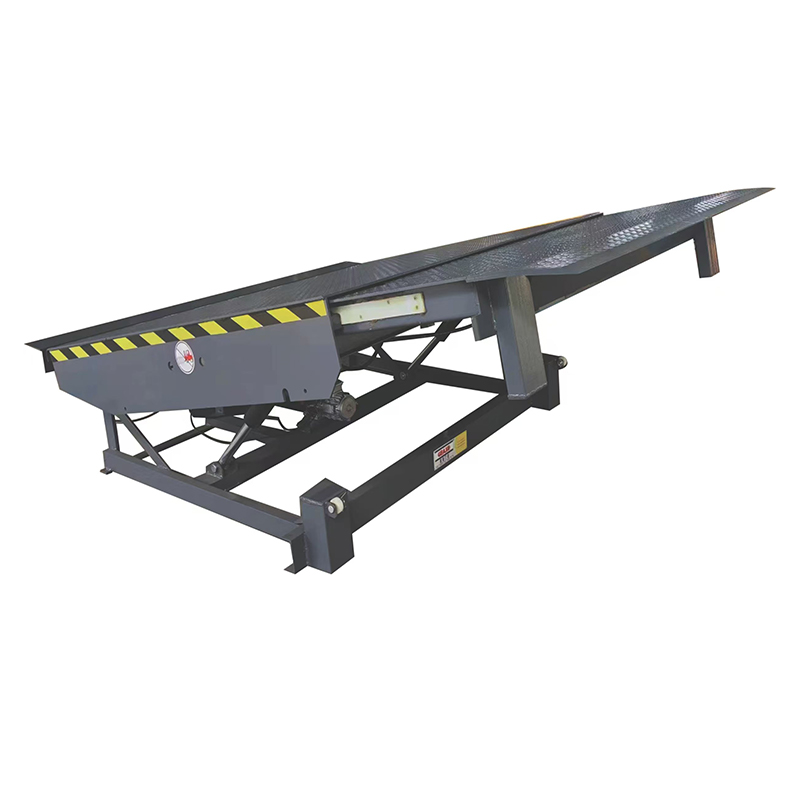
An Industrial Dock Leveler significantly improves loading efficiency and reduces turnaround time by creating a stable, adjustable bridge between the warehouse dock and truck bed. This allows forklifts and pallet jacks to move goods quickly and safely without interruption caused by height differences or unstable loading conditions. As a result, distribution centers can process trucks faster, minimize loading delays, and maintain continuous logistics flow.
In high-volume logistics facilities, every minute saved during loading and unloading operations contributes directly to productivity. Studies in warehouse logistics show that efficient dock systems can reduce truck turnaround time by 20–30%, especially when paired with modern material handling equipment. Industrial Dock Levelers play a central role in achieving this performance by ensuring smooth transitions between dock platforms and trailers.
Eliminating Height Gaps Between Dock and Truck
One of the most common causes of loading delays in distribution centers is the height difference between the warehouse dock and the truck bed. Trailers vary widely in height depending on vehicle type, cargo weight, and suspension systems. Without a proper leveling solution, forklifts cannot move efficiently between the dock and the truck.
An Industrial Dock Leveler automatically adjusts to bridge this vertical gap. This adjustment ensures forklifts can travel across a smooth incline rather than encountering dangerous steps or uneven surfaces.
Operational benefits include:
- Faster forklift movement between dock and trailer
- Reduced cargo handling interruptions
- Lower risk of pallet damage caused by sudden height transitions
- Improved operator safety during loading operations
By removing height-related barriers, the Industrial Dock Leveler ensures continuous workflow and minimizes delays that typically occur during manual adjustments or equipment repositioning.
Accelerating Forklift Traffic During Loading Operations
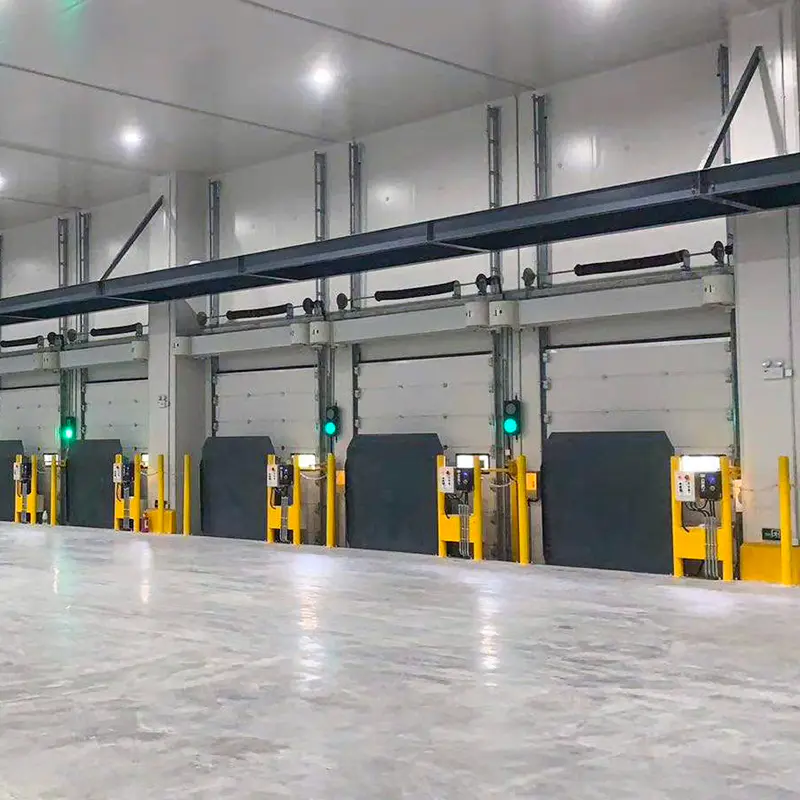
Busy distribution centers often process dozens or even hundreds of trucks per day. In such environments, forklift traffic must remain constant to maintain operational efficiency. An Industrial Dock Leveler provides a stable loading surface capable of supporting heavy equipment and continuous movement.
Modern dock levelers are engineered with reinforced steel platforms designed to handle high cycle usage. Many industrial models support dynamic load capacities ranging from 6,000 kg to 15,000 kg, allowing forklifts carrying heavy pallet loads to operate safely without slowing down.
Key efficiency advantages:
- Smooth forklift entry and exit from trailers
- Reduced vibration and cargo shifting
- Faster loading cycles for palletized goods
- Higher throughput during peak warehouse operations
Because forklifts can move seamlessly between warehouse floors and trailers, operators spend less time maneuvering equipment and more time transporting goods.
Reducing Truck Waiting Time at the Dock
Truck turnaround time is one of the most critical performance indicators in distribution logistics. Long waiting times increase transportation costs and reduce fleet utilization. By optimizing dock operations, Industrial Dock Levelers help distribution centers process vehicles more quickly.
In traditional loading setups without efficient leveling systems, operators may need to manually adjust ramps or reposition trucks multiple times. These small delays accumulate quickly, especially in high-volume facilities.
| Operational Factor | Without Dock Leveler | With Industrial Dock Leveler |
|---|---|---|
| Truck positioning time | Longer adjustments required | Immediate loading start |
| Forklift movement | Interrupted by height gaps | Continuous workflow |
| Average turnaround time | 60–90 minutes | 40–60 minutes |
Improving Worker Safety and Operational Stability
Safety directly impacts operational speed. When workers feel confident operating equipment in a safe environment, tasks are completed faster and with fewer interruptions. Industrial Dock Levelers are designed with multiple safety features that protect both operators and cargo.
Typical safety features include:
- Anti-slip steel deck surfaces
- Hydraulic safety stops
- Side guards to prevent forklift wheel accidents
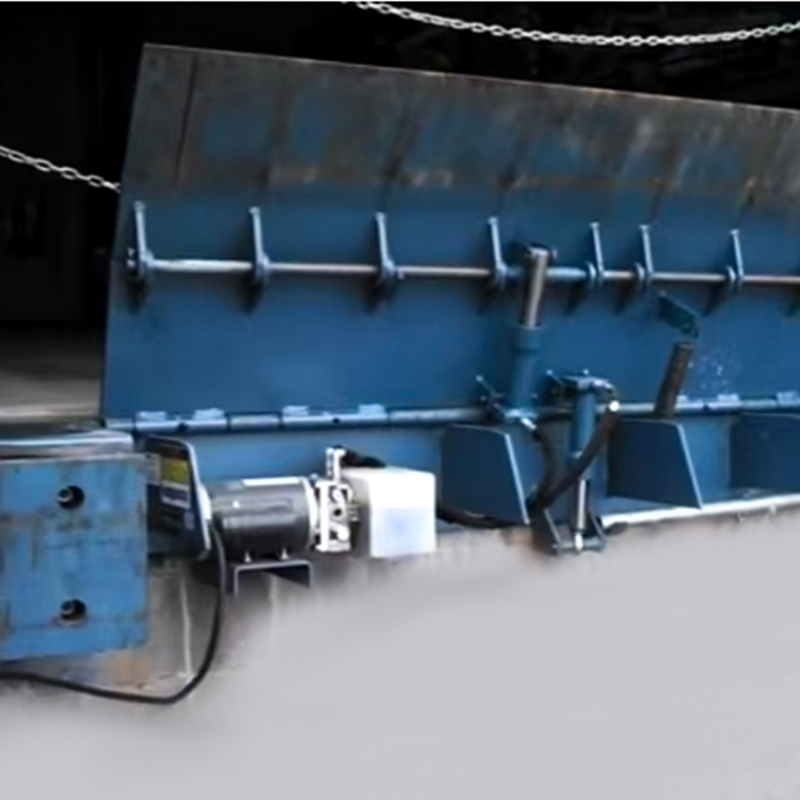
- Controlled lip extension mechanisms
These features reduce the likelihood of accidents that could halt operations. In large warehouses, avoiding even a single incident can prevent hours of downtime.
Supporting High-Volume Logistics and Peak Demand
Modern distribution centers often experience peak periods during seasonal demand or promotional events. During these times, dock equipment must handle intense workloads without performance degradation.
Industrial Dock Levelers are engineered for durability and repeated cycles. Many heavy-duty models can perform over 100,000 operational cycles during their service life, ensuring consistent performance even under continuous use.
With reliable dock infrastructure, logistics managers can schedule tighter delivery windows and process more trucks without increasing labor costs.
An Industrial Dock Leveler is far more than a simple loading ramp—it is a critical component of modern warehouse logistics. By eliminating height differences, supporting heavy forklift traffic, reducing truck waiting times, and improving workplace safety, this equipment dramatically enhances loading efficiency.
For distribution centers managing high shipment volumes, investing in high-quality dock levelers can deliver measurable operational benefits. Facilities that upgrade their dock systems often see faster loading cycles, improved worker productivity, and significantly reduced truck turnaround times.
Ultimately, efficient dock operations create a smoother supply chain, allowing businesses to meet delivery deadlines, handle larger shipping volumes, and maintain a competitive advantage in the logistics industry.
