
 English
 Español
 Tiếng Việt

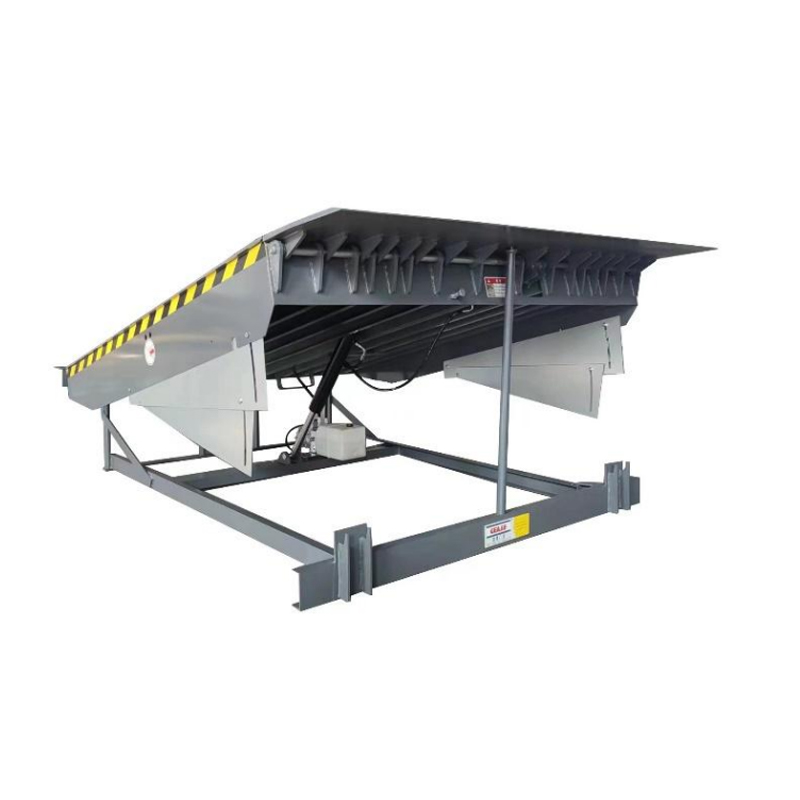
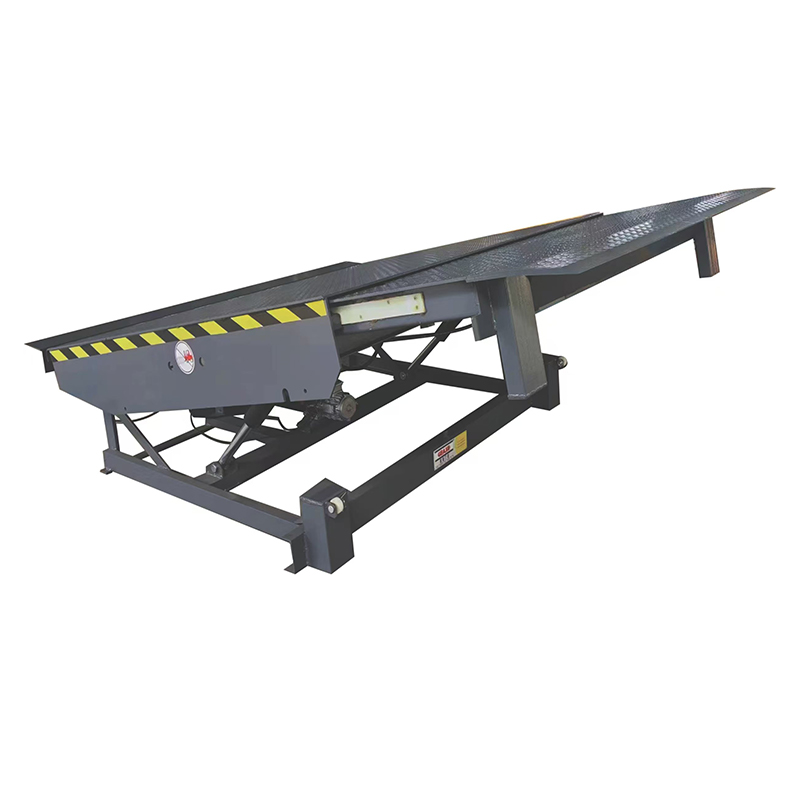
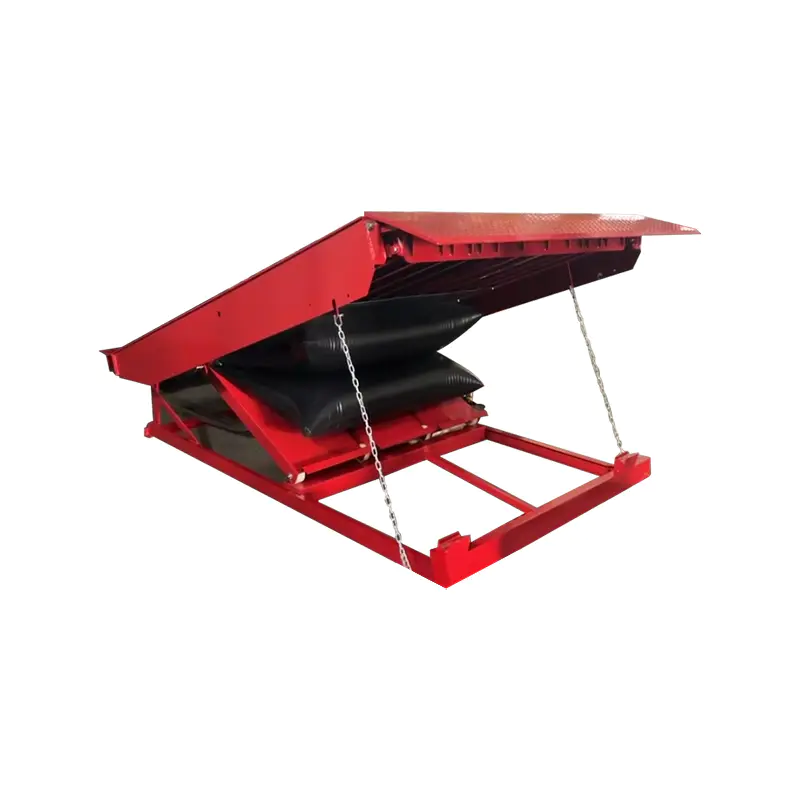
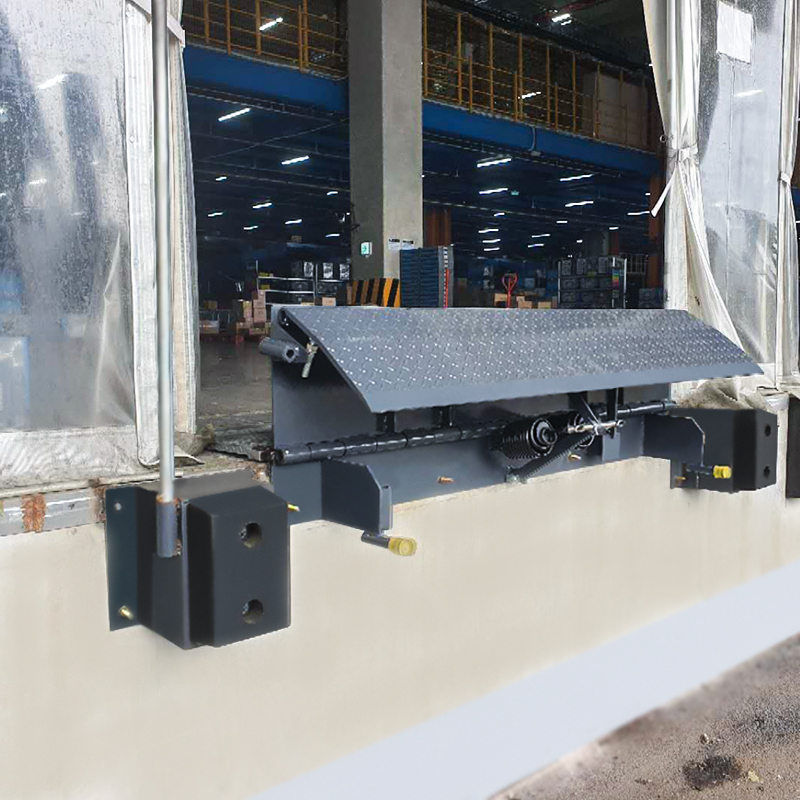
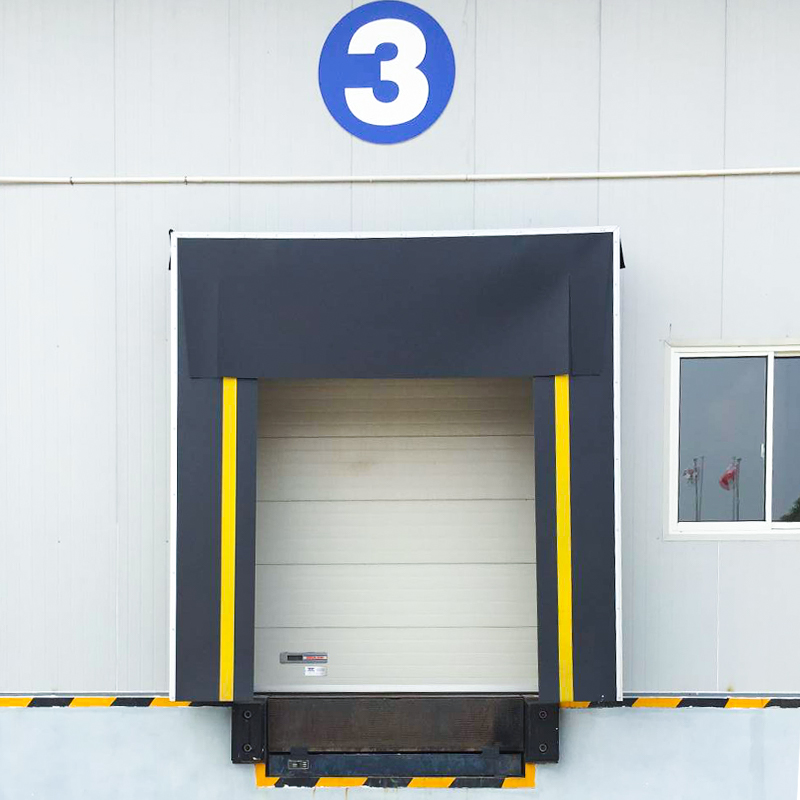
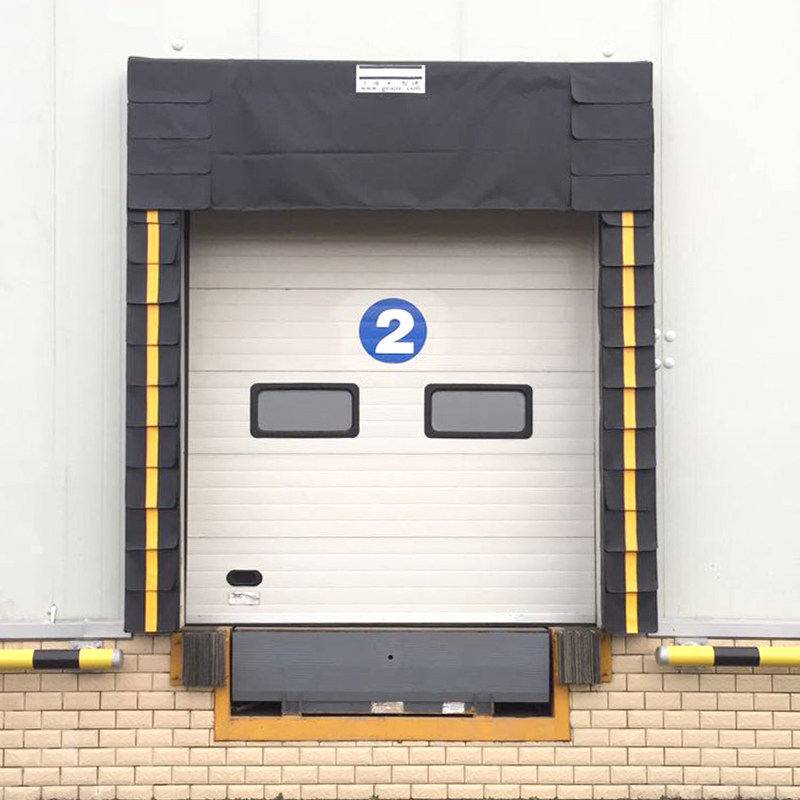
Truck Dock Leveler: A Complete Buying Guide with Load Ratings and Safety Tips A practical field gu...
An Industrial Dock Leveler integrates with dock safety systems — including vehicle restraints and dock seals — through a combination of mechanical interlocks, electronic communication protocols, and sequential operation logic. When properly integrated, these systems work as a unified safety chain: the vehicle restraint secures the trailer, the leveler bridges the height gap, and the dock seal contains the climate and protects personnel. Routine loading dock maintenance ensures this chain remains unbroken over time — a neglected dock is a dangerous dock. Without this integration, each component operates independently, significantly increasing the risk of trailer separation accidents, load falls, and energy loss. This article explains exactly how each integration works, what hardware and controls are involved, and what real-world performance outcomes facility managers can expect.
Why Integration Between Dock Systems Is a Safety Imperative
Loading dock incidents account for a disproportionate share of industrial injuries. According to the U.S. Bureau of Labor Statistics, dock-related accidents contribute to over 25% of all warehouse injuries, with trailer separation — commonly called "trailer creep" or "dock walk" — being one of the leading causes. When a forklift enters a trailer that is not secured, the repeated impact can gradually push the trailer away from the dock face, creating a dangerous gap between the Industrial Dock Leveler platform and the trailer floor.
Integrating the Industrial Dock Leveler with vehicle restraints and dock seals eliminates the possibility of operating individual components out of sequence. A properly integrated system enforces a strict operational order: restrain first, then bridge, then seal. This is not merely best practice — many OSHA and ANSI MH30.1 standards either require or strongly recommend interlock systems that prevent dock leveler deployment until a vehicle restraint is engaged. It is also worth noting that modern dock facilities must consider universal access requirements: wheelchair accessible doors and adjacent pedestrian access points must be clearly separated from active leveler zones to protect workers who use mobility aids from accidentally entering a live loading area.
How the Industrial Dock Leveler Integrates with Vehicle Restraints
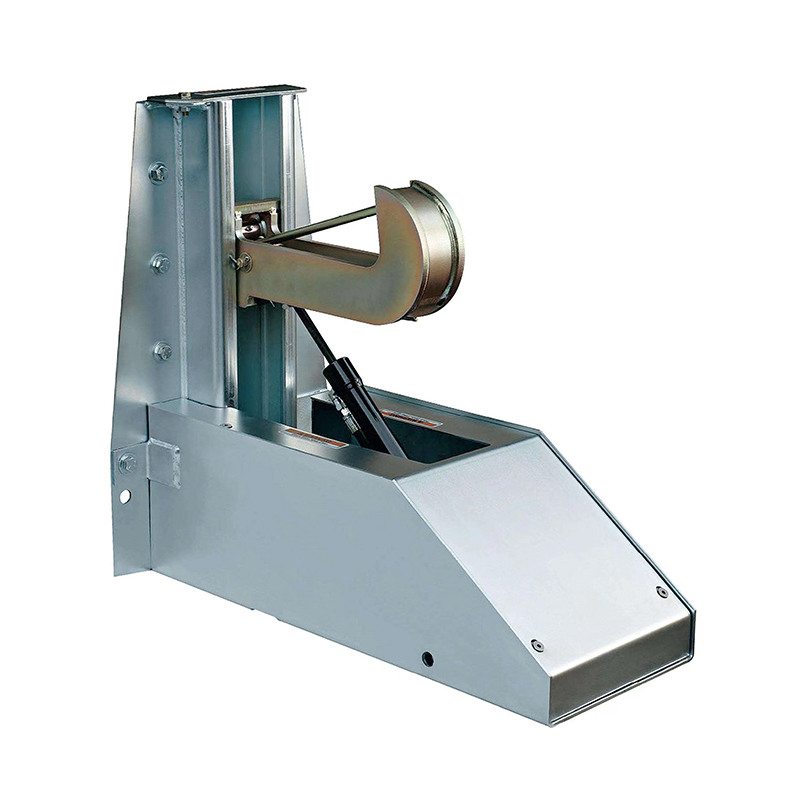
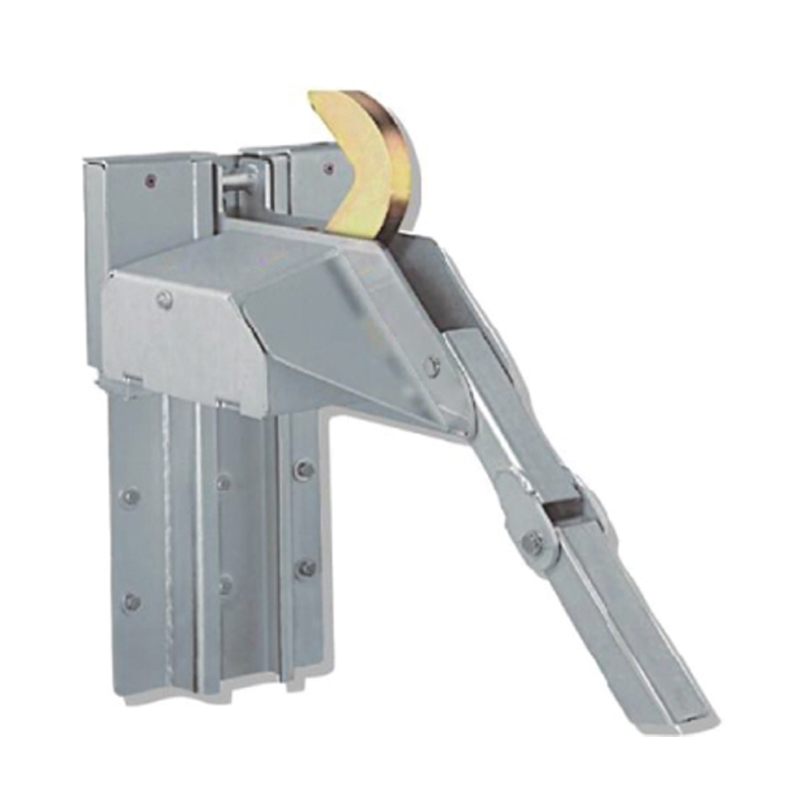
Vehicle restraints are mounted to the exterior dock face and physically engage the trailer's Rear Impact Guard (RIG) bar. The integration between the vehicle restraint and the Industrial Dock Leveler is achieved through an electrical interlock control panel — often called a dock communication or sequencing panel — that receives status signals from the restraint and gates the leveler's activation accordingly.
Interlock Logic and Control Sequence
The typical control sequence operates as follows:
- The trailer backs into the dock and the driver exits the cab.
- The dock attendant activates the vehicle restraint from the interior control panel.
- The restraint engages the RIG bar and sends a green "secured" signal to the control panel.
- Only after this confirmation signal is received does the Industrial Dock Leveler's activation button become live.
- The leveler deploys and the lip extends onto the trailer floor.
- Loading or unloading begins under controlled, secured conditions.
This interlock prevents dock workers from deploying the Industrial Dock Leveler onto an unsecured trailer — a critical safety measure. Conversely, when the work is complete, the system requires the leveler to return to the stored position before the restraint can be released, preventing premature trailer departure. As part of any thorough dock leveller maintenance program, technicians should verify that this interlock sequence triggers correctly and that signal feedback between the restraint and control panel is accurate and consistent.
Communication Signal Types
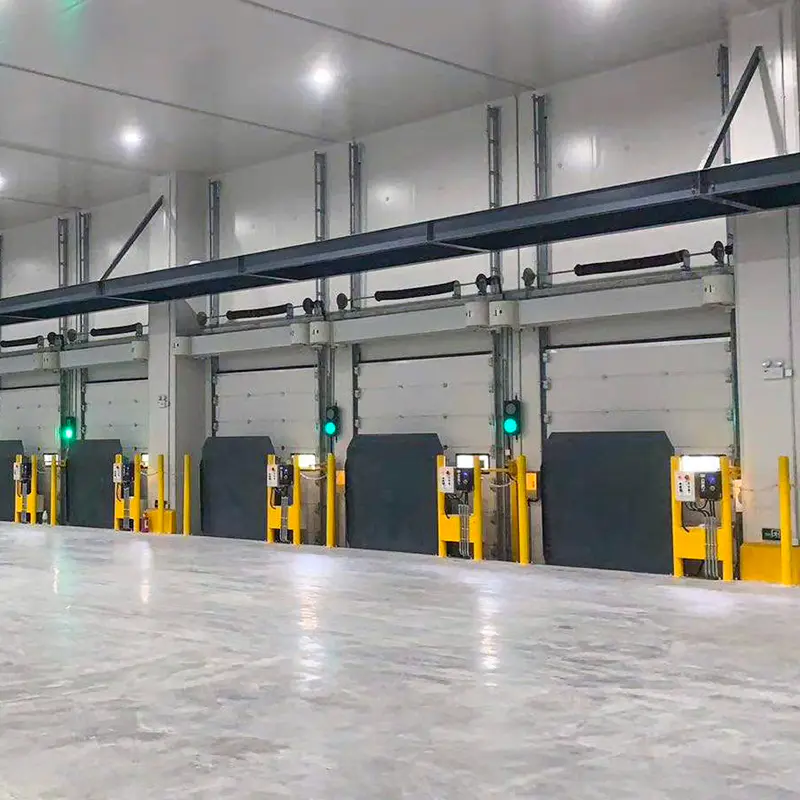
Modern integrated systems use either hardwired 24V DC signal lines or, increasingly, wireless or IoT-enabled communication modules that allow facility managers to monitor restraint and leveler status from a central dashboard. Interior and exterior light towers — typically red/green LED indicators — provide a visual status signal both to the dock attendant inside and the truck driver outside, reducing the risk of communication errors.
Comparing Vehicle Restraint Types Compatible with Industrial Dock Levelers
| Restraint Type | Engagement Method | Interlock Capability | Best For |
|---|---|---|---|
| RIG Hook Restraint | Hooks under RIG bar | Full electrical interlock | Standard trailers, high-traffic docks |
| Wheel Chock Restraint | Blocks rear wheels | Sensor-based interlock | Non-standard or low-clearance trailers |
| Automatic Powered Restraint | Motorized hook engagement | Full electrical + status feedback | Cold storage, high-volume facilities |
| Manual Bar Restraint | Manual pin or bar | Limited or no interlock | Low-budget or low-frequency docks |
How the Industrial Dock Leveler Integrates with Dock Seals
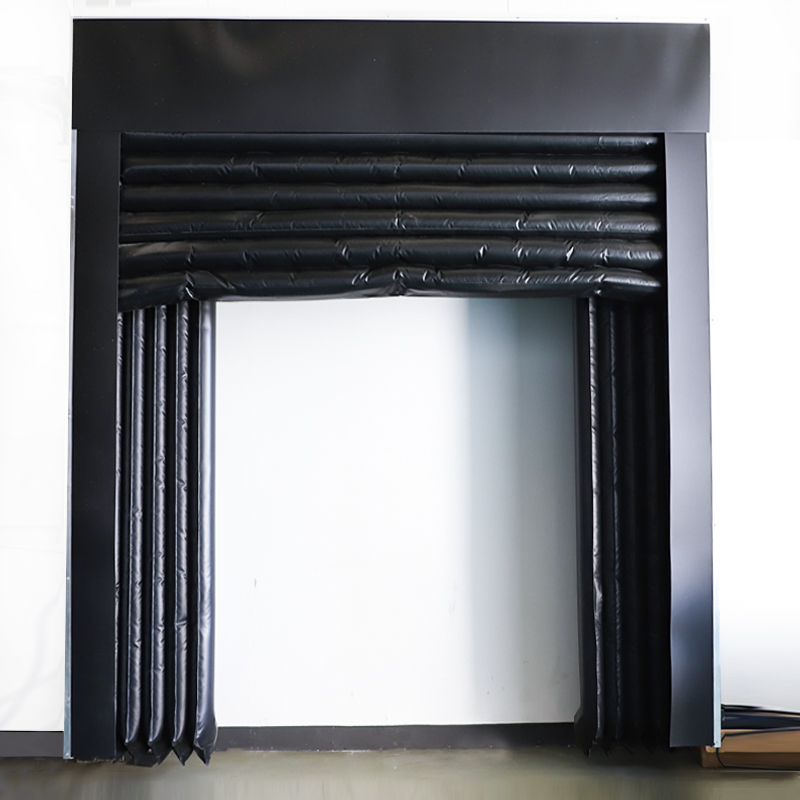
Unlike vehicle restraints — where the integration is primarily electronic and sequential — the integration between the Industrial Dock Leveler and dock seals is largely mechanical and physical. The goal is to ensure that when the leveler is deployed and the trailer is in position, the dock seal compresses uniformly around the trailer perimeter, eliminating gaps that allow air, moisture, pests, and temperature fluctuations to enter the facility.
Types of Dock Seals and Leveler Compatibility
There are three primary seal types used in conjunction with an Industrial Dock Leveler:
- Compression Seals: Foam pads mounted on the dock face that compress when the trailer backs in. These are the most common type and work effectively with most Industrial Dock Leveler configurations, provided the leveler's side panels or housing do not obstruct pad compression.
- Inflatable Seals: Air-bladder systems that inflate after the trailer is positioned, creating a tight envelope seal. These are often electronically integrated with the Industrial Dock Leveler's control panel, inflating only after the leveler has deployed — preventing seal damage from leveler movement.
- Shelter Seals (Dock Shelters): Frame-mounted curtains that drape over the trailer roof and sides. These are physically compatible with nearly all Industrial Dock Leveler types and do not typically require electronic integration.
Critical Dimensional Alignment Requirements
For the Industrial Dock Leveler and dock seal to function as an integrated system, the dock opening dimensions must be carefully coordinated during installation. The leveler's pit width and the seal's header height must account for the full range of trailer heights the dock will service — typically between 44 inches and 62 inches from ground level. If the seal's header is too low, it will be damaged by taller trailers; if too high, it will fail to seal against shorter ones. Many facilities use adjustable-header shelters specifically for this reason.
Additionally, the Industrial Dock Leveler's side housing must be flush with or recessed behind the dock face to prevent interference with the side pad compression. A protruding leveler housing can create a rigid contact point that prevents the seal from compressing fully against the trailer sidewall, leaving air gaps of 1–3 inches — enough to cause significant energy loss in temperature-controlled environments. Seal condition should be inspected as a standard item in every loading dock maintenance visit, as torn or compressed-out foam pads are one of the most common and easily overlooked sources of dock energy loss.
Energy Efficiency Gains from Proper Seal and Leveler Integration
The financial case for proper integration is compelling. Studies by the Door and Access Systems Manufacturers Association (DASMA) indicate that a poorly sealed loading dock can account for up to 40% of a refrigerated facility's total energy loss. When the Industrial Dock Leveler is properly sized and installed in coordination with a well-fitted dock seal, facilities report energy savings of 15–25% on dock-area HVAC costs annually.
In practice, a cold storage facility operating 20 active docks at an average energy cost of $8,000 per dock per year could save $24,000–$40,000 annually simply by ensuring correct leveler-seal dimensional alignment and seal condition. This makes proper integration not just a safety issue but a clear operational ROI driver.
Control Panel Design: The Hub of System Integration
The control panel is the nerve center where the Industrial Dock Leveler, vehicle restraint, dock seal (if inflatable), dock door, and safety lighting all connect. A well-designed integrated control panel enforces a mandatory operating sequence and provides status feedback at every stage. Key features to look for include:
- Hardwired interlock circuits that physically prevent out-of-sequence operation, independent of software.
- Fault indication LEDs that identify which component in the chain has failed or is not ready.
- Remote monitoring capability via Modbus, BACnet, or proprietary IoT protocols, enabling real-time status tracking across multiple docks.
- Emergency override functions with key-switch access for situations where manual intervention is required.
- Cycle counting and diagnostic logs that support predictive maintenance scheduling for the Industrial Dock Leveler and connected components — a feature that significantly streamlines ongoing dock leveller maintenance by flagging components before they reach failure thresholds.
Installation and Commissioning Considerations
Achieving true system integration requires coordination at the installation stage, not as an afterthought. Facility managers should ensure the following during commissioning of an Industrial Dock Leveler alongside safety systems:
- All components — leveler, restraint, seal, door, and lighting — are specified from a systems perspective, with verified electrical compatibility before ordering.
- Interlock wiring is installed by a qualified electrician following the manufacturer's wiring diagram, with documented testing of each interlock condition.
- The Industrial Dock Leveler's operational range is tested against the actual trailer heights serviced at the facility, not just the rated specification range.
- Dock seal compression is verified across the full leveler travel range to confirm no gap formation at extreme high or low trailer positions.
- Where the dock facility also serves pedestrian or accessibility traffic, wheelchair accessible doors must be positioned and clearly marked at a safe distance from the leveler pit area, with physical barriers or painted safety zones separating them from active dock operations.
- Staff receive formal training on the integrated control sequence, including emergency override procedures and fault response protocols.
When these steps are followed, an Industrial Dock Leveler integrated with vehicle restraints and dock seals delivers a measurably safer, more energy-efficient, and more operationally reliable loading dock — one that protects workers, preserves cargo integrity, and reduces long-term maintenance costs across the full system lifecycle. Committing to a structured loading dock maintenance and dock leveller maintenance schedule ensures that this integrated performance is sustained year after year, not just at the point of commissioning.
