
 English
 Español
 Tiếng Việt

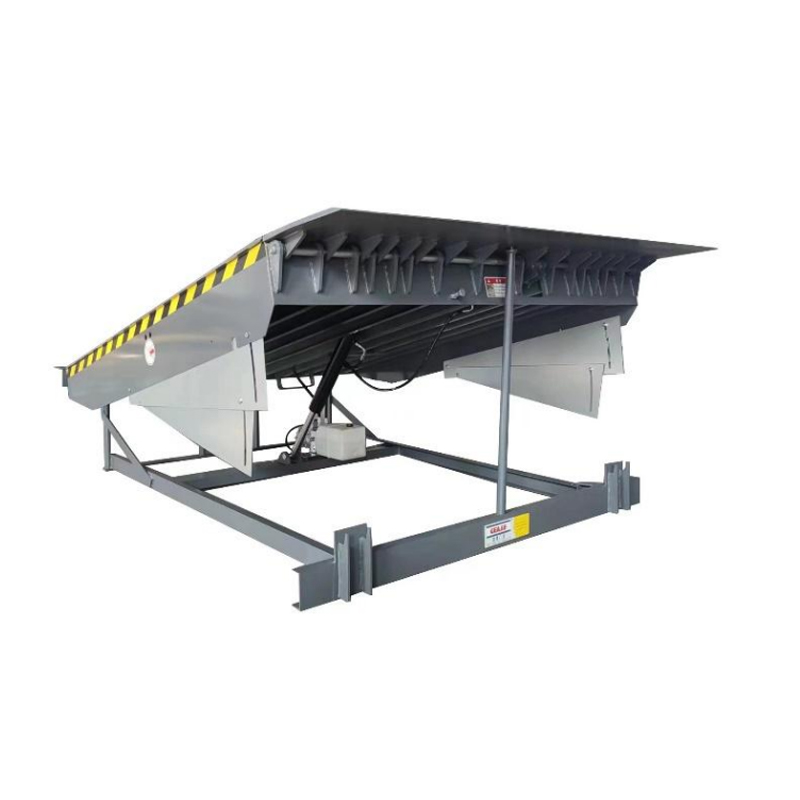
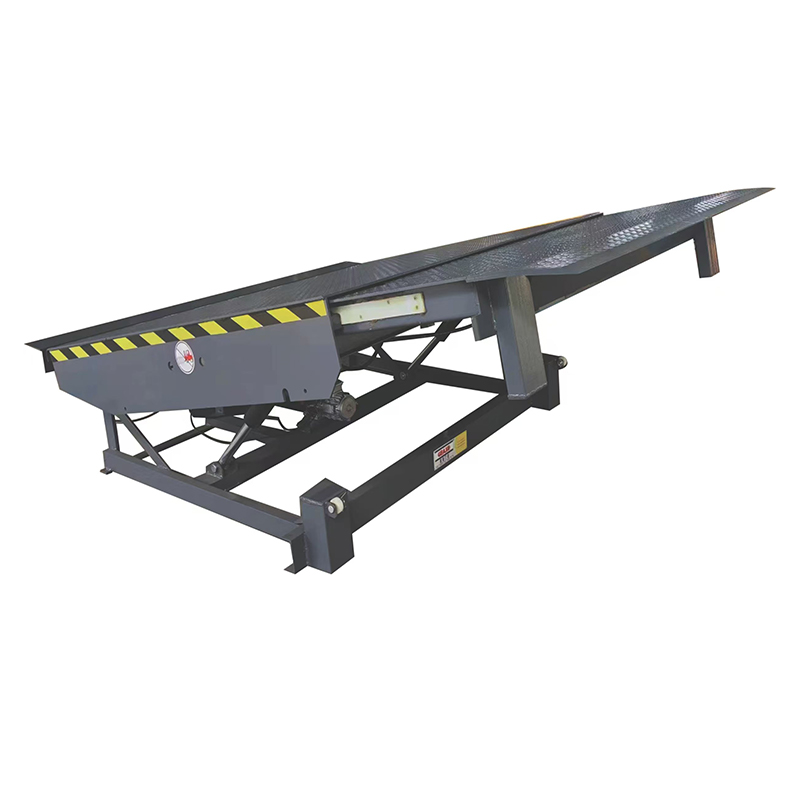
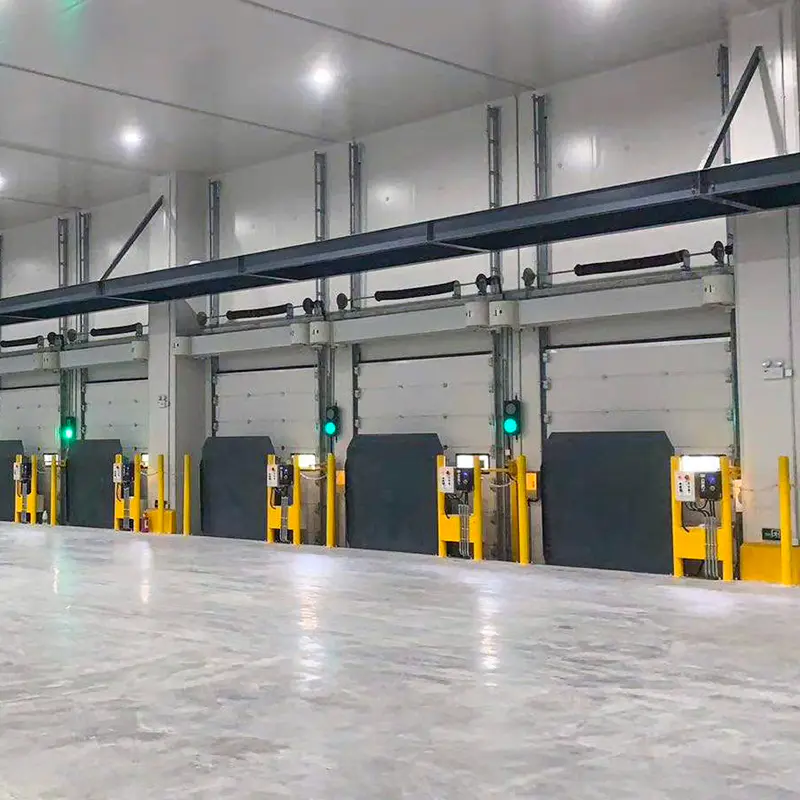
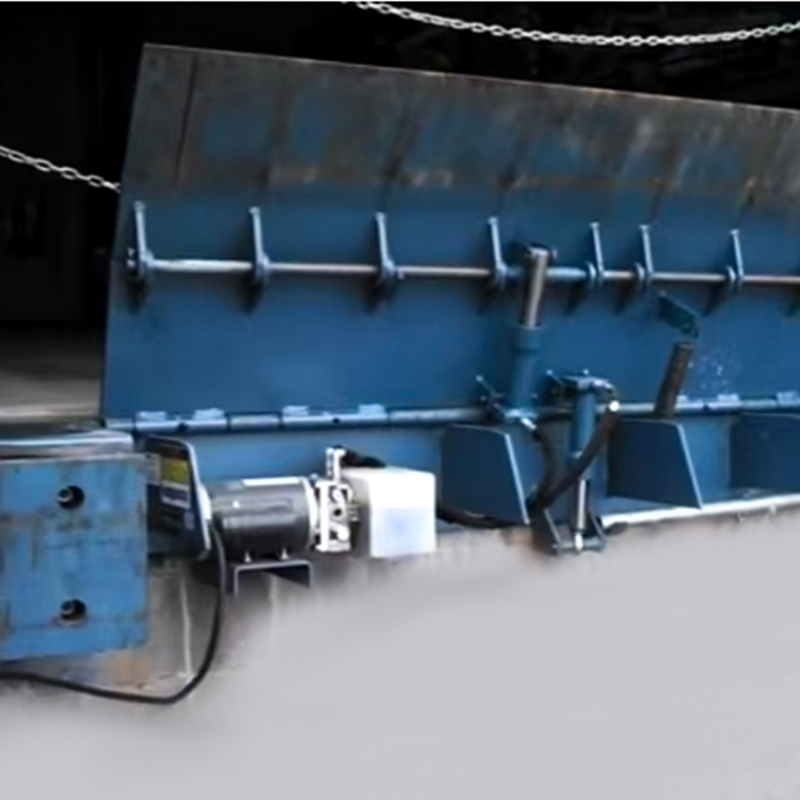
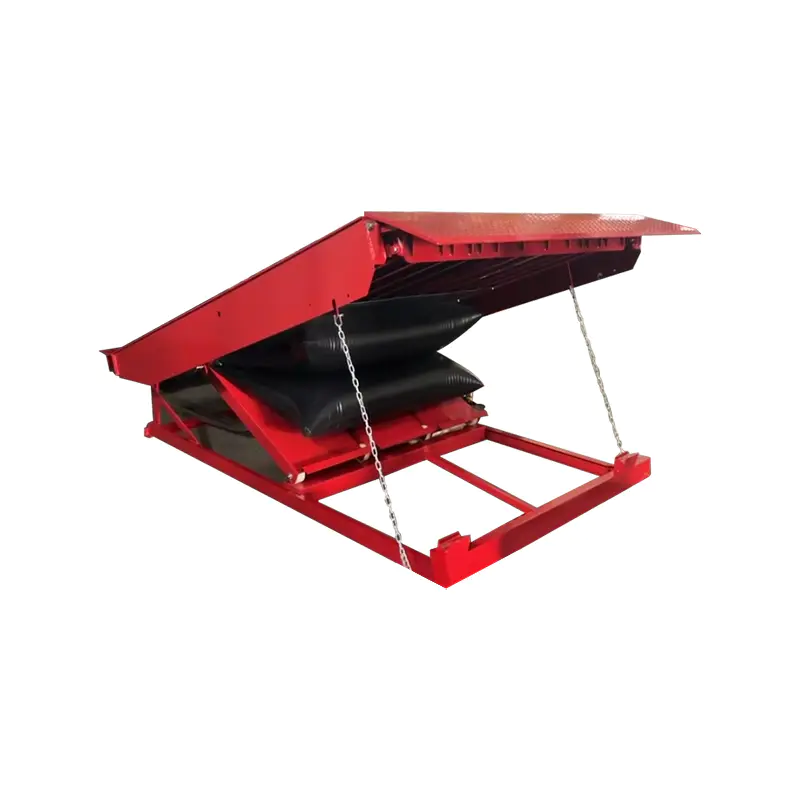
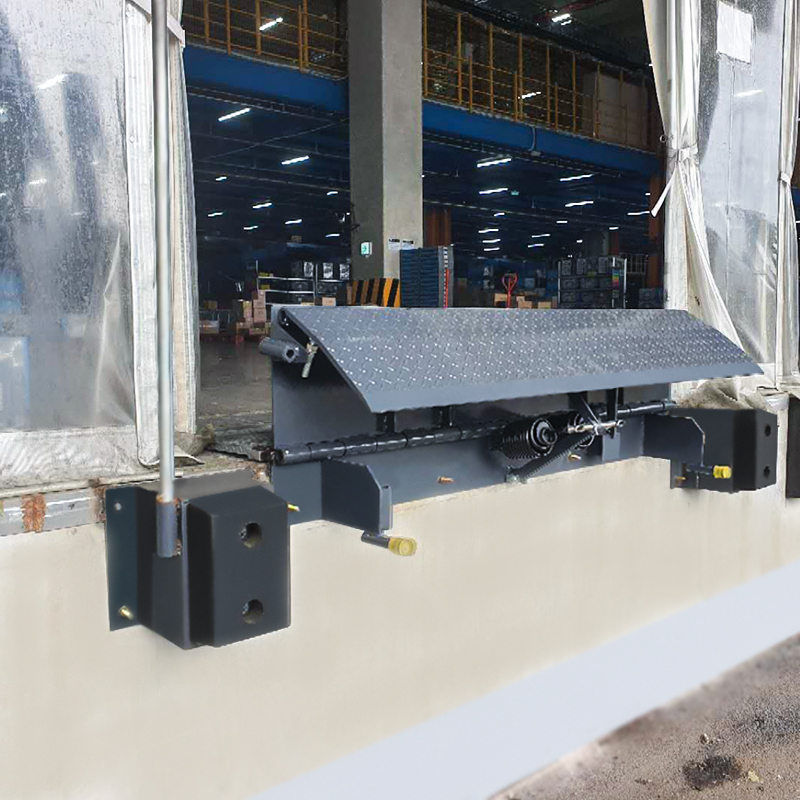
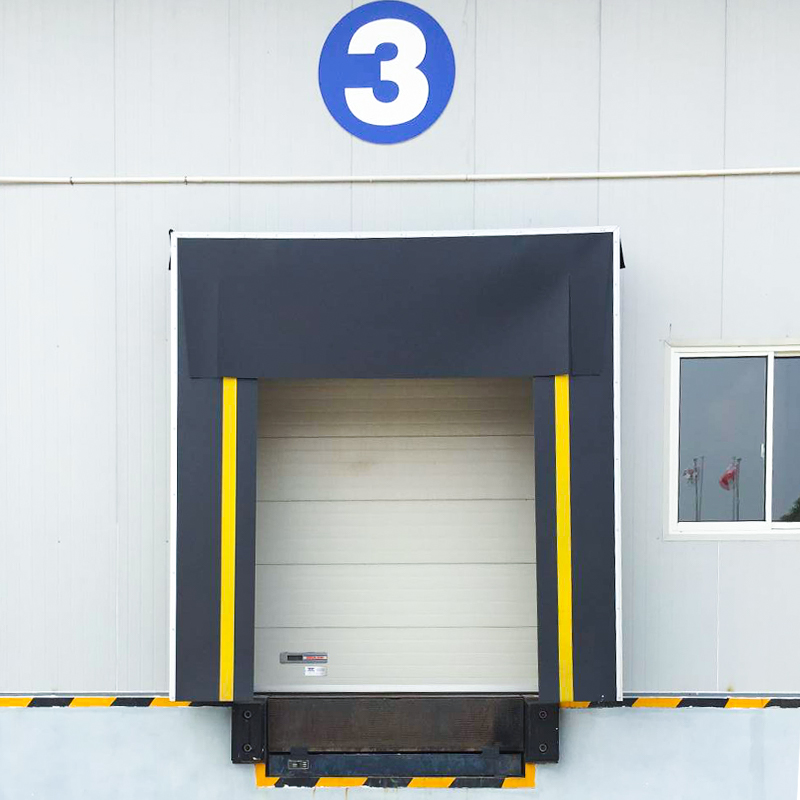
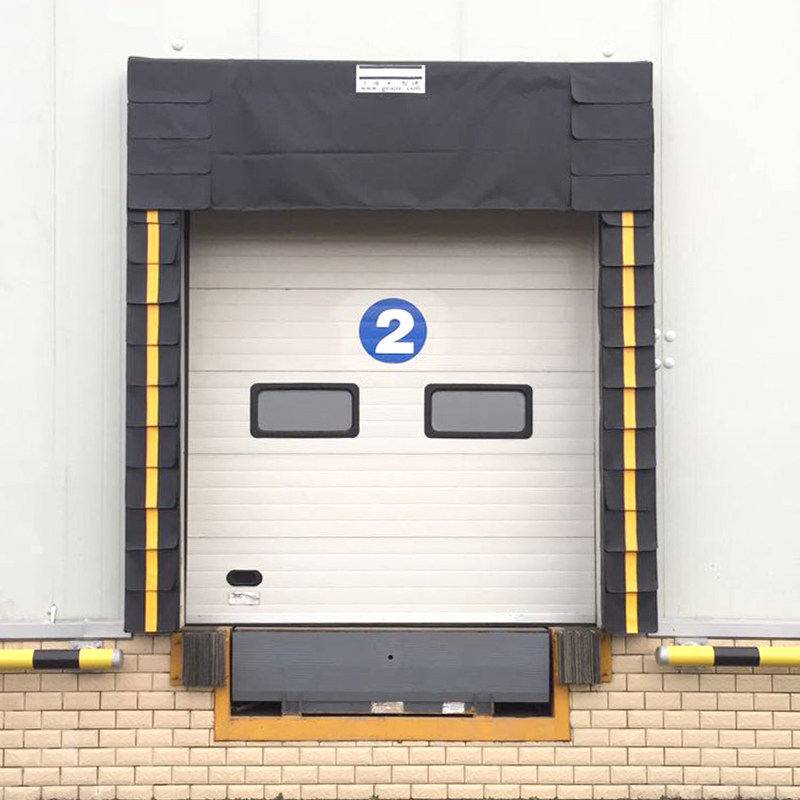
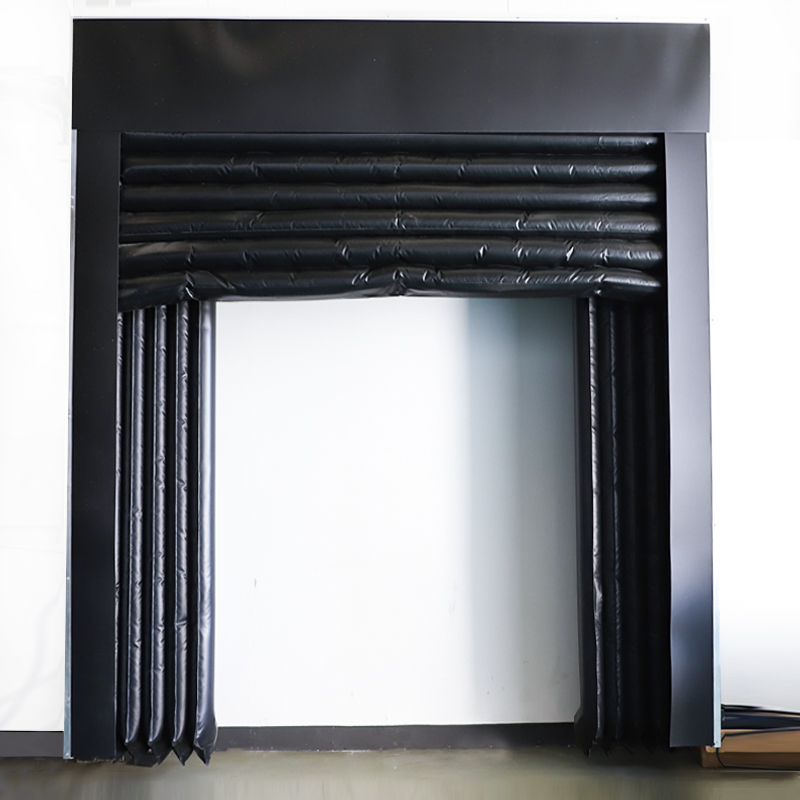
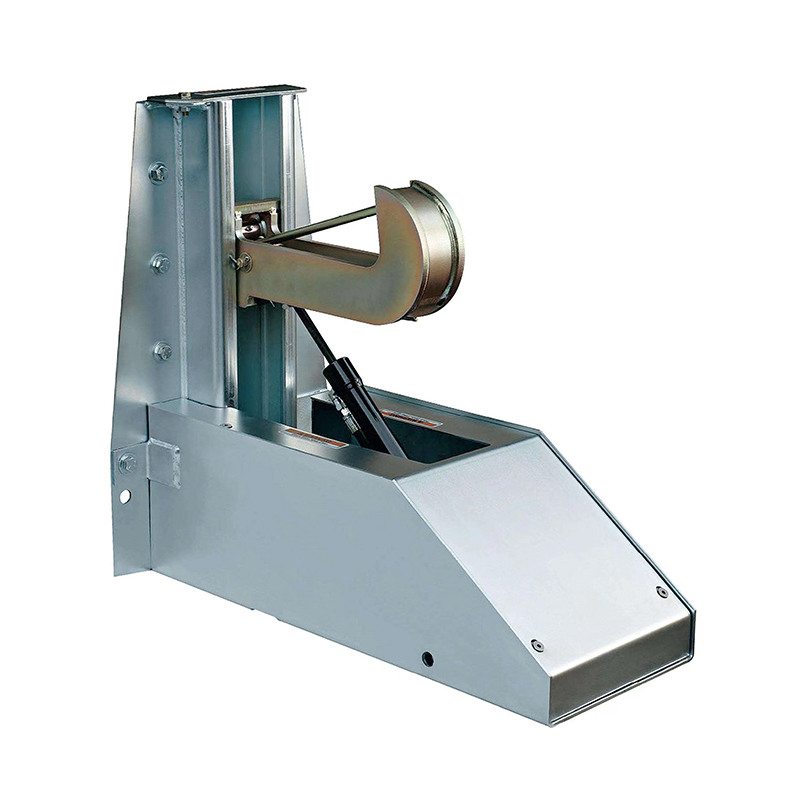
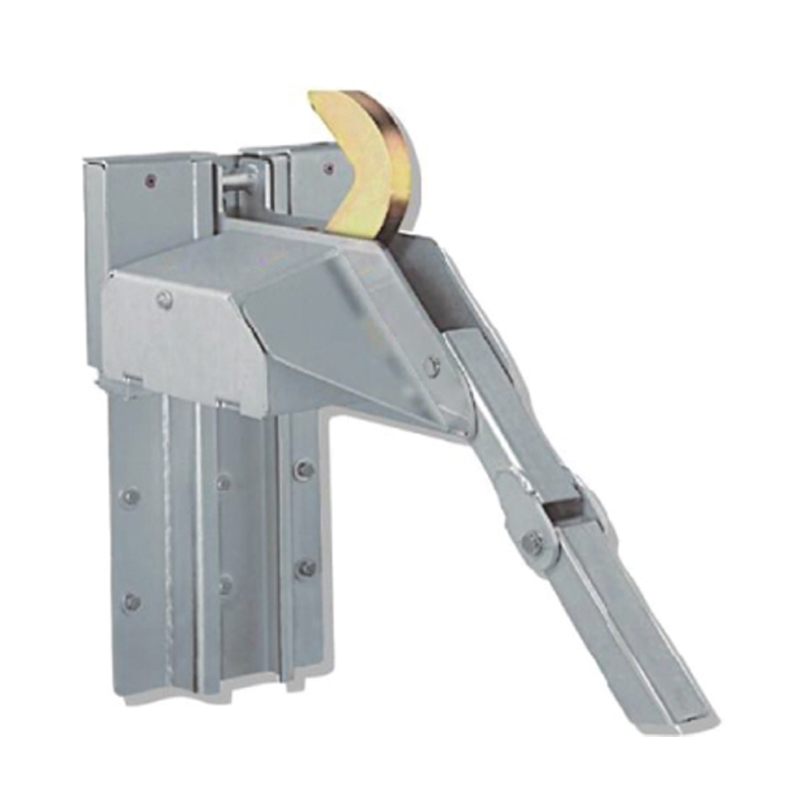
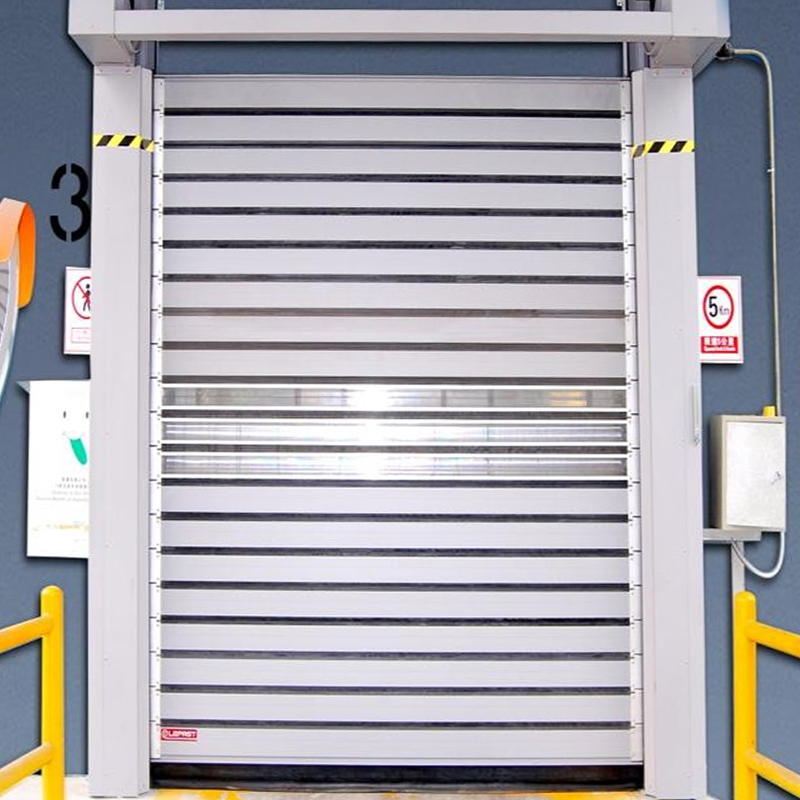
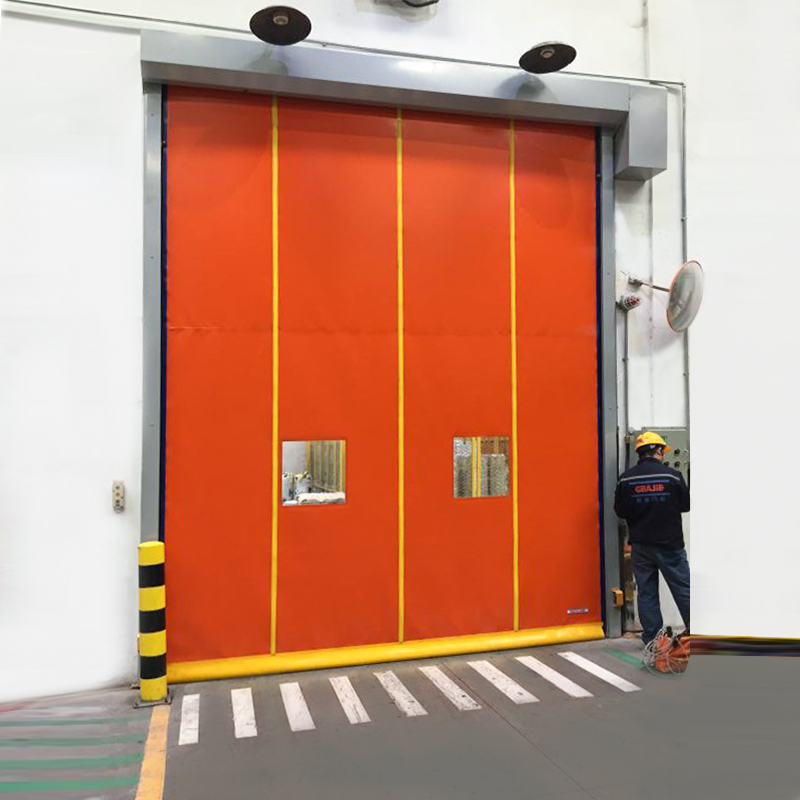
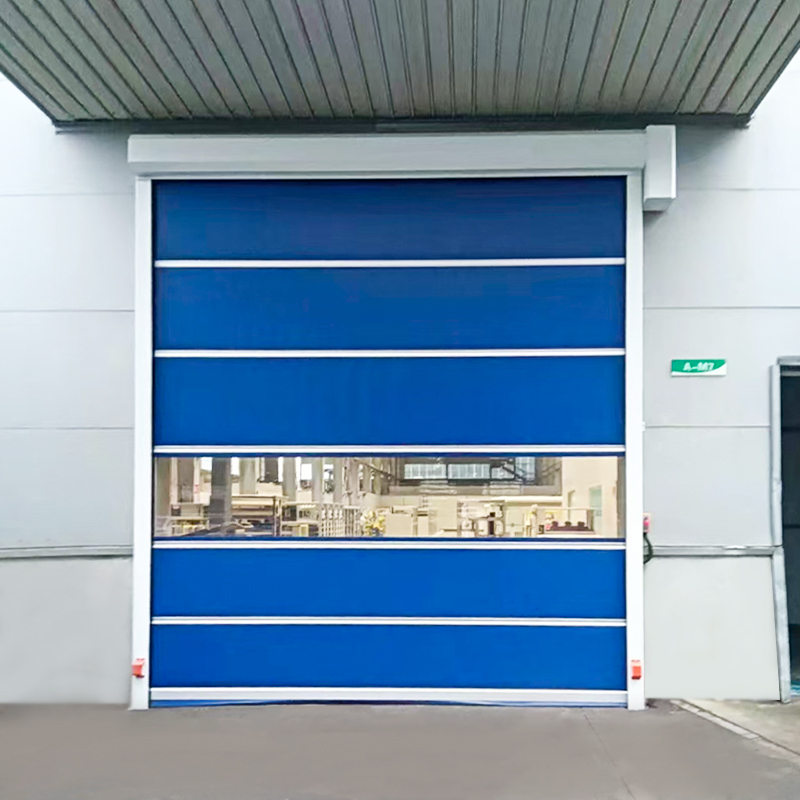
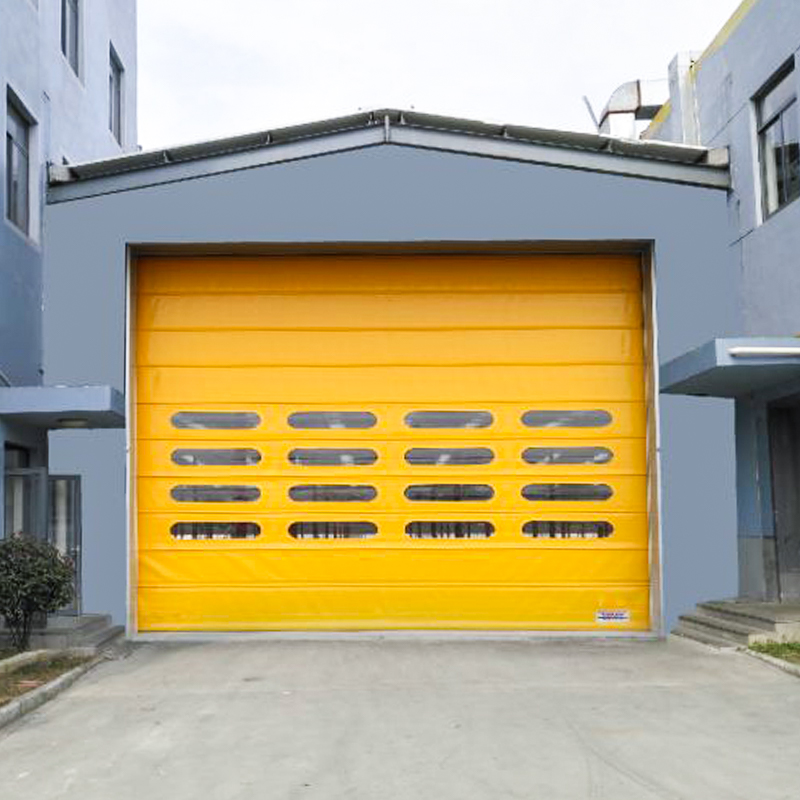
A hydraulic dock leveler looks like a piece of passive steel sunk into the loading bay. In daily o...
1. Prevents Unauthorized Access
The Industrial Vehicle Horizontal Hook Lock is designed to act as a physical barrier that prevents unauthorized access to cargo during transit. By securely locking containers, trailers, or load-bearing units to the industrial vehicle, it minimizes the opportunity for theft or tampering. The locking mechanism is engineered to be tamper-resistant, incorporating features such as locking pins, reinforced hooks, or complex engagement mechanisms that cannot be easily bypassed. This ensures that only authorized personnel with the correct tools or keys can unlock the system. In areas where cargo is vulnerable to theft or tampering, such as high-risk zones or at unloading docks, this lock provides an additional layer of security to protect valuable goods from being stolen or interfered with during transit.
2. Reduces the Risk of Load Shifting
One of the primary dangers during transportation is the shifting of cargo, which can cause damage to the goods themselves, impair vehicle stability, or even trigger accidents. The Horizontal Hook Lock ensures that the cargo is securely fastened to the vehicle’s frame or platform, reducing the risk of the load moving or shifting as the vehicle accelerates, brakes, or navigates turns. The lock mechanism ensures that the cargo remains stationary and properly aligned, particularly when traveling over rough or uneven terrain. Without a secure locking mechanism, even a slight shift in weight distribution could destabilize the load, causing uneven pressure on certain parts of the vehicle and potentially leading to dangerous handling issues or accidents.
3. Enhanced Stability for the Vehicle and Cargo
By firmly locking the cargo to the vehicle, the Industrial Vehicle Horizontal Hook Lock improves the overall stability of the transport setup. This is particularly important when vehicles are carrying large, heavy, or bulky loads. When the cargo is properly secured, the entire system—both the vehicle and its load—remains balanced. This is crucial in preventing vehicle sway, tilting, or shifting, which could lead to loss of control or an increased risk of rollovers in extreme driving conditions, such as during sharp turns or sudden stops. Additionally, the lock helps distribute the weight of the cargo evenly, ensuring that dynamic forces (e.g., acceleration, braking) do not cause the vehicle to become unbalanced. This enhanced stability contributes to safer, more efficient transportation, reducing the likelihood of accidents and improving vehicle handling.
4. Increases Compliance with Safety Regulations
The Horizontal Hook Lock contributes to compliance with various regulatory standards governing cargo securement, ensuring that the cargo meets the necessary safety requirements set by governmental agencies such as the Federal Motor Carrier Safety Administration (FMCSA), European Union Regulations (EU), and ISO Standards. Regulatory bodies impose strict rules for securing cargo to ensure that it does not pose a risk to public safety, and failure to comply can result in fines, penalties, or even legal action in the event of an accident. By using a locking mechanism that meets or exceeds these standards, companies demonstrate their commitment to safe transportation practices, reduce legal risks, and avoid the costs associated with non-compliance.
5. Protects Against Environmental Conditions
The Industrial Vehicle Horizontal Hook Lock is typically designed to withstand a range of environmental factors, ensuring that it functions reliably even in harsh conditions. These conditions might include exposure to rain, snow, high humidity, saltwater, or extreme temperatures. The lock is often made from corrosion-resistant materials such as stainless steel or coated alloys, which prevent rust and degradation over time. In coastal areas or industries dealing with chemicals, the lock's resistance to corrosion ensures it maintains its locking integrity even after prolonged exposure to corrosive elements. Additionally, the locking mechanism may be weatherproofed to prevent the buildup of dirt, dust, or moisture, ensuring smooth operation regardless of external conditions. This ensures that cargo remains secure even in challenging or unpredictable weather conditions, providing peace of mind for both the operator and the cargo owner.
6. Prevents Accidental Release
The Horizontal Hook Lock is designed with a fail-safe mechanism that ensures accidental release is highly unlikely. In order to disengage the lock, an operator must follow a precise, intentional sequence, often involving the use of a key or tool to unlock or release the mechanism. This deliberate action prevents the possibility of the lock coming undone due to vibration, wind, or other external forces. In the absence of such a system, there is a higher risk of the cargo unintentionally becoming unsecured, which could result in spilled loads or damage to both the cargo and the vehicle. The use of a secure locking system significantly lowers the risk of accidental cargo release, especially during abrupt stops or when driving through rough conditions.
