
 English
 Español
 Tiếng Việt

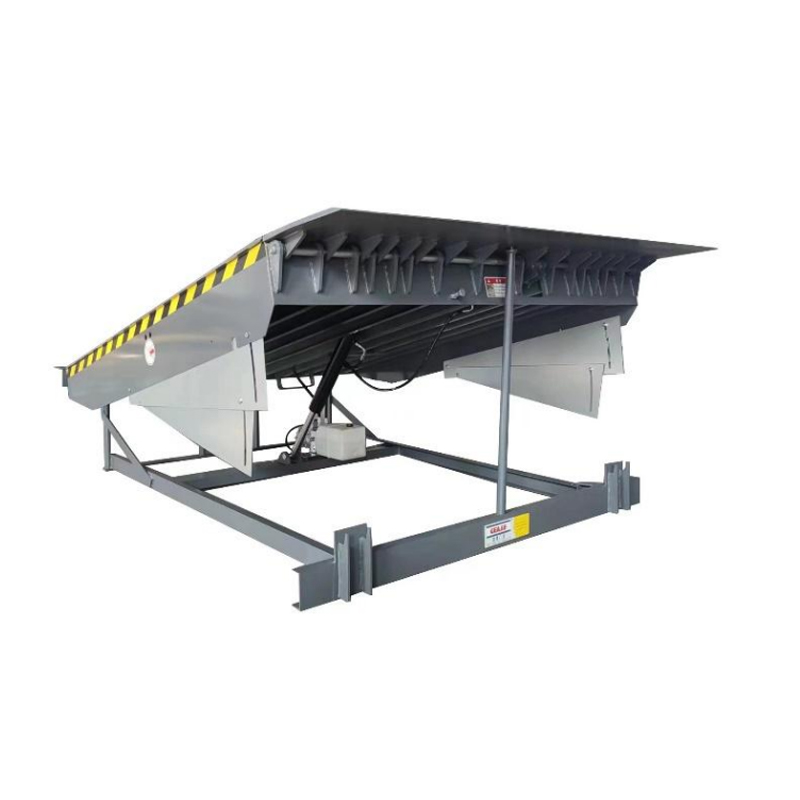
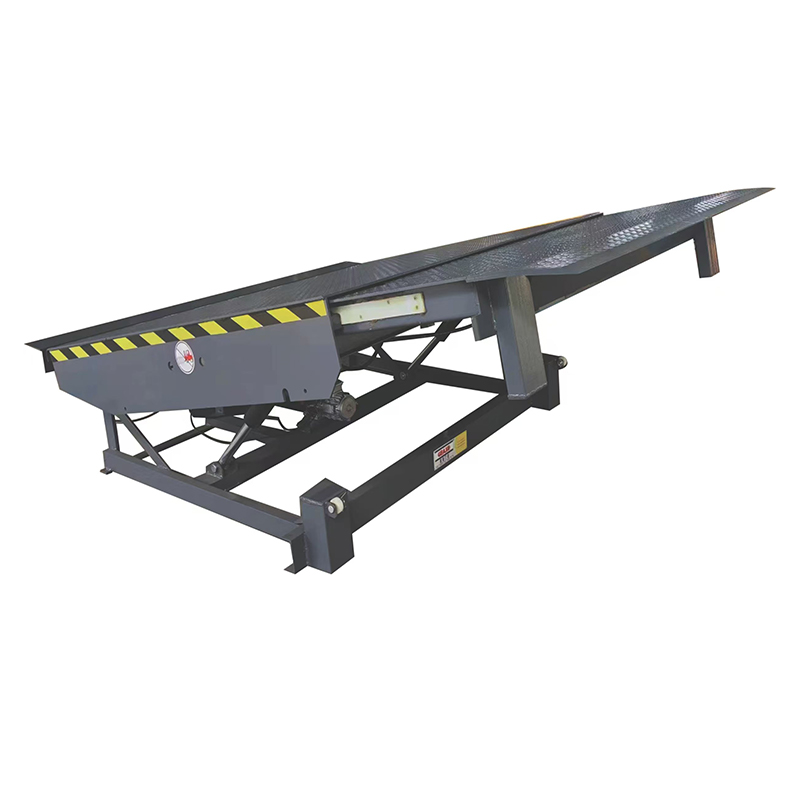
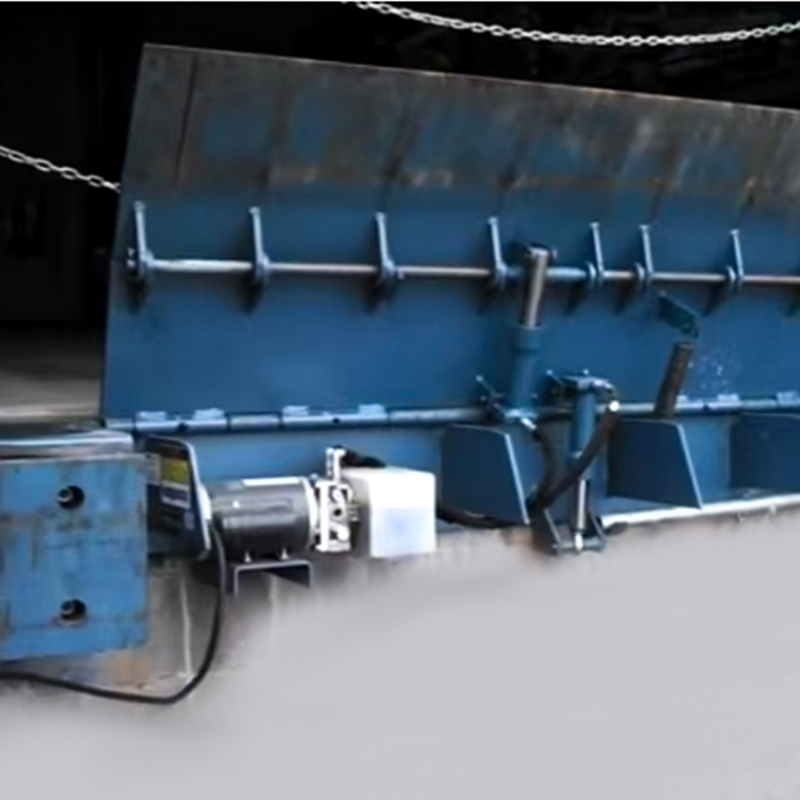
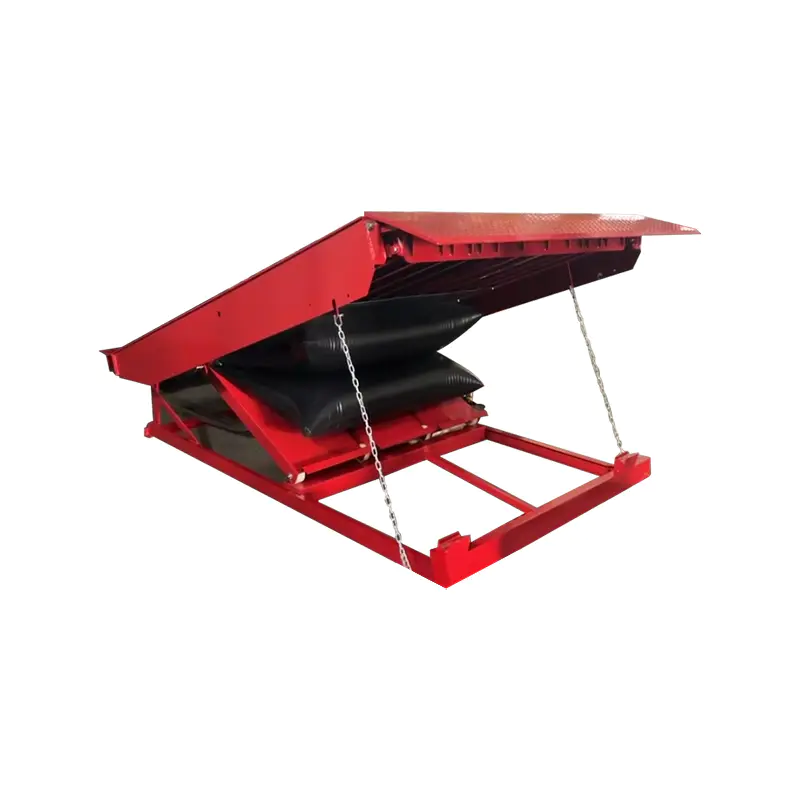
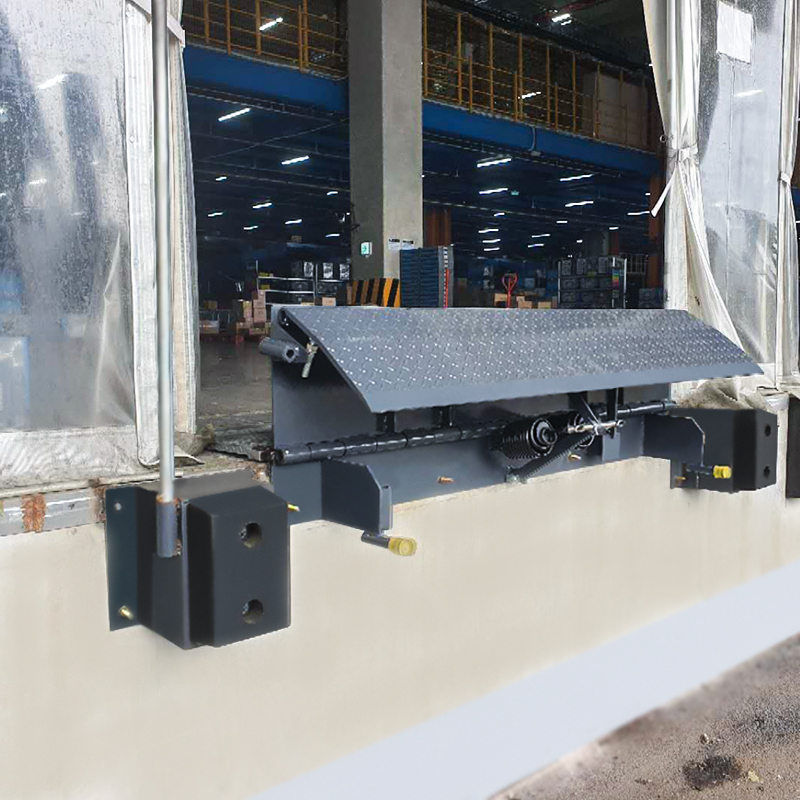
Truck Dock Leveler: A Complete Buying Guide with Load Ratings and Safety Tips A practical field gu...
Heavy-Duty Components and Materials
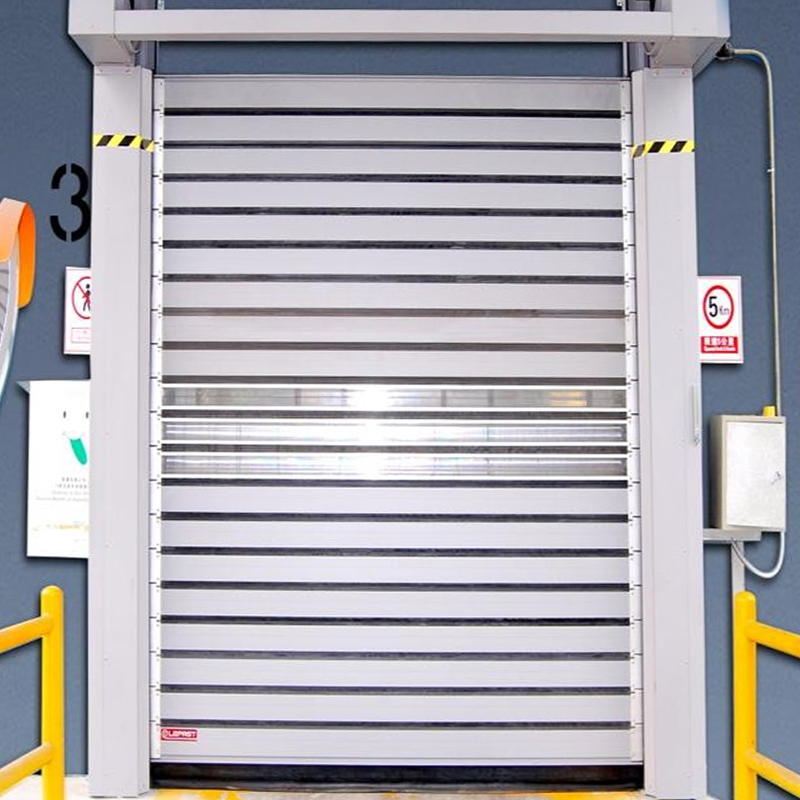
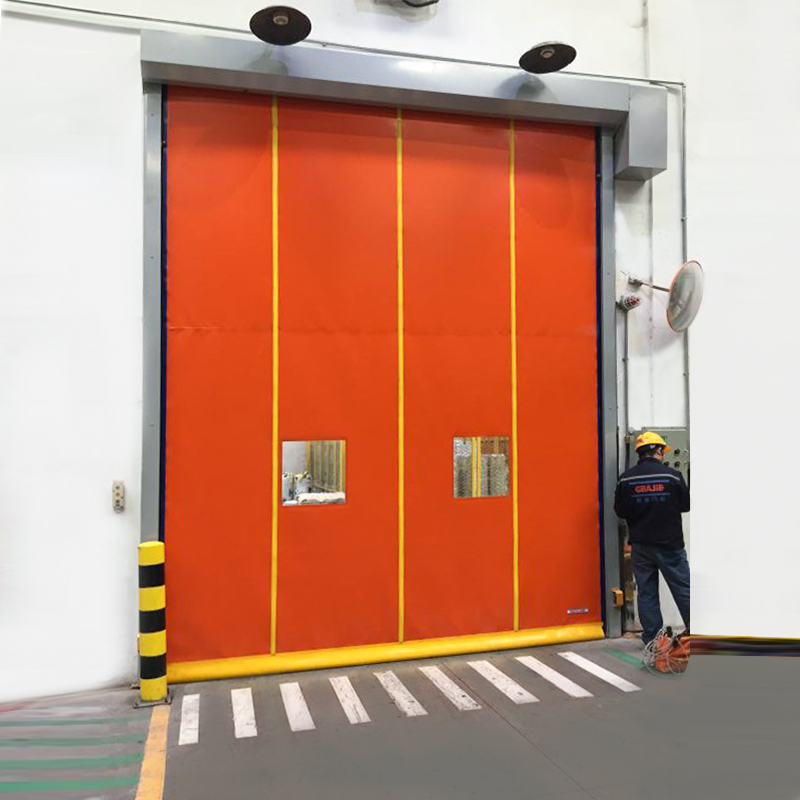
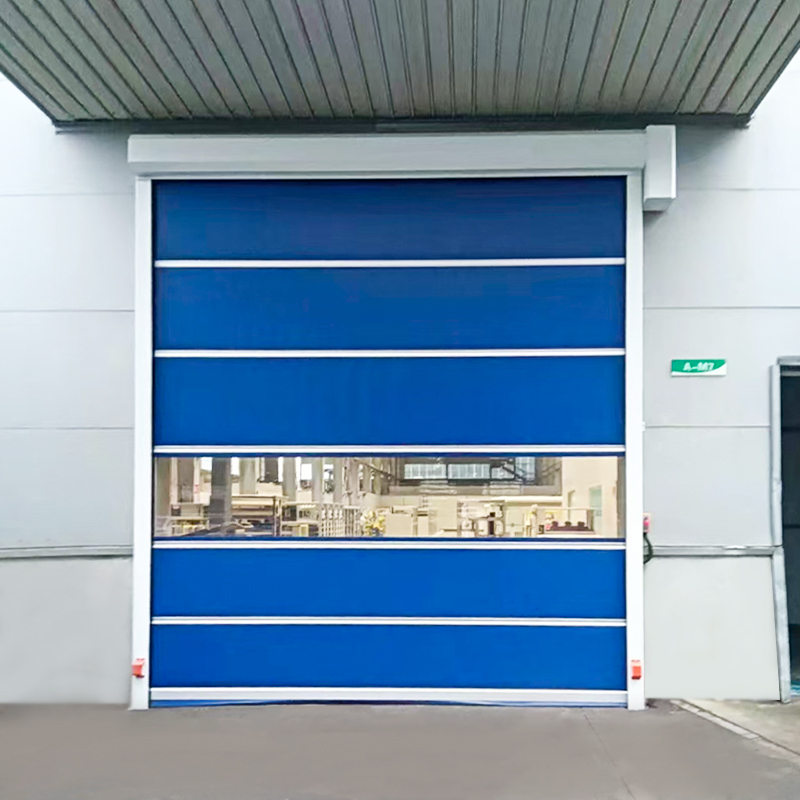
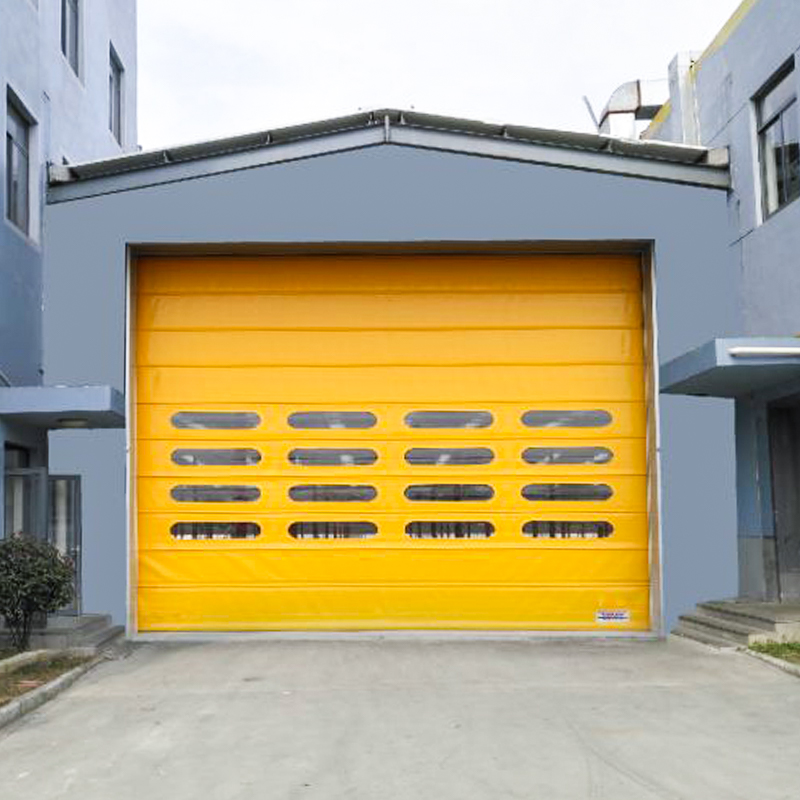
The Industrial Fast Speed Door is constructed using high-strength materials designed to withstand the rigorous demands of industrial environments. Key structural elements such as the door panels, motor housing, guides, and rollers are made from galvanized steel, stainless steel, aluminum alloys, or reinforced PVC. These materials are chosen for their durability, impact resistance, and corrosion resistance. The door’s outer shell is often treated with anti-corrosive coatings or powder coatings to ensure long-term performance in harsh environments, such as those with exposure to moisture, chemicals, or extreme weather conditions. Additionally, reinforced fabrics or high-density synthetic materials are used in some models to enhance flexibility while providing strength and resistance to wear, ensuring that the door can handle repeated stress from opening and closing cycles without deterioration. This combination of materials ensures that the Industrial Fast Speed Door can withstand not only the mechanical stresses of continuous operation but also environmental challenges.
Advanced Motor and Drive Systems
The motor and drive system of the Industrial Fast Speed Door are the heart of its fast operation and continuous performance. These systems typically utilize high-torque AC motors or direct-drive motors, both of which are known for their ability to deliver consistent, powerful performance even under high-frequency use. The motor is engineered to provide rapid opening and closing, typically ranging from 1 meter per second (m/s) to 3 m/s, depending on the specific application. This enables the door to handle heavy traffic in environments like warehouses or logistics hubs, where frequent door cycles are required.
The motor is coupled with sophisticated drive mechanisms, such as gear reducers or variable frequency drives (VFD), which allow for smooth acceleration and deceleration, reducing the mechanical strain on the components. These systems ensure that the door operates at the optimal speed while maintaining stability and efficiency. Soft start and stop technology is often integrated to avoid abrupt movements, reducing the wear and tear on both the motor and the door’s mechanical components. This results in enhanced longevity and smoother operation, even under constant usage.
Intelligent Control Systems
Modern Industrial Fast Speed Doors are equipped with intelligent control systems that optimize the door’s performance, even under continuous operation. These systems use advanced sensors, PLC-based controllers, and real-time diagnostics to continuously monitor the door’s operation. The control system can adjust operational parameters based on conditions such as door speed, ambient temperature, and any load imbalances that might occur during operation.
For instance, load sensors integrated into the system can detect if the door is experiencing resistance or difficulty in opening and closing, and the system can adjust the motor power or speed accordingly to prevent overheating or damage. If the door experiences any form of jamming, the control system will automatically shut down the operation to avoid damaging the motor or other components, triggering a diagnostic alert for maintenance. These real-time adjustments and diagnostic features ensure that the Industrial Fast Speed Door operates continuously without compromising safety, speed, or performance.
Quality Seals and Insulation
In industrial applications, particularly those in temperature-sensitive environments like cold storage facilities or clean rooms, maintaining thermal efficiency is essential. The Industrial Fast Speed Door incorporates high-quality seals around the doorframe and at the bottom edge to prevent heat loss, moisture ingress, and contamination. The seals used in these doors are made from EPDM rubber, polyurethane, or other weather-resistant materials designed to remain flexible and effective over a wide range of temperatures.
These seals help prevent air leakage, making the door more energy-efficient and ensuring a consistent internal environment in facilities that require tight temperature or humidity control. In addition, the insulated door panels help reduce energy consumption by minimizing heat transfer, thus lowering operational costs in environments that require constant temperature maintenance. This energy-efficient design supports the door’s continuous performance, even in challenging operating environments.
Regular Lubrication and Maintenance-Free Components
To maintain peak performance and extend the lifespan of an Industrial Fast Speed Door, lubrication is critical. However, many modern fast speed doors are designed to minimize maintenance requirements. Some models come equipped with self-lubricating systems, which automatically lubricate key moving parts like rollers, guides, and bearings, reducing friction and preventing wear. This not only reduces the frequency of maintenance tasks but also ensures that the door operates smoothly and quietly, even under continuous use.
Many of these doors use maintenance-free components, such as sealed bearings and self-aligning rollers, which require minimal upkeep and are designed to last for the lifetime of the door. These design choices reduce downtime and the need for frequent service calls, making the door more reliable and cost-effective in the long run.
