
 English
 Español
 Tiếng Việt

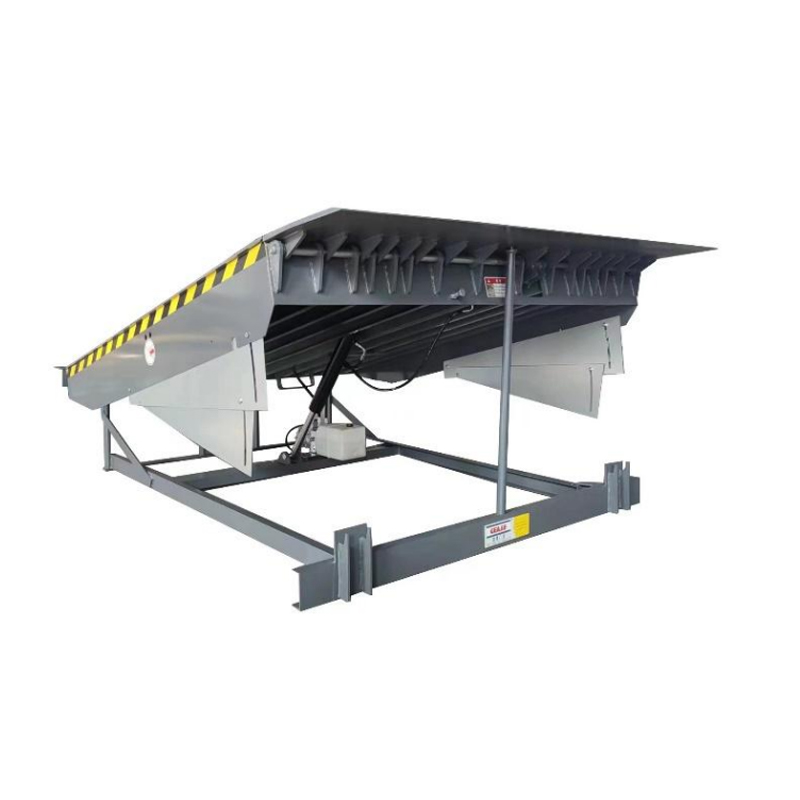
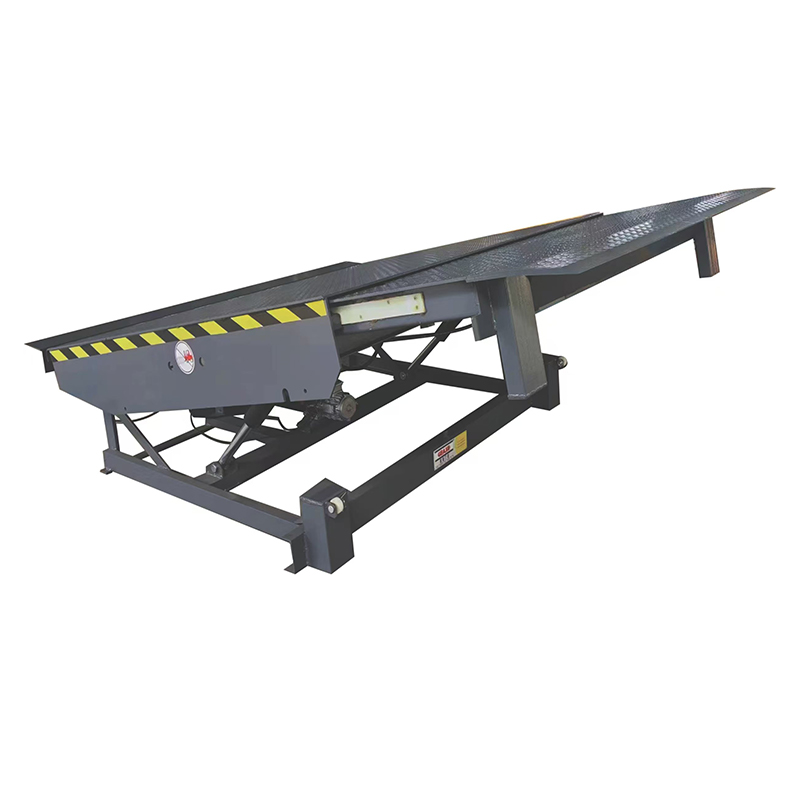
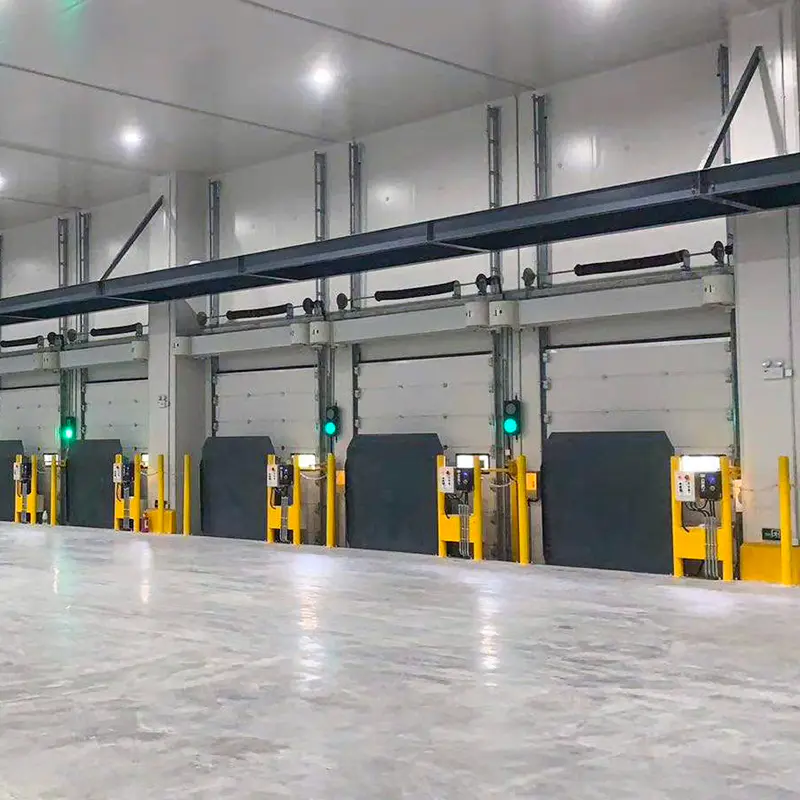
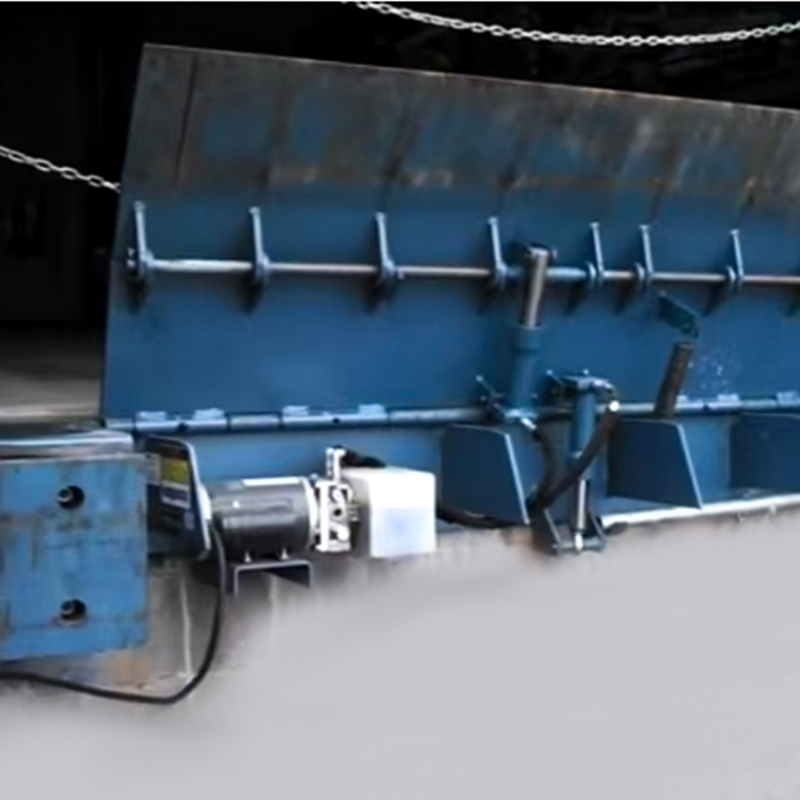
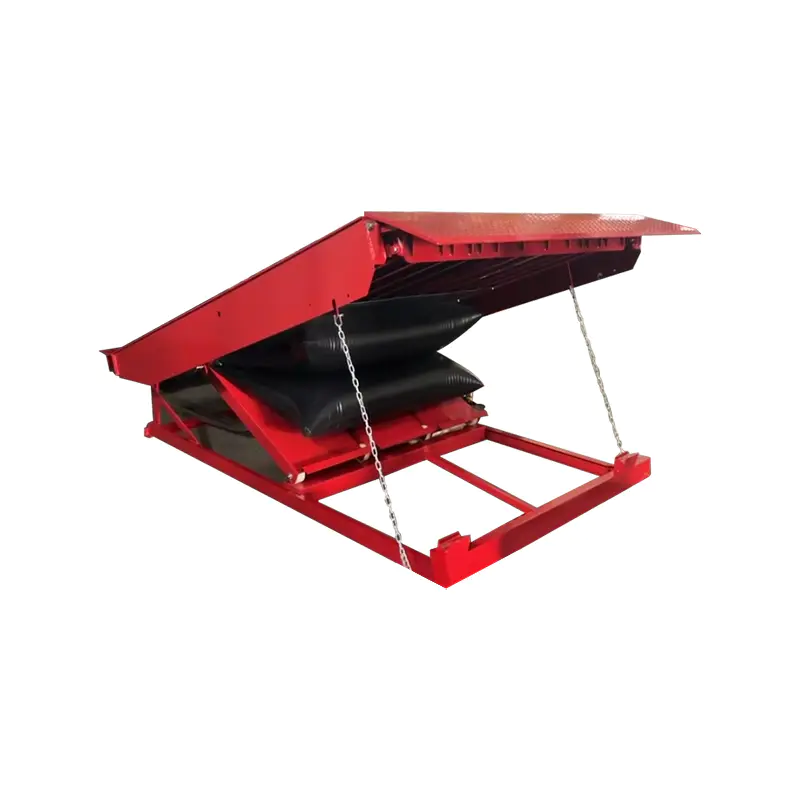
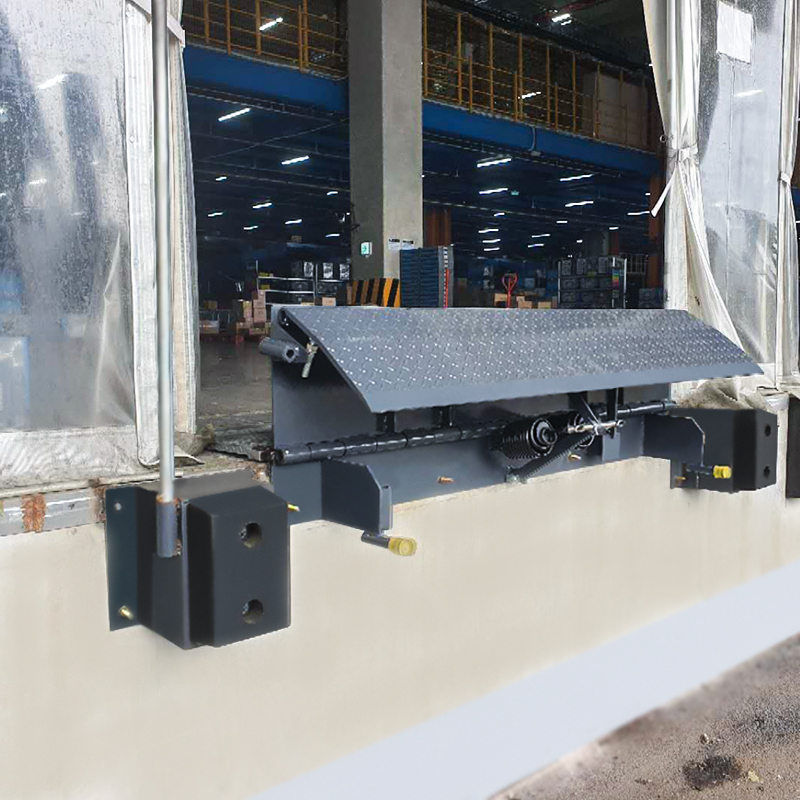
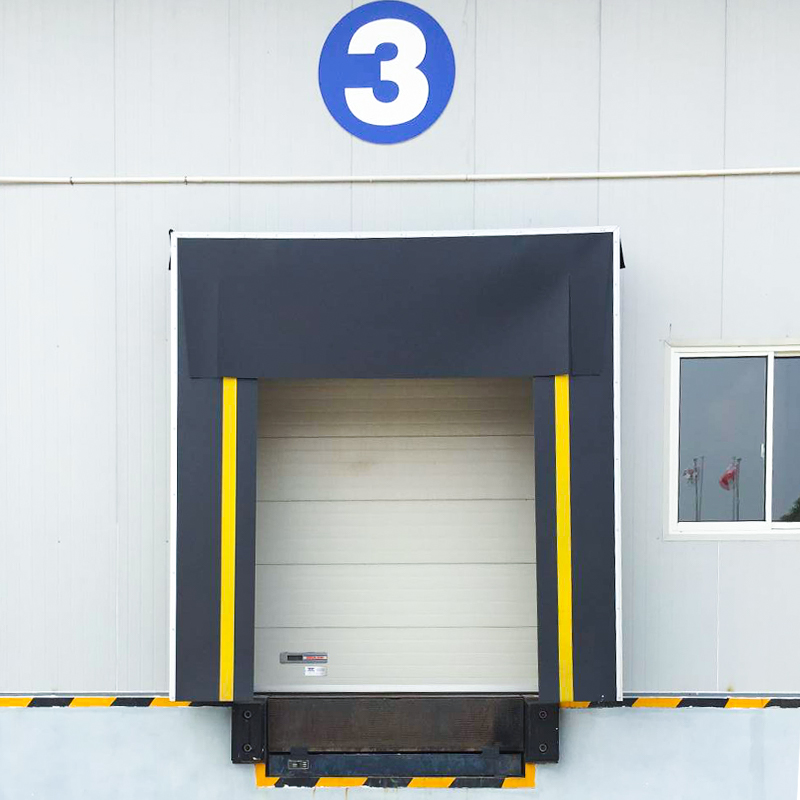
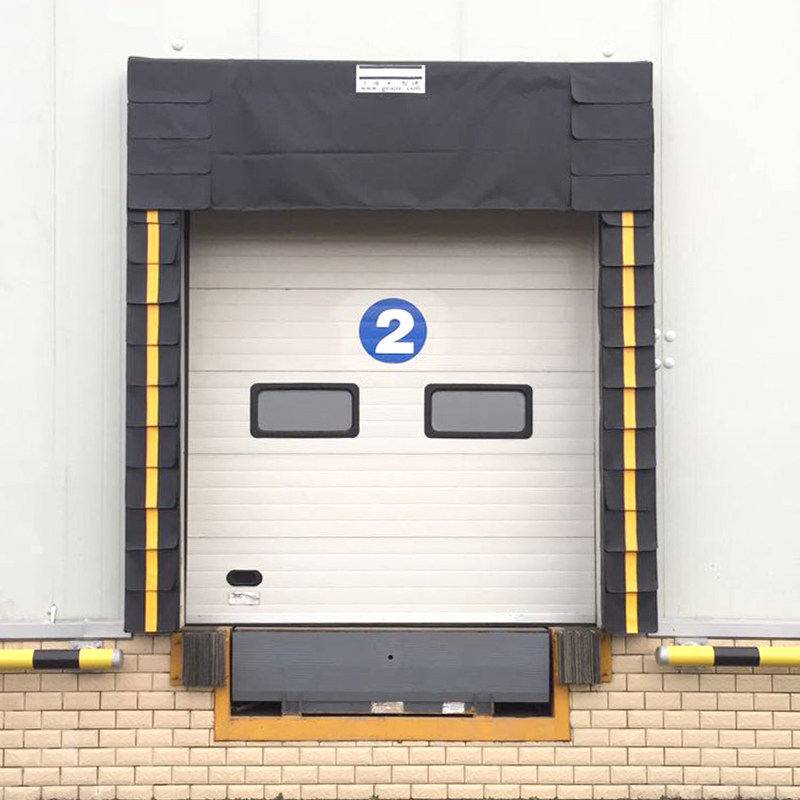
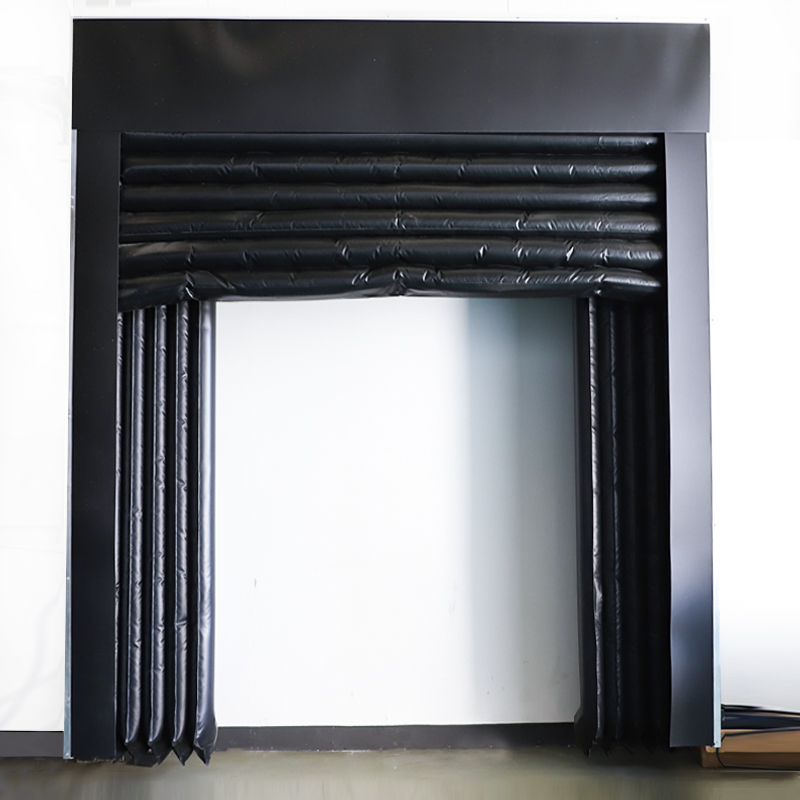
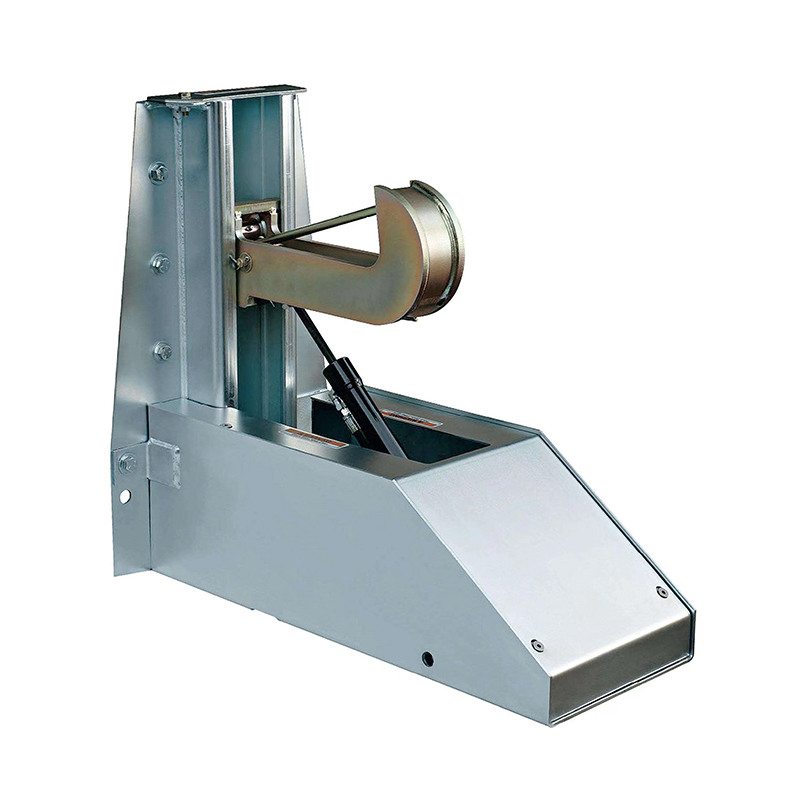
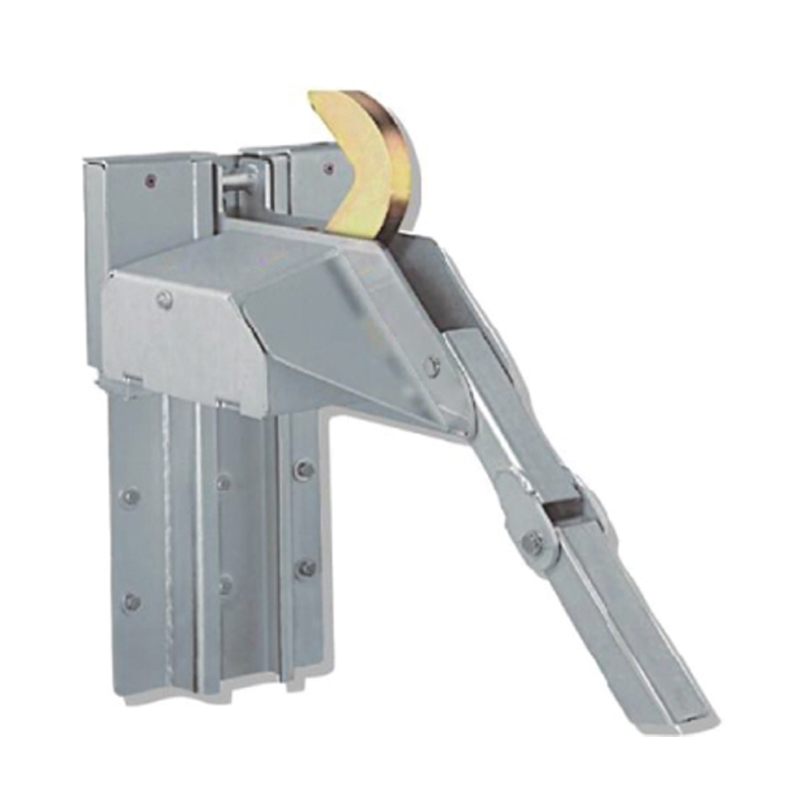
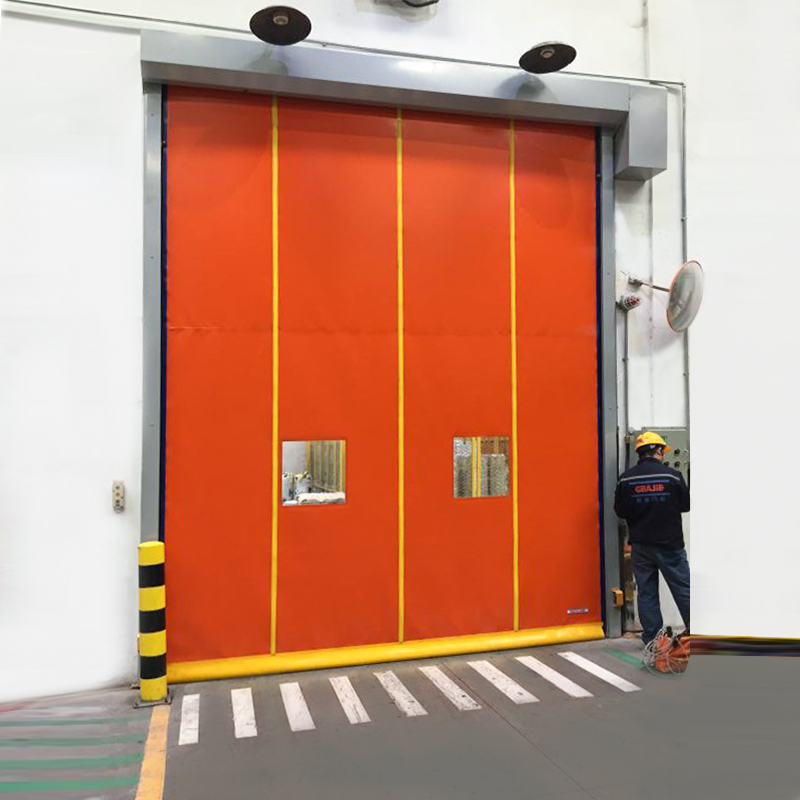
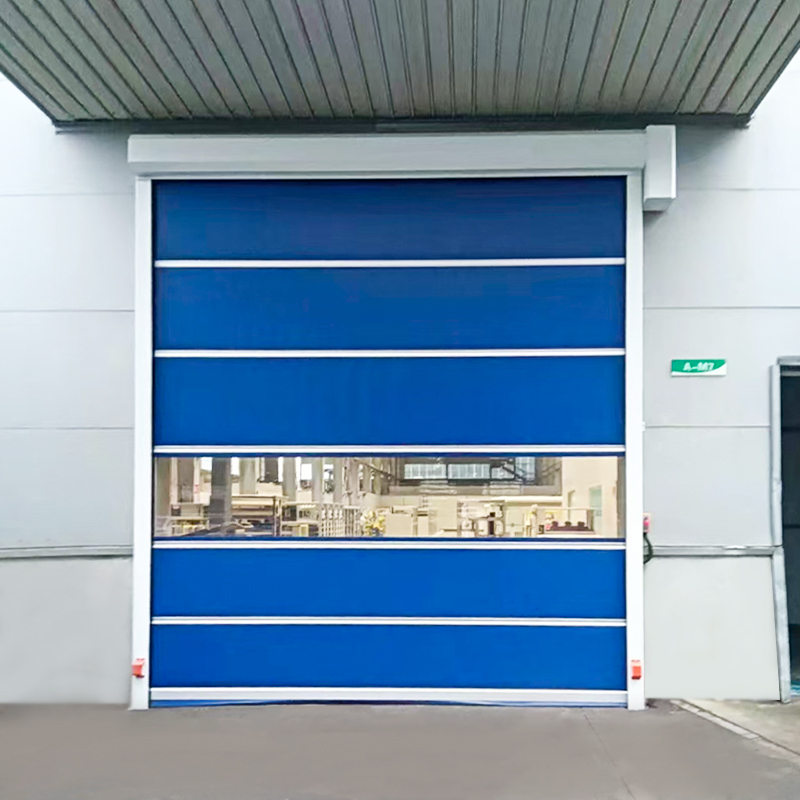
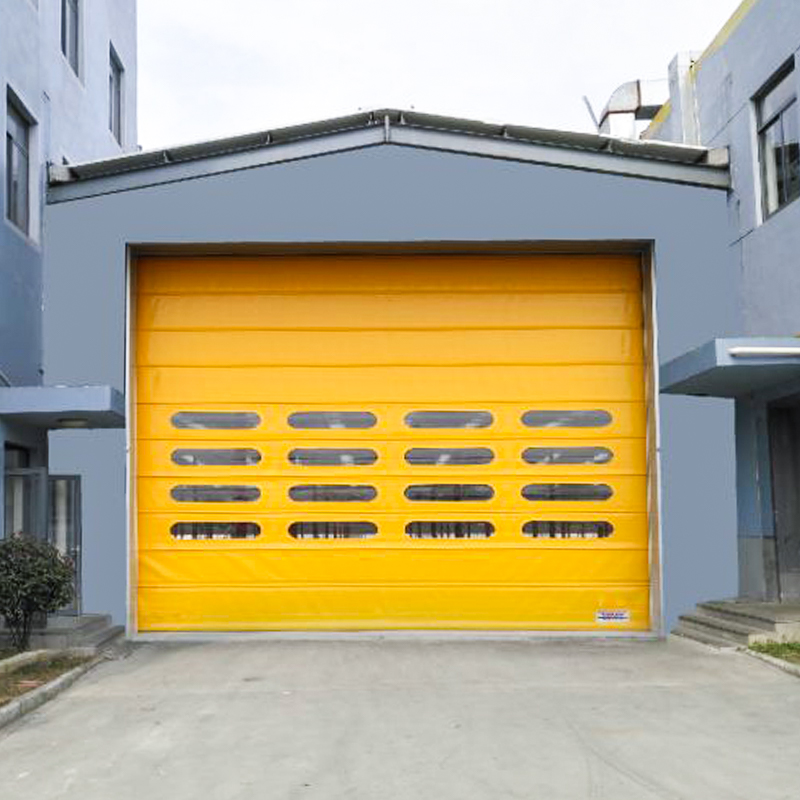
A hydraulic dock leveler looks like a piece of passive steel sunk into the loading bay. In daily o...
-
Electric Motor Drives: Industrial Sectional Doors are equipped with high-torque electric motors, available in AC or DC variants, designed to handle the weight and frequent operation of large panels. Motors may include gear reduction systems for controlled and smooth movement, enabling precise opening and closing speeds. These motor drives are often rated for high duty cycles to withstand industrial usage patterns, which may involve hundreds of cycles per day in logistics, warehouse, or manufacturing facilities. Variable-speed motor options provide smooth acceleration and deceleration, minimizing stress on the door panels, hinges, and tracks, and reducing maintenance requirements over time.
-
Remote Control Systems: Modern Industrial Sectional Doors can be operated via wireless or wired remote controls, allowing operators to open or close doors from a safe distance. Remote systems may include single-channel or multi-channel transmitters, providing control for multiple doors or access points within a facility. Advanced remotes often feature rolling-code encryption to prevent interference or unauthorized operation. Remote control operation improves efficiency in fast-paced industrial environments, allowing forklifts, delivery trucks, or personnel to operate doors without leaving vehicles or workstations.
-
Sensor Integration: Safety and automation are enhanced through sensor-based systems integrated into the door’s operation. Typical sensors include photoelectric beams, motion detectors, and pressure-sensitive edges that detect obstacles or personnel in the door’s path. These sensors can automatically stop or reverse door movement to prevent accidents, ensuring compliance with industrial safety standards such as EN 12453. Some sensors also monitor door position, speed, and torque, providing real-time feedback to motor controllers to optimize performance and prevent mechanical overloading.
-
Industrial Control System Integration: For automated facilities, Industrial Sectional Doors can be integrated with PLC (Programmable Logic Controller) systems or Building Management Systems (BMS), allowing centralized monitoring and control. Integration supports automated opening and closing based on schedules, logistics workflows, or safety interlocks, such as linking door operation with conveyor systems, forklift traffic signals, or fire alarm systems. Some doors support communication protocols like Modbus, Profibus, or Ethernet/IP, enabling real-time diagnostics, status reporting, and predictive maintenance analytics.
-
Access Control and Interlocks: Motorized Industrial Sectional Doors can be combined with keypads, RFID card readers, or biometric scanners, providing controlled access to restricted areas. Interlock systems can ensure that multiple doors do not open simultaneously, preventing energy loss or security breaches. Integration with fire and smoke alarm systems enables automatic door operation or shutdown during emergency situations, enhancing workplace safety and compliance with regulatory standards.
-
High-Speed and Energy-Efficient Variants: Some Industrial Sectional Doors offer high-speed motorization, allowing rapid opening and closing cycles to reduce energy loss in climate-controlled environments. Motor systems may include soft-start and soft-stop functionality, reducing mechanical wear and preventing abrupt movements that could damage door panels or compromise safety. Energy-efficient motors with regenerative braking options can capture and reuse energy, lowering operational costs in large facilities with frequent door cycles.
-
Redundancy and Backup Systems: For critical industrial operations, motorized doors can include backup power systems, such as battery-operated or UPS (Uninterruptible Power Supply) units, ensuring continued operation during power outages. Manual override mechanisms are also standard, allowing doors to be operated safely in emergencies when motor or control systems are unavailable. These features are particularly important in facilities handling sensitive products, high-value inventory, or emergency access points.
-
Monitoring and Maintenance Features: Advanced motorized doors are equipped with diagnostic interfaces for predictive maintenance. The system can monitor motor current, operational cycles, temperature, and mechanical wear, sending alerts when maintenance is required. Integration with industrial automation systems allows maintenance teams to schedule service proactively, reducing downtime and extending the operational life of the door and its motorization system.
