
 English
 Español
 Tiếng Việt

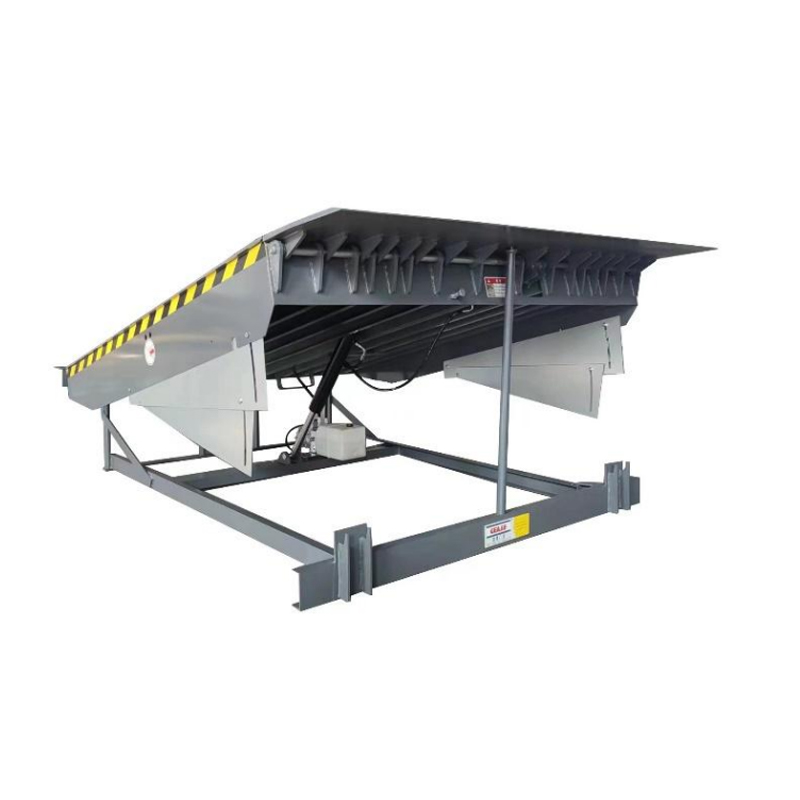
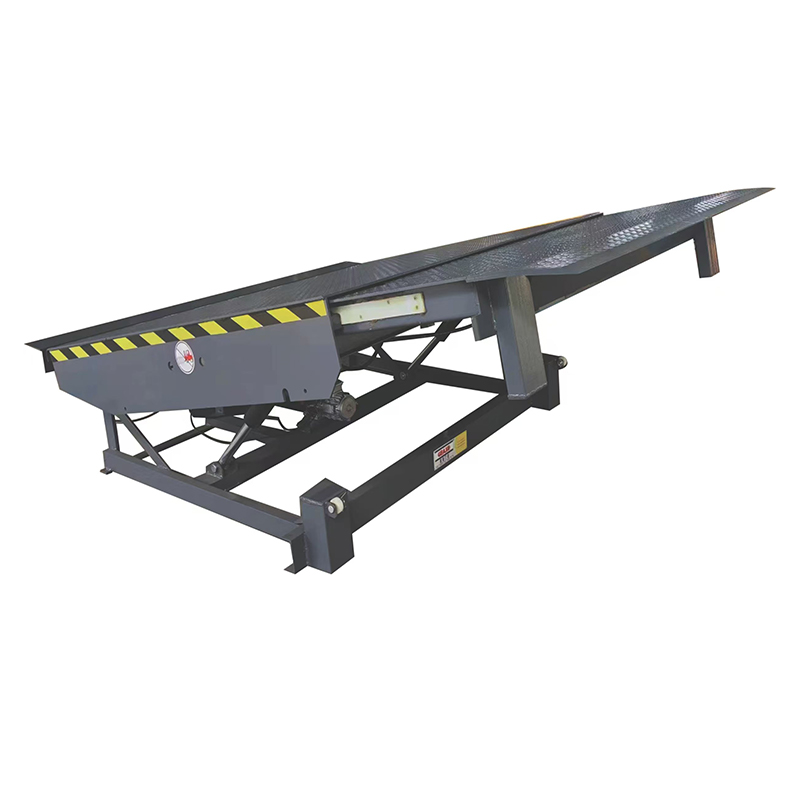
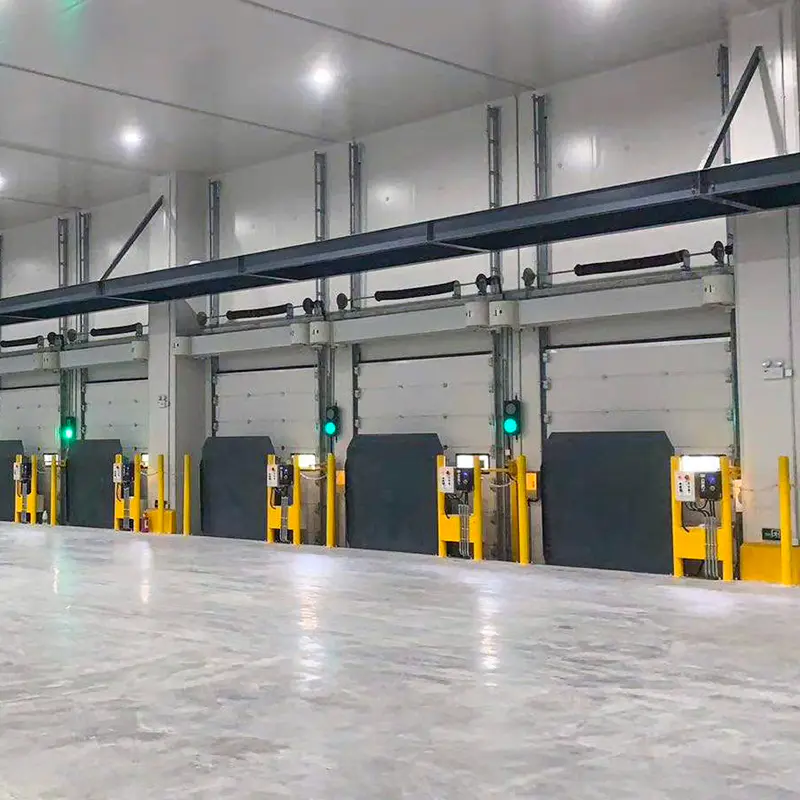
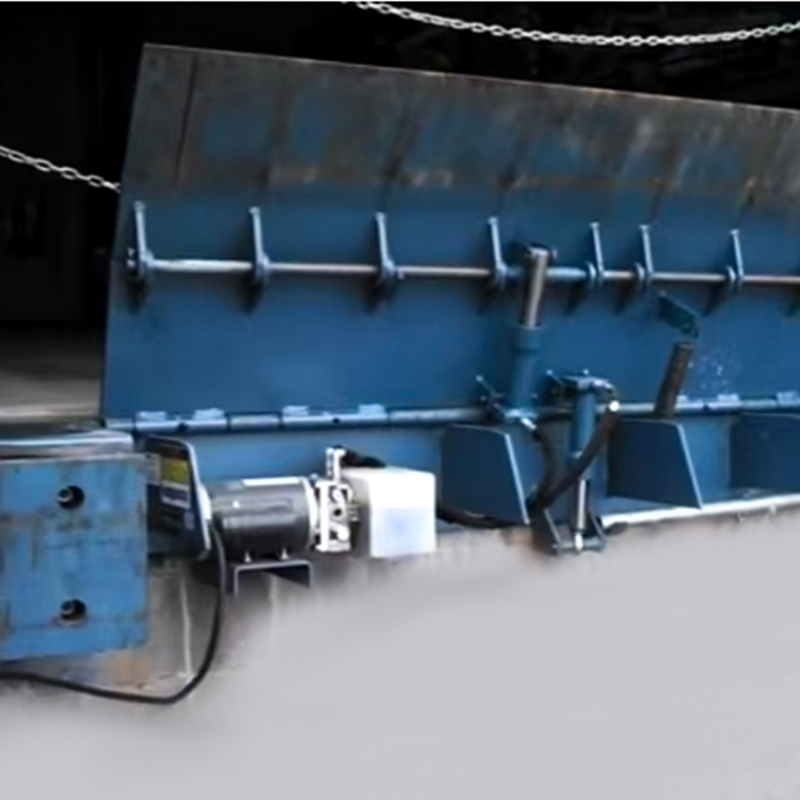
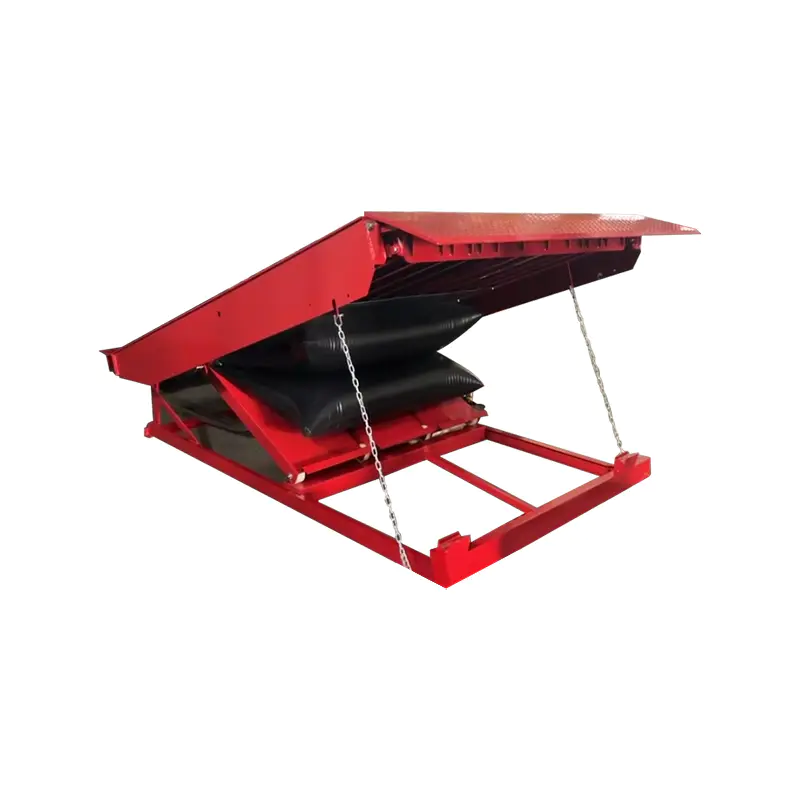
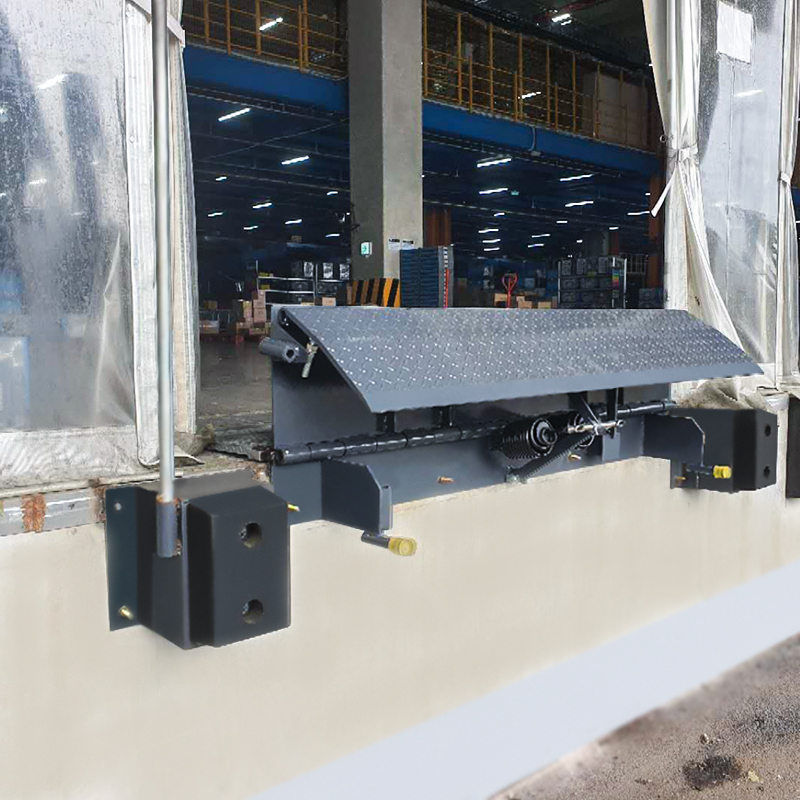
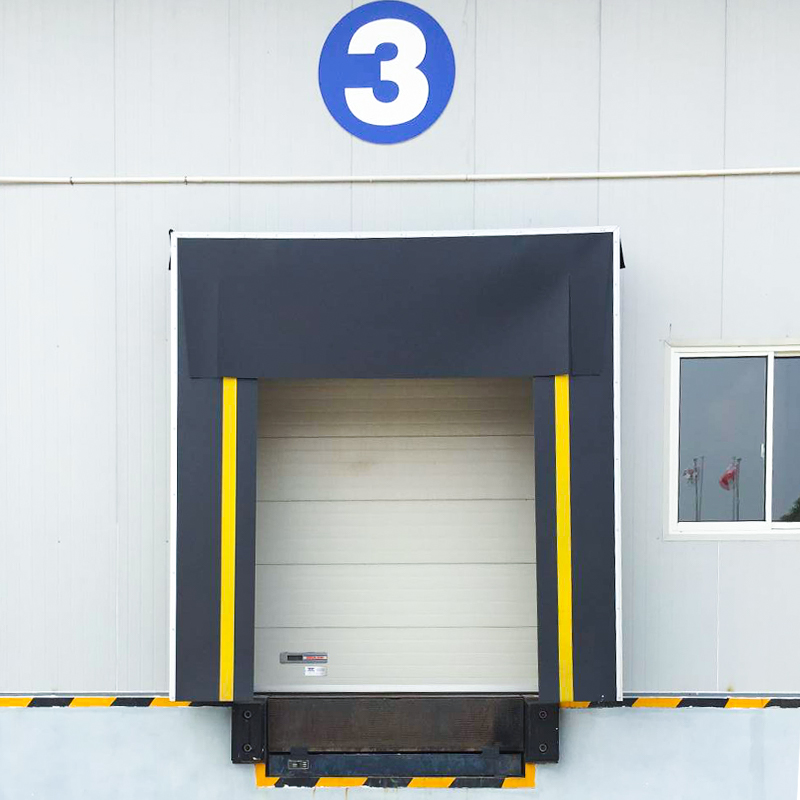
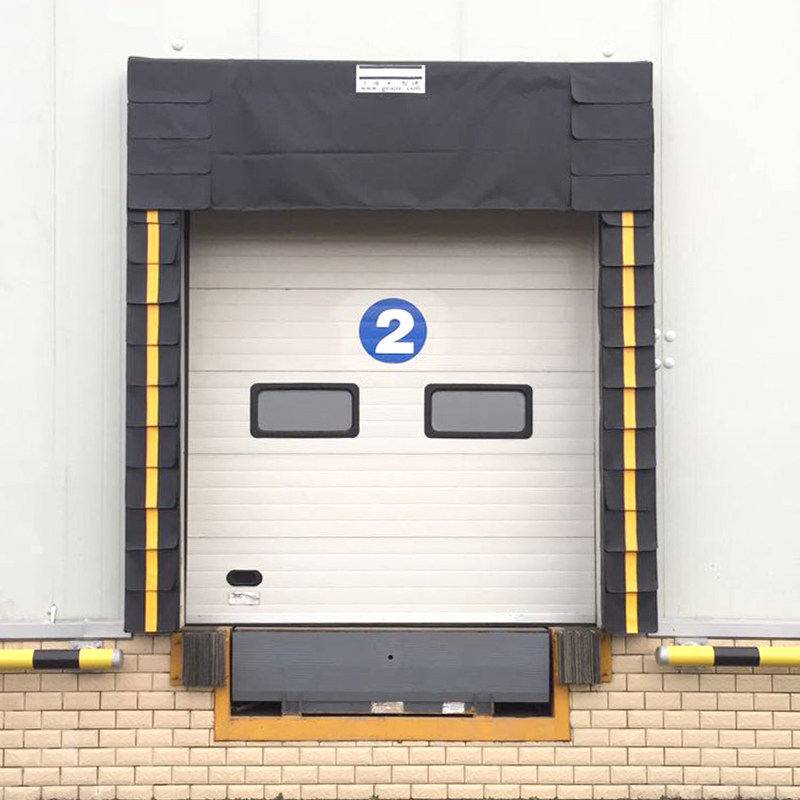
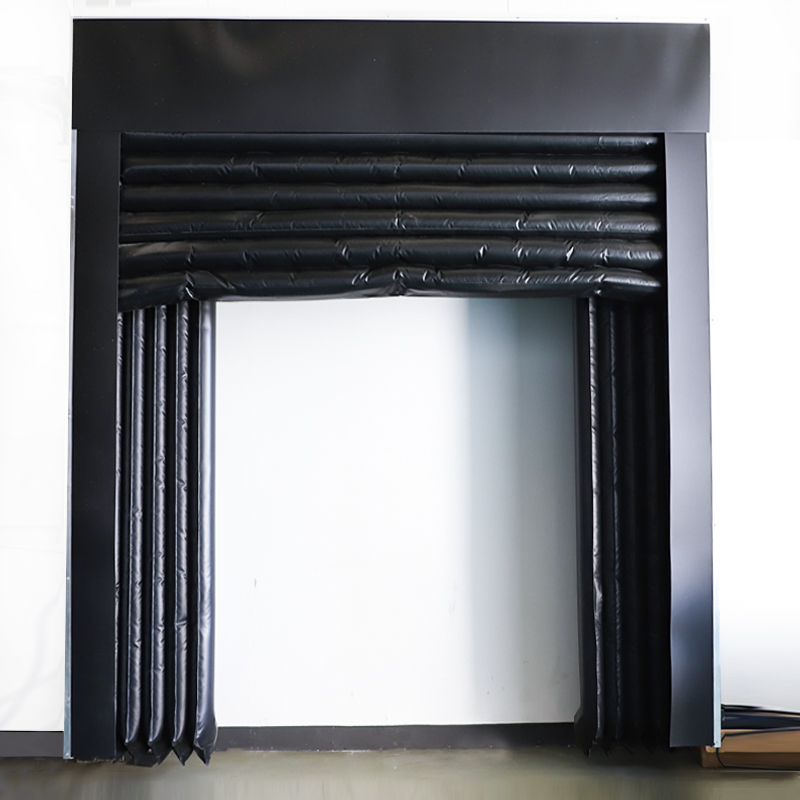
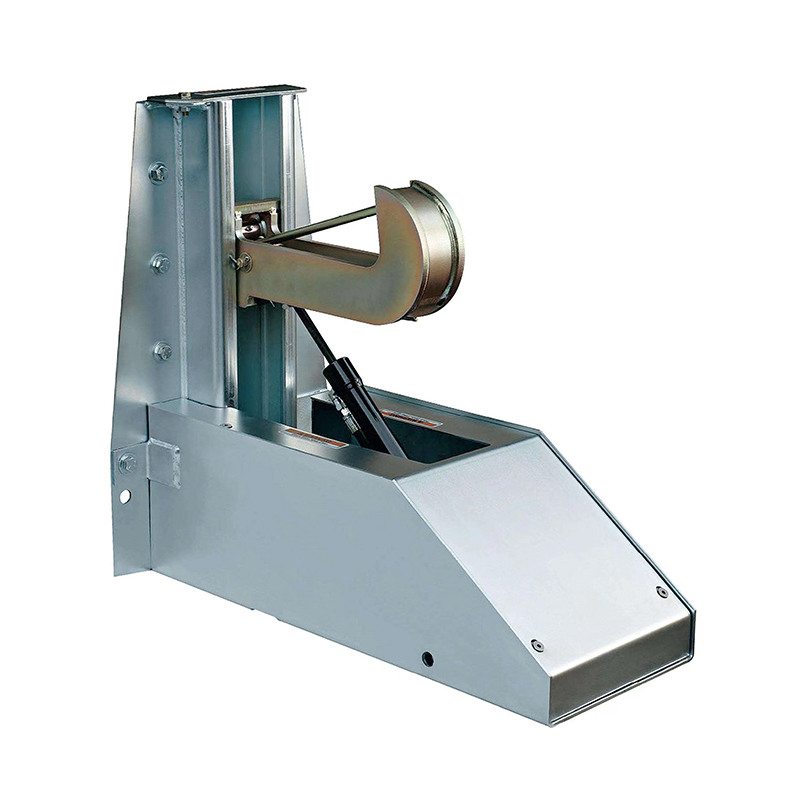
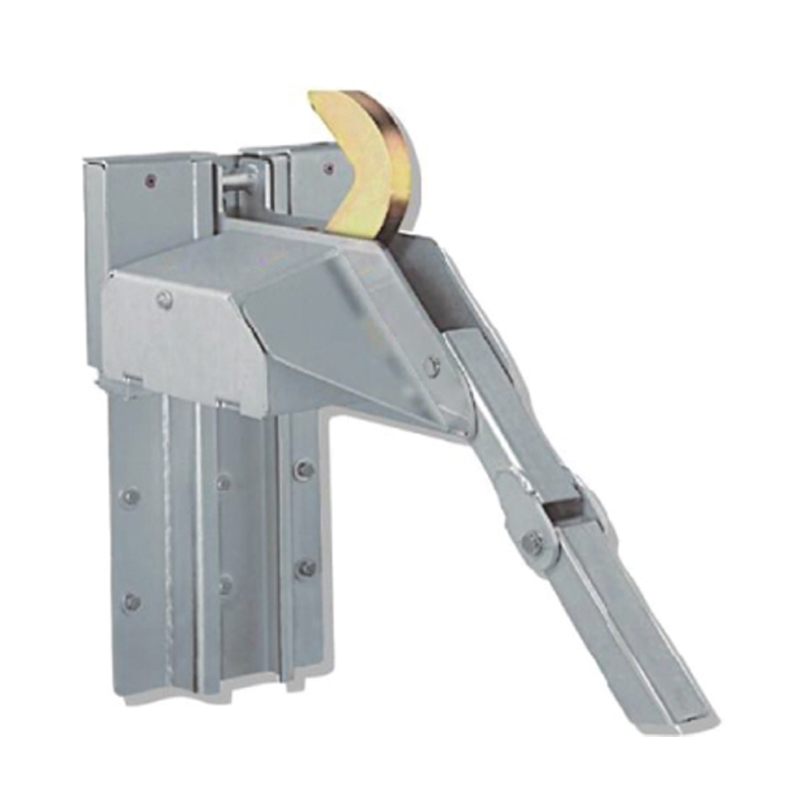
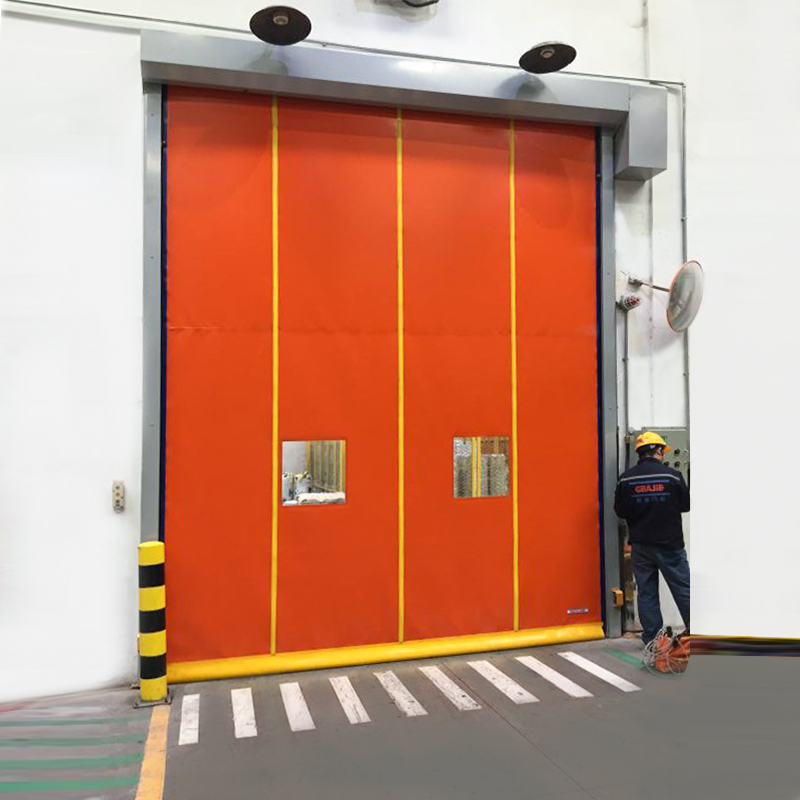
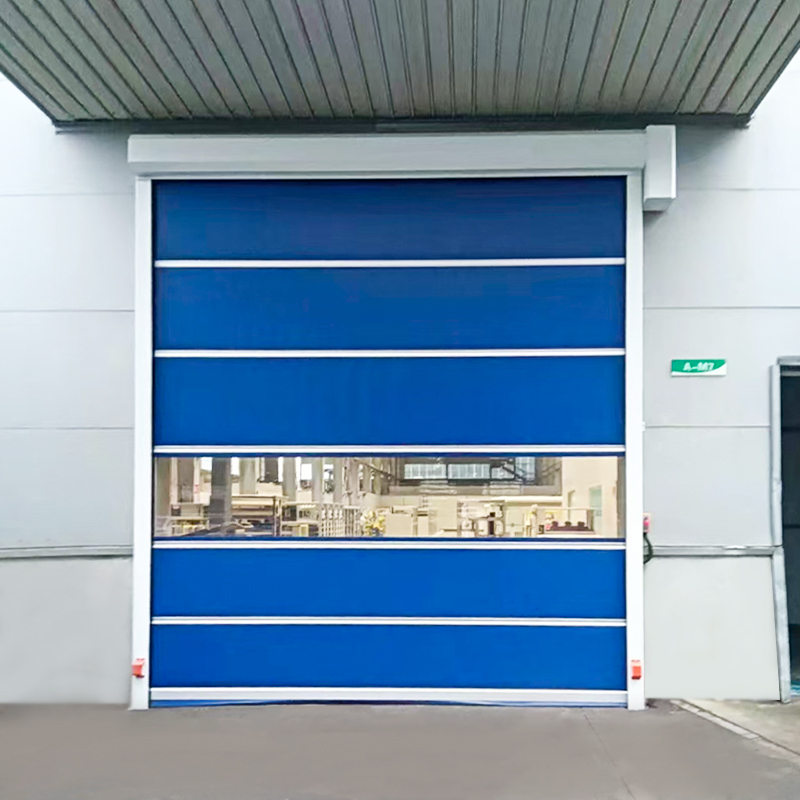
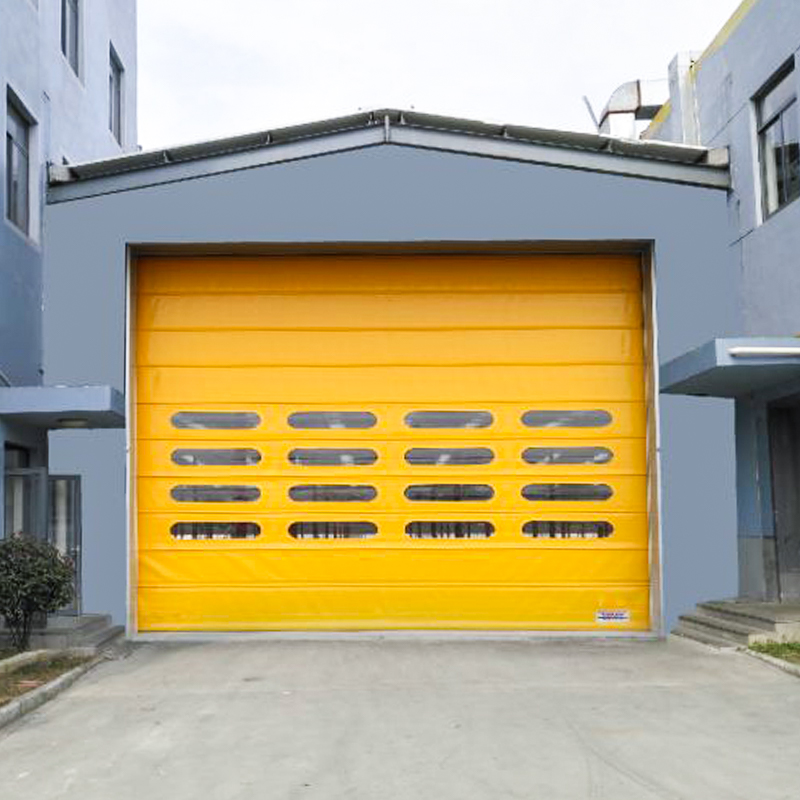
A hydraulic dock leveler looks like a piece of passive steel sunk into the loading bay. In daily o...
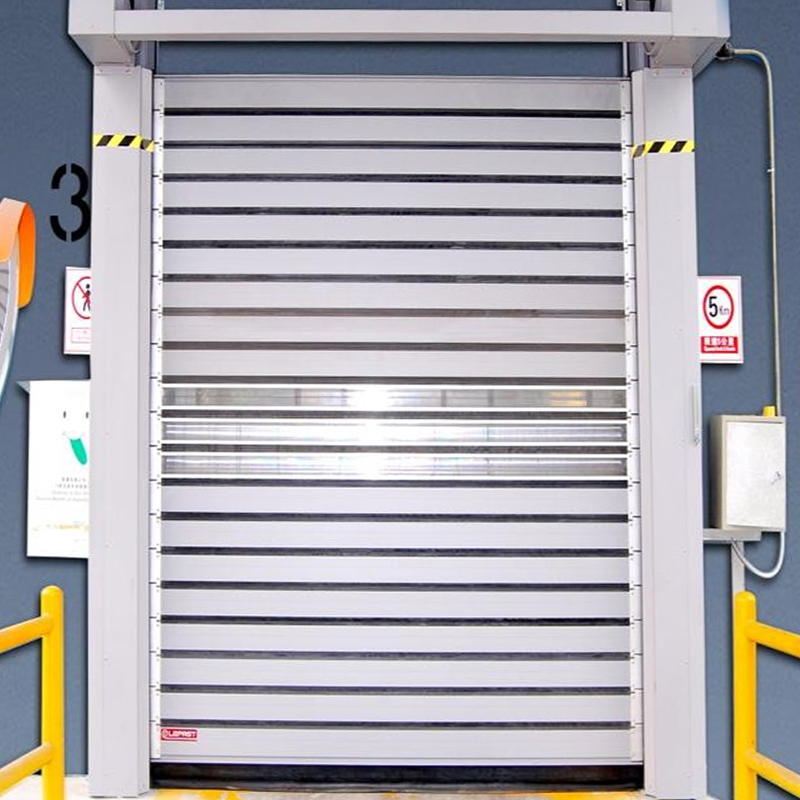
When comparing operational noise levels, aluminum-panel Industrial Hard Fast Doors are generally quieter than steel-panel versions, typically operating in the range of 60–72 dB, while steel-panel models often register between 72–85 dB under similar conditions. This difference — up to 13 dB in some cases — is significant enough to impact workplace comfort, OSHA compliance, and long-term worker health in high-cycle industrial environments.
Understanding why this difference exists, and how it translates into real-world facility decisions, requires a closer look at material properties, door mechanics, installation quality, and operational frequency. This article breaks down each factor to help facility managers and procurement teams make an informed choice.
Why Door Panel Material Directly Affects Noise Output
The core reason aluminum and steel Industrial Hard Fast Doors differ in noise output comes down to material density and vibration behavior. Steel has a density of approximately 7,850 kg/m³, compared to aluminum at around 2,700 kg/m³. This higher density causes steel panels to vibrate at lower frequencies when struck or moved rapidly, producing a deeper, more resonant sound that carries further across a facility floor.
Aluminum, being lighter and less rigid under vibration, tends to dampen mid-range frequencies more efficiently. However, without proper internal reinforcement or acoustic insulation layers, thin aluminum panels can also produce a sharp metallic rattle — particularly at high opening speeds exceeding 1.5 m/s.
Key material-related noise contributors include:
- Panel resonance frequency during rapid acceleration and deceleration
- Surface hardness and the tendency to amplify mechanical vibration from the motor and tracks
- Panel thickness — thicker steel sections reduce some resonance but add weight that strains motor components
- Internal fill material (e.g., foam core vs. hollow panels) significantly alters noise transmission
Noise Level Comparison: Aluminum vs Steel Industrial Hard Fast Door
The table below provides a practical comparison of typical operational noise metrics between aluminum-panel and steel-panel Industrial Hard Fast Doors under standard operating conditions (door width: 3 m, speed: 1.2–1.8 m/s, cycle frequency: 50–100 cycles/day).
| Parameter | Aluminum-Panel Door | Steel-Panel Door |
|---|---|---|
| Typical Operating Noise | 60–72 dB | 72–85 dB |
| Panel Vibration Tendency | Low to Moderate | Moderate to High |
| Impact Noise on Closure | Low | High |
| Motor Noise Amplification | Minimal | Noticeable |
| Track Friction Noise | Low (lighter panel weight) | Moderate to High |
| Noise After 2+ Years of Use | Slight increase | Moderate increase |
How Operating Speed Amplifies the Noise Difference
One of the defining features of any Industrial Hard Fast Door is its speed. Most models operate between 0.8 m/s and 2.5 m/s. As speed increases, the mechanical forces acting on the panel, motor, and guide tracks intensify — and so does noise output.
For steel-panel Industrial Hard Fast Doors operating at speeds above 1.8 m/s, the combination of panel mass and deceleration force at the end of each cycle creates a pronounced impact sound. In contrast, aluminum panels — being roughly 65% lighter than equivalent steel panels — experience less inertial force during stopping, resulting in a softer, less disruptive closure sound.
In high-cycle environments such as logistics hubs or automotive assembly lines where doors may complete 200–500 cycles per day, this noise differential becomes a cumulative concern for worker exposure and equipment stress alike.
OSHA and Workplace Noise Compliance Considerations
OSHA's permissible noise exposure standard (29 CFR 1910.95) sets the limit at 90 dB for 8-hour exposure, with action levels triggered at 85 dB. When a steel-panel Industrial Hard Fast Door consistently operates at or near 85 dB, it can push nearby workstation environments into a compliance gray zone — especially when other machinery noise is present simultaneously.
Aluminum-panel Industrial Hard Fast Doors operating at 60–72 dB leave a much wider safety margin, reducing the need for supplemental hearing protection programs in areas immediately adjacent to the door. For facilities that are audited regularly or operate under ISO 45001 occupational health standards, choosing an aluminum-panel door may directly reduce compliance overhead.
Structural Design Features That Mitigate Noise in Both Types
Regardless of panel material, a well-engineered Industrial Hard Fast Door can incorporate specific design features that actively reduce noise. These features can narrow — though not eliminate — the gap between aluminum and steel models.
Foam-Filled or Sandwich Panel Construction
Both aluminum and steel Industrial Hard Fast Door panels can be manufactured with an internal polyurethane or foam core. This construction significantly reduces resonance. A foam-filled steel panel can drop noise output by 6–10 dB compared to a hollow steel panel, bringing it closer to baseline aluminum performance.
Brushed Seal and Bottom Bar Design
The bottom sealing bar on an Industrial Hard Fast Door is a common source of impact noise. Doors equipped with rubber-edged or brush-seal bottom bars absorb closure impact rather than transferring it to the floor or frame, reducing closure noise by as much as 4–7 dB.
Variable Frequency Drive (VFD) Motors
Industrial Hard Fast Doors fitted with VFD-controlled motors can ramp speed up and down gradually rather than stopping abruptly, reducing the mechanical shock noise at cycle endpoints. This is particularly effective on steel-panel doors where inertial impact is the primary noise source.
Which Industrial Hard Fast Door Is Right for Your Noise-Sensitive Environment?
The right choice depends on balancing noise requirements against other operational priorities. Here is a practical breakdown:
- Food processing and pharmaceutical facilities: Aluminum-panel Industrial Hard Fast Doors are preferred — quieter operation, corrosion-resistant, and easier to maintain hygiene standards.
- Heavy manufacturing and forging plants: Steel-panel Industrial Hard Fast Doors offer superior impact and abrasion resistance; noise is less critical given ambient facility noise levels already exceed 80 dB.
- Cold storage and refrigerated logistics: Insulated aluminum-panel Industrial Hard Fast Doors balance thermal performance and lower noise — a common choice for distribution centers.
- Mixed-use warehouses near office areas: Aluminum is strongly recommended to prevent noise bleed into administrative zones.
- High-security or blast-rated applications: Steel-panel Industrial Hard Fast Doors are the only viable option; acoustic mitigation features should be specified at the design stage.
If noise reduction is a primary concern, an aluminum-panel Industrial Hard Fast Door offers a measurable and consistent acoustic advantage over its steel counterpart. However, when structural demands, impact frequency, or security requirements favor steel, investing in foam-core panels, VFD motors, and cushioned sealing systems can bring noise levels to an acceptable range without sacrificing durability.
