
 English
 Español
 Tiếng Việt

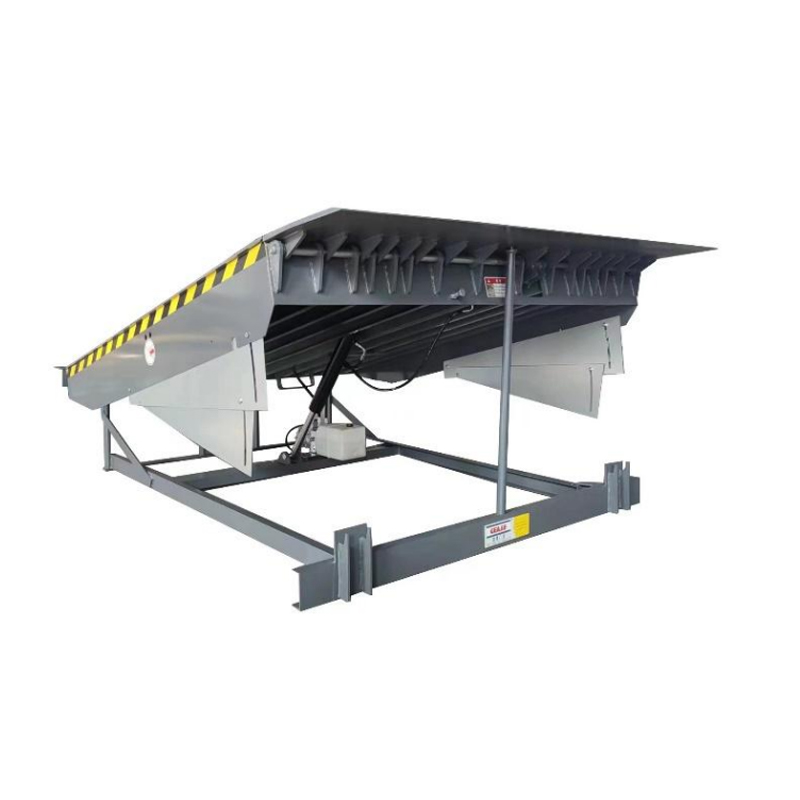
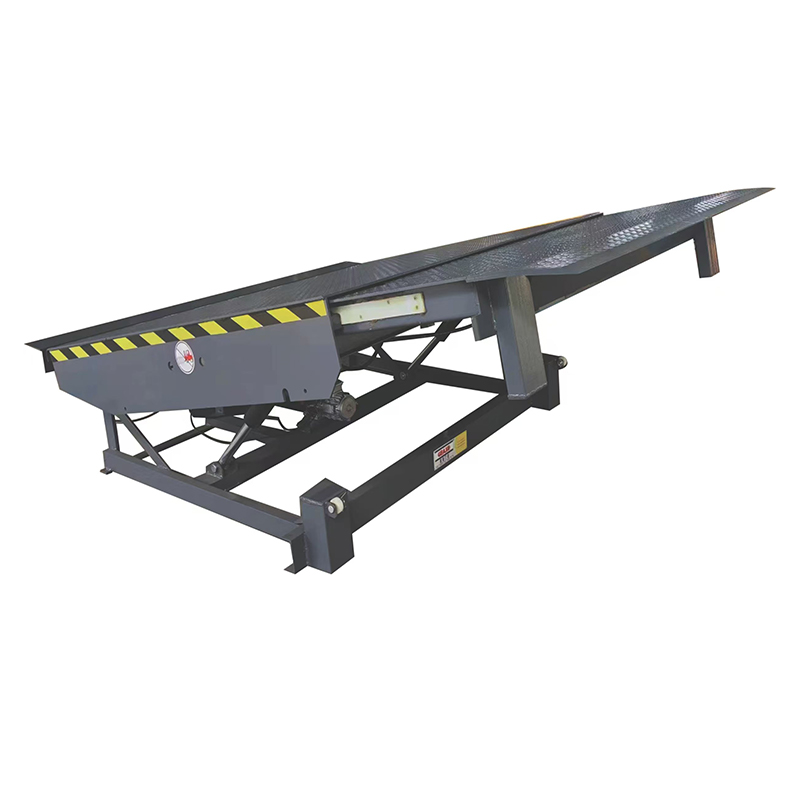
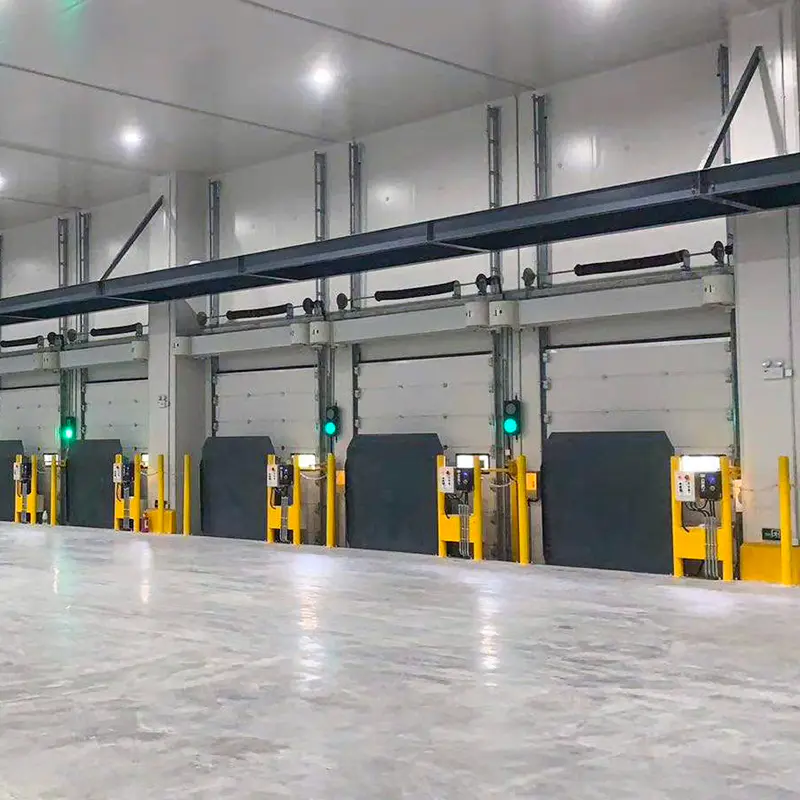
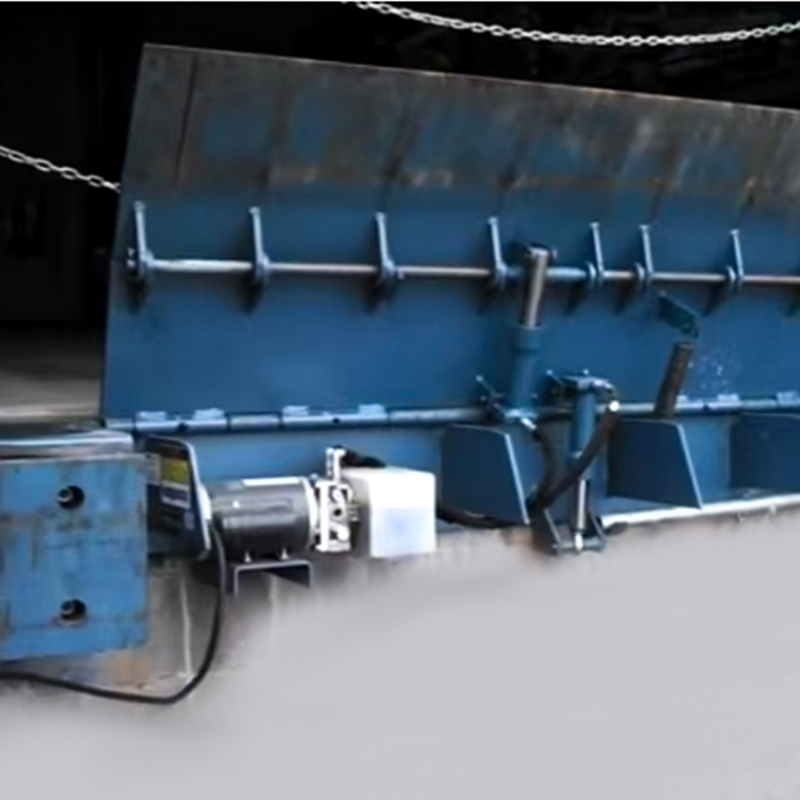
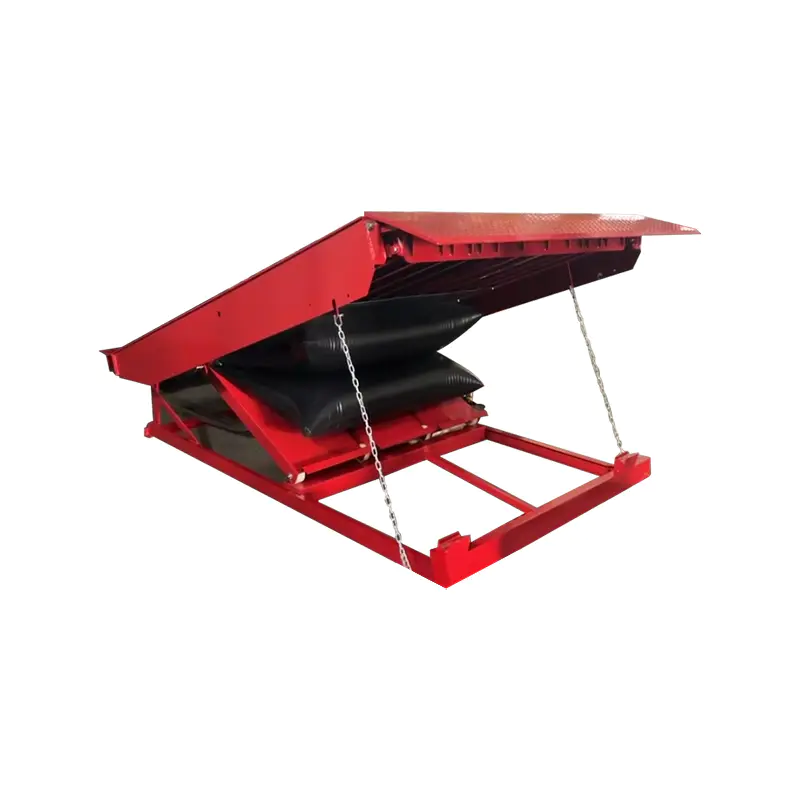
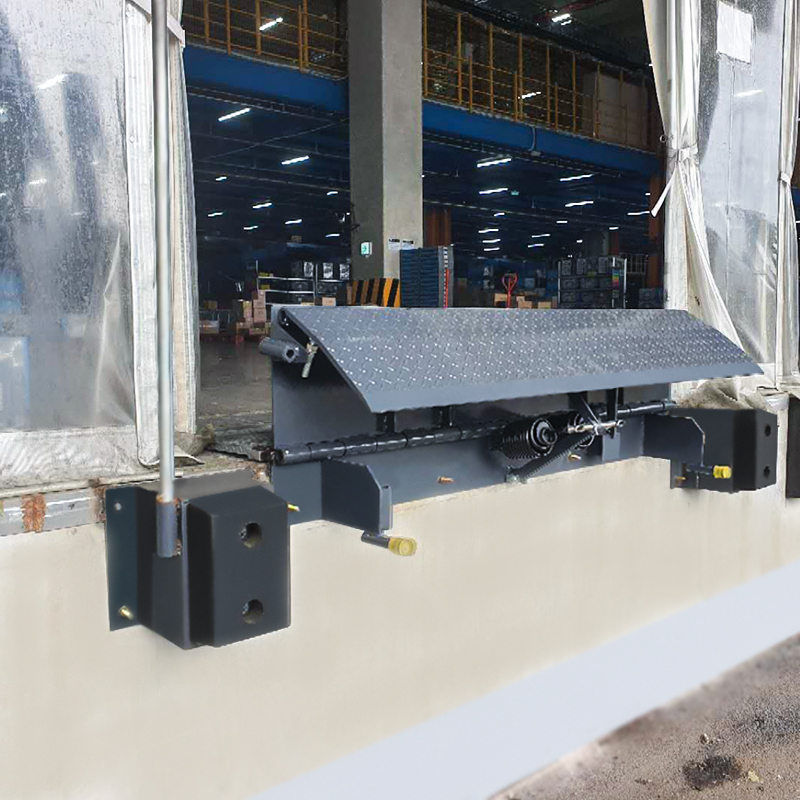
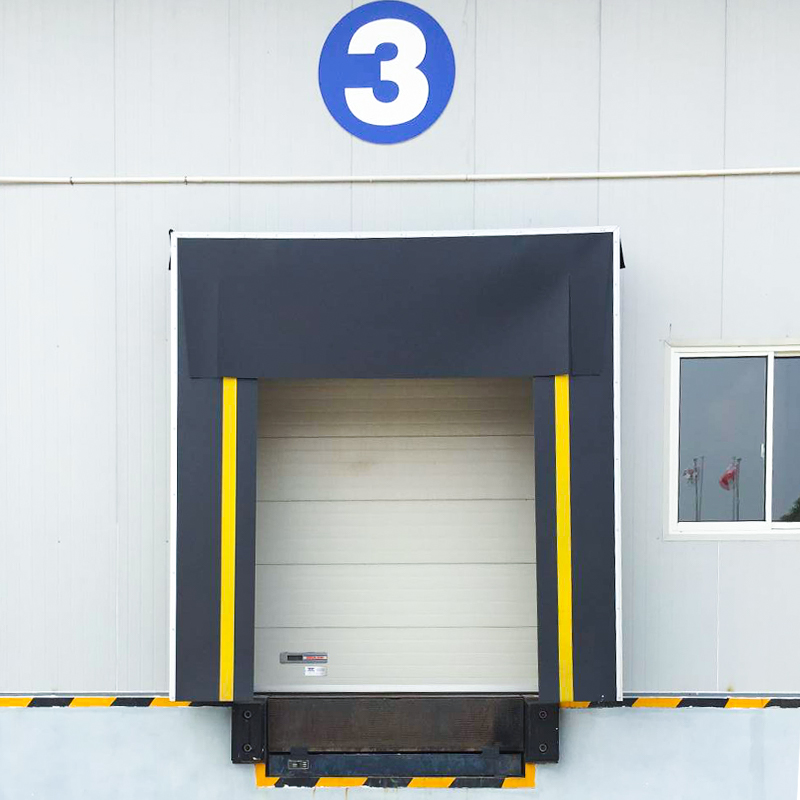
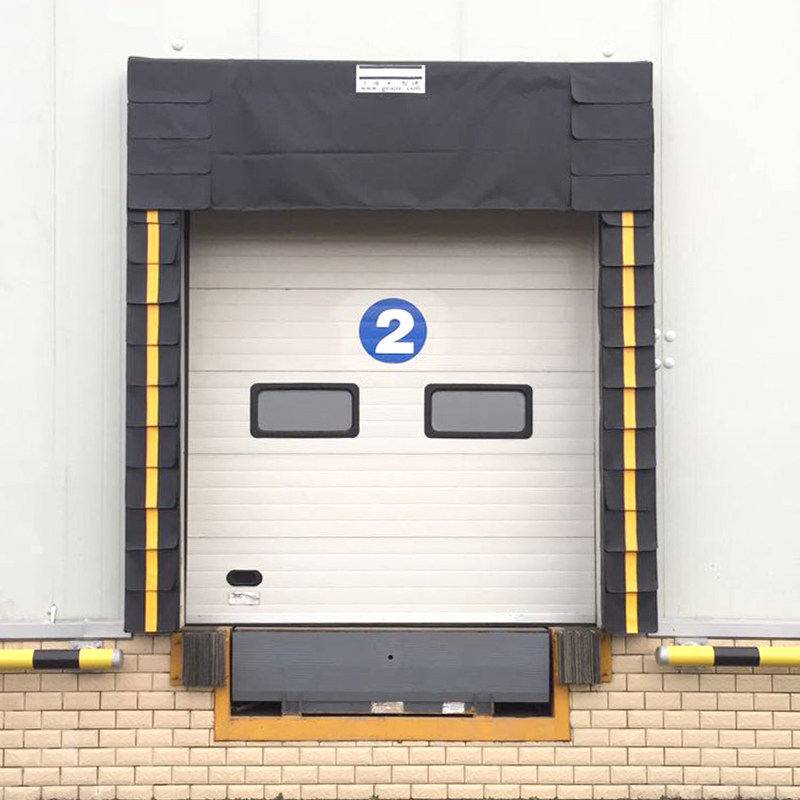
A hydraulic dock leveler looks like a piece of passive steel sunk into the loading bay. In daily o...
Hydraulic Industrial Dock Levelers require substantially less operator effort than mechanical Industrial Dock Levelers. In most loading dock environments, a hydraulic system can be activated with the push of a button, while a mechanical system typically requires manual operation involving pulling a release chain, walking the platform into position, or relying on spring mechanisms. As a result, hydraulic models reduce physical strain, improve operational consistency, and support higher productivity.
For facilities with frequent loading and unloading cycles, hydraulic Industrial Dock Levelers often deliver measurable benefits in operator comfort and workflow efficiency. While mechanical systems may have lower initial acquisition costs, the reduced labor requirements and enhanced safety of hydraulic models often justify the investment over the equipment's lifespan.
Understanding How Each Industrial Dock Leveler Operates
To understand the difference in operator effort, it is important to examine how each system functions during daily operations.
Mechanical Industrial Dock Levelers
Mechanical Industrial Dock Levelers typically use a spring-loaded lifting mechanism. Operators pull a release chain or handle, allowing stored spring energy to raise the deck. The operator then positions the leveler onto the trailer bed. This process may require physical movement and precise timing, particularly when handling different trailer heights.
Hydraulic Industrial Dock Levelers
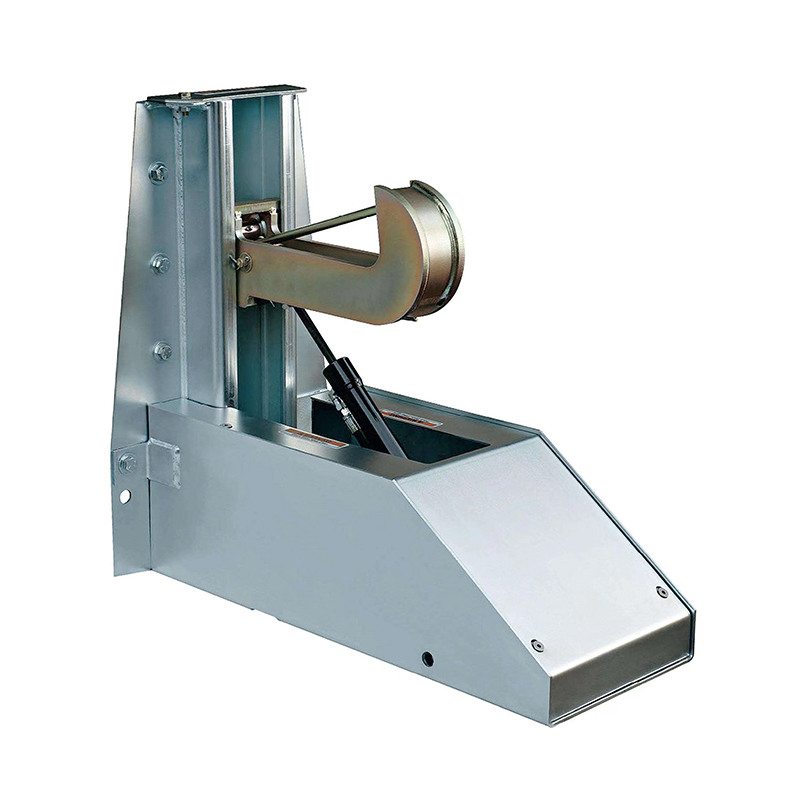
Hydraulic Industrial Dock Levelers use hydraulic cylinders powered by an electric pump. Operators simply activate a control button, allowing the deck and lip to move automatically into position. The process requires minimal physical exertion and can be completed consistently regardless of trailer height or loading conditions.
Operator Effort Comparison in Daily Use
The most significant difference between the two systems lies in the amount of physical involvement required from workers.
| Factor | Hydraulic Industrial Dock Leveler | Mechanical Industrial Dock Leveler |
|---|---|---|
| Physical effort | Very low | Moderate to high |
| Operation method | Push-button control | Manual activation |
| Consistency | High | Operator dependent |
| Fatigue impact | Low | Higher |
In facilities handling dozens or hundreds of trailer movements per day, even small differences in effort accumulate significantly. A worker operating a mechanical Industrial Dock Leveler repeatedly throughout a shift may experience greater fatigue compared with a worker using a hydraulic system.
Impact on Workplace Productivity
Operator effort directly affects productivity. Every loading cycle includes positioning the trailer, deploying the dock leveler, moving cargo, and preparing for the next vehicle. Reducing effort during dock leveler deployment helps streamline the entire process.
Hydraulic Industrial Dock Levelers can reduce deployment time by several seconds per cycle. While this may seem minor, a facility processing 100 trailer movements daily could save substantial labor hours annually. Faster operation also reduces bottlenecks during peak shipping periods.
- Faster deployment and retrieval.
- Reduced operator fatigue.
- More consistent loading cycles.
- Improved throughput during busy periods.
For distribution centers, manufacturing facilities, and logistics hubs where efficiency is a key performance indicator, hydraulic systems often provide a measurable operational advantage.
Safety Advantages Related to Reduced Operator Effort
Lower operator effort often translates into improved safety. When workers must exert force repeatedly, the risk of improper operation, fatigue-related mistakes, and musculoskeletal strain can increase.
Hydraulic Industrial Dock Levelers generally provide smoother and more controlled movement. Because operators rely on automated controls instead of manual force, the likelihood of sudden deck movement or improper positioning is reduced.
Common safety benefits include:
- Reduced risk of back and shoulder strain.
- More predictable deck positioning.
- Lower chance of operator error.
- Improved compliance with workplace safety practices.
Maintenance Considerations and Their Effect on Effort
Maintenance requirements also influence the overall user experience. Mechanical Industrial Dock Levelers depend heavily on springs, hold-down mechanisms, and moving components that can wear over time. As these parts age, operation may become less predictable and require greater physical effort.
Hydraulic systems contain pumps, cylinders, and hydraulic fluid circuits that require periodic inspection. However, when properly maintained, they typically maintain consistent performance throughout their service life.
Modern dock leveler manufacturing practices increasingly focus on improving hydraulic reliability through advanced cylinder designs, corrosion-resistant components, and improved control systems.
Long-Term Labor Cost Implications
Although hydraulic Industrial Dock Levelers generally involve a higher initial investment, labor-related savings often offset part of that difference over time.
Consider a warehouse operating 80 loading cycles per day. If a hydraulic system saves only 15 seconds per cycle compared with a mechanical model, the annual time savings can exceed 120 labor hours. Across multiple dock positions, those savings become even more significant.
Beyond direct time savings, reducing physical demands may contribute to:
- Lower worker fatigue.
- Improved employee satisfaction.
- Reduced training complexity.
- Potential reductions in injury-related costs.
When a Mechanical Industrial Dock Leveler May Still Be Suitable
Despite requiring greater operator effort, mechanical Industrial Dock Levelers remain practical in certain situations. Facilities with limited daily dock activity may not realize enough labor savings to justify a hydraulic upgrade.
Mechanical models are often considered when:
- Loading volume is relatively low.
- Initial budget is a primary concern.
- Power availability is limited.
- The facility can accommodate additional operator involvement.
Even so, facility managers should carefully evaluate total ownership costs rather than focusing solely on acquisition expenses.
The Role of Dock Leveler Manufacturing in Operator Experience
Advances in dock leveler manufacturing have significantly improved both hydraulic and mechanical systems. Manufacturers continue to develop stronger deck structures, enhanced safety mechanisms, and more efficient operating systems.
In hydraulic equipment, innovations in dock leveler manufacturing have produced smoother hydraulic controls, faster response times, and improved energy efficiency. These developments further reduce operator effort and improve overall loading dock performance.
Likewise, dock leveler manufacturing improvements in mechanical systems have enhanced spring durability and operational reliability, although they still generally require more manual involvement than hydraulic alternatives.
Hydraulic Industrial Dock Levelers clearly outperform mechanical Industrial Dock Levelers in terms of operator effort. Their push-button operation minimizes physical strain, improves consistency, supports safer working conditions, and enhances productivity. While mechanical models can remain cost-effective for low-volume applications, facilities with frequent loading activity typically benefit from the efficiency advantages offered by hydraulic systems.
When evaluating dock equipment, decision-makers should consider not only purchase price but also labor efficiency, safety performance, maintenance requirements, and long-term operational costs. For most high-traffic loading environments, a hydraulic Industrial Dock Leveler provides the superior user experience and operational value.
