
 English
 Español
 Tiếng Việt

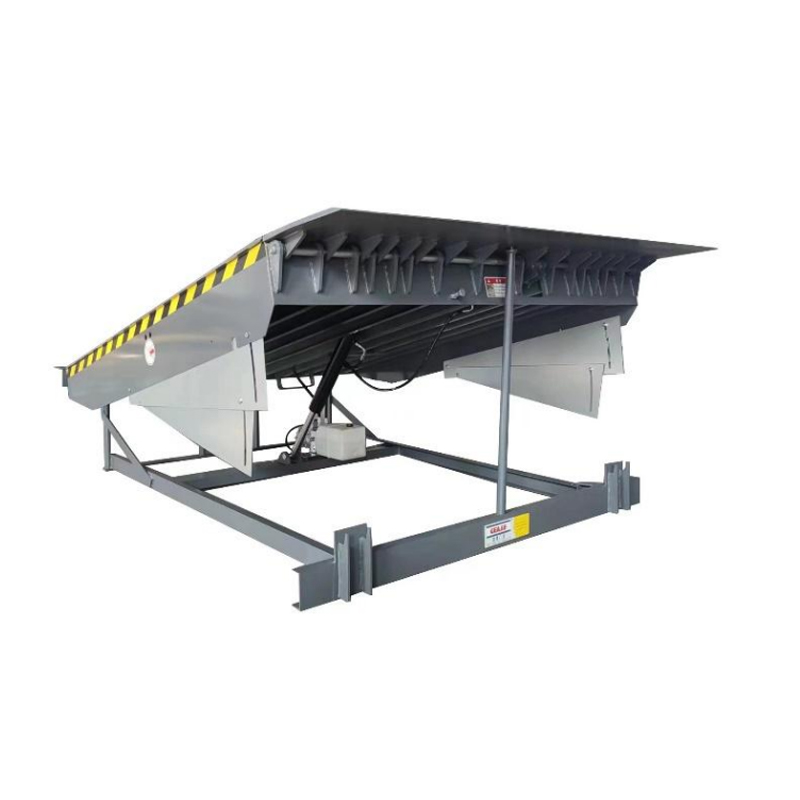
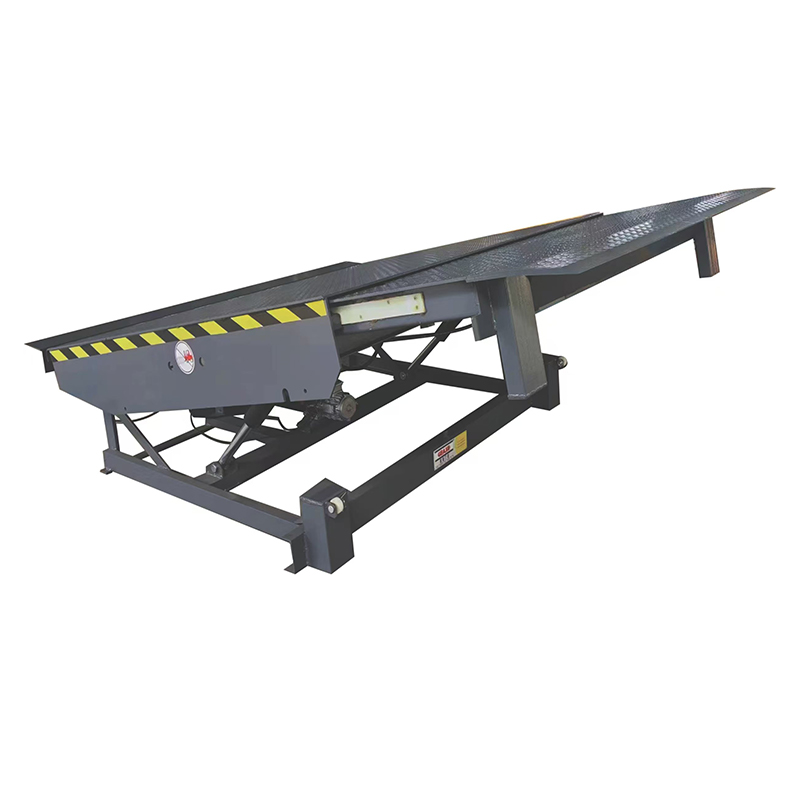
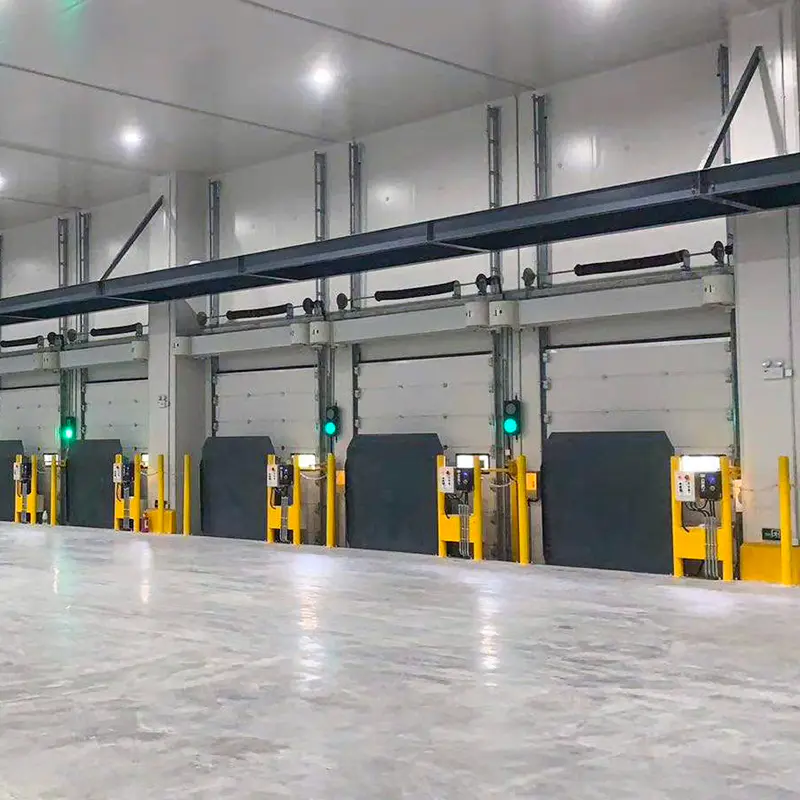
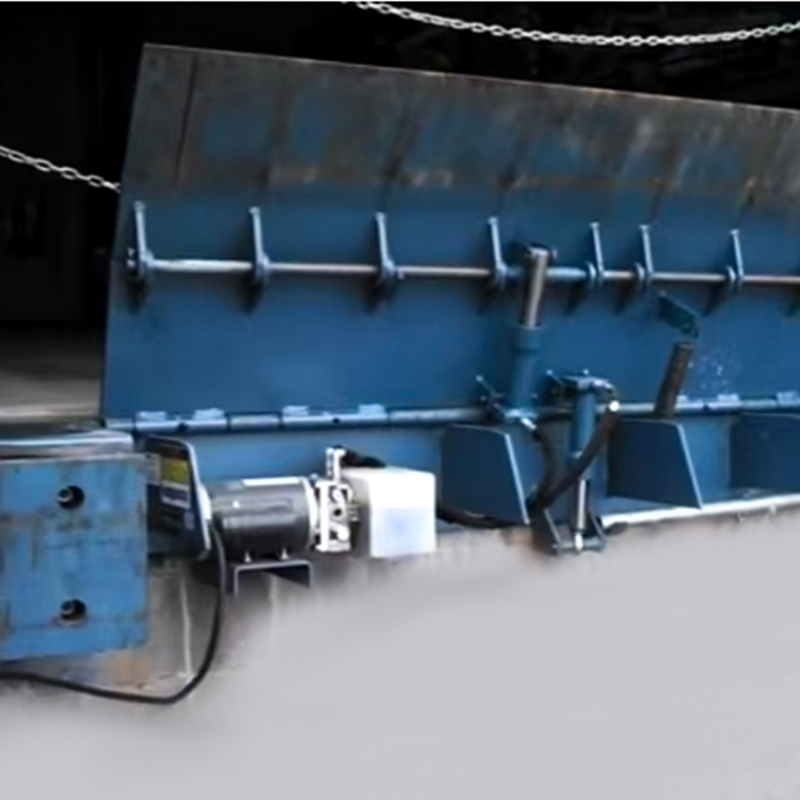
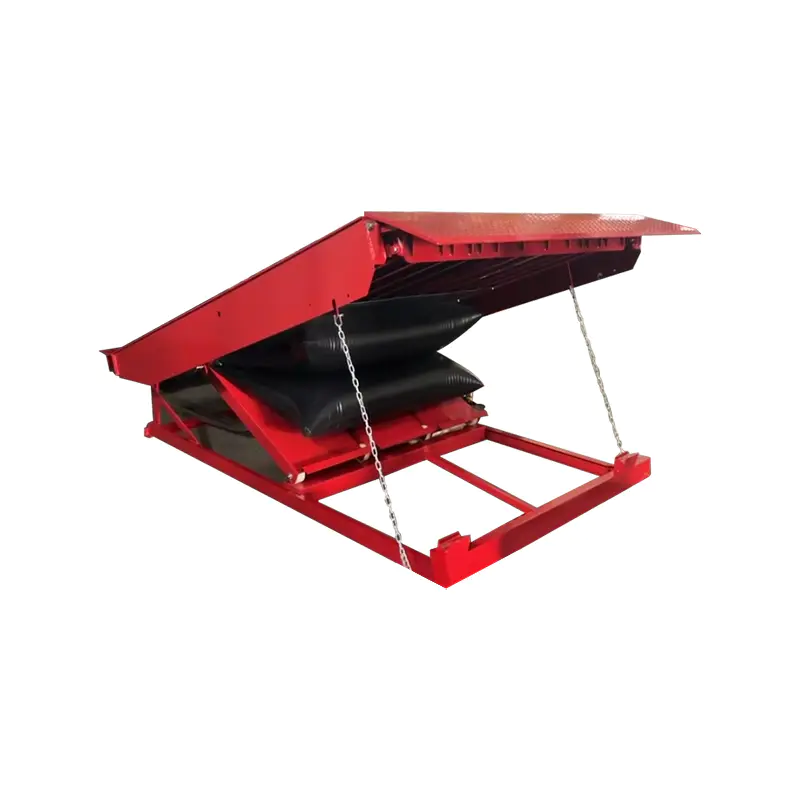
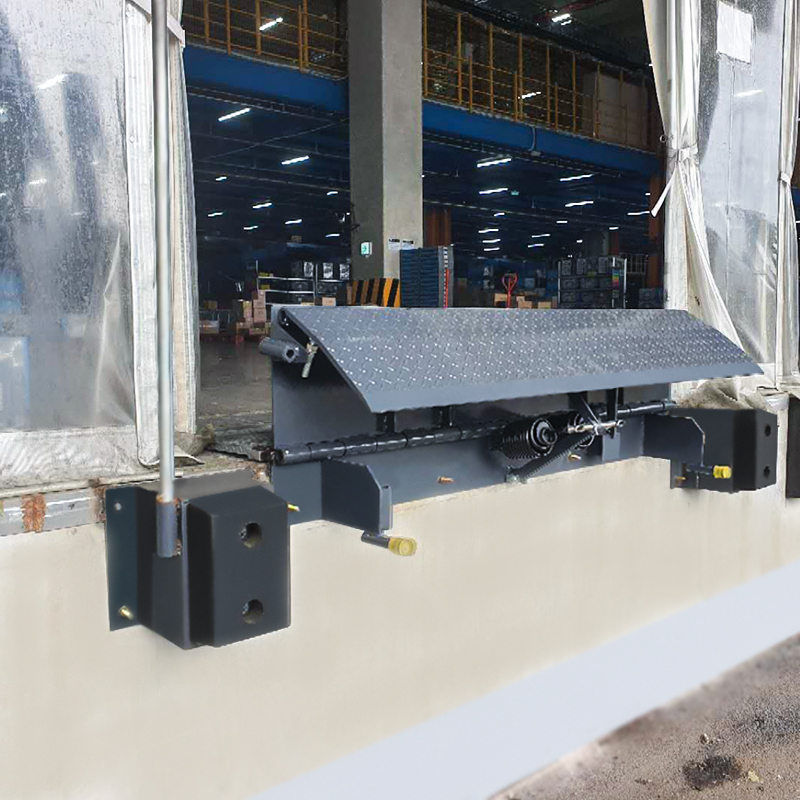
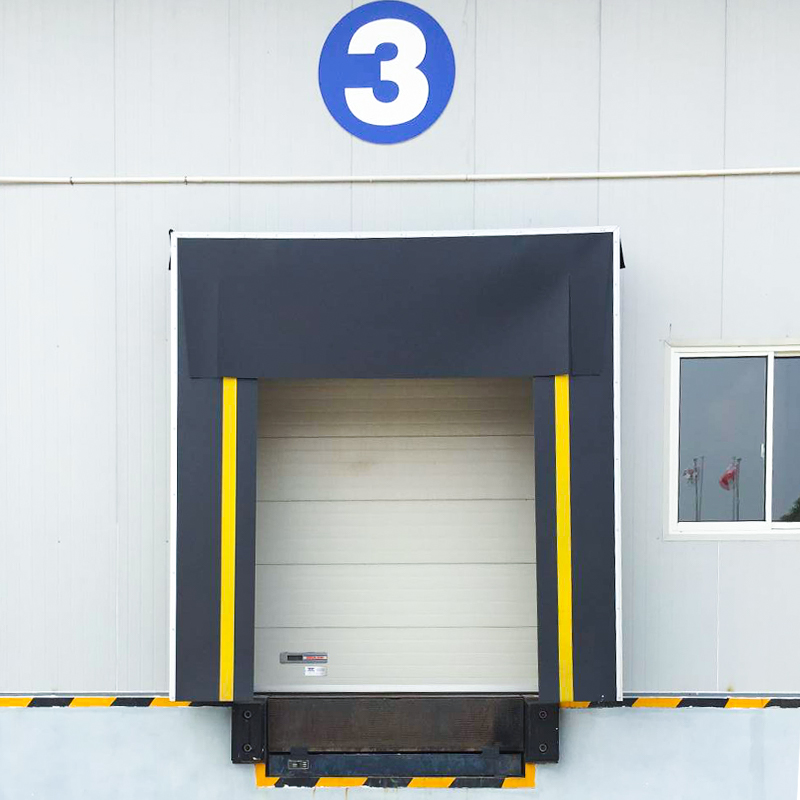
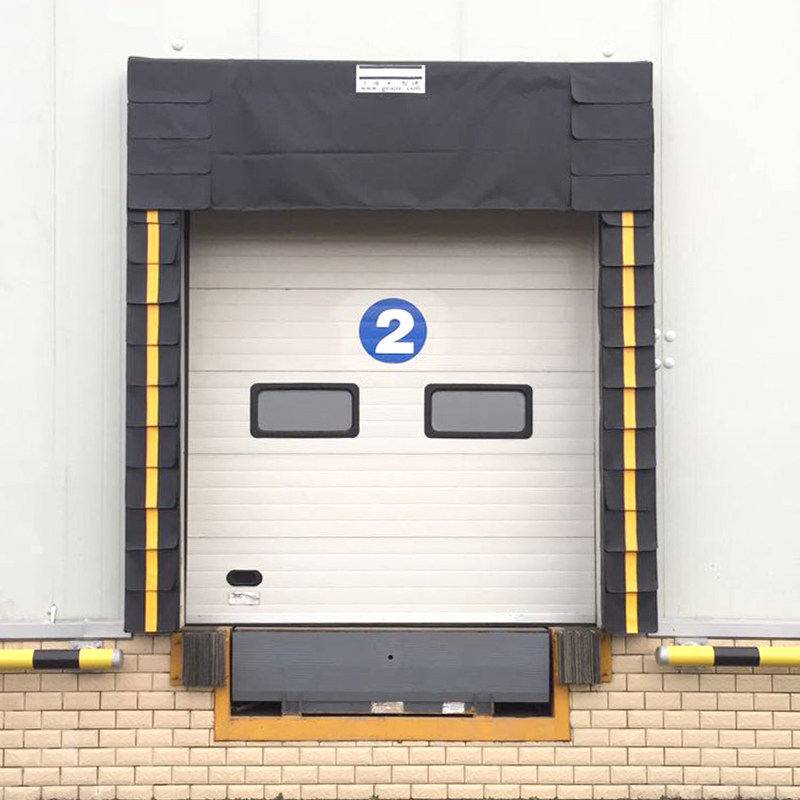
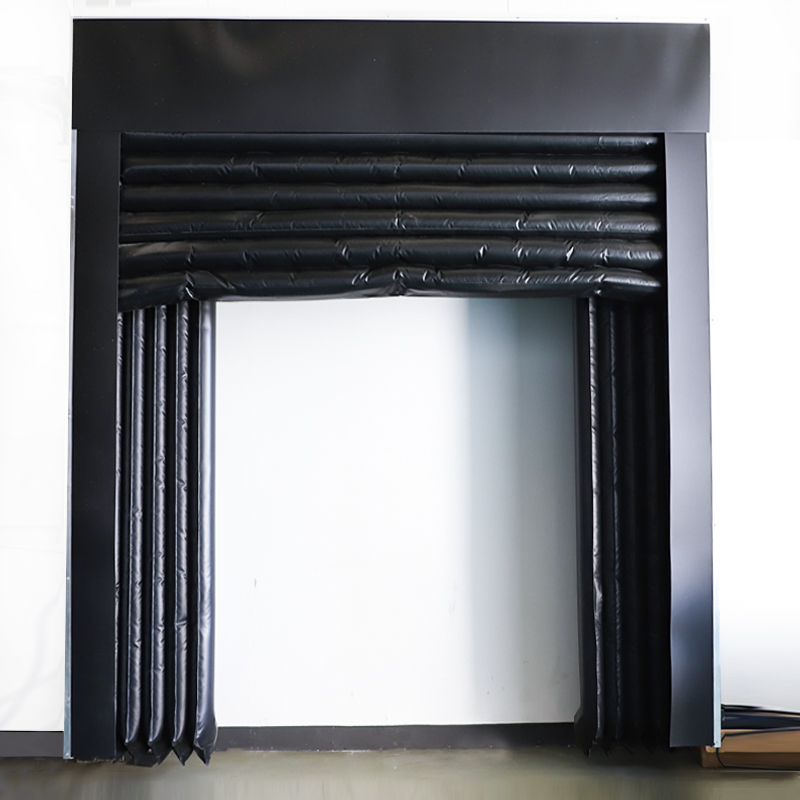
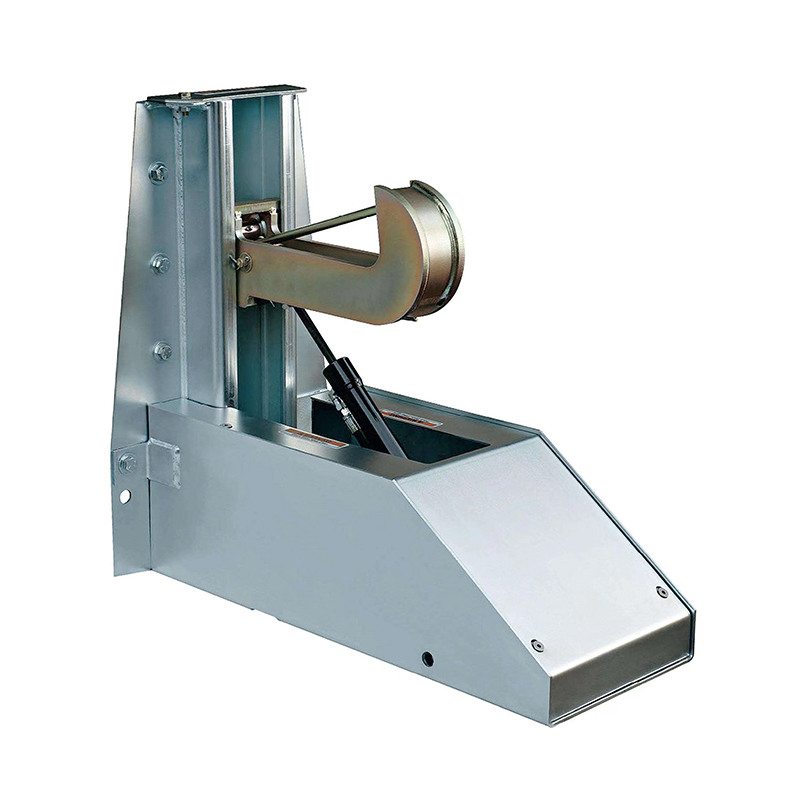
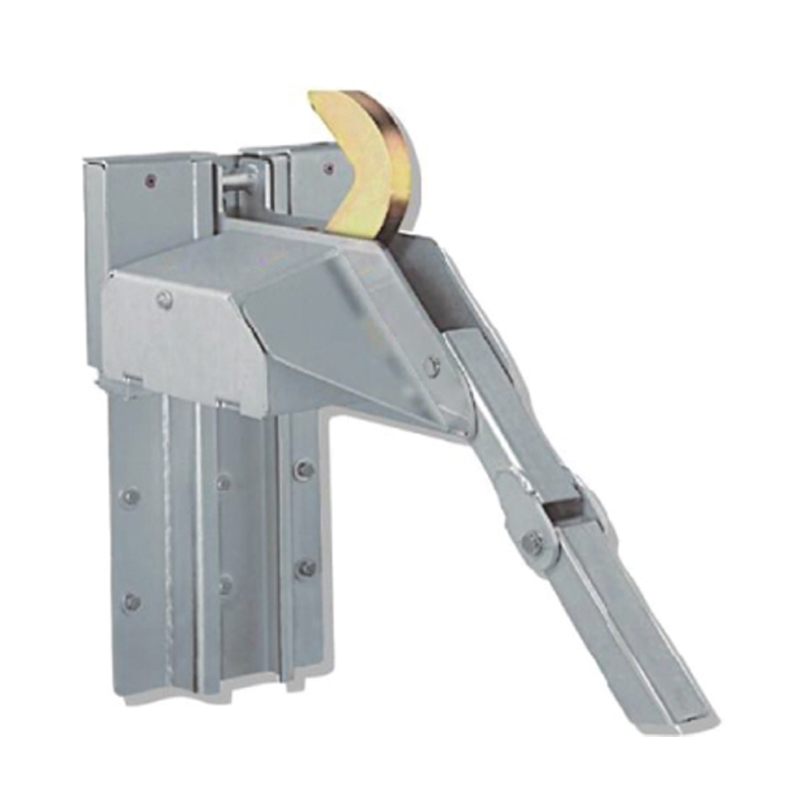
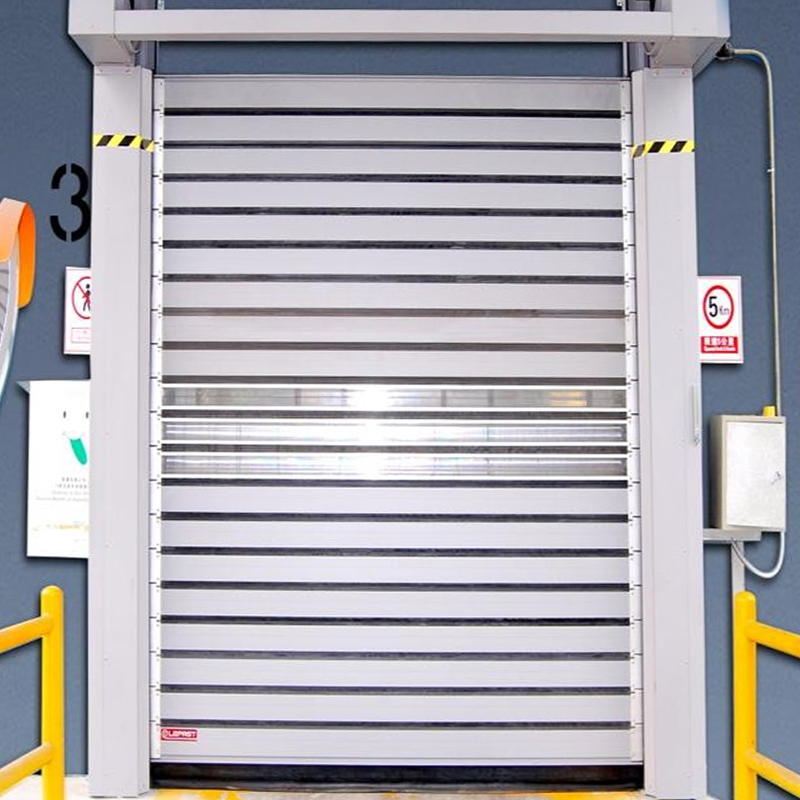
A hydraulic dock leveler looks like a piece of passive steel sunk into the loading bay. In daily o...
Air-Powered Industrial Dock Levelers are most beneficial for industries that require high-speed loading, lower maintenance costs, and energy-efficient operation. Warehousing, e-commerce distribution, food processing, retail logistics, and light manufacturing facilities often gain the greatest advantages from air-powered systems. In contrast, hydraulic dock levelers are typically better suited for heavy-duty industries such as steel production, automotive manufacturing, and ports where extremely high load capacities and continuous heavy equipment movement are common.
The choice between these two types of industrial loading dock equipment depends on operational speed, maintenance budgets, load demands, environmental conditions, and long-term ownership costs. While both technologies improve loading efficiency compared to mechanical systems, air-powered dock levelers have become increasingly popular in modern logistics environments due to their simplified design and reliable performance.
How Air-Powered Industrial Dock Levelers Work
Air-Powered Industrial Dock Levelers use a high-volume, low-pressure airbag system to raise and position the dock platform. Unlike hydraulic systems that rely on fluid pressure, cylinders, hoses, and pumps, air-powered systems use compressed air technology with fewer moving components.
This design significantly reduces fluid leaks, minimizes maintenance complexity, and lowers downtime risks. Most modern air-powered systems can complete a loading cycle within 20 to 30 seconds, making them highly effective for facilities with frequent trailer turnover.
- Fewer mechanical components reduce service interruptions
- No hydraulic oil leakage risks
- Faster reset times improve loading throughput
- Lower long-term maintenance requirements
Industries That Benefit Most from Air-Powered Dock Levelers
E-Commerce and Distribution Centers
E-commerce fulfillment centers process thousands of shipments daily, making loading speed a critical factor. Air-Powered Industrial Dock Levelers help these facilities minimize trailer wait times and maximize operational throughput.
Large fulfillment operations may handle 100 to 300 trailer movements per dock position per week. In these environments, even a small reduction in cycle time can produce substantial productivity gains.
Food and Beverage Processing
Food processing facilities often prioritize cleanliness and equipment reliability. Since air-powered systems eliminate hydraulic fluid leakage concerns, they are frequently preferred in sanitary environments where contamination risks must remain low.
Retail Logistics Facilities
Retail distribution hubs benefit from reduced maintenance downtime and faster dock operation. Air-powered industrial loading dock equipment allows warehouses to maintain continuous shipment schedules during seasonal demand surges.
Light Manufacturing
Electronics assembly, packaging facilities, and consumer goods manufacturing plants often use air-powered systems because they provide sufficient load capacity while lowering operational costs compared to hydraulic alternatives.
Industries Better Suited for Hydraulic Dock Levelers
Although Air-Powered Industrial Dock Levelers are highly efficient, hydraulic systems remain the preferred solution in some demanding industrial applications.
| Industry | Preferred System | Main Reason |
|---|---|---|
| E-commerce Warehousing | Air-Powered | Fast cycles and lower maintenance |
| Food Processing | Air-Powered | Cleaner operation without oil leaks |
| Automotive Manufacturing | Hydraulic | Extreme heavy-duty loading |
| Steel and Metal Industries | Hydraulic | High load capacity requirements |
| Retail Logistics | Air-Powered | Operational efficiency and uptime |
Hydraulic dock levelers are capable of supporting extremely heavy forklifts and industrial machinery. Many hydraulic systems can handle dynamic loads exceeding 80,000 pounds, making them essential for steel mills, heavy manufacturing, and container shipping operations.
Maintenance Comparison Between Air-Powered and Hydraulic Systems
Maintenance is one of the largest operational cost factors for industrial loading dock equipment. Air-powered systems generally require less preventive maintenance because they eliminate hydraulic fluid systems.
- No hydraulic fluid replacement costs
- Reduced risk of hose and cylinder failures
- Simpler inspection procedures
- Lower repair downtime
Industry studies indicate that facilities using air-powered dock levelers can reduce annual maintenance expenses by 15% to 30% compared to conventional hydraulic systems. For large warehouses with dozens of dock positions, these savings can become significant over time.
Loading Speed and Operational Efficiency
Fast-loading applications depend heavily on dock turnaround efficiency. Every minute lost during trailer loading and unloading impacts labor productivity, transportation schedules, and customer delivery times.
Air-Powered Industrial Dock Levelers are particularly effective in facilities where trailers are constantly changing throughout the day. Their quick response time and automatic operation improve workflow consistency.
- Faster dock positioning minimizes truck wait times
- Automated operation reduces labor strain
- Consistent performance improves warehouse throughput
- Reduced downtime supports just-in-time logistics
Some large logistics centers report productivity increases of 8% to 12% after upgrading from older mechanical dock systems to modern air-powered dock equipment.
Safety Advantages in Fast-Loading Environments
Safety is another major reason why warehouses adopt advanced industrial loading dock equipment. Air-powered systems often include integrated safety features such as automatic lip extension control, velocity fuses, and maintenance support struts.
Because air-powered dock levelers use fewer hydraulic components, they also reduce slip hazards associated with leaking hydraulic fluid. This is especially important in food distribution and retail environments where employee traffic remains high throughout the day.
According to warehouse safety assessments, loading docks account for nearly 25% of warehouse-related accidents. Improved dock equipment can significantly reduce these risks.
Cost Considerations and Long-Term ROI
Initial purchase prices for Air-Powered Industrial Dock Levelers are often comparable to hydraulic systems, but operational savings frequently make air-powered systems more cost-effective over time.
| Factor | Air-Powered | Hydraulic |
|---|---|---|
| Maintenance Costs | Lower | Higher |
| Heavy Load Capability | Moderate to High | Very High |
| Oil Leak Risk | Minimal | Possible |
| Cycle Speed | Fast | Fast |
For high-volume logistics operations, reduced maintenance interruptions often produce a stronger return on investment than simply choosing the highest-capacity system available.
Air-Powered Industrial Dock Levelers are generally the better choice for fast-loading industries that prioritize operational speed, low maintenance, cleanliness, and warehouse efficiency. E-commerce facilities, retail logistics hubs, food processing plants, and light manufacturing operations benefit most from these systems.
Hydraulic dock levelers remain essential for industries requiring extreme load capacities and continuous heavy-duty equipment handling. However, for most modern warehouse applications focused on productivity and uptime, air-powered systems provide an excellent balance of performance, reliability, and long-term cost savings.
As industrial loading dock equipment continues evolving alongside modern logistics technology, air-powered dock levelers are expected to play an increasingly important role in efficient supply chain operations worldwide.
