
 English
 Español
 Tiếng Việt

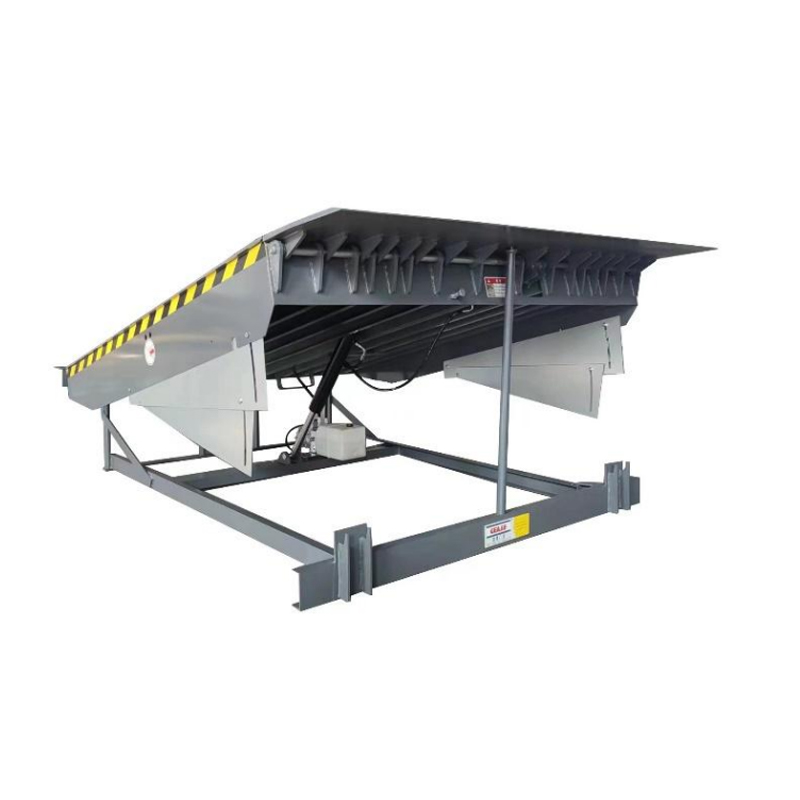
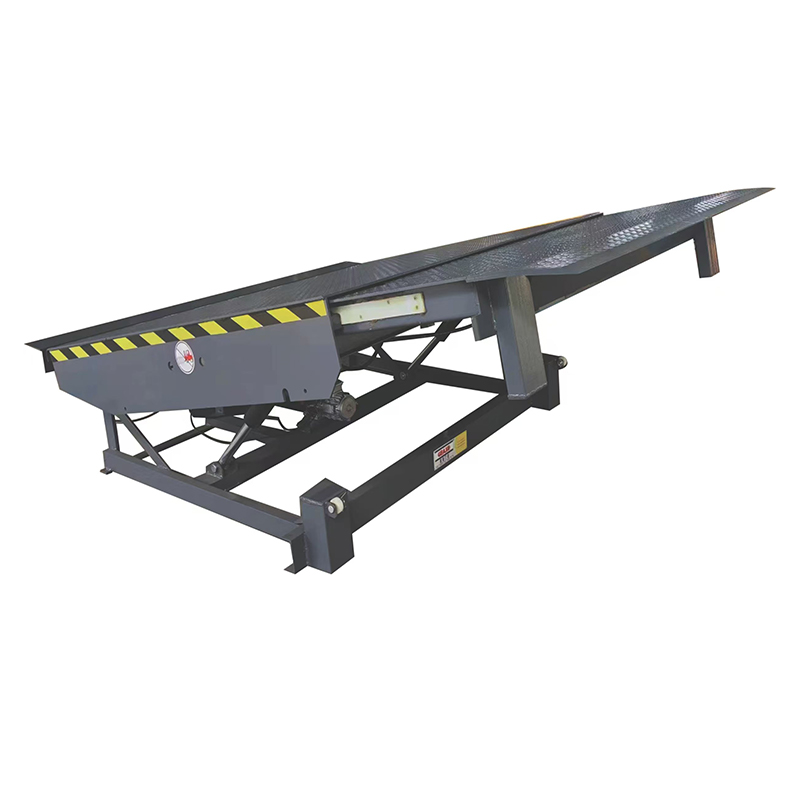
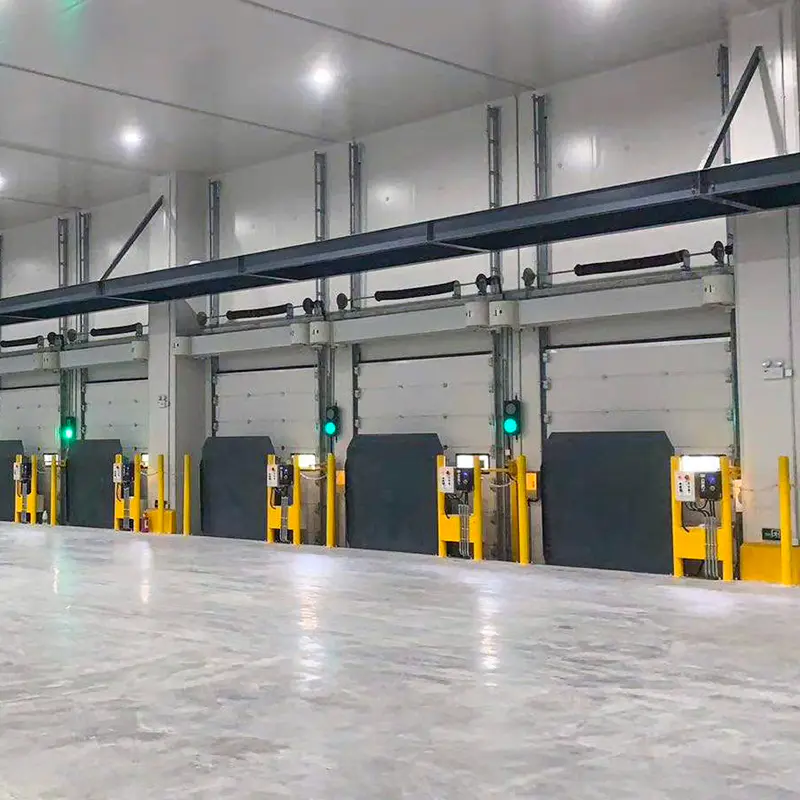
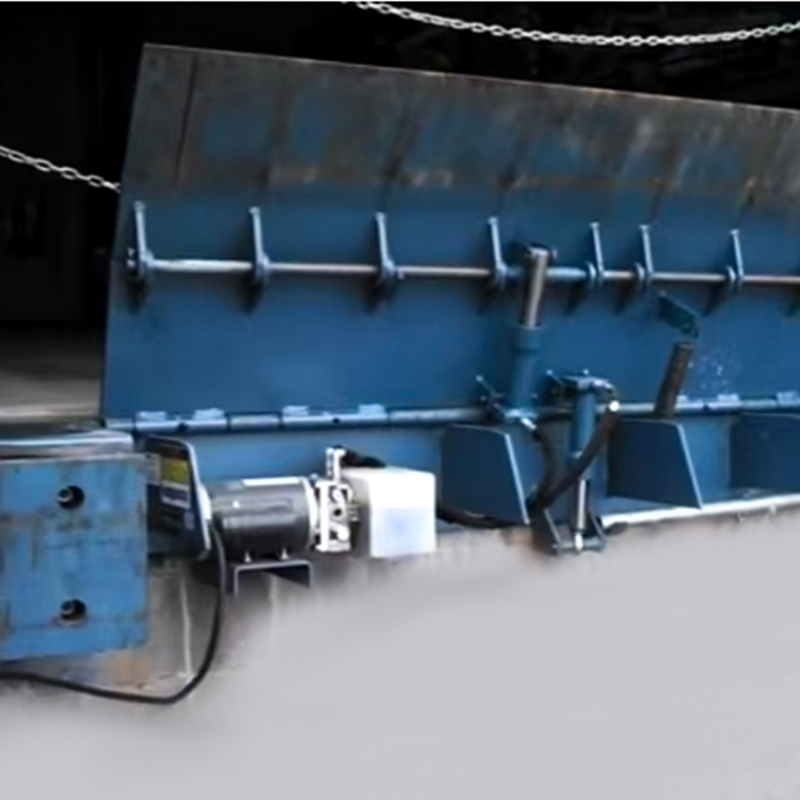
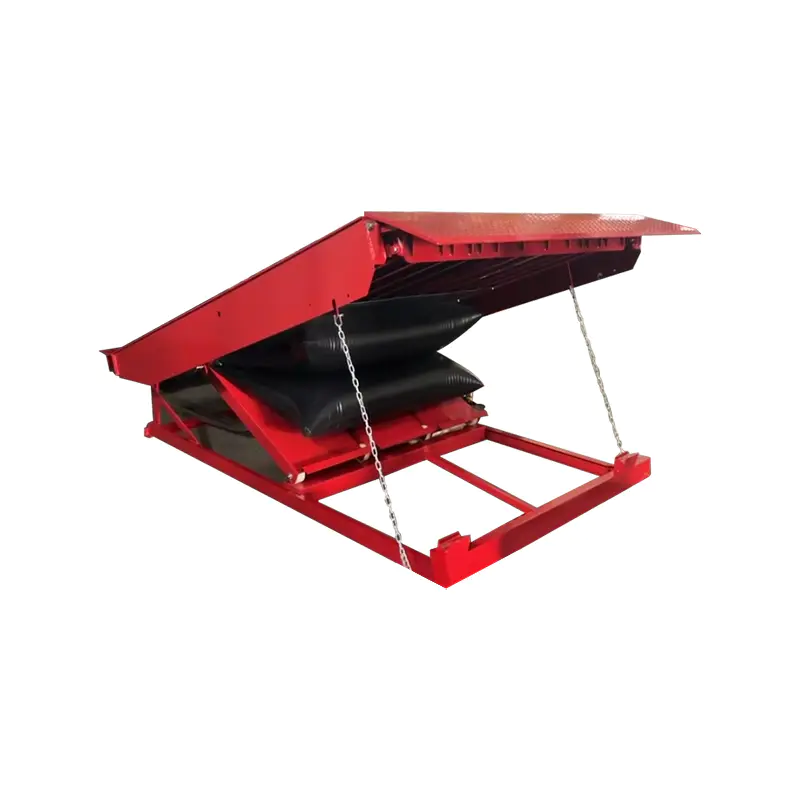
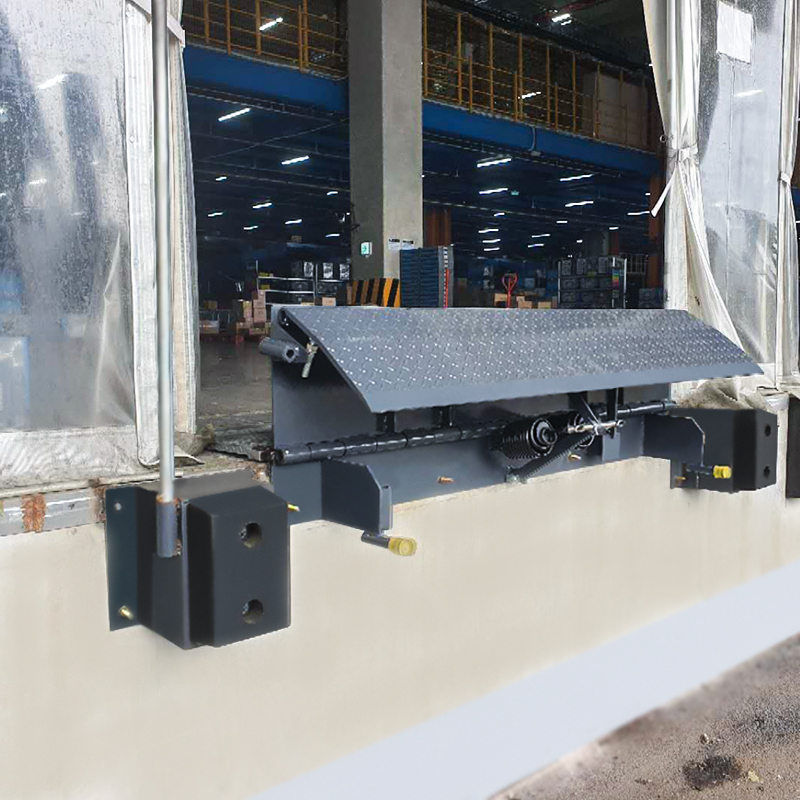
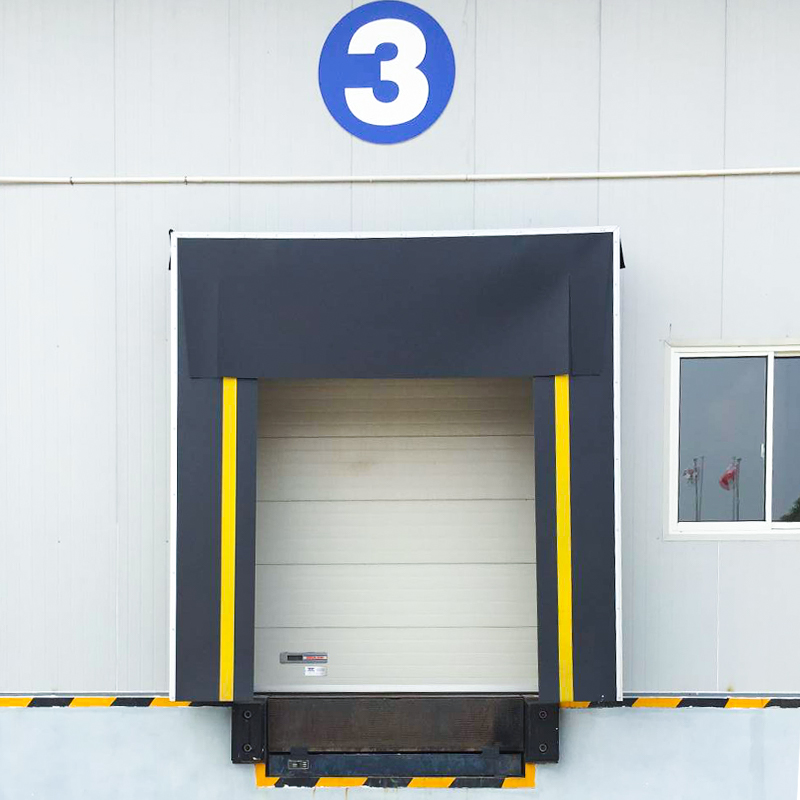
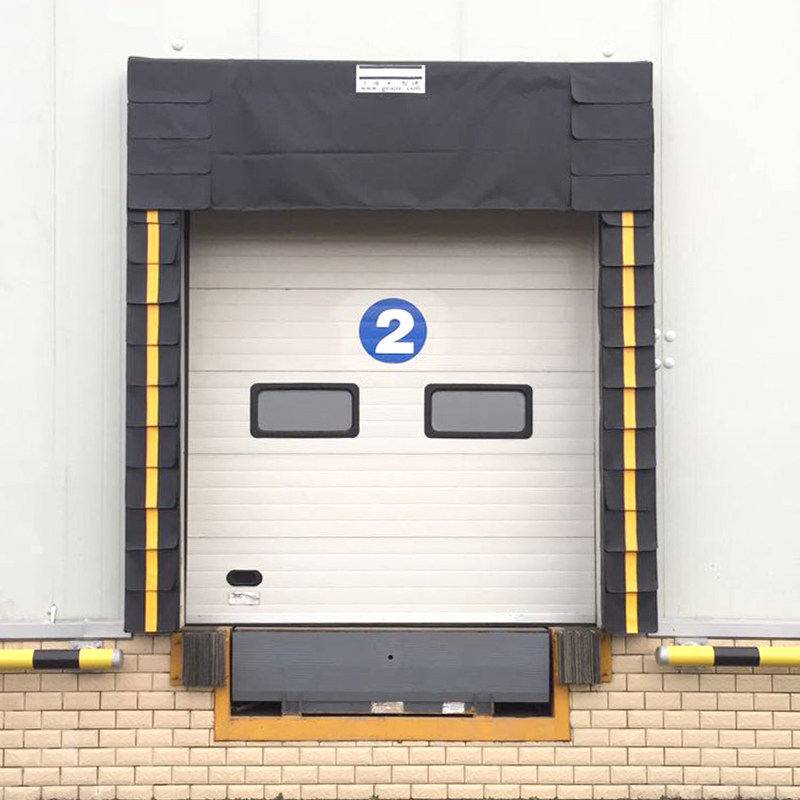
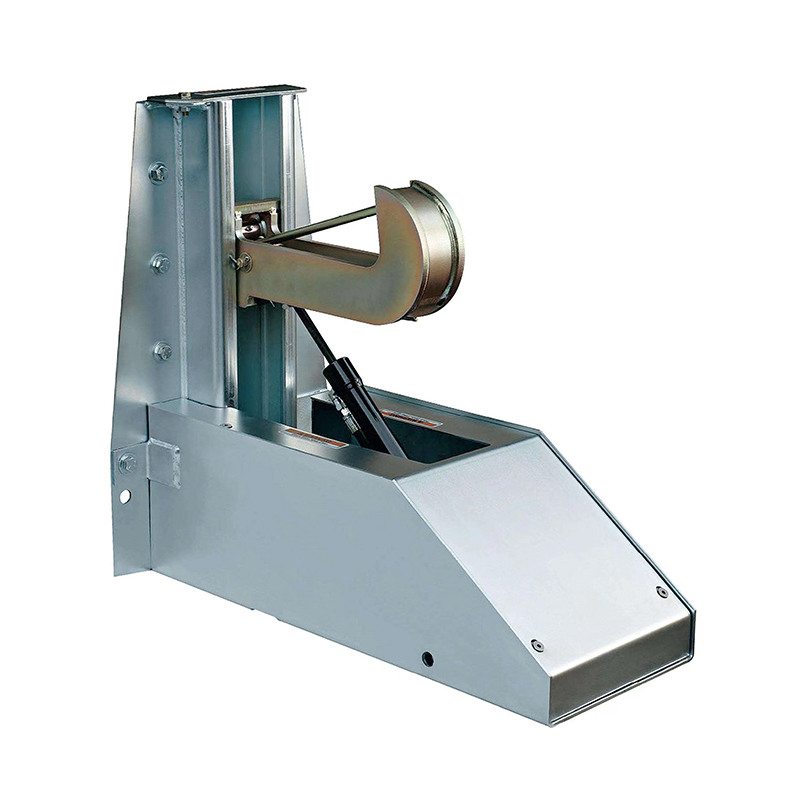
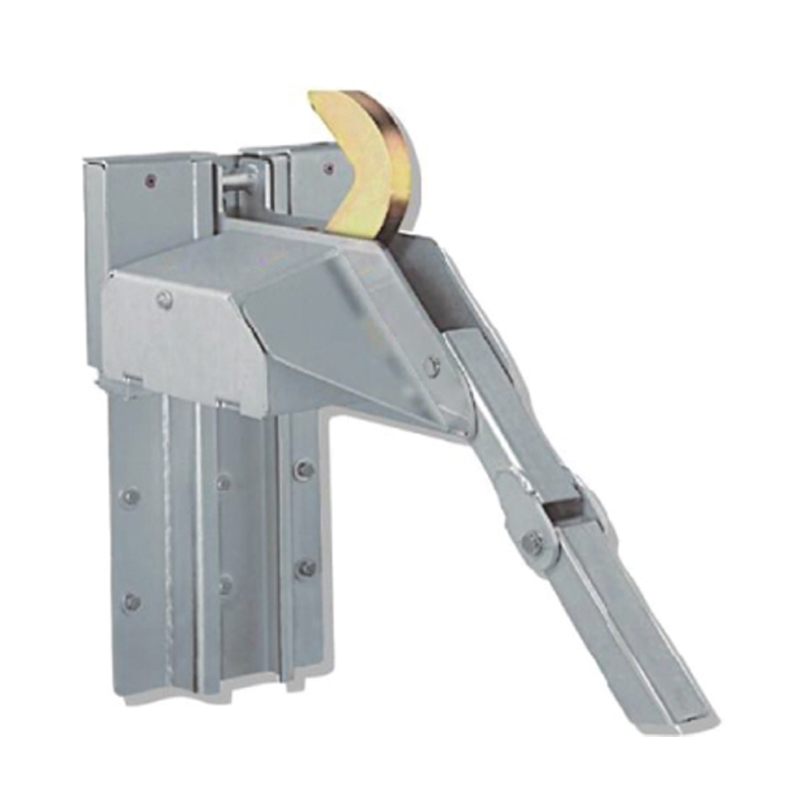
A hydraulic dock leveler looks like a piece of passive steel sunk into the loading bay. In daily o...
Hydraulic dock levelers are significantly quieter than mechanical dock levelers — operating at 65–75 dB, compared to the 85–100 dB that mechanical models commonly produce during operation. For noise-sensitive warehouse environments, this difference is not trivial: it crosses the threshold where prolonged exposure requires hearing protection under OSHA regulations (85 dB over an 8-hour shift). If your facility operates near residential areas, processes noise-sensitive goods, or runs multiple shifts around the clock, the choice of warehouse dock leveler type has a direct and measurable impact on your working environment.
Why Mechanical Dock Levelers Are Louder
A mechanical dock leveler relies on a spring-tension system. The operator manually "walks up" the leveler to compress the springs, then releases it to extend the lip onto the trailer bed. This sudden release of stored mechanical energy creates sharp, high-impact noise events — the most disruptive of which are:
- The initial spring-release bang when the deck drops onto the trailer
- The lip extension clank as it swings out and contacts the trailer floor
- Repeated metal-on-metal impact as forklifts cross the transition zone
- Return-to-stored-position impact when the leveler drops back into the pit
In high-throughput warehouses with multiple mechanical dock levelers cycling simultaneously, the combined noise level can easily push well above 90 dB on the dock floor — an environment where hearing protection becomes mandatory and communication between workers becomes difficult.
How Hydraulic Dock Levelers Reduce Noise at the Source
A hydraulic dock leveler uses pressurized fluid to raise and lower the deck and lip in a smooth, controlled motion. There is no spring release, no sudden drop, and no jarring impact sequence. The hydraulic pump motor produces some noise during the raise cycle — typically around 68–72 dB — but this is brief, steady-state noise rather than sharp percussive impact.
Key design features that contribute to quieter operation include:
- Controlled descent: The deck lowers at a metered hydraulic rate, eliminating free-fall impact
- Powered lip extension: The lip extends smoothly rather than swinging out under gravity or spring force
- Auto return: Many hydraulic models lower into stored position under full hydraulic control, avoiding a freefall bang
- Rubber bumpers and cushioned stops: Standard on most hydraulic units to absorb residual contact energy
Noise Level Comparison: Mechanical vs Hydraulic Dock Leveler
The table below summarizes typical noise characteristics across common warehouse dock leveler types and operational phases:
| Dock Leveler Type | Actuation Noise (dB) | Forklift Crossing Noise (dB) | Return-to-Stored Noise (dB) | Noise Profile |
|---|---|---|---|---|
| Mechanical | 90–100 dB | 85–95 dB | 85–100 dB | Sharp, percussive impact events |
| Hydraulic | 65–72 dB | 68–75 dB | 65–70 dB | Low, steady motor hum |
| Air-Powered | 70–78 dB | 70–78 dB | 68–75 dB | Moderate, pneumatic hiss |
| Vertical Storing | 65–70 dB | 70–75 dB | 65–70 dB | Smooth, near-silent |
Regulatory and Compliance Considerations
Noise at the warehouse dock is not just a comfort issue — it carries regulatory weight. Under OSHA 29 CFR 1910.95, employers must implement a hearing conservation program when workers are exposed to noise at or above 85 dB as an 8-hour time-weighted average (TWA). Engineering controls — such as upgrading to hydraulic warehouse dock leveler systems — are the preferred compliance method over relying on personal protective equipment (PPE).
In Europe, the EU Physical Agents (Noise) Directive 2003/10/EC sets lower action values at 80 dB(A) and upper action values at 85 dB(A). A facility running multiple mechanical dock levelers may trigger compliance obligations that would not arise with hydraulic equipment.
Beyond regulatory thresholds, excessive dock noise contributes to worker fatigue, communication errors, and elevated accident risk — all of which carry indirect costs that far exceed the price premium of a quieter dock leveler.
Which Environments Benefit Most from a Quieter Dock Leveler
Not every facility has the same sensitivity to dock noise. The following operational contexts make the case for hydraulic or other low-noise dock leveler types especially compelling:
Multi-Shift 24/7 Operations
When loading docks operate through the night, noise generated by mechanical dock levelers can violate local ordinances and disturb residential neighbors. A hydraulic warehouse dock leveler running at under 72 dB is less likely to trigger noise complaints or require costly noise abatement retrofitting.
Cold Storage and Food Distribution
These facilities often require close coordination between dock personnel — verbal communication is critical for food safety compliance and cold-chain management. A dock environment where noise routinely exceeds 90 dB makes verbal communication unreliable and increases the risk of miscommunication-related errors.
Pharmaceutical and Electronics Warehousing
Facilities handling high-value or fragile goods require careful handling procedures. The vibration and impact shock transmitted through a mechanical dock leveler during actuation can propagate through the dock floor, potentially affecting sensitive goods staged nearby. A hydraulic dock leveler eliminates these shock events.
Urban and Mixed-Use Developments
Distribution centers embedded in urban logistics hubs or attached to retail facilities face heightened noise scrutiny from building managers, tenants, and municipalities. In these settings, specifying a low-noise hydraulic warehouse dock leveler is increasingly a planning and permitting requirement, not merely a best practice.
Cost Trade-Offs: Is the Noise Reduction Worth the Investment?
A hydraulic dock leveler typically costs $3,000–$6,000 per unit installed, compared to $1,500–$3,500 for a comparable mechanical dock leveler. The upfront cost difference is real, but it must be weighed against:
- Reduced hearing conservation program costs — audiometric testing, hearing protection programs, and administrative burden
- Lower workers' compensation exposure — noise-induced hearing loss claims are a recognized liability in high-decibel dock environments
- Reduced maintenance downtime — mechanical dock levelers require more frequent spring and lip mechanism servicing than hydraulic counterparts
- Operator efficiency gains — hydraulic operation requires less physical effort and reduces cycle time per truck
For facilities processing 30 or more trucks per day, the operational and compliance savings from hydraulic dock levelers typically offset the cost premium within 3–5 years.
Practical Steps to Reduce Dock Leveler Noise in Existing Facilities
If a full replacement to hydraulic dock levelers is not immediately feasible, the following interim measures can reduce mechanical dock leveler noise:
- Install dock bumpers with energy-absorbing materials — reduces the impact shock when the leveler contacts the trailer
- Apply anti-vibration pads under the pit frame — dampens structural noise transmission into the dock floor
- Lubricate all pivot points and spring assemblies on a monthly schedule — dry metal-on-metal contact amplifies operational noise significantly
- Replace worn deck hinges and lip hinges promptly — worn joints increase impact noise by 5–10 dB
- Train operators on proper mechanical technique — forceful or improper actuation increases peak noise by 8–15 dB over correct operation
These measures will not bring a mechanical dock leveler down to hydraulic noise levels, but they can realistically reduce peak noise by 10–15 dB in poorly maintained units — a meaningful improvement that can push some facilities back below the 85 dB regulatory action threshold.
The noise difference between a mechanical dock leveler and a hydraulic dock leveler is substantial enough to influence facility design decisions, regulatory compliance status, and long-term worker health outcomes. For any warehouse dock leveler application where noise is a meaningful constraint — whether driven by regulation, community relations, product sensitivity, or worker welfare — hydraulic technology is the clear choice. Mechanical dock levelers remain cost-effective for lower-volume, non-noise-sensitive applications, but their acoustic footprint is a genuine operational liability in demanding environments.
When evaluating dock leveler upgrades, request acoustic data from manufacturers in dB(A) — not just product descriptions — and benchmark against your current ambient dock noise levels before and after installation to quantify the improvement and document regulatory compliance.
