
 English
 Español
 Tiếng Việt

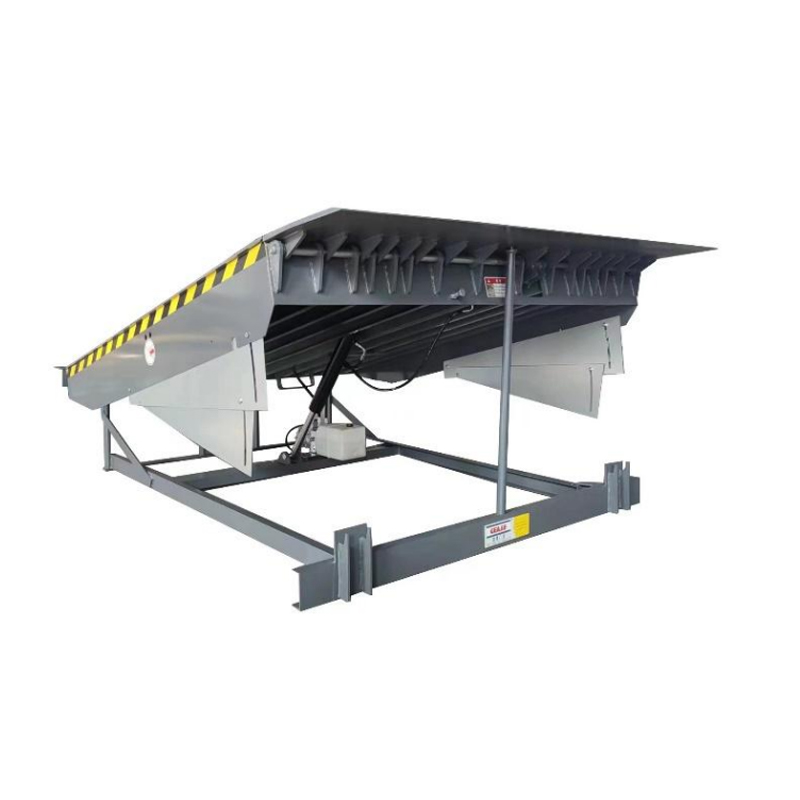
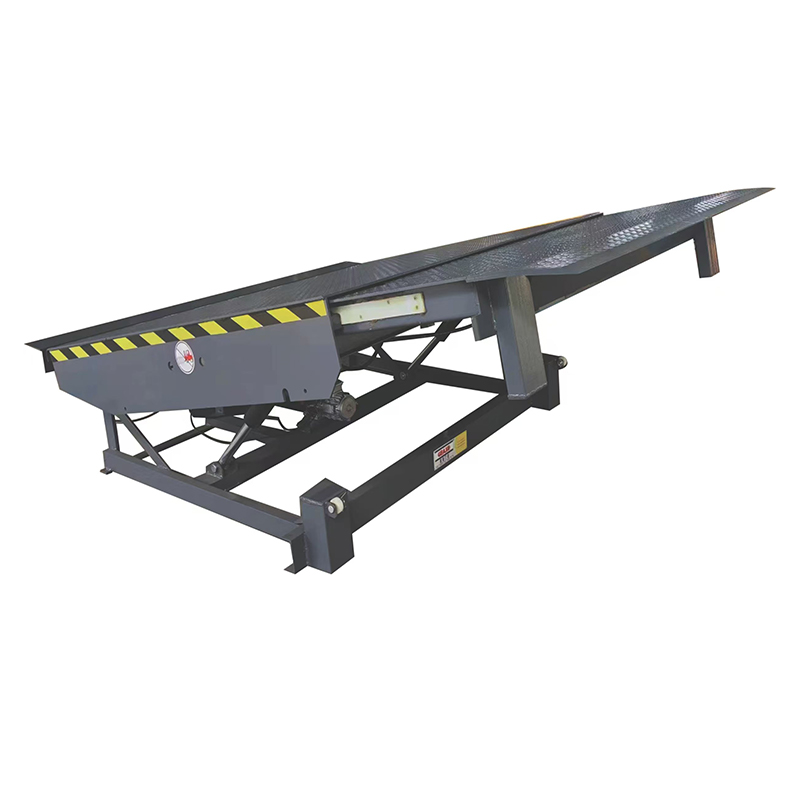
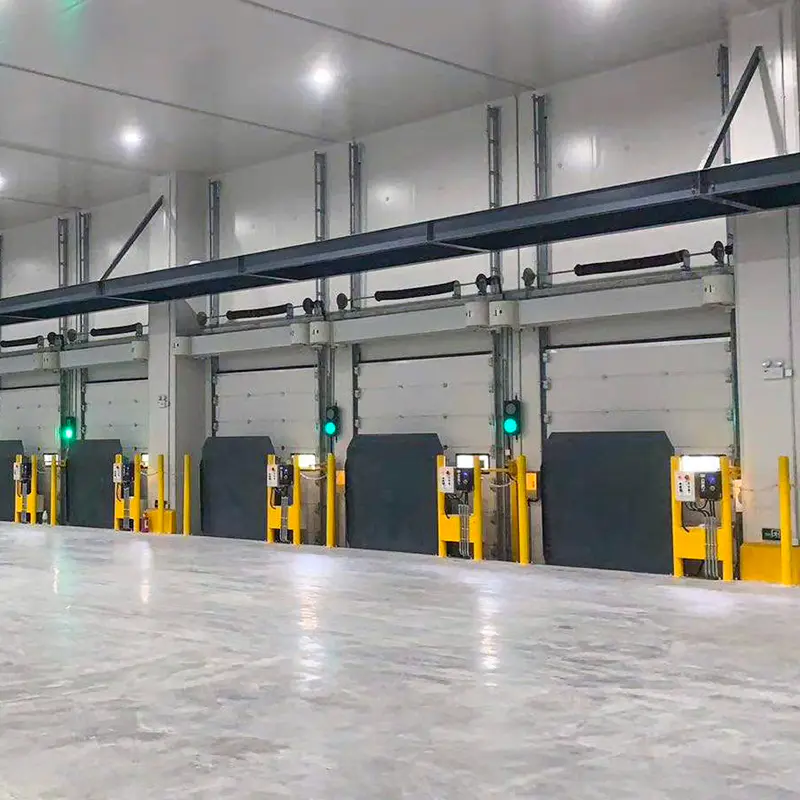
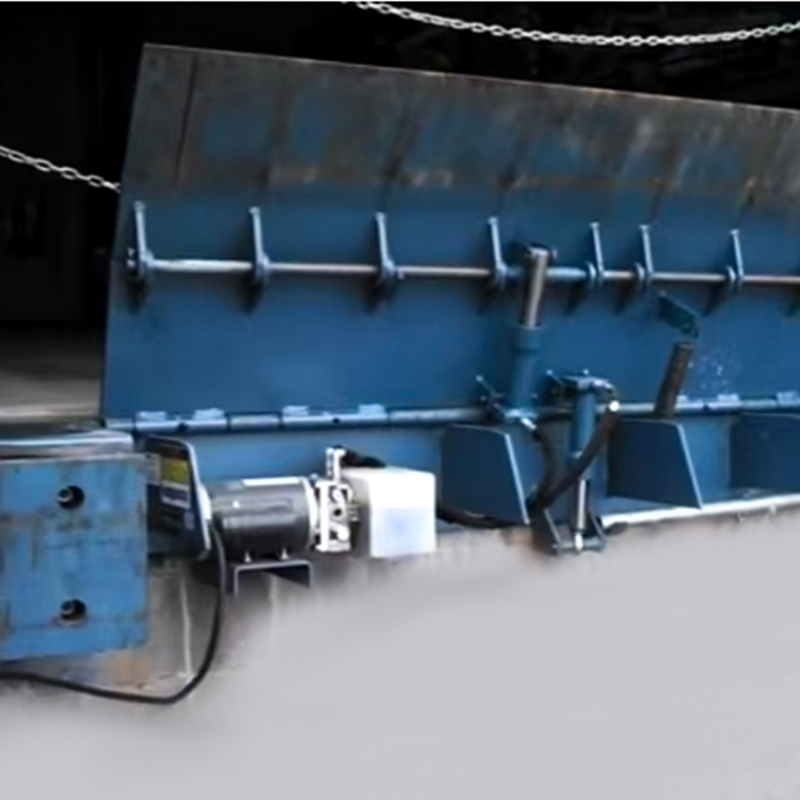
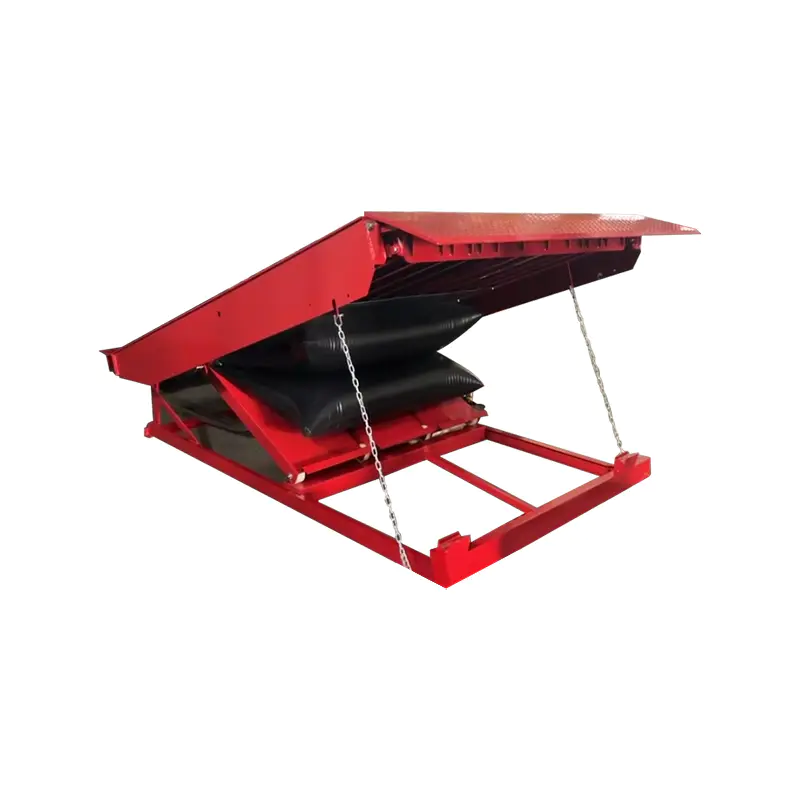
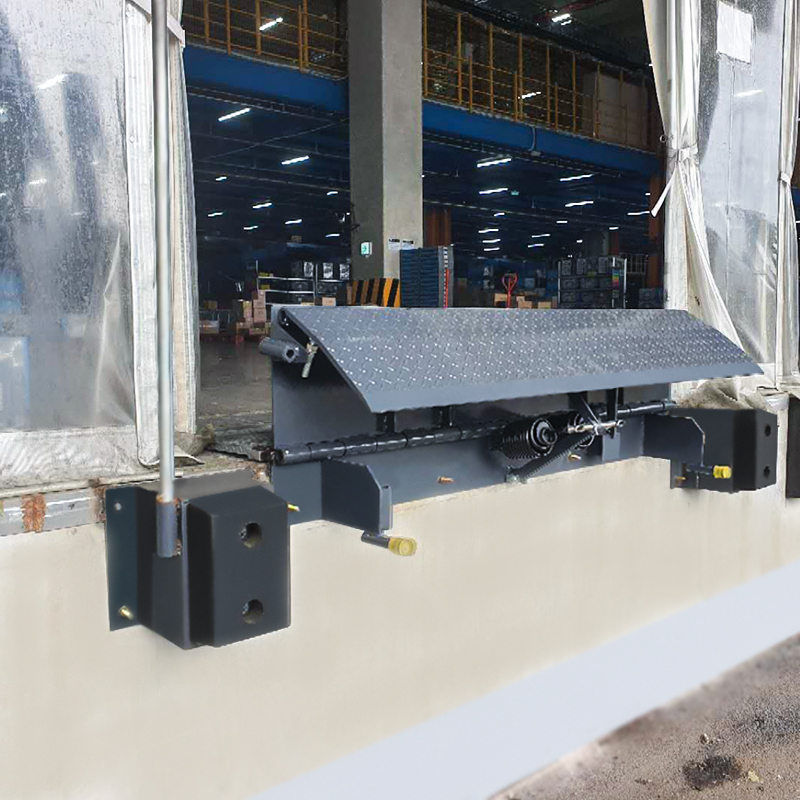
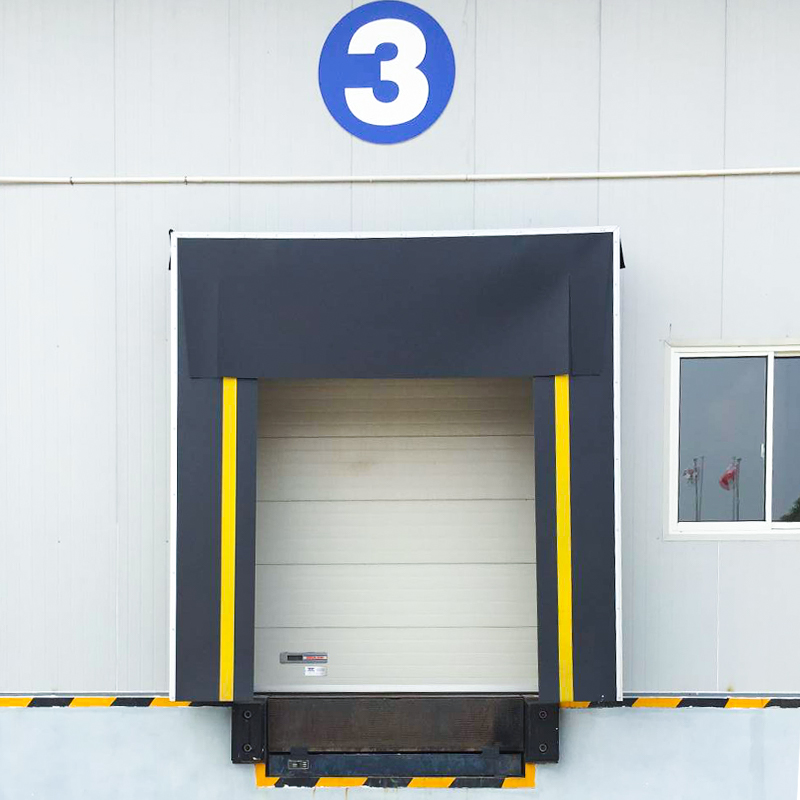
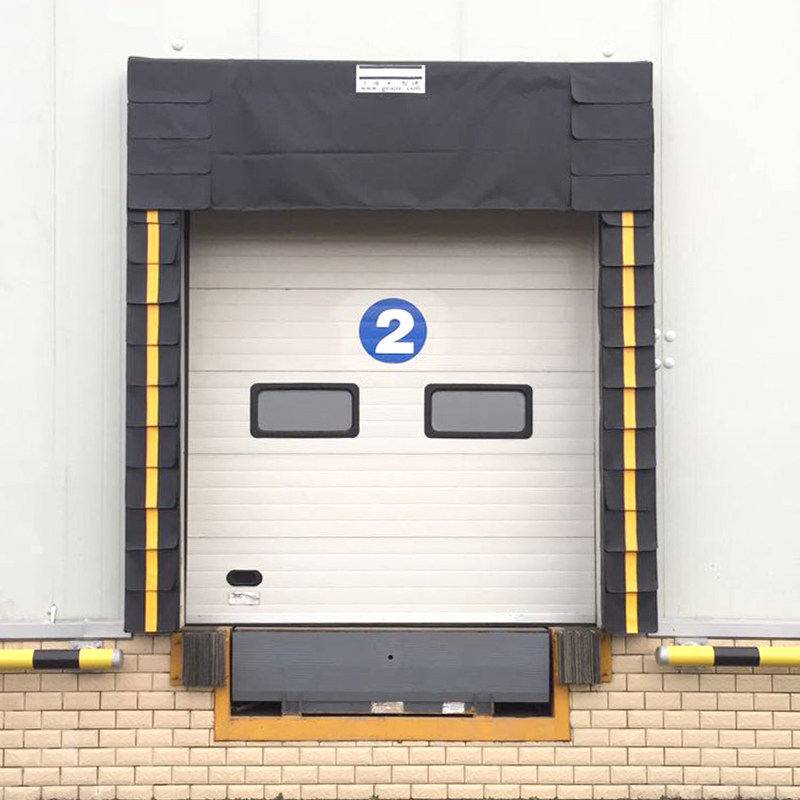
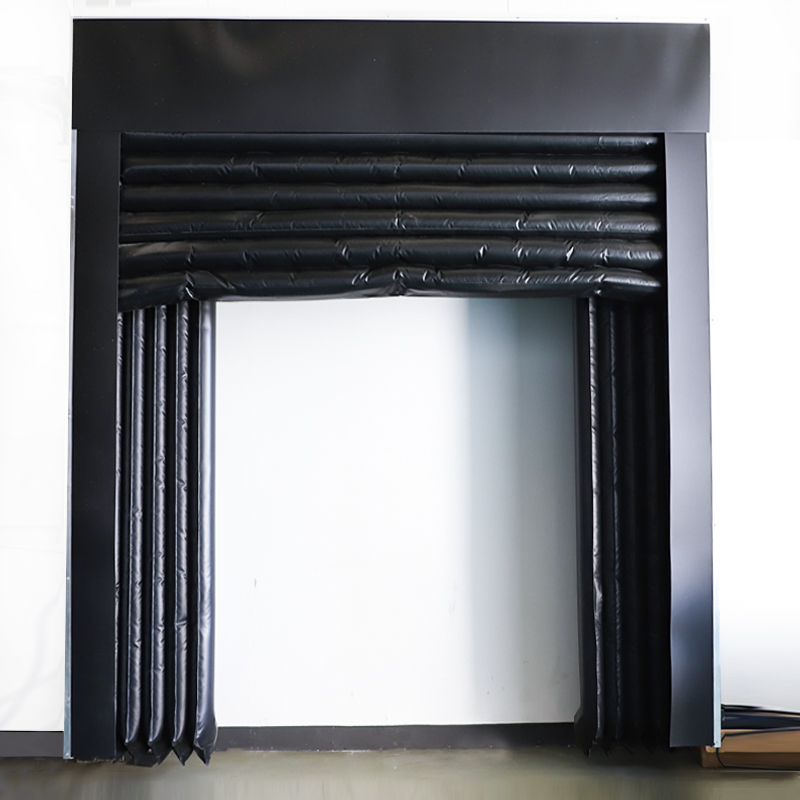
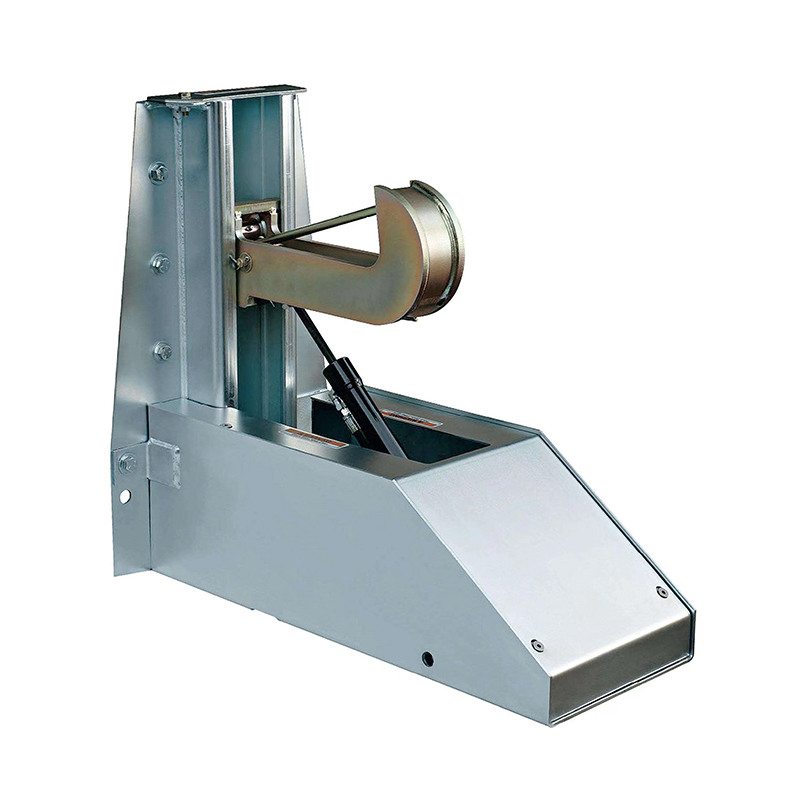
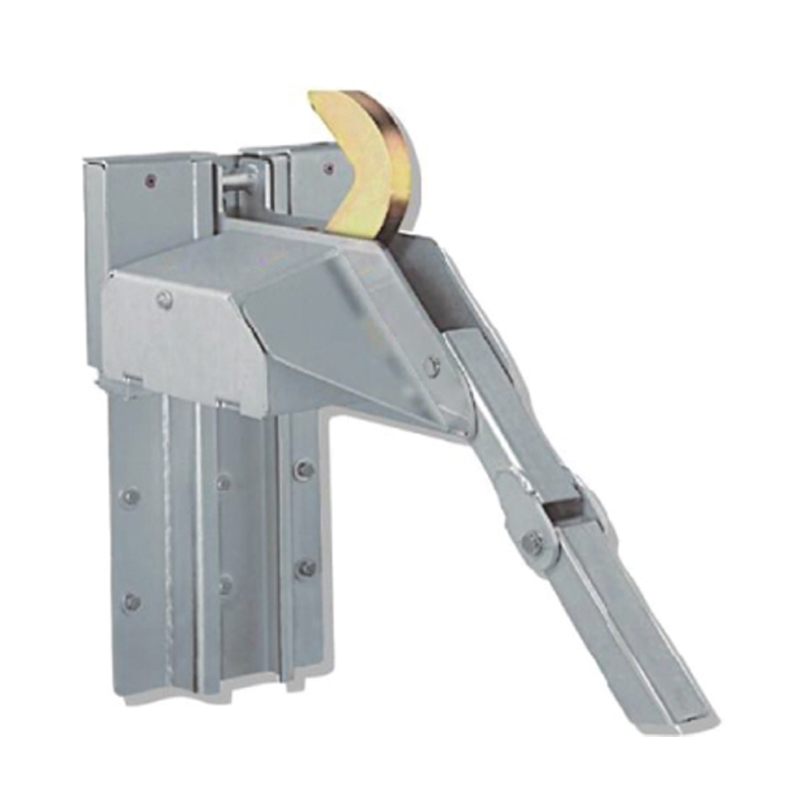
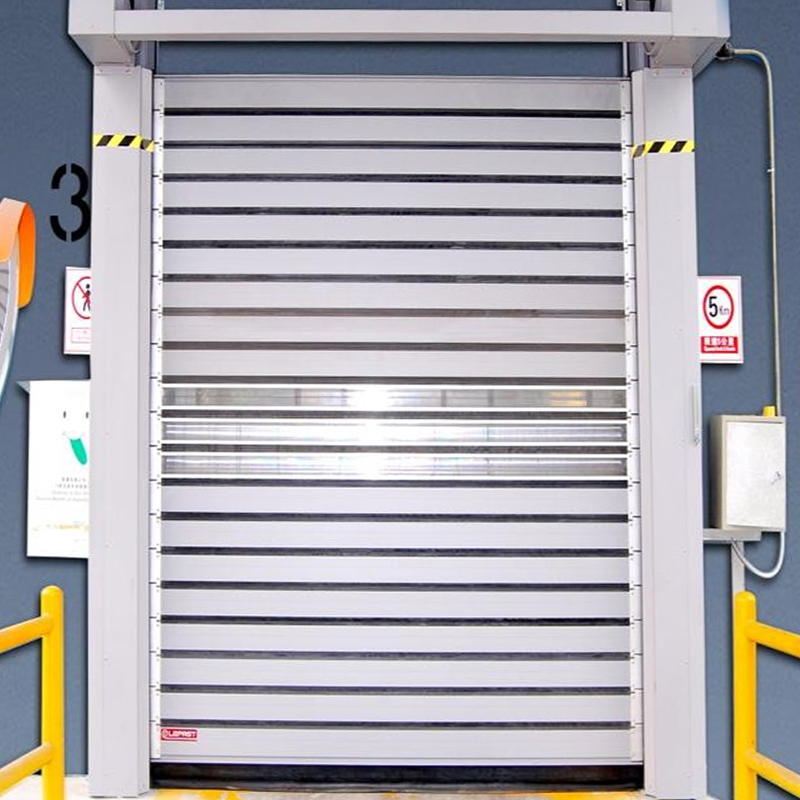
A hydraulic dock leveler looks like a piece of passive steel sunk into the loading bay. In daily o...
When it comes to wet or icy conditions, a mobile yard ramp with open-steel bar grating significantly outperforms a portable aluminum dock board in terms of traction, water drainage, and load stability. While aluminum dock boards are lightweight and convenient, their smooth or minimally textured surfaces become dangerously slippery when exposed to rain, snow, or ice. A mobile yard ramp's heavy-duty grated surface channels moisture away and maintains forklift grip even under harsh weather — making it the safer and more reliable choice for outdoor loading operations.
Why Surface Grating Matters in Outdoor Loading
Loading equipment surfaces are a critical safety factor, especially in facilities that operate year-round in variable weather. Forklifts carrying loads of 3,000–10,000 lbs depend entirely on surface friction to accelerate, brake, and turn safely. When moisture accumulates on a loading surface, the coefficient of friction drops sharply — and the risk of tip-overs, dropped loads, or operator injury increases substantially.
The surface design of your loading equipment is not merely a structural feature — it is a frontline safety measure. This is why understanding the difference between the grated steel deck of a mobile yard ramp and the flat panel surface of a portable aluminum dock board is essential for any warehouse or logistics manager making equipment decisions.
Mobile Yard Ramp Surface: Open-Steel Bar Grating Explained
Most commercial-grade mobile yard ramps feature open-bar steel grating — a grid pattern of bearing bars and cross bars welded together. This design offers several measurable performance advantages in adverse weather:
- Drainage: The open grid allows rain, melted snow, and ice melt to fall directly through the surface, preventing pooling. Flat aluminum panels, by contrast, allow water to sit on top.
- Grip surface area: The raised bearing bars create consistent edge contact with forklift tires, maintaining traction even when wet. Tire slip tests on grated steel show friction coefficients of approximately 0.45–0.55 when wet, compared to 0.20–0.30 on wet smooth aluminum.
- Ice resistance: Ice sheets are less likely to form uniformly on open grating because cold air circulates beneath the surface, reducing the freeze-thaw pooling effect that creates black ice on solid panels.
- Anti-slip treatment: Many mobile yard ramps are available with serrated-edge bearing bars or additional abrasive coatings, further enhancing wet-weather performance.
For facilities located in regions with frequent rain or freezing temperatures — such as the Midwest, Northeast, or Pacific Northwest — these properties are not optional extras. They are operational necessities.
Portable Aluminum Dock Board: Where It Falls Short in Wet Conditions
Portable aluminum dock boards are widely used because of their light weight (typically 100–250 lbs versus 800–2,500 lbs for a mobile yard ramp) and ease of manual handling. However, their surface performance in wet or icy environments presents real limitations:
- Most aluminum dock boards use a tread-plate or checker-plate pattern, which provides moderate grip when dry but becomes slick under wet conditions due to minimal drainage channels.
- Water cannot escape through a solid panel surface — it sheets across the top, especially on inclines, directly in the path of forklift tires.
- In freezing temperatures, standing water on aluminum panels freezes into a near-frictionless glaze. Aluminum's high thermal conductivity — approximately 205 W/m·K compared to steel's 50 W/m·K — means it loses heat faster, accelerating ice formation.
- Some higher-end aluminum dock boards include punched holes or extruded grip surfaces, which partially address drainage, but still cannot match the open-grating design of a mobile yard ramp.
In short, while an aluminum dock board may be adequate for sheltered indoor dock use, it is not the appropriate tool for exposed outdoor loading in wet or cold climates.
Side-by-Side Performance Comparison
| Performance Factor | Mobile Yard Ramp (Steel Grating) | Portable Aluminum Dock Board |
|---|---|---|
| Water Drainage | Excellent — drains through open grating | Poor — water pools on solid surface |
| Wet Friction Coefficient | ~0.45–0.55 | ~0.20–0.30 |
| Ice Formation Risk | Low — open grid reduces pooling | High — aluminum conducts cold rapidly |
| Anti-Slip Options | Serrated bars, abrasive coatings | Limited — checker plate only |
| Outdoor Weather Suitability | High | Moderate (best for sheltered use) |
| Weight | 800–2,500 lbs | 100–250 lbs |
| Load Capacity | Up to 30,000+ lbs | Typically 10,000–20,000 lbs |
Safety Standards and Certification Considerations
Surface traction is only one dimension of loading equipment safety. Regulatory compliance and certification play an equally important role in determining which equipment is appropriate for your operation. Safety certified dock levelers and other loading access equipment must meet OSHA 29 CFR 1910.178(e) standards, which govern safe surface conditions for powered industrial truck operations. A mobile yard ramp with open-bar grating that meets these friction and drainage requirements aligns with the intent of these standards far more naturally than a flat aluminum panel in outdoor use.
Furthermore, when procurement teams evaluate dock levelers for new or expanded facilities, comparing the surface specifications of mobile yard ramps against certified dock leveler platforms is a useful benchmark. Many industrial safety certifications — including those from the Rack Manufacturers Institute (RMI) and the Material Handling Industry (MHI) — emphasize surface grip ratings as part of equipment approval criteria. Choosing a mobile yard ramp that meets or exceeds these surface standards helps protect both workers and liability exposure.
Practical Recommendations for Cold-Climate and Wet-Weather Operations
If your facility regularly operates in wet or freezing conditions, the following practices will maximize the safety performance of your mobile yard ramp:
- Specify serrated-bar grating when ordering — this adds a secondary bite edge on each bearing bar and can increase wet friction by an additional 10–15%.
- Apply non-slip grating tape on the transition plate and entry point of the ramp, where the most forklift braking and acceleration occurs.
- Inspect and clean grating regularly — debris, oil, or compacted dirt can partially fill the open grid and reduce drainage efficiency.
- Use wheel chocks and safety legs at all times in wet conditions, as surface instability of the ramp itself increases when ground contact is slippery.
- Avoid portable aluminum dock boards as a substitute for yard ramp operations in outdoor or semi-outdoor environments during fall and winter months.
When an Aluminum Dock Board Is Still Appropriate
It is worth noting that portable aluminum dock boards are not without merit — they simply belong in a different use context. They perform well in:
- Covered indoor dock bays where weather exposure is minimal
- Light-duty operations using pallet jacks rather than powered forklifts
- Temporary bridging between a dock and a truck at a fixed, level height
- Facilities where weight limitations prevent heavy equipment deployment
In these scenarios, a well-maintained aluminum dock board is a cost-effective and practical solution. The critical mistake is deploying it as a like-for-like substitute for a mobile yard ramp in outdoor, all-weather environments — a context for which it was never designed.
Final Verdict
For any operation that involves outdoor loading in wet, rainy, or freezing conditions, the mobile yard ramp is the clear winner on surface safety performance. Its open-steel bar grating provides superior drainage, significantly higher wet friction, and lower ice formation risk compared to a portable aluminum dock board. The aluminum dock board, while lightweight and versatile in dry indoor settings, is fundamentally limited by its solid-panel design when confronted with moisture and cold.
When making your equipment selection, prioritize surface specifications as seriously as load capacity or height range. In wet and icy climates, the right surface grating is not just a comfort feature — it is the difference between a safe operation and a costly incident.
