
 English
 Español
 Tiếng Việt

Truck Dock Leveler: A Complete Buying Guide with Load Ratings and Safety Tips A practical field gu...
GEAJIE Loading Dock Equipment Guide
Dock Levelers for Sale: A Practical Buyer's Guide to Loading Dock Equipment
The dock leveler carries an outsized share of daily risk and productivity at every loading door. This guide covers which dock levelers are worth buying, what to verify before ordering, and how to compare machines on the market.
The first truck of the morning backs into Door 4 at 7:45. The driver releases the air-ride suspension, the trailer bed settles below the dock floor, and the forklift at the edge of the opening waits on the steel platform inside.
That platform is the dock leveler, and it is the hardest-working fixed machine in the building. The conclusion comes first: the ideal dock leveler for sale is not the heaviest, the cheapest, or the longest warranty. It is the machine that matches your vehicle mix, lift truck loads, pit dimensions, and maintenance capability.
What a Dock Leveler Does and Why It Belongs at Every Dock Door
A dock leveler is a working bridge between the building floor and the trailer bed. It compensates for the height difference between the two and for the horizontal gap between building and trailer. Without it, forklifts must cross a gap wide enough to trap a wheel and a height difference that changes truck to truck.
Trailer bed positions are not stable. An empty trailer sits higher than a loaded one, an air-ride trailer drops when the driver exhausts the air, and a spring truck changes height as goods are removed. The lip must reach the bed in all these states.
When these conditions are met, forklift cycles are faster, pallets do not shift, and product damage near the door drops sharply. When the leveler is undersized or poorly chosen, the same door becomes the slowest point in the operation.
Dock Levelers for Sale: The Four Configurations That Matter
Most dock levelers on the market fit into one of four families. Each has a different power source and operating style, and the difference matters more than the brand name on the frame.
Hydraulic Dock Levelers
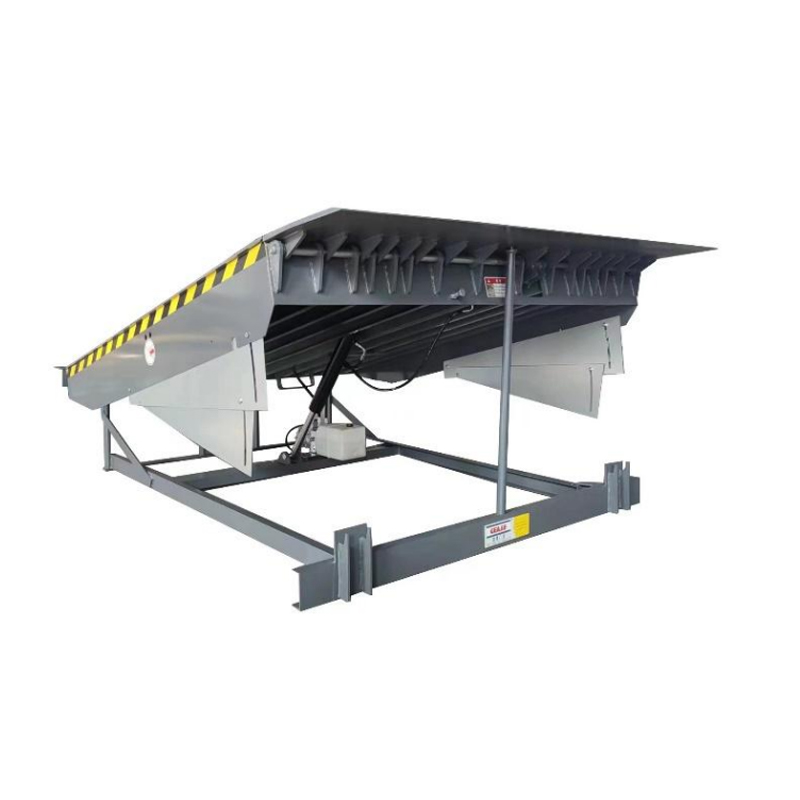
The hydraulic leveler is the standard choice for busy distribution centers. A small electric pump raises the deck, gravity lowers it onto the truck bed, and the lip extends automatically until it rests on the trailer floor. Hydraulic models offer the smoothest motion, the widest capacity range, and the fastest operating cycle. If the door will see constant forklift traffic across two shifts, start here.
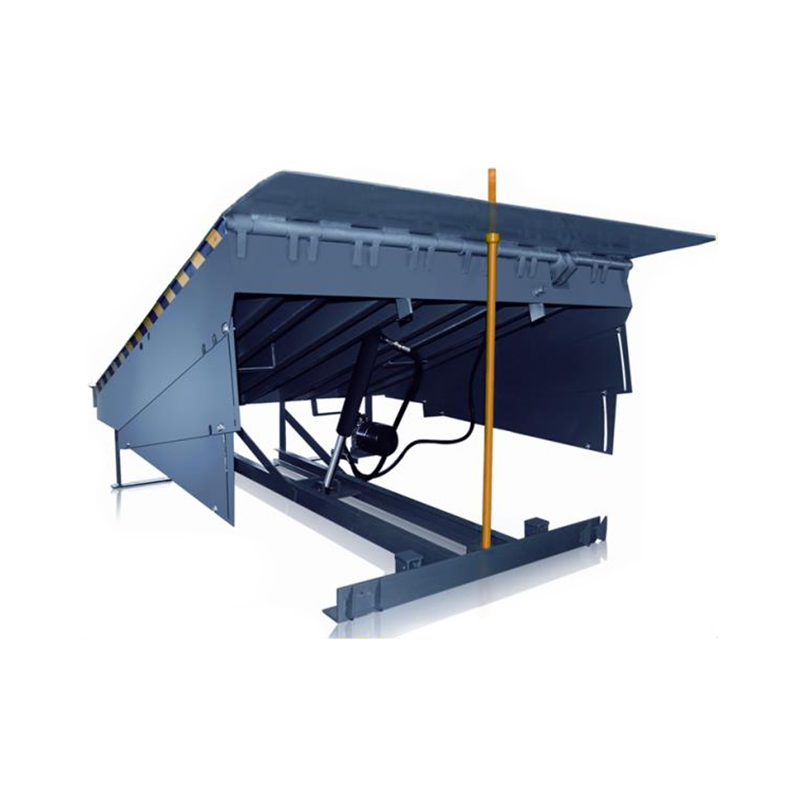 DL-1000 Hydraulic Dock Leveler for High-Volume Loading DocksThis hydraulic leveler suits busy distribution centers needing smooth, fast operation across two shifts. It features a 16mm swing lip, safety maintenance struts, and a security valve to protect workers and prevent accidents.View Product →
Air-Powered Dock Levelers
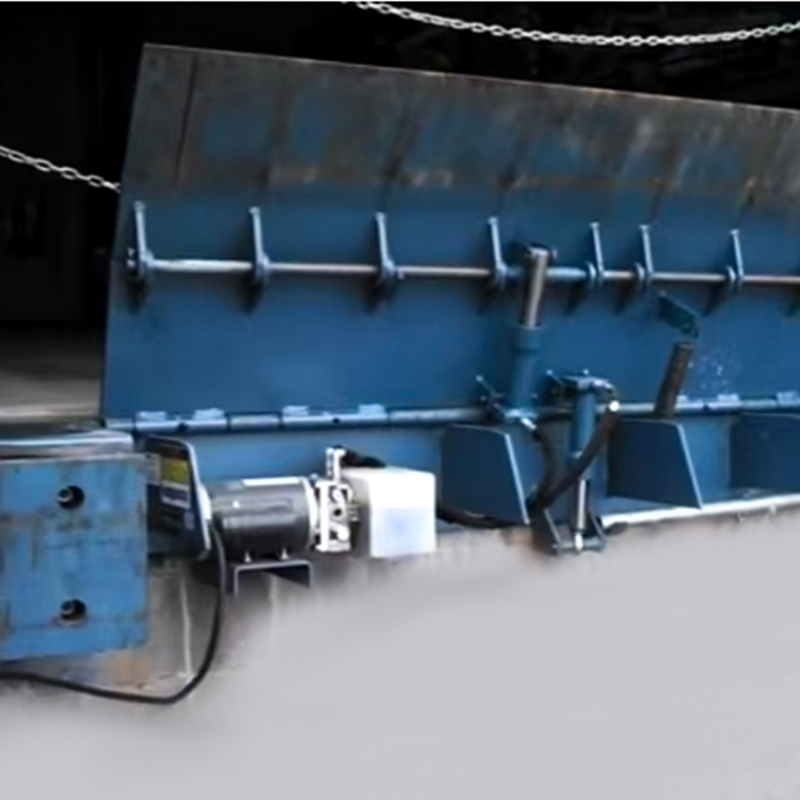
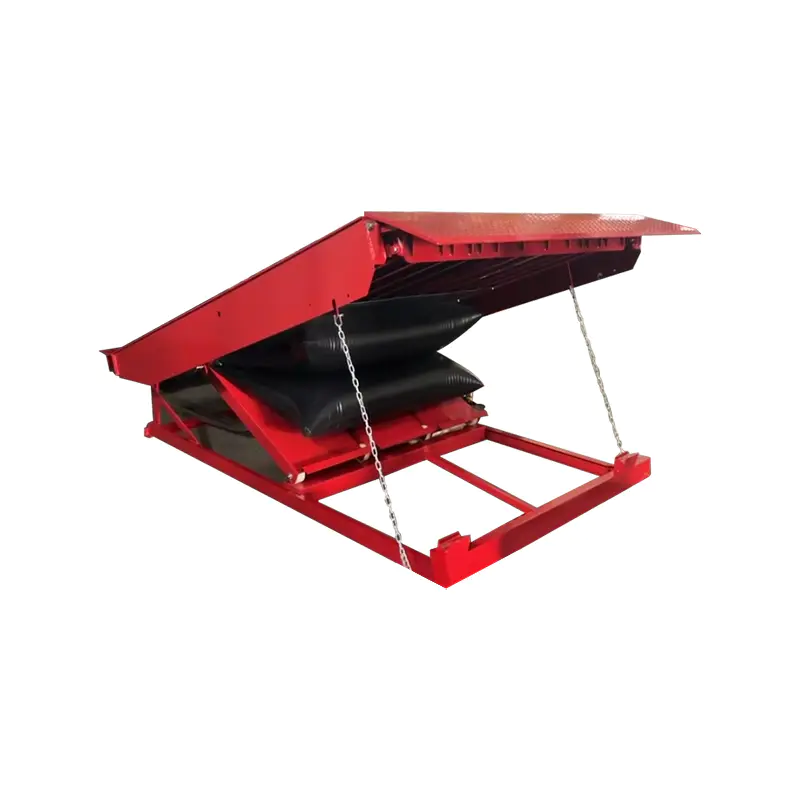
Air-powered levelers replace the hydraulic pump with an air bag that lifts the deck. The operator releases the air to lower the platform onto the truck. The benefit is a simple system with no hydraulic oil, no pump motor, and fewer components to maintain. Air-powered units suit facilities that already have a reliable compressed-air network.
Buyer note
Air-powered units depend on clean, dry compressed air at the pit. If no air line is available, the installation cost can offset part of the purchase savings.
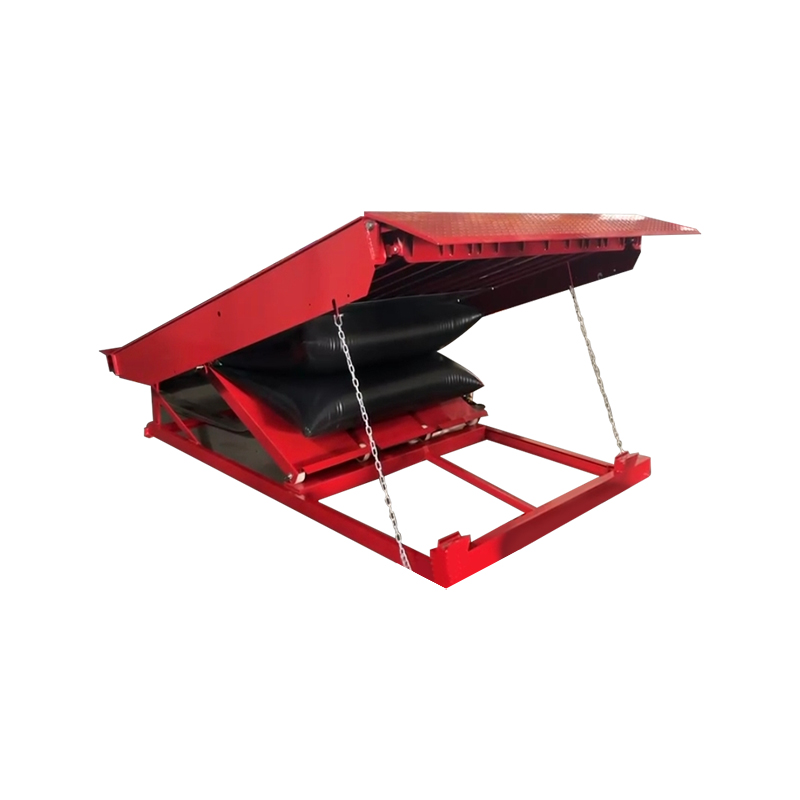 DL-A Air-Powered Dock Leveler with Low-Pressure Lifting SystemAir-powered levelers use compressed air instead of hydraulics, reducing components and maintenance. This model offers a puncture-resistant air tower and smooth operation, ideal for facilities with an existing air network.View Product →
Mechanical Dock Levelers
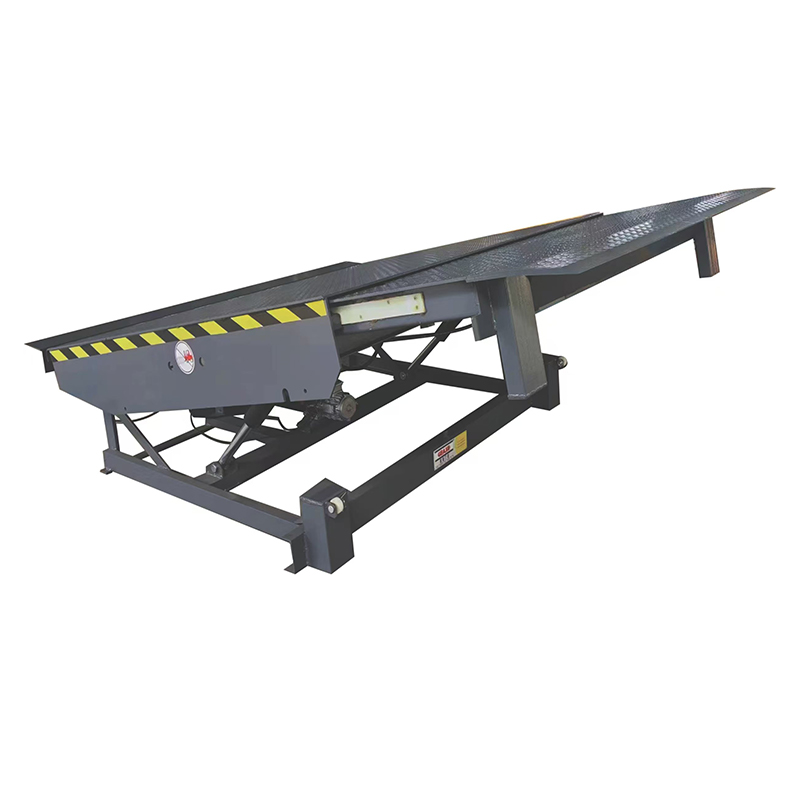
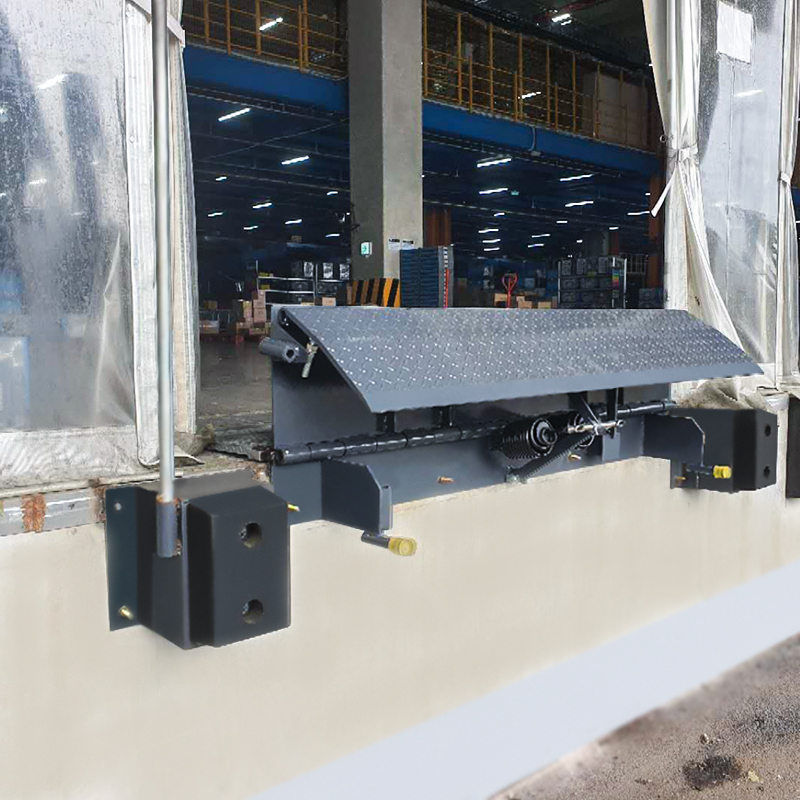
Mechanical levelers operate without external power. The platform is lifted with a release chain, held by counterbalance springs, and lowered by the operator. Initial cost is lower and maintenance is predictable. The trade-off is manual effort, which suits low- to medium-frequency doors. GEAJIE's EOD and EOM series cover this segment.
Vertical-Storing Dock Levelers
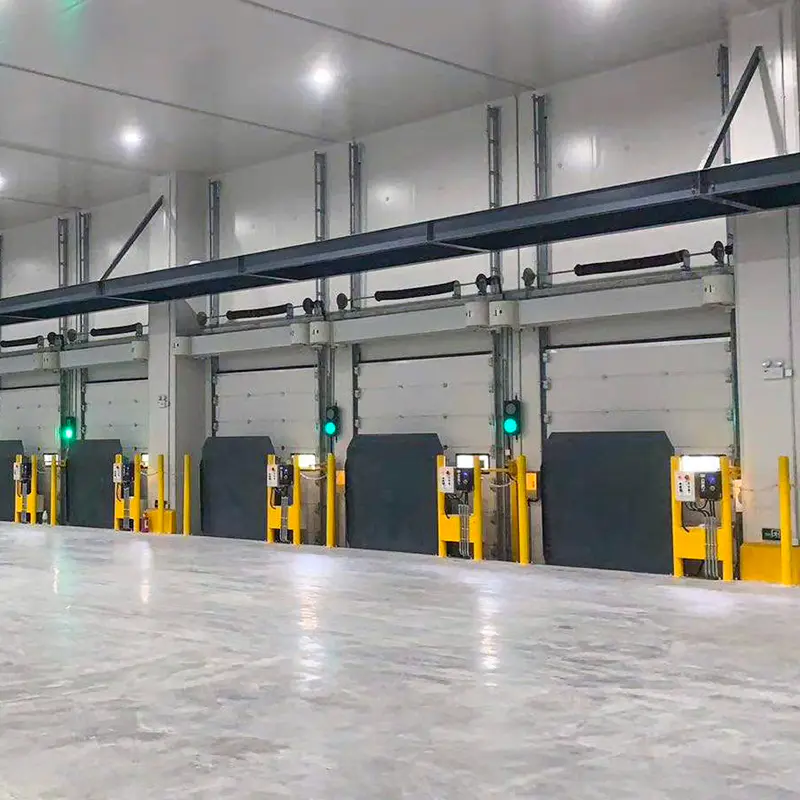
Vertical-storing levelers stand the deck upright when not in use, closing the opening and protecting the interior from drafts, dust, and insects. The design is popular in cold storage, food, pharmaceutical, and clean facilities, where temperature stability ranks above speed of access. If you operate a cold chain or handle temperature-sensitive goods, a vertical-storing model should be on your shortlist.
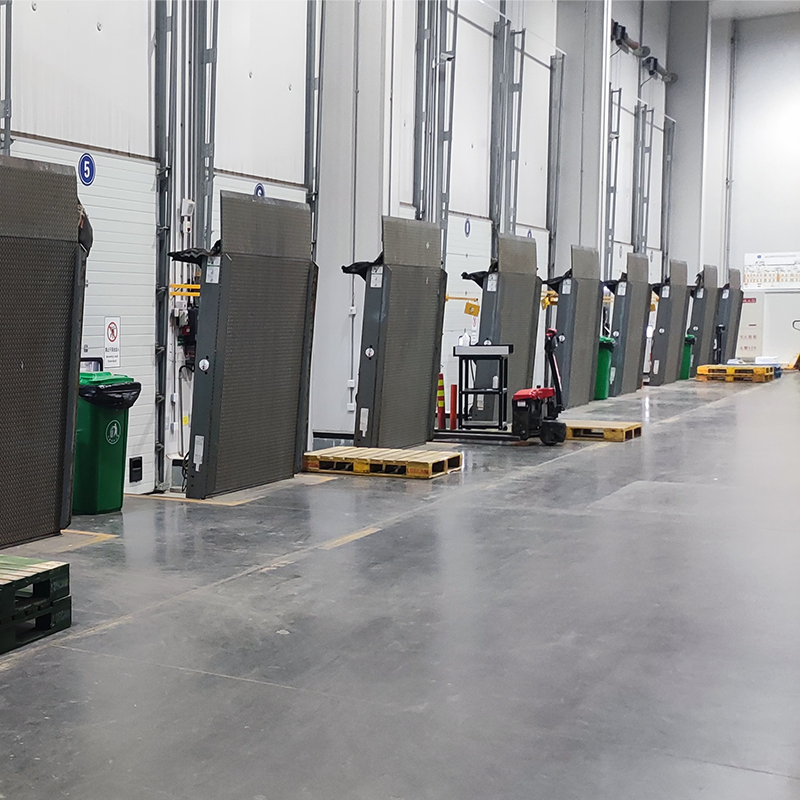 DL-2000 Vertical Standing Dock Leveler for Cold StorageDesigned for temperature-sensitive environments like cold storage, food, and pharmaceutical facilities. The upright storage seals the opening, reduces energy loss, and minimizes maintenance, with an 8mm anti-skid steel plate deck.View Product →
| Configuration | Power source | Typical capacity | Best suited to |
|---|---|---|---|
| Hydraulic pit-mounted | Electric hydraulic unit | 20,000–60,000 lb dynamic | High-frequency distribution centers |
| Air-powered | Compressed air | 20,000–40,000 lb dynamic | Plants with existing air systems |
| Mechanical spring-assisted | None | 20,000–35,000 lb dynamic | Lower-frequency dock doors |
| Vertical-storing | Hydraulic | 20,000–35,000 lb dynamic | Cold storage and clean environments |
| Mobile platform / yard ramp | Manual hydraulic pump | Varies by model | Facilities without fixed docks |
Capacity, Pit Dimensions, and Tolerances: Verify These First
The first number buyers ask about is load capacity. The more important number is dynamic load. Static capacity describes a platform resting under load; dynamic capacity describes the same load moving across it, which is the condition that punishes hinges, welds, and lip mechanisms.
A loaded counterbalance forklift carries most of its weight on the front axle. A lift truck with a 1,500 kg pallet can place more than 10,000 kg on that axle as it crosses the lip. A 25,000 lb dynamic rating is therefore a realistic entry point for many single-door operations, while 40,000 lb ratings suit five-ton trucks working near their limit all day.
Pit dimensions determine which leveler can be installed at all. A pit a few centimetres too shallow may not accept the frame, and an uneven pit floor creates stress concentrations under dynamic load. Measure the opening and compare it with the manufacturer's dimension sheet before ordering.
Most installation problems are not leveler problems — they are pit problems.
A practical checklist:
- Documented dynamic capacity for your heaviest lift truck.
- Pit width, depth, and concrete condition.
- Lip projection at full extension.
- Clearance for vertical-storing models.
Procurement rule
Select a dynamic capacity at least 25–30% above your heaviest regular forklift combination. The margin absorbs the peak loads from fast travel, loaded turns, and sudden stops that create the wear you would otherwise repair in the first year.
Safety, Integration, and the Components That Complete the Dock
Dock leveler safety is a set of safeguards working together. Cross-traffic legs reduce the risk of a forklift entering the pit while the deck is raised. Maintenance struts hold the deck securely during service. In powered models, the control system can be interlocked with the vehicle restraint, so the leveler cannot operate until the trailer is locked to the dock.
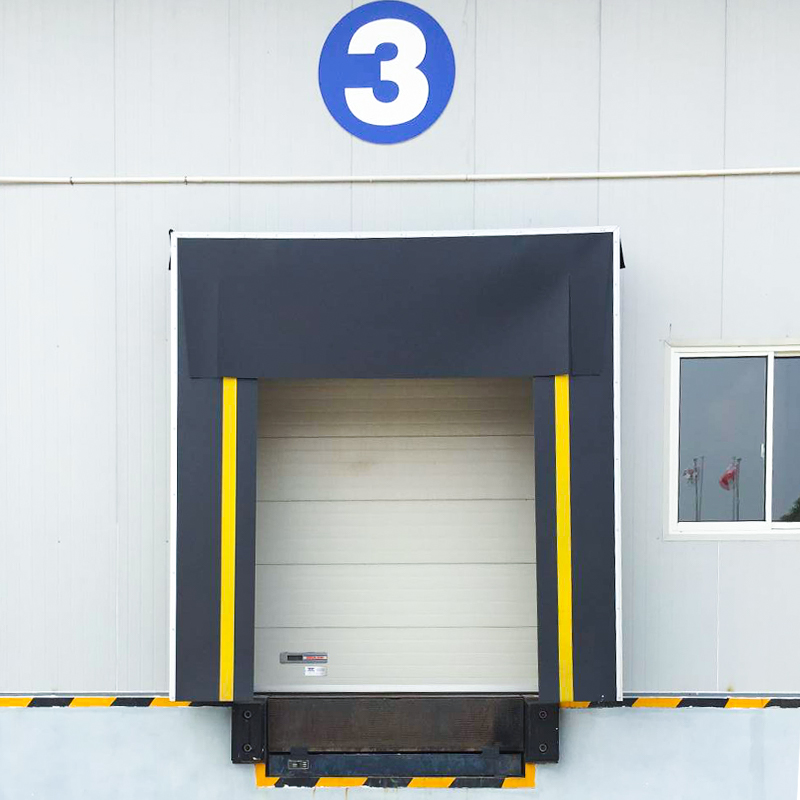
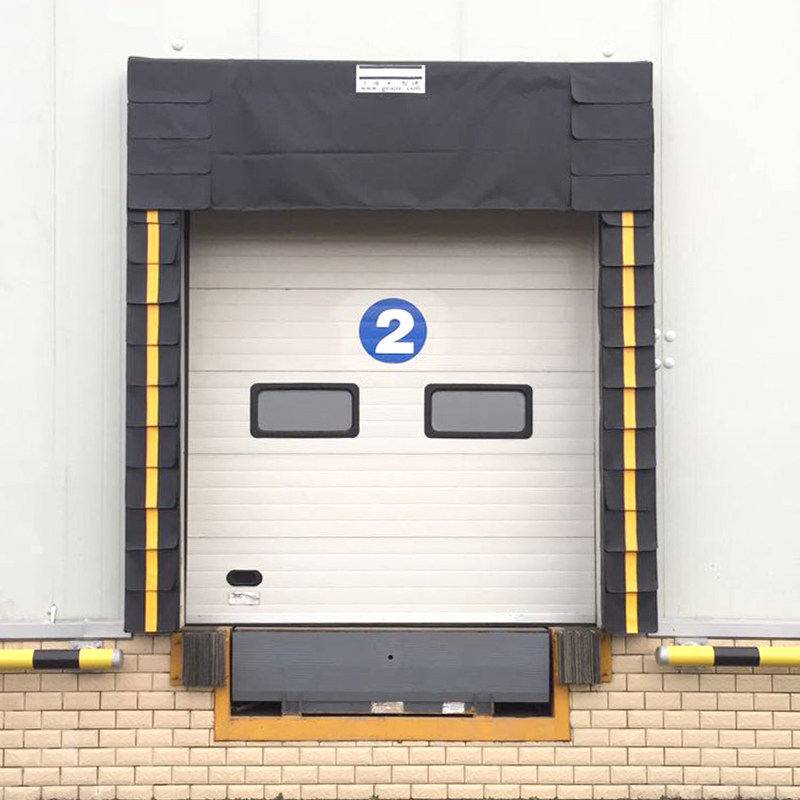
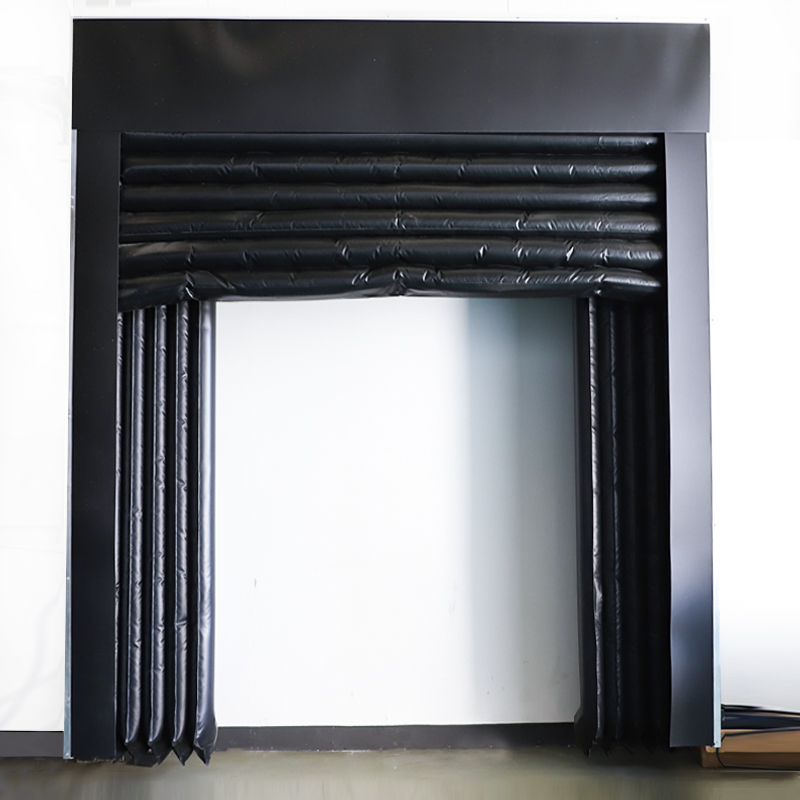
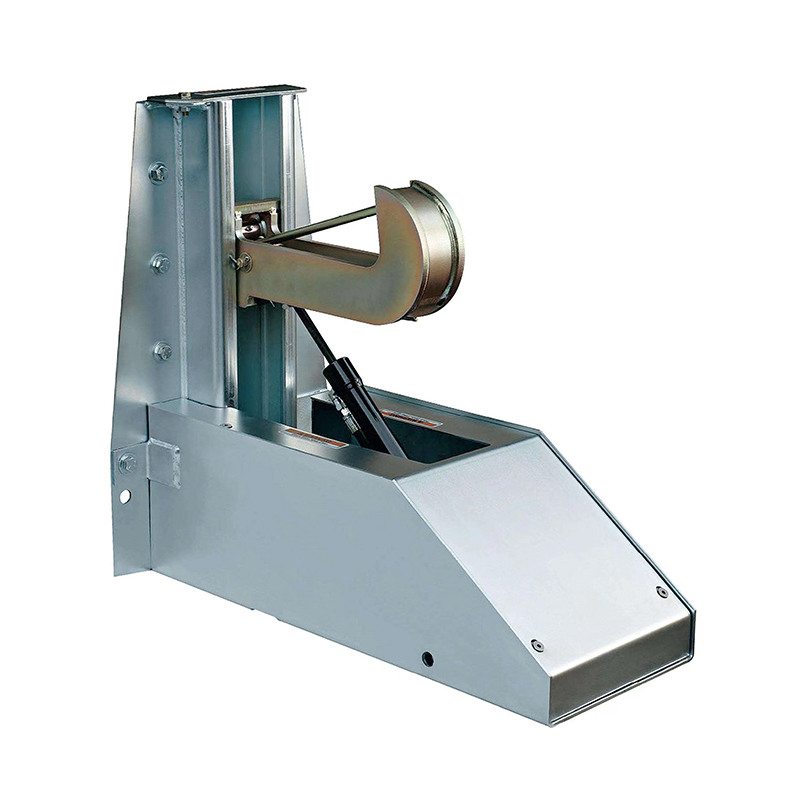
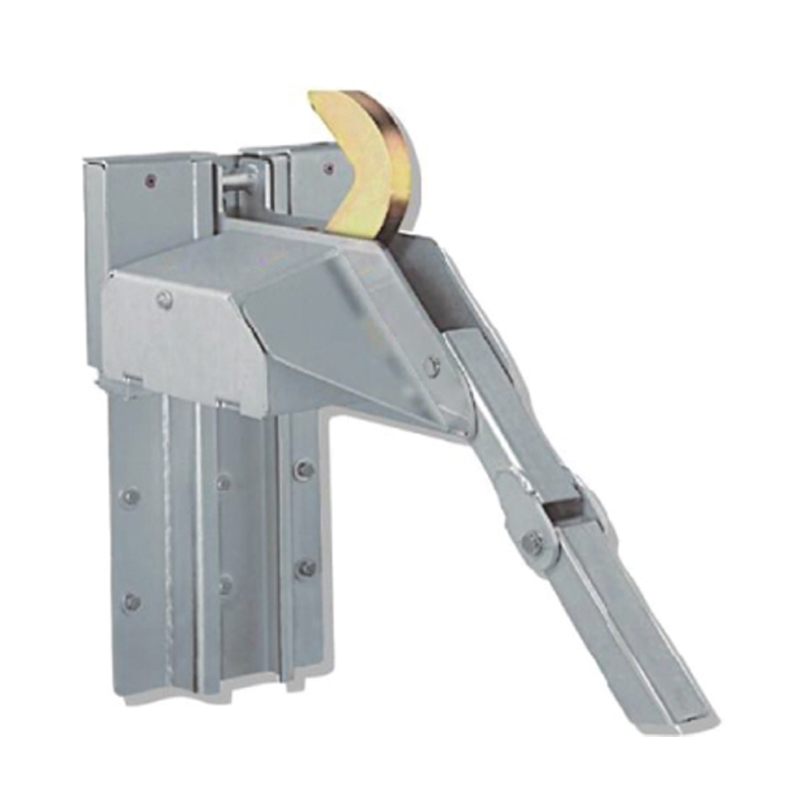
A leveler rarely works alone. The same door opening usually includes a dock seal and a vehicle restraint. Together they form one loop: the vehicle is held, the opening is sealed, and the forklift crosses a supported, level bridge. Buying the three products without checking their interface points is a common source of problems.
Watch out
Trailer creep of even five to ten centimetres can lift the lip off the truck bed and change the crossing angle. On docks with constant traffic, restraints are not optional, especially with air-suspension trailers that rise as weight is removed.
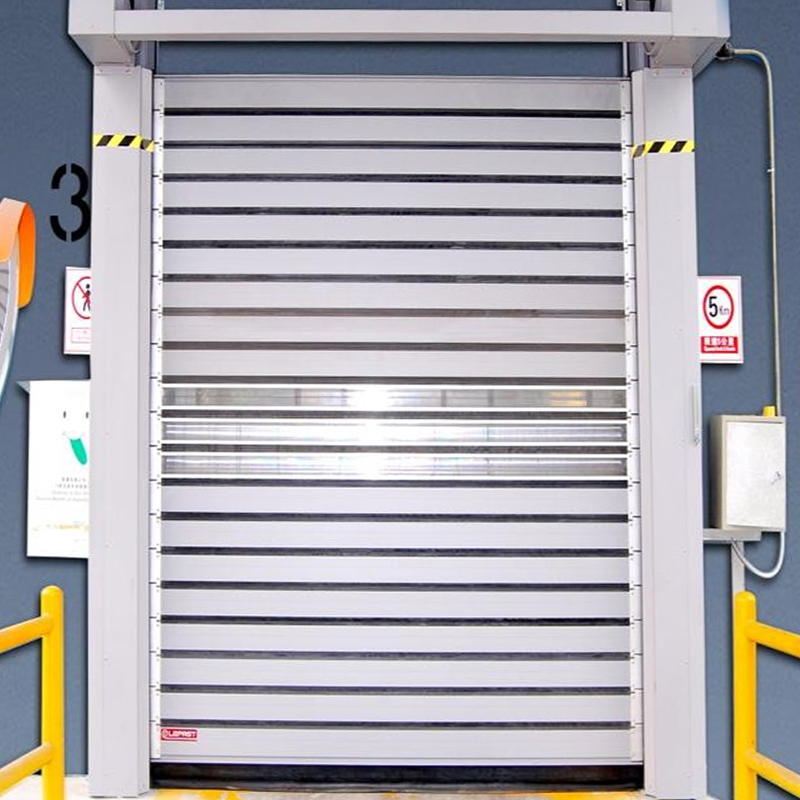
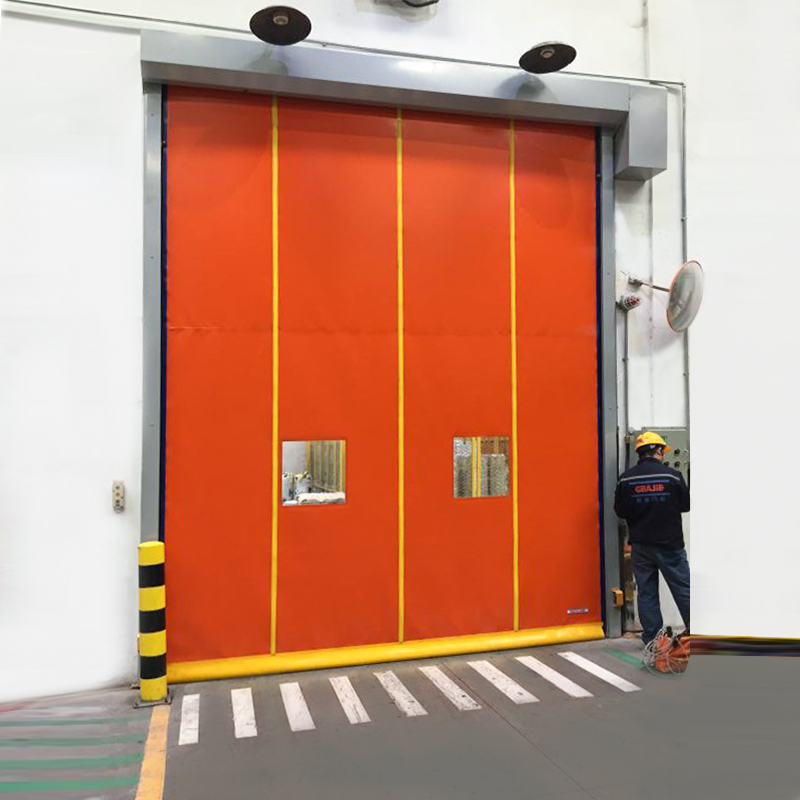
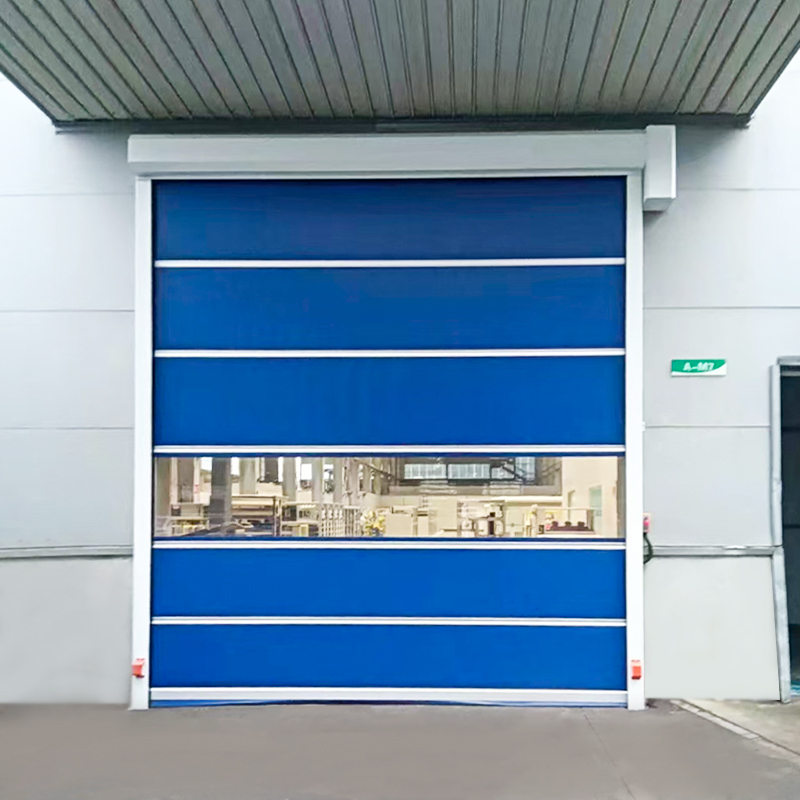
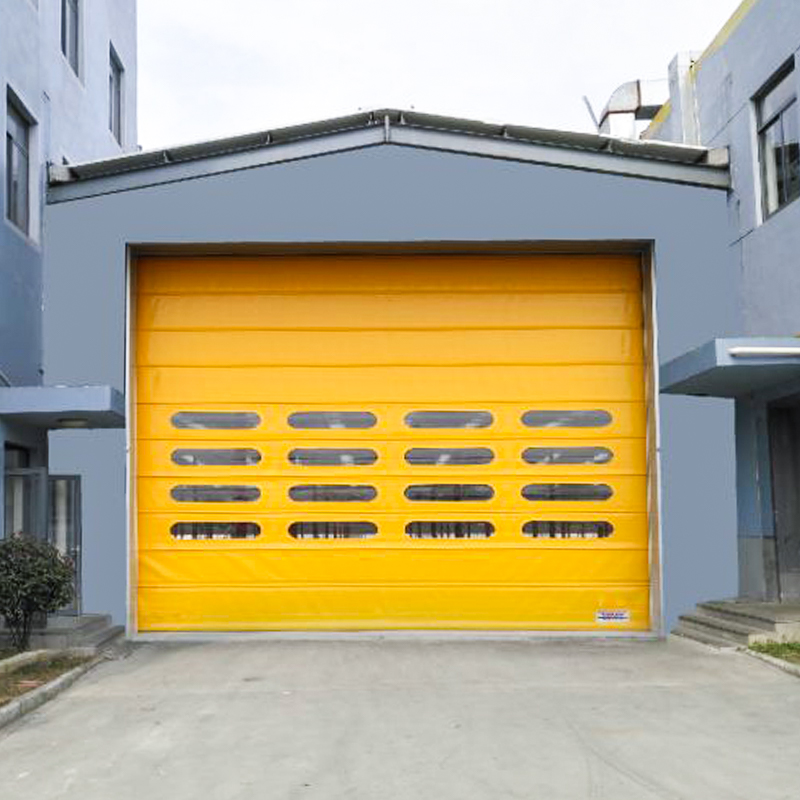
For temperature-sensitive operations, combining a vertical-storing leveler, an industrial door seal, and a fast interior door protects the building's energy balance. Keeping cold air inside during every loading cycle is part of the equipment decision.
How to Compare Suppliers When Buying Dock Levelers for Sale
When a project involves dozens of doors, the supplier matters as much as the machine, because production and coating lines determine consistency and lead time. If you are still deciding between model families, our article on how to choose a suitable dock leveler walks through the decision step by step.
GEAJIE, the manufacturer behind this guide, states a production base of 23,500 square meters in Dongtai, with automatic door-panel lines, a full-automatic painting and baking line for dock platforms, automatic welding machines, and high-precision German laser cutting equipment. It reports annual output of more than 6,000 industrial doors and 15,000 logistics equipment units, along with more than 1,000 completed projects across logistics, food, pharmaceutical, cold chain, and aviation sectors. For logistics real estate and cold-chain projects, a supplier that can provide levelers, seals, restraints, and fast doors from one engineering source is a strong partner.
Ask these questions before you order:
- Can you supply pit drawings and installation recommendations before the order?
- What dynamic capacity does the model carry in real operation?
- Which standards do your products follow, and can you share the documentation?
- How do you integrate the leveler with seals, restraints, and fast doors?
- What is your lead time for a multi-door project?
Avoid this mistake
Never confirm an order from a static load figure alone. If a supplier cannot provide the dynamic capacity, the lip extension drawing, and a recommendation for the concrete surround, the sale has not truly started.
The recommendation is straightforward. Document your truck population, your heaviest lift truck combination, and the pit dimensions at each door. Then match the technology to operating frequency: hydraulic for busy distribution doors, air-powered for plants with existing air lines, mechanical for moderate activity, and vertical-storing for temperature-controlled and hygienic environments.
Once the machine type is clear, compare suppliers on drawings, manufacturing process, standards documentation, and delivery performance rather than on price alone. The right leveler, sized correctly and installed properly, earns back its purchase price in shorter cycle times and lower risk within the first years of operation.
GEAJIE designs its complete dock leveler lineup for logistics, distribution, and cold-chain projects, from hydraulic workhorses to vertical-storing models that protect the thermal envelope. Compare the full range of dock levelers from GEAJIE when you are ready to move from specification to order.
