
 English
 Español
 Tiếng Việt

Truck Dock Leveler: A Complete Buying Guide with Load Ratings and Safety Tips A practical field gu...
A hydraulic dock leveler looks like a piece of passive steel sunk into the loading bay. In daily operation, it behaves more like an instrument: it responds to the operator's hand, speaks in sounds and vibrations, and punishes anyone who rushes the sequence.
The question we hear most often from warehouse and logistics teams is not about capacity or price. It is simpler: "What should the operator actually do, in what order, and what should they watch for?" The answer is consistent across hydraulic dock leveler installations, and nearly every operating fault traces back to the same handful of habits.
Hydraulic Dock Leveler Operation Starts with the Deck Cycle
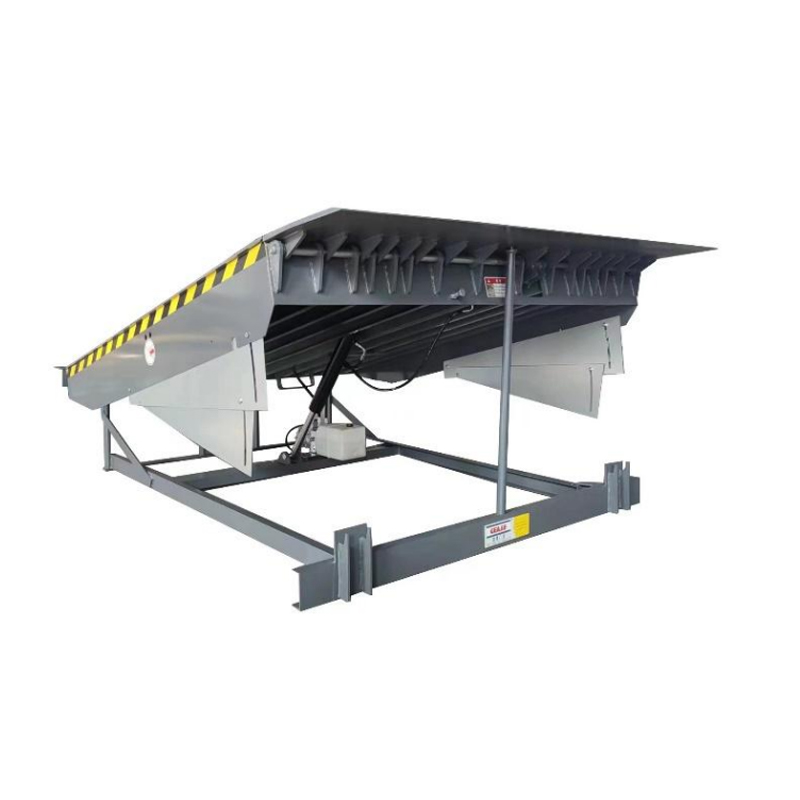
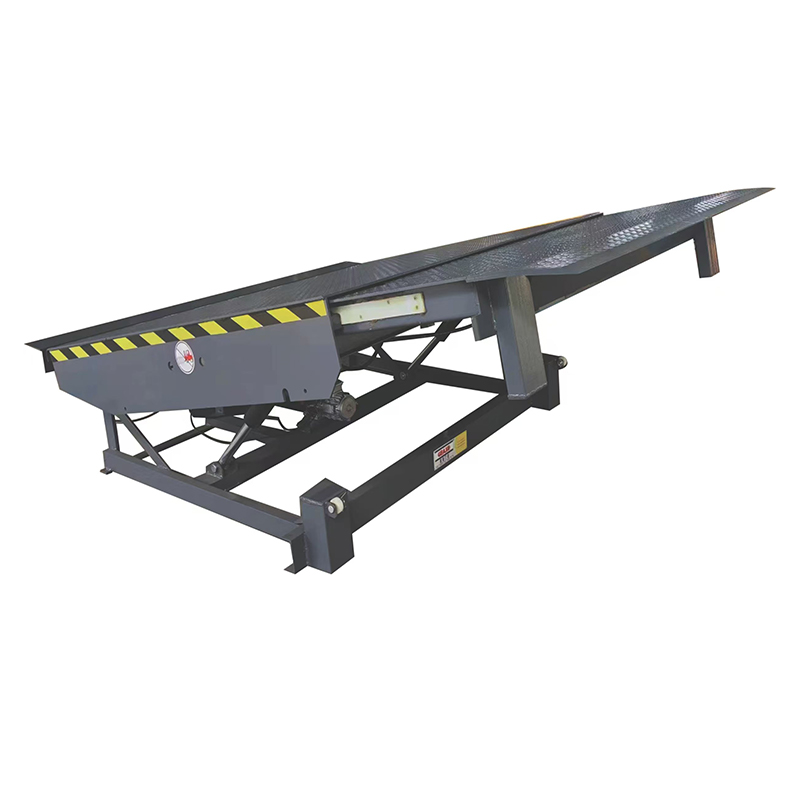
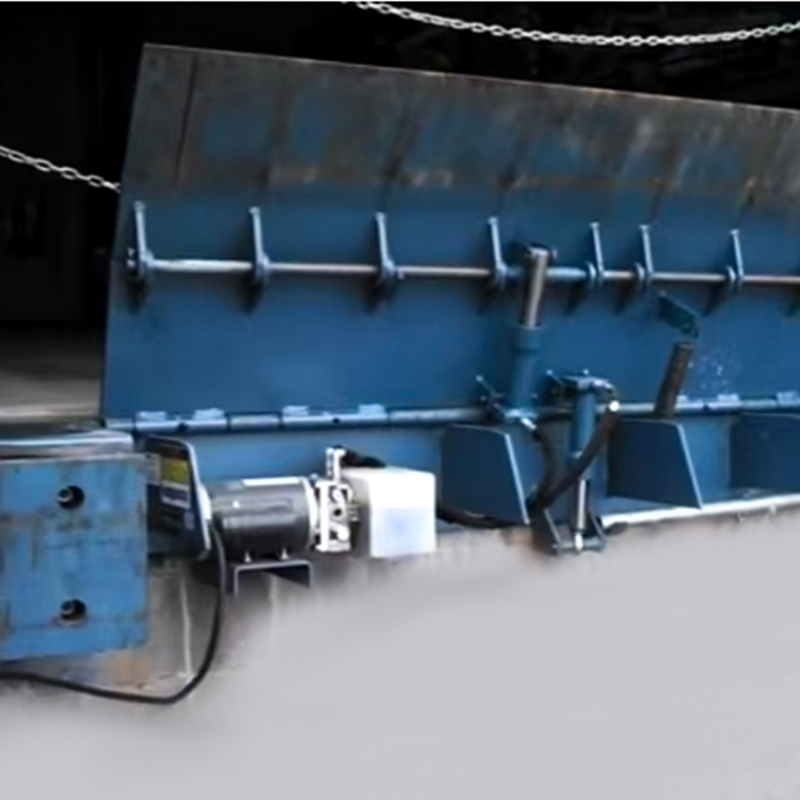
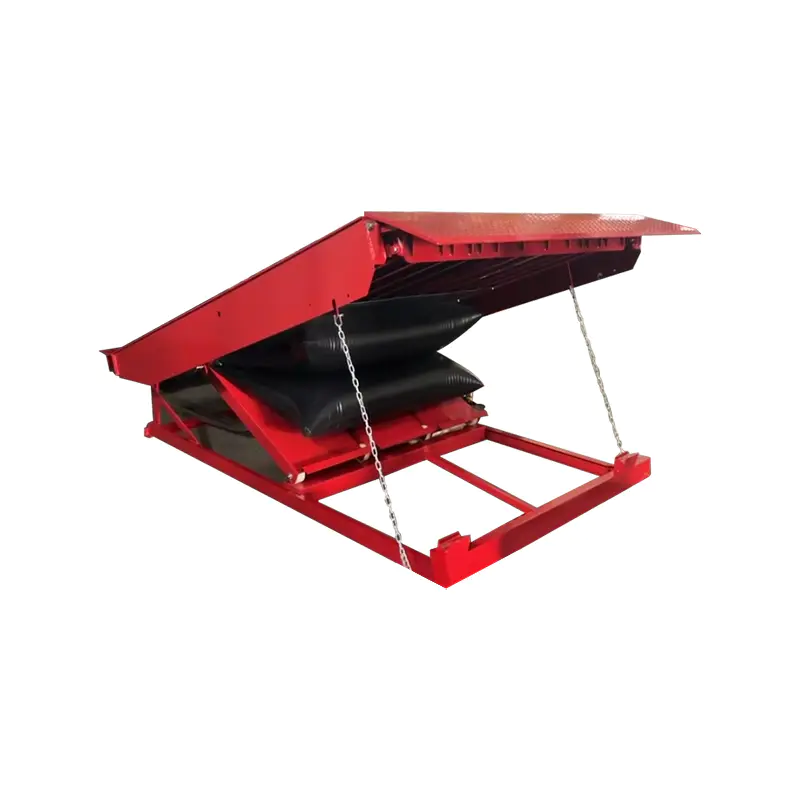
Every hydraulic dock leveler operation follows the same four-phase rhythm: raise, extend, lower, hold. The hydraulic power unit pressurizes a cylinder, the cylinder lifts the deck, the lip swings out to bridge the gap, and the deck is lowered until the lip rests firmly on the trailer floor. From that moment, the leveler is not a moving machine but a rigid bridge. Understanding this distinction — the leveler is "operating" only during the few seconds of adjustment, and "working" for the entire load cycle — is the foundation of safe and efficient use.
The order of the cycle matters more than most operators realize. Raising before the truck is secured, or lowering before the lip has cleared the pit frame, turns a smooth operation into a mechanical argument. For a closer look at the pressure and valve sequence behind each phase, our article on the specific working principle of hydraulic dock levelers explains the internal machinery in detail.
Before the First Button Press: The Two-Minute Check
Experienced crews treat the pre-operation check as part of the operation itself, not as a separate safety ritual. Two minutes of attention eliminates most avoidable incidents:
- Trailer position and restraint. The trailer must be backed squarely against the dock seal, brakes applied, and a vehicle restraint or wheel chock engaged before the leveler moves.
- Clear deck and pit. A quick glance across the deck and into the pit area for debris, tools, pallets, or spilled material. A foreign object between deck and frame is the classic cause of a jammed lip.
- Stored position confirmed. The deck should be resting at its stored position before operation begins. If it is raised or sitting on an obstruction, the first press of the button will reveal the problem.
- Door and approach area. The dock door must be fully open and the approach clear of pedestrians. The operator needs an unobstructed view of the trailer floor during lowering.
Good Practice On busy docks, make the check verbal: "Restraint engaged." "Deck clear." "Lowering now." The whole exchange takes three seconds and eliminates most communication-related incidents.
The Operating Sequence, Step by Step
With the pre-check complete, the push-button cycle on a standard hydraulic unit looks like this:
| Stage | Operator Action | Expected Machine Response |
|---|---|---|
| 1. Restraint | Confirm trailer is locked to the dock. | Vehicle restraint holds the trailer in place. |
| 2. Raise | Press and hold the raise button. | Cylinder extends; the deck rises evenly. |
| 3. Lip extension | Release the button once the deck clears the pit frame. | Lip pivots outward automatically to full extension. |
| 4. Lower | Press and hold the lower button. | Deck descends under controlled flow until the lip meets the trailer floor. |
| 5. Hold | Release the button and verify lip contact. | Hydraulic lock holds the platform at working height. |
| 6. Traffic | Confirm contact visually, then signal the forklift driver. | Leveler carries rated loads as a rigid bridge. |
| 7. Reset | Raise, retract the lip, and lower to stored position after the last forklift exits. | Leveler returns to a flush, safe resting position. |
Two moments separate smooth crews from clumsy ones: lip extension and bed contact. If the lip extends while the trailer is misaligned, the operator will see a one-sided gap and have to restart. If the deck is lowered before the lip has fully cleared the pit frame, the lip will strike the frame edge — a jarring hit that stresses the hinge pins and, over time, distorts the lip geometry.
Warning Do not "feather" the lower button to force a faster descent. The hydraulic flow control is calibrated for a safe approach speed. Repeated button taps can cavitate the pump and make the platform unstable at the moment of bed contact.
Reading the Machine: Normal and Abnormal Hydraulic Behavior
A hydraulic dock leveler gives the operator feedback on every cycle. A healthy unit produces a steady hum from the power unit during the raise, smooth and even deck movement with no side-to-side drift, and a controlled descent that takes about the same time every cycle. An operator who runs the same dock daily builds an intuition for that baseline. The intuition is an early-warning system worth more than any sensor.
When an operator says "it just feels different today," they have usually already noticed the fault — they are simply not sure they should trust their own observation.
Info Early signs of developing problems include a deck that rises unevenly, a lip that extends slowly or hesitates, a descent speed that changes with winter temperature, and visible oil residue on the cylinder rod or pit floor. None of these is an immediate failure; all of them are service-worthy signals.
Safety Features That Shape Daily Operation
Modern hydraulic dock levelers are engineered so that operator safety does not depend on perfect discipline. Each safety feature changes how the machine is operated:
- Emergency stop. Kills pump power instantly. The deck holds in place rather than falling because the hydraulic lock valve closes.
- Cross-traffic leg. When the deck is raised, a steel leg swings out and locks underneath. If traffic crosses the raised deck, the leg transfers the load to the pit floor and prevents collapse onto anyone below.
- Hydraulic lock and flow control. The check valve holds the platform position even if power is lost, and the flow control governs descent speed regardless of how quickly the operator releases pressure.
- Lip keepers. Hold the lip in its stored position, protecting the edge of the deck while the leveler is not in use.
Danger Never place any part of your body beneath a raised dock leveler with only hydraulic pressure supporting the deck. Hoses age, seals weaken, and valves can stick. A mechanical support — the cross-traffic leg or a rated jack stand — is the only acceptable protection in the pit area, regardless of how new the system is.
Common Operating Mistakes and What They Actually Cost
Incidents at loading docks are rarely caused by a single dramatic failure. They accumulate from repeated small misoperations. The patterns we see across logistics sites are consistent:
- Starting the cycle before the restraint is confirmed. The forklift enters, the trailer creeps forward, and the lip loses contact mid-load. This is a leading cause of forklift tip-overs and cargo falls at the dock.
- Driving onto a partially extended lip. The deck can look bridged while the lip has not yet made full contact with the trailer floor. No wheel should cross until that contact is confirmed.
- Leaving the deck raised during long breaks. Prolonged hydraulic pressure fatigues seals and promotes slow leaks. A deck held up for an entire shift is only aging.
- Using the leveler outside its trailer-height range. Every leveler has a designed service range. Forcing a very low or very high trailer bed toward the lip pushes the hinge and cylinder toward their mechanical limits.
- Ignoring small leaks. A few drops of fresh oil on the pit floor are often dismissed as condensation. In a hydraulic unit, new oil is the fingerprint of a seal beginning to fail.
Maintenance Habits That Keep Operation Reliable
Reliable operation is a maintenance outcome. The most cost-effective hydraulic dock leveler maintenance program is the one embedded in the operator's routine:
- Daily: visual check for oil residue, debris under the deck, and obvious lip or hinge damage.
- Weekly: confirm the hydraulic oil level on the reservoir gauge, listen for a change in pump tone, and cycle the leveler twice without a trailer to observe deck speed.
- Monthly: inspect hoses for chafing or bulges, clean the pit frame, and lubricate pivot points per the manufacturer's schedule.
- Quarterly: check flow control behavior and valve response. If descent speed has drifted noticeably, the oil may need conditioning or the valve needs adjustment.
Note The best-run dock sites keep a simple log: date, shift, operator name, and one line on machine behavior. It is not bureaucracy; it becomes the reference document that tells maintenance exactly which system changed and when.
Matching Operation Training to Your Dock Configuration
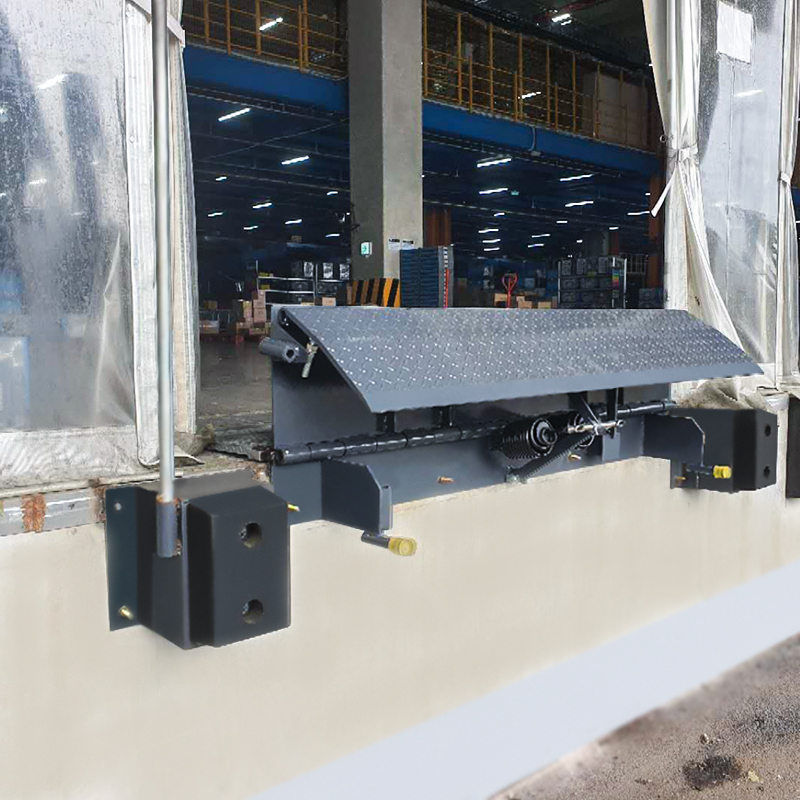
Not every hydraulic dock leveler operates identically, and training should reflect the specific machine at each dock. A standard pit-style leveler with a hinged lip covers most logistics warehouses. If your fleet includes trailers with very different bed depths, a unit with a telescopic lip expands the operating envelope without forcing trucks into awkward parking positions.
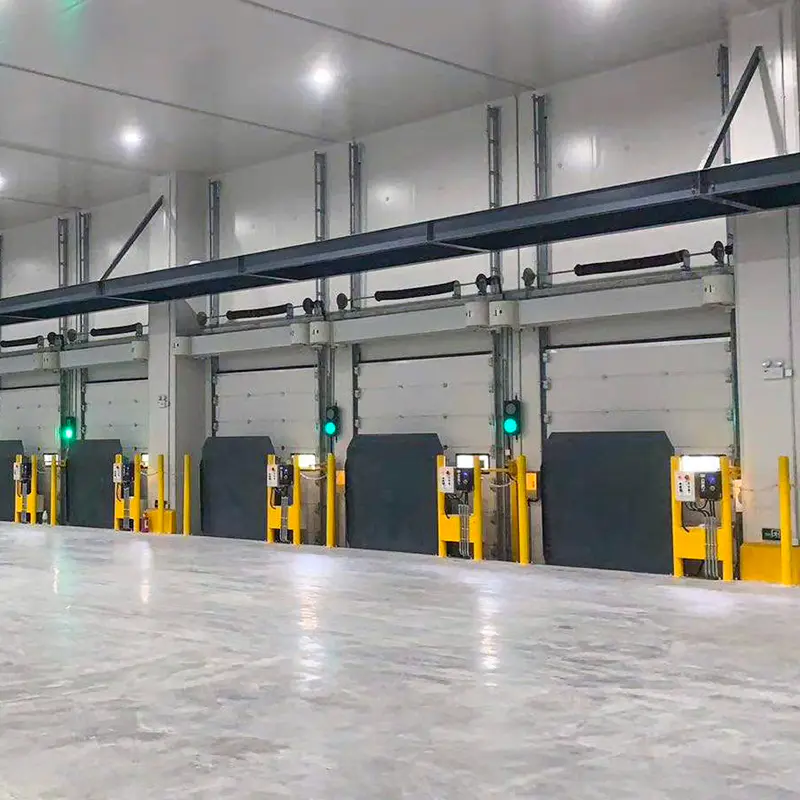
Cold-storage and clean-room docks, where pit design and thermal separation matter, are often better served by vertical-storing hydraulic levelers that need no shallow pit against the wall. These differences change the operator's procedure mainly in the lip-extension phase and in the reset phase. Whatever the model, the principle stays the same: work from a checklist, watch the machine's response, and treat any deviation from baseline as a question to answer. If you are evaluating which hydraulic unit belongs at your docks, our guide on how to choose the right hydraulic dock leveler compares configurations across real operating scenarios.
The Operator Is the Last Safety System
A hydraulic dock leveler is a precisely engineered machine, but its performance in daily service depends on the human hand that presses the button. The best leveler in the industry will produce incidents if the operator rushes the cycle, skips the pre-check, or ignores the machine's signals. A crew that runs the sequence with discipline and reports small changes early will get years of reliable service from even a modestly specified unit.
Standardize the procedure. Make the two-minute check as automatic as wearing a seatbelt. And when the machine feels different, stop and investigate. That attitude, more than any single component specification, is what separates a loading dock that flows from one that is always troubleshooting.
