
 English
 Español
 Tiếng Việt

Truck Dock Leveler: A Complete Buying Guide with Load Ratings and Safety Tips A practical field gu...
Picture a 22-ton trailer backing into a loading dock with its bed 15 cm higher than the warehouse floor. A loaded forklift cannot climb that step. A hydraulic dock leveler removes the problem by raising a steel platform above dock level, extending a lip onto the trailer floor, and lowering the deck so forklifts cross on a smooth, rated surface.
In practical terms, a hydraulic dock leveler is a powered platform that uses a hydraulic power unit and cylinders to close the height difference between the dock and the vehicle being serviced. It is the most specified leveler type in modern logistics and cold-chain buildings, for reasons covered below.
What Is a Hydraulic Dock Leveler?
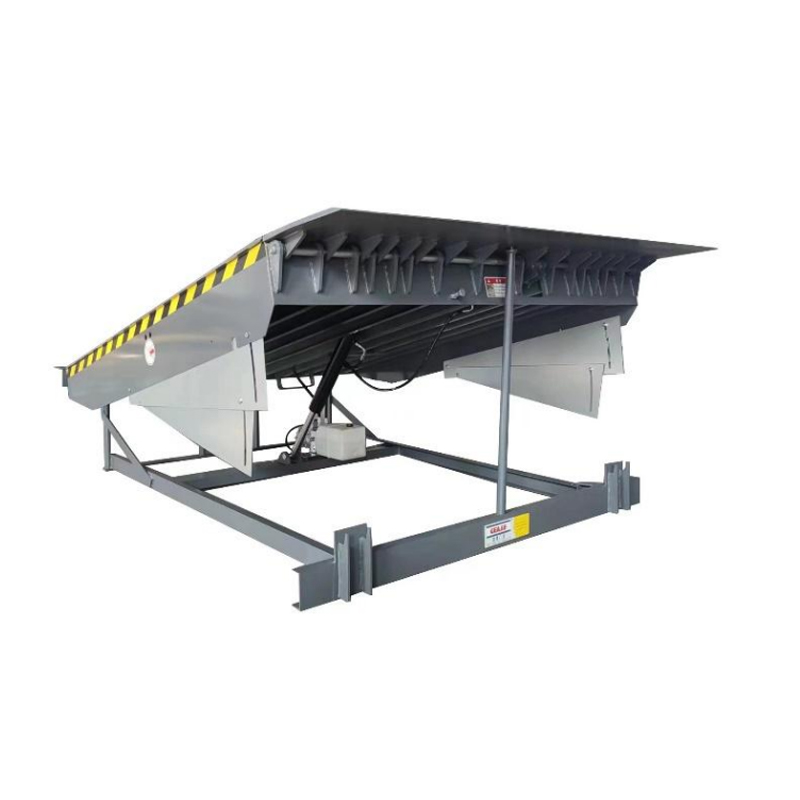
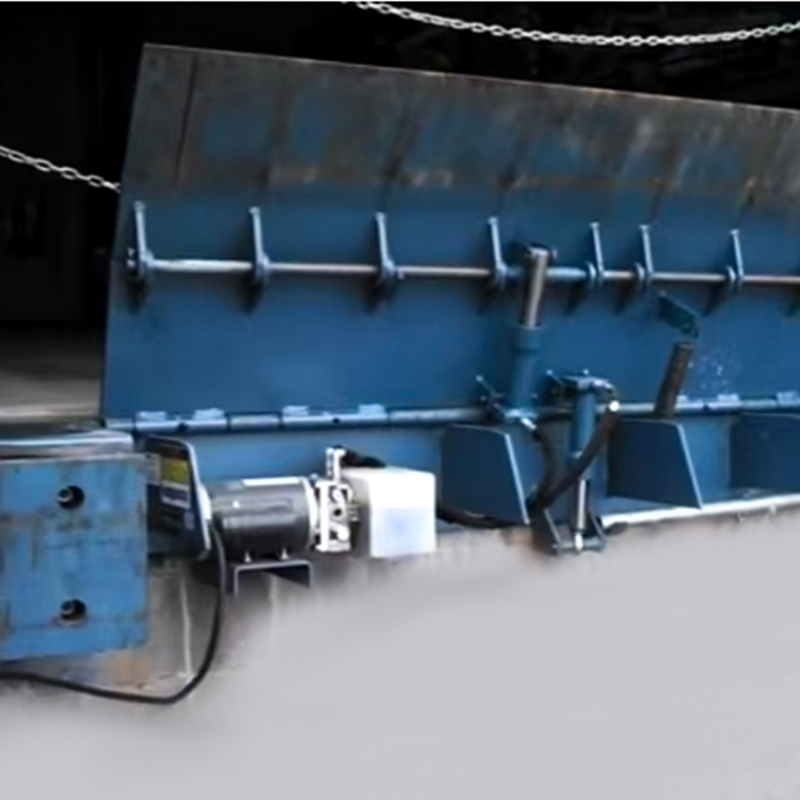
A hydraulic dock leveler is a steel deck, typically 1.8 to 2.4 m wide, hinged to a frame recessed into a concrete pit at the dock face. Its core parts are the deck, the pivoting lip, hydraulic cylinders, a power unit with an electric motor and pump, an oil reservoir, and the safety devices that stop the platform from dropping unexpectedly.
The power unit separates this type from mechanical and air-powered equipment. The operator presses the button, the motor drives the pump, oil enters the cylinder, the deck rises, the lip extends, and the platform lowers until the lip rests on the truck bed. After the truck leaves, the system returns the leveler to the stored position.
Load ratings for pit-style hydraulic levelers typically start at 20,000 lb (about 9 t) and reach 100,000 lb (about 45 t) in heavy industrial layouts. For most logistics warehouses, 60,000 lb (about 27 t) is the standard specification because it covers a large counterbalance forklift plus a full pallet.
For a conventional dock, this configuration is exactly what GEAJIE builds as the DL1000 industrial hydraulic dock leveler, and it is the usual starting point in new warehouse projects.
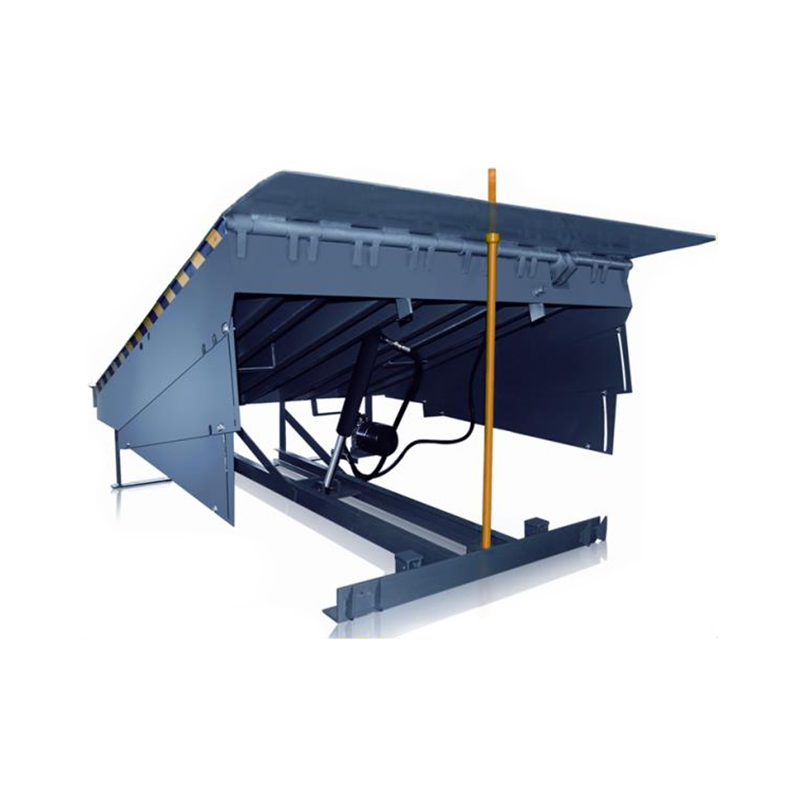 Wholesale DL-1000 Industrial Hydraulic Dock Levelers Manufacturers, OEM/ODM FactDongtai Geajie Intelligent Equipment Co., Ltd. is China OEM/ODM DL-1000 Industrial Hydraulic Dock Levelers manufacturers and wholesale DL...View Product →
How a Hydraulic Dock Leveler Works
A full hydraulic cycle takes about 10-15 seconds and is completely repeatable:
- The operator presses the control button. The motor starts and the pump moves oil into the lifting cylinder.
- The deck rises slightly above dock level so the lip clears the pit frame.
- The lip extends automatically once it passes the frame edge.
- The operator or the dock control system lowers the deck until the lip settles on the trailer floor.
- In float mode the hydraulic valve opens, so the deck follows the trailer as its suspension moves during loading. This prevents a step from opening under the forklift wheels.
- When loading is complete, the deck is raised, the lip retracts, and the platform returns to the flush position.
The hydraulic system is most valuable in the float mode step. A mechanical leveler relies on springs and operator judgment to stay in contact with the trailer; a hydraulic leveler holds a controlled connection with the truck bed until the operation is finished.
For a component-by-component explanation covering the flow control valve and pressure settings, read our article on the specific working principle of hydraulic dock levelers.
Main Types of Hydraulic Dock Levelers
Hydraulic leveling is not a single product shape. The building structure, the dock temperature, and the trucks that call at the dock determine which variant is worth specifying.
Pit-Style Hydraulic Dock Levelers
The pit-style leveler is the default for new warehouses and most renovated docks. The frame sits in a concrete pit and the deck lies flush with the dock floor when stored, which gives the widest capacity range, the smoothest transition for forklifts, and a tight door seal against the dock face.
Hydraulic Dock Levelers with Telescopic Lip
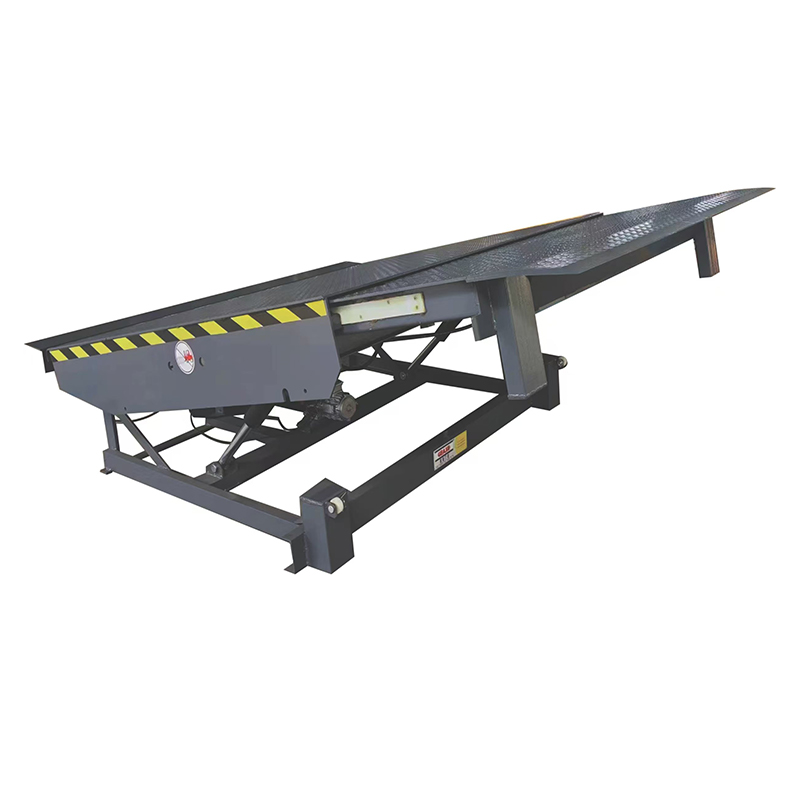
Some trailer bodies keep the rear floor recessed 100 to 300 mm behind the rear frame. A standard lip cannot reach the actual floor, and resting it on the trailer edge beam is unsafe because that beam is not rated for forklift traffic. A telescopic-lip leveler slides the lip forward to the real trailer floor, then operates like a standard unit. GEAJIE offers the DL2000 industrial dock leveler with telescopic lip for this application.
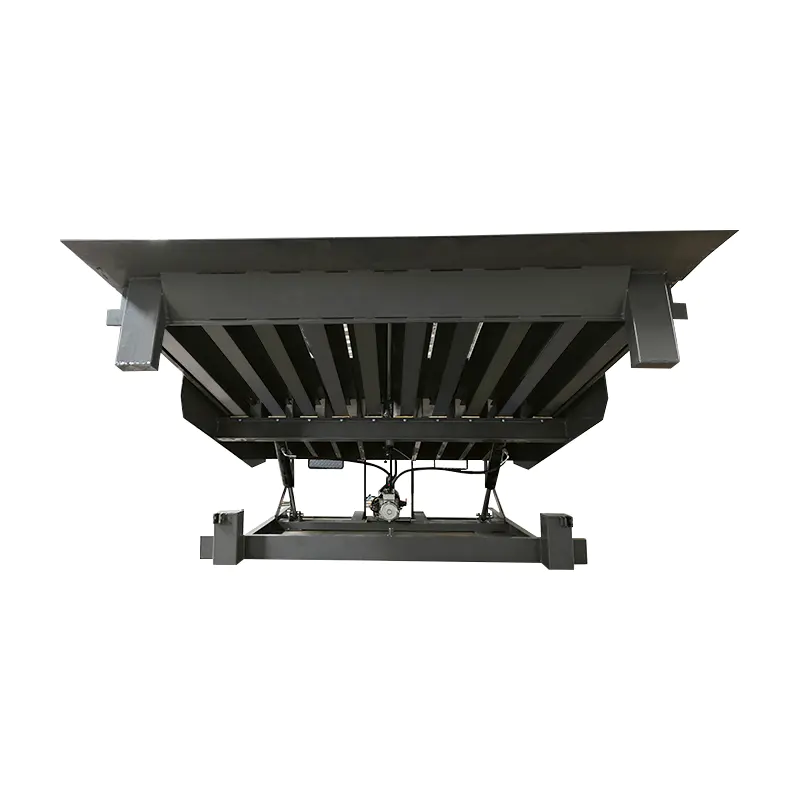 Wholesale DL-2000 Industrial Dock Leveler With Telescopic Lip Manufacturers, OEMDongtai Geajie Intelligent Equipment Co., Ltd. is China OEM/ODM DL-2000 Industrial Dock Leveler With Telescopic Lip manufacturers and who...View Product →
Vertical-Storing Hydraulic Dock Levelers
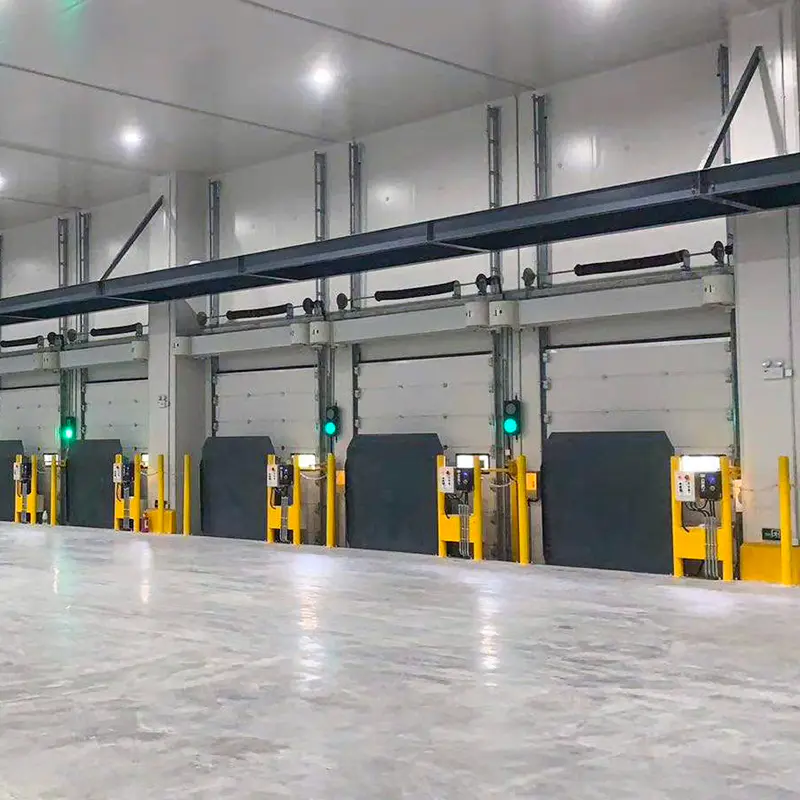
In cold storage, food processing, and pharmaceutical facilities, the leveler stores upright against the dock opening. The deck then works as a sealed barrier that keeps cold air inside and protects the pit from washdown water. Hydraulic drive suits this design because the raising motion is smooth and the stored position is held without mechanical latches. For these docks, GEAJIE supplies the DL2000 vertical-standing industrial dock leveler.
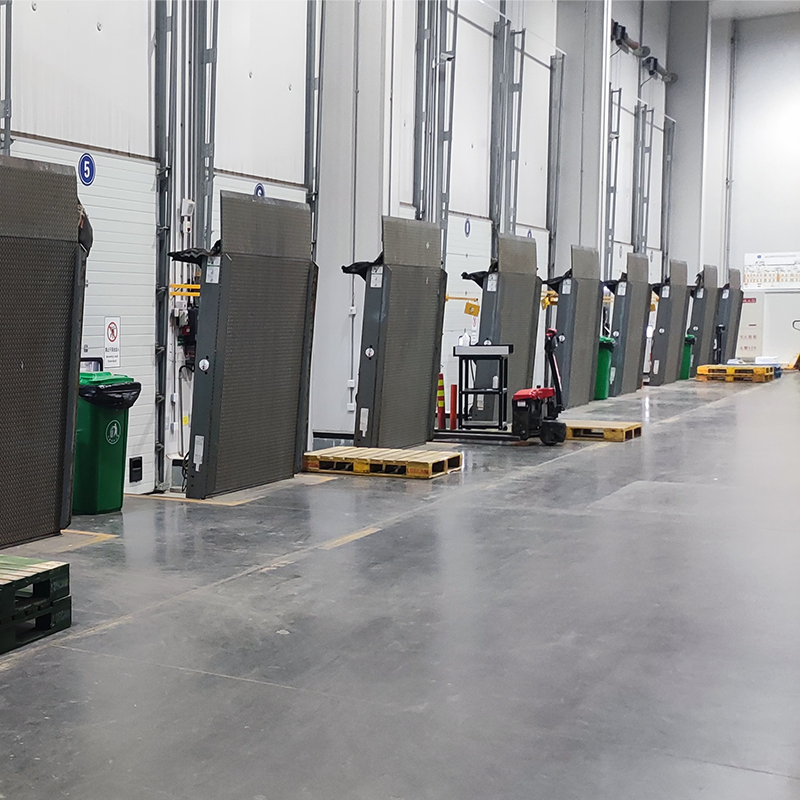 Wholesale DL-2000 Vertical Standing Industrial Dock Leveler Manufacturers, OEM/ODongtai Geajie Intelligent Equipment Co., Ltd. is China OEM/ODM DL-2000 Vertical Standing Industrial Dock Leveler manufacturers and whole...View Product →
Hydraulic vs. Mechanical vs. Air-Powered Levelers
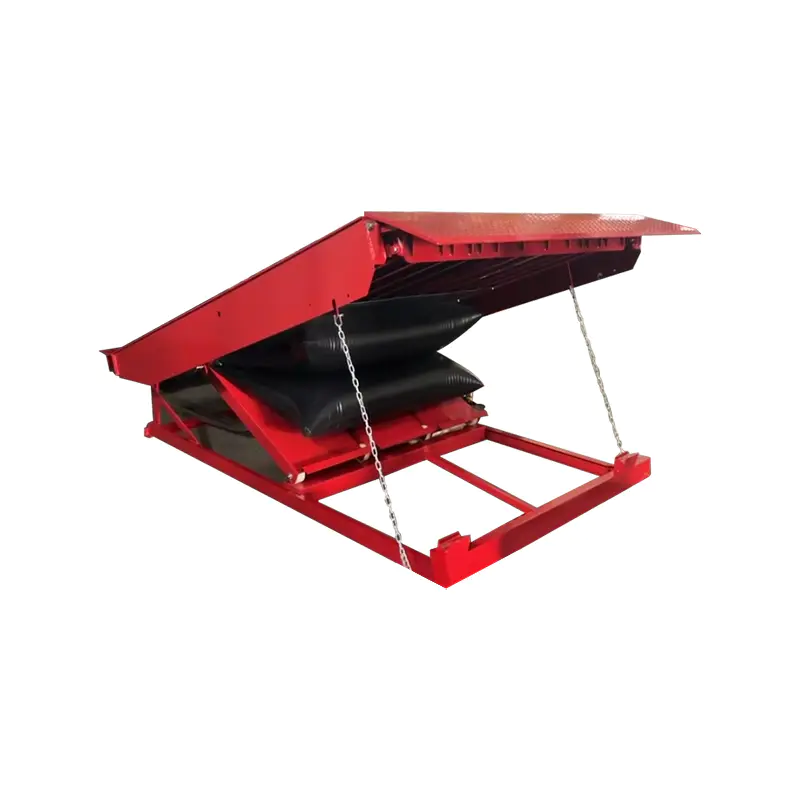
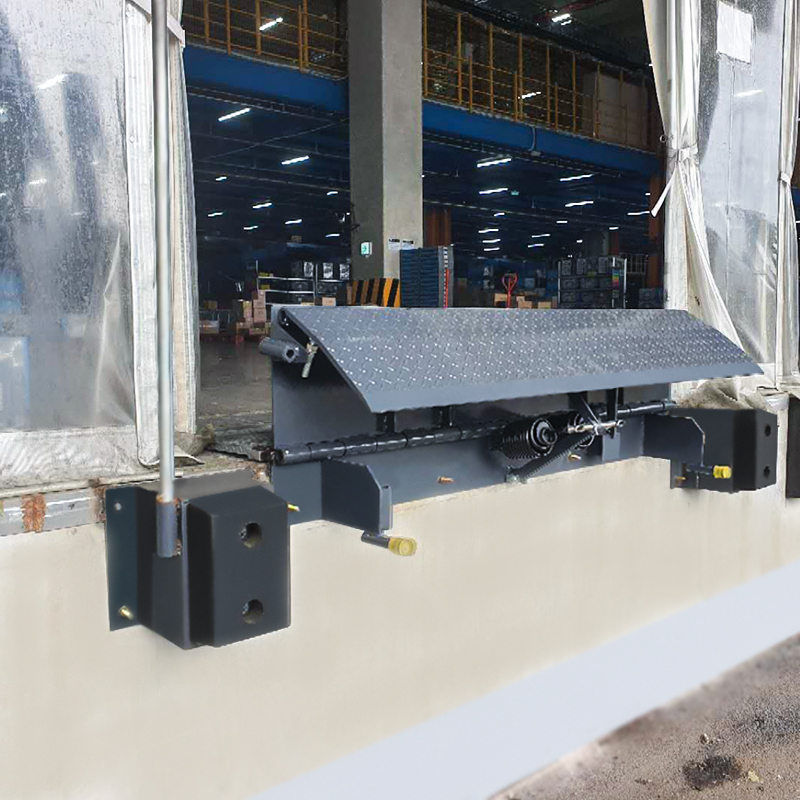
A hydraulic unit is not automatically right for every dock. Mechanical levelers cost less and need no power supply, but they are pulled by hand and take longer per cycle. Air-powered levelers use compressed air bellows to raise the deck, with lower first cost than hydraulic, but they suit only medium-duty traffic. The table below summarizes the differences.
| Factor | Hydraulic leveler | Mechanical leveler | Air-powered leveler |
|---|---|---|---|
| Power source | Electric motor, hydraulic pump, and oil cylinders | Manual release with spring and chain assist | Compressed air bellows |
| Cycle time | 10-15 seconds, push-button control | 30-60 seconds, manual pull | 20-30 seconds, push-button control |
| Typical capacity | 20,000-100,000 lb | 20,000-50,000 lb | 20,000-60,000 lb |
| Maintenance focus | Oil level, seals, hoses, valve function | Hinges, springs, cables, chain | Bellows condition, air pressure, level control |
| Best suited for | High-frequency, heavy-load, and cold-chain docks | Low-budget, low-traffic docks | Medium-duty docks with reliable air supply |
The outcome is consistent for most operations. Hydraulics require a larger first investment and add oil, hoses, and seals to the maintenance list. In exchange, they deliver faster cycles, less operator strain, and more controlled behavior under heavy loads. That is why multi-shift warehouses with high pallet volumes or cold-chain requirements choose hydraulic even when the initial price is higher.
Safety Features to Look For
A hydraulic drive enables safe operation, but it does not guarantee it. Verify these features before selecting a model:
- Cross-traffic legs. If a trailer pulls away while a forklift is on the deck, the legs lock the platform at dock level and keep it from dropping into the pit. This is not optional.
- Velocity fuse. This hydraulic valve closes instantly if oil begins to flow too fast, for example after a hose rupture, so the deck cannot free-fall.
- Emergency stop and interlocked controls. The operator must be able to stop the platform at any point in the cycle from a safe position.
- Safety skirts and side panels. They close the gap between the platform and the pit wall so feet and debris cannot enter the mechanism.
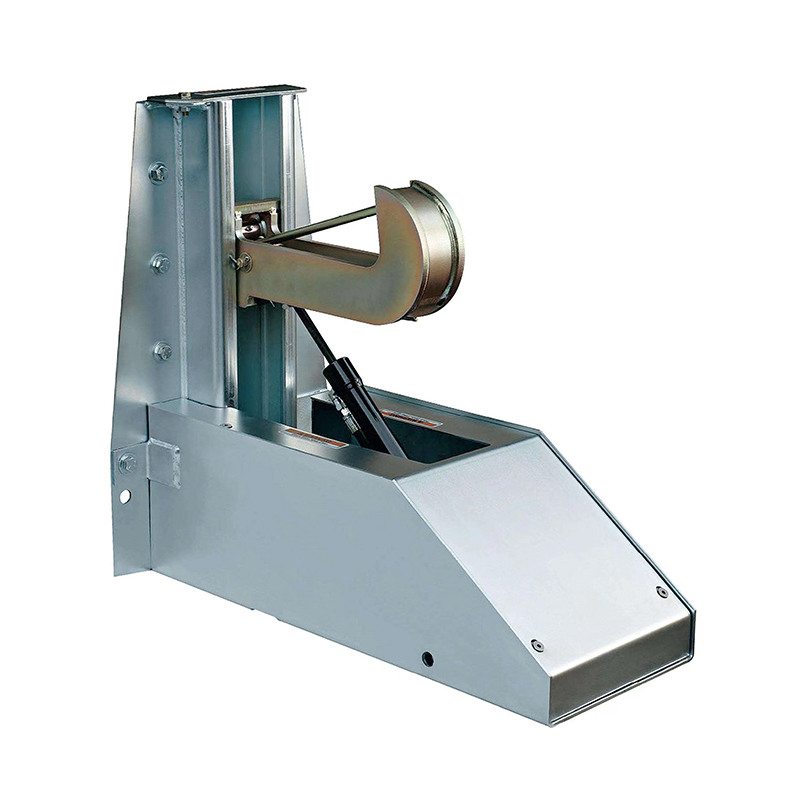
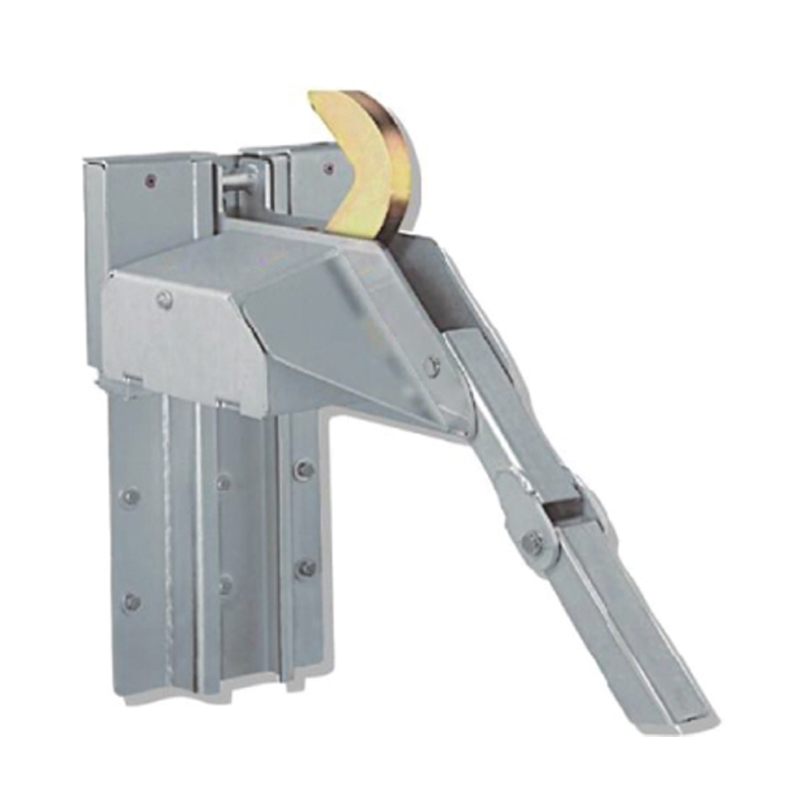
- Integration with vehicle restraints. The leveler should not operate until the trailer is locked to the dock, and the restraint should not release until the leveler is stored.
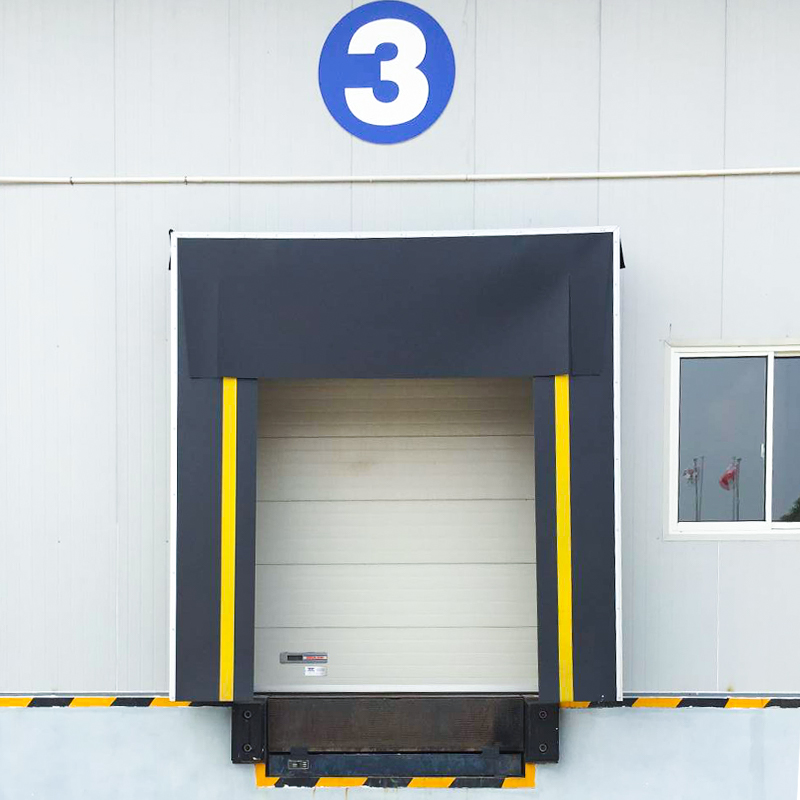
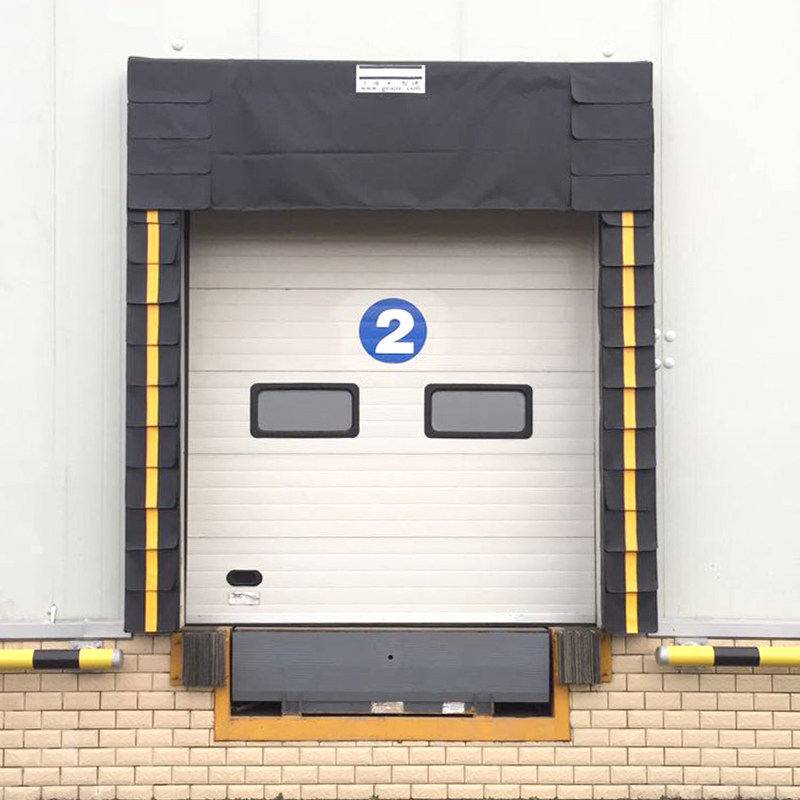
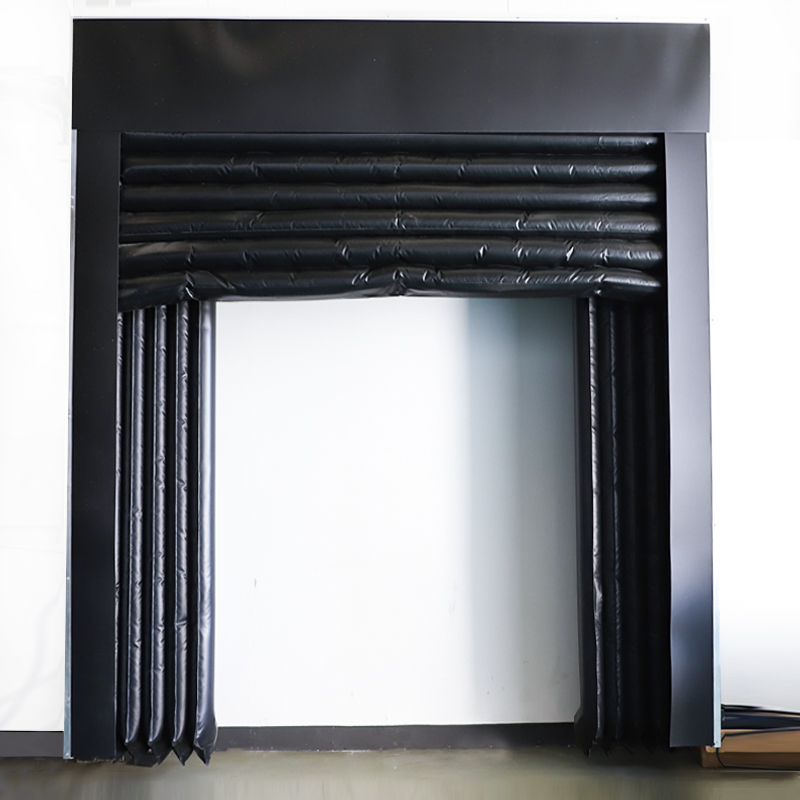
GEAJIE builds these devices into its hydraulic levelers as standard and matches them with dock seals and vehicle restraints from the same product family, so the safety chain is designed as one system.
Capacity, Sizing, and Selection Factors
The most common sizing mistake is using the loaded trailer weight as the reference. The leveler sees the heaviest forklift axle load plus its payload every time a forklift crosses. That figure, the dynamic load rating, is the one to specify. A 60,000 lb (27 t) leveler covers typical 3.5-5 t counterbalance forklifts with full pallets. Facilities running reach trucks or container handlers should move up to 80,000 or 100,000 lb (36-45 t).
The pit is cast into the concrete floor, so its dimensions are fixed early in the building schedule. Confirm the dock height, usually 1.2 to 1.4 m for road trailers, and verify the trailer population before finalizing pit depth. Keep these factors in mind:
- Trailer mix. Flatbeds, liftgate trailers, and deep-recessed bodies create different lip and height conditions. A folded liftgate is not a resting surface for a leveler lip.
- Operating temperature. Cold stores need low-temperature hydraulic oil and seals rated for sub-zero use; this is a common early failure point in freezers.
- Standards and documentation. EN 1398 is the reference in European markets and ANSI MH30.3 in North America. For export projects, ask for test records before ordering.
Because the spec involves pit tolerances, traffic data, and trailer geometry, a structured approach pays off. Our guide on how to choose the right hydraulic dock levelers walks through the process in practical steps.
Maintenance, Lifespan, and When to Replace
With regular servicing, a hydraulic dock leveler runs 15-20 years in single-shift service, and many units last longer in lighter operations. The routine is short:
- Check the hydraulic oil level and condition; low oil is the first cause of slow operation.
- Inspect cylinder rods, hoses, and fittings for leaks before a small drip becomes a failed seal.
- Test the emergency stop and the velocity fuse on the manufacturer's schedule.
- Lubricate the lip pivot and hinge points.
- Keep the pit clean. Salt, moisture, and debris from winter roads cause most pit-side corrosion.
Consider replacement when the deck no longer returns to level, welds show cracking, the cylinder has been rebuilt repeatedly, or the rating no longer covers the current forklift fleet. Retrofit into an old pit is rarely cheaper than installing a new unit sized to the actual traffic.
Choosing the Right Hydraulic Dock Leveler
Start with the busiest forklift, not the heaviest trailer. Match the dynamic rating to its axle load with margin, then match the configuration to the environment: vertical storing for freezers and clean rooms, telescopic lip for recessed floors, and standard pit style for general distribution. Budget for the complete dock as well; vehicle restraints, dock seals, and dock controls are what turn a platform into a safe, efficient loading system.
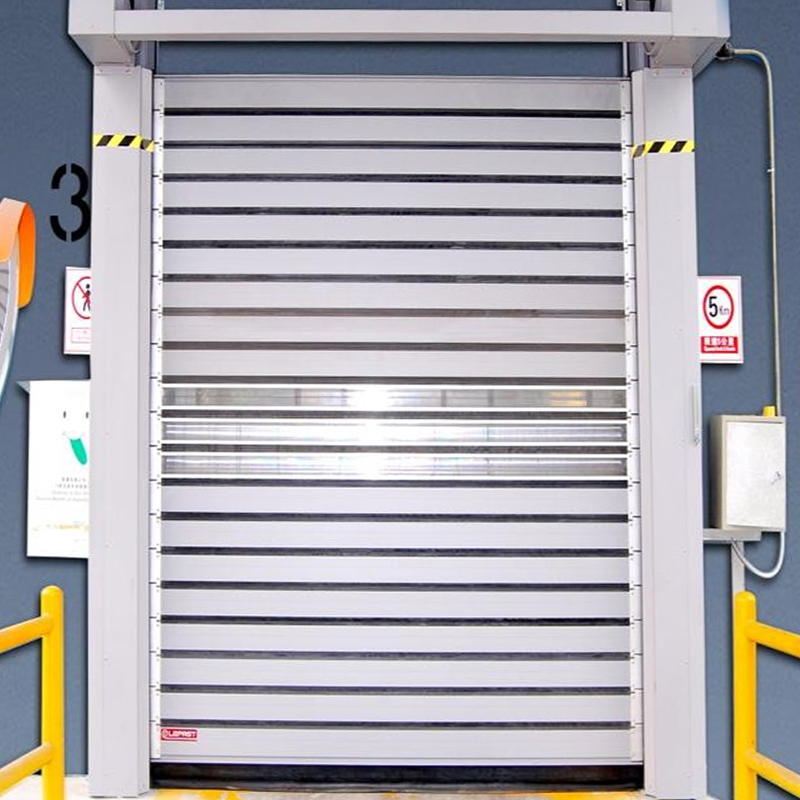
As a dock leveler manufacturer with a 23,500-square-meter production base and a full series of loading dock equipment, GEAJIE supplies hydraulic, air-powered, and vertical levelers together with matching dock seals, vehicle restraints, and industrial doors. Logistics property developers and cold-chain projects often order the complete dock package for this reason.
Specified correctly and serviced on schedule, a hydraulic dock leveler pays for itself in cycle time, safety, and reduced forklift wear, the three costs that appear on every dock manager's monthly report.
