 English
 Español
 Tiếng Việt

Loading Dock Engineering — Operations Guide
Mechanical vs. Hydraulic Dock Leveler Operation
A closer look at how two fundamentally different power systems shape speed, safety, maintenance, and long-term cost at the loading dock.
The Core Difference Between Mechanical and Hydraulic Dock Leveler Operation
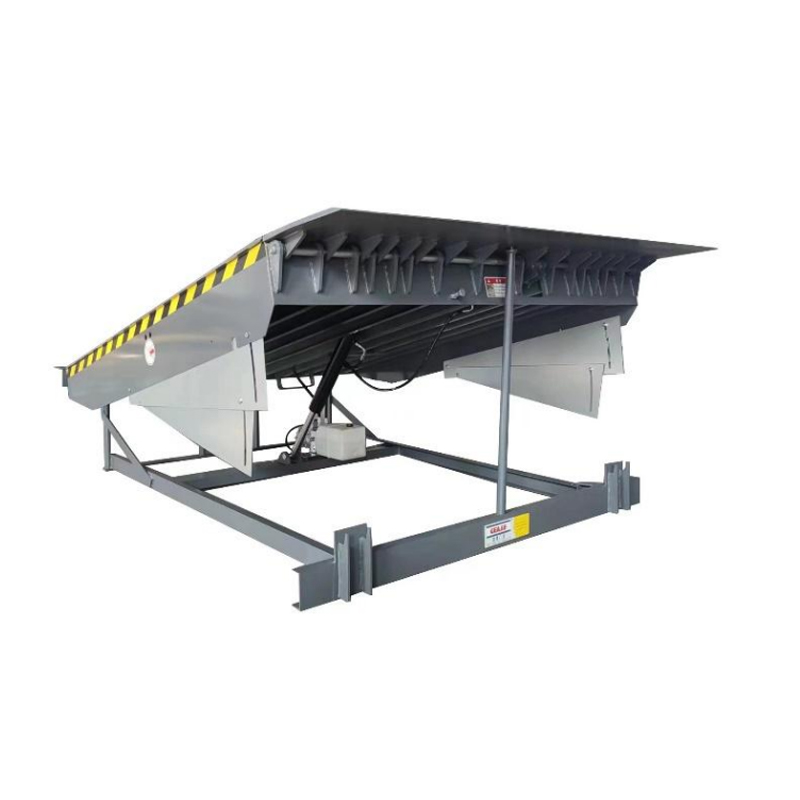
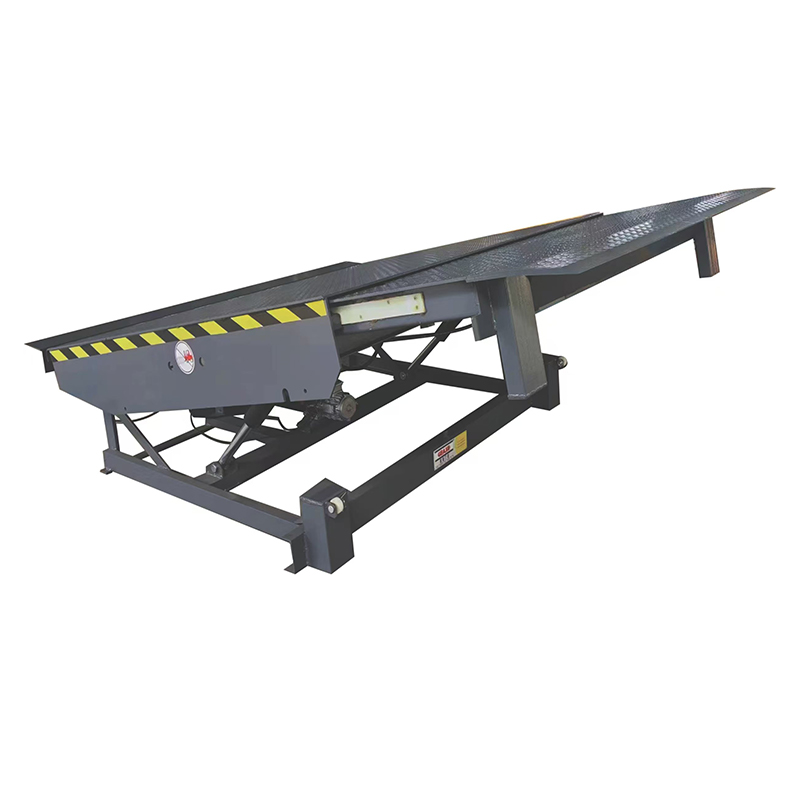
The fundamental difference between mechanical and hydraulic dock leveler operation comes down to the power source that raises, lowers, and extends the platform. A mechanical dock leveler relies on a spring-and-latch mechanism that the operator releases manually with a pull chain or release bar, letting stored spring tension lift the deck before gravity brings it down onto the trailer bed. A hydraulic dock leveler, on the other hand, uses an electro-hydraulic pump and cylinder system to raise the platform and extend the lip at the push of a button, with no manual pulling, lifting, or positioning required from the operator.
In practical terms, this means mechanical levelers depend on physical operator effort and spring condition, while a hydraulic loading dock leveler depends on electrical power, hydraulic fluid pressure, and a pump motor. This single distinction cascades into nearly every other difference between the two systems — speed, safety, maintenance needs, noise level, and total cost of ownership all trace back to how the platform is actually driven.
How Mechanical Dock Levelers Operate
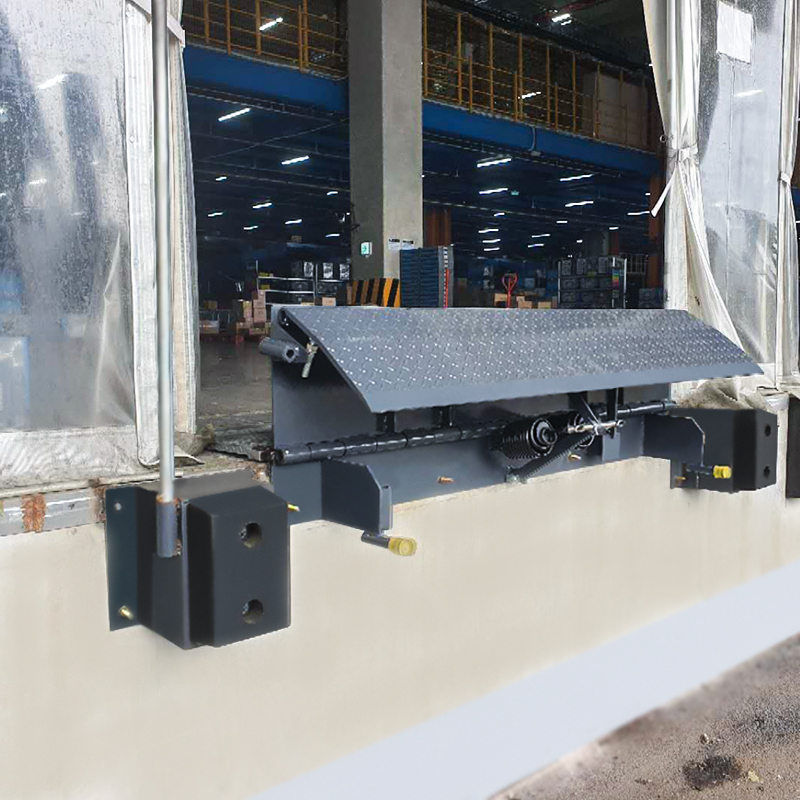
Mechanical dock levelers are the oldest and simplest design still widely used today. The operator stands at the dock edge, pulls a chain or release handle to disengage a spring-loaded hold-down mechanism, and the platform rises under spring tension. Once the deck reaches its highest point, the operator walks the leveler forward so the lip extends over the trailer bed, then lowers the platform onto the truck floor by walking it down.
Key Operating Characteristics
- Spring tension provides the lifting force, not electricity or fluid pressure.
- The operator must physically walk the lip into position over the trailer.
- Lowering the deck onto the trailer bed relies on gravity plus operator control.
- No electrical hookup or hydraulic fluid reservoir is required for basic operation.
Because the entire cycle depends on operator strength and technique, mechanical levelers typically require more physical effort per cycle than hydraulic units. For low-frequency docks — those handling fewer than 10–15 trailers per day — this extra effort is manageable and the lower upfront cost often makes mechanical levelers the more economical choice.
How Hydraulic Dock Levelers Operate
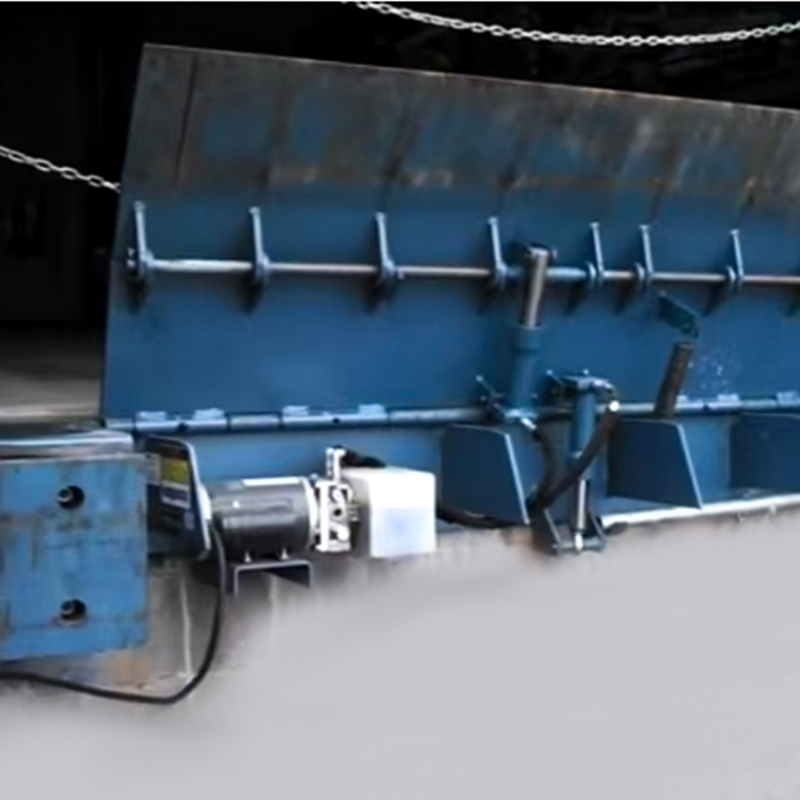
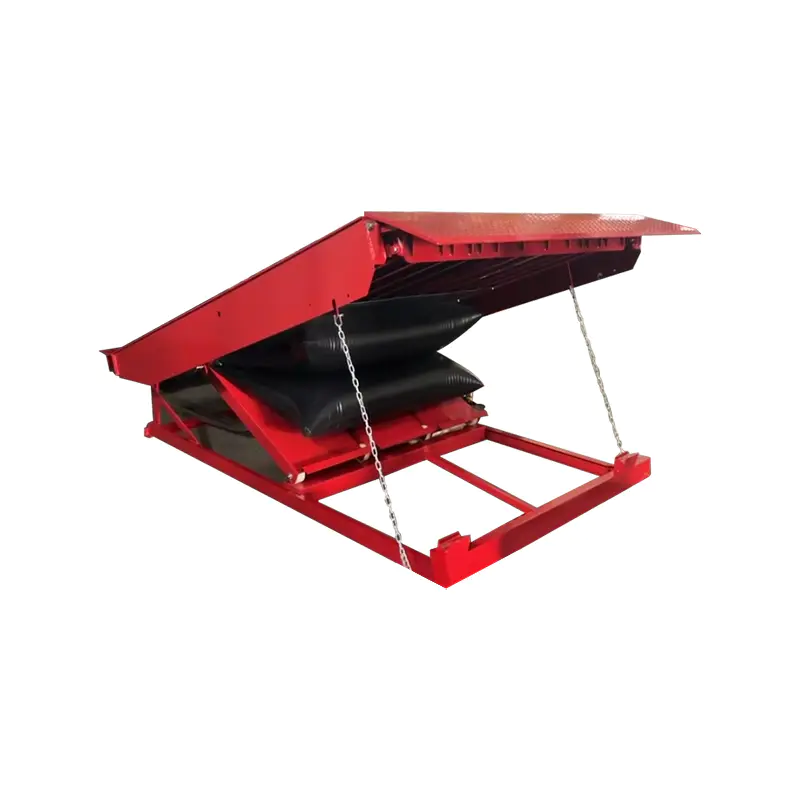
A hydraulic dock leveler replaces manual spring release with a sealed hydraulic cylinder connected to an electric pump. Pressing a control button activates the pump, which drives hydraulic fluid into the cylinder, raising the platform smoothly and consistently every time. Once the deck reaches the desired height, a second control extends the lip automatically, and the operator lowers the platform onto the trailer with the same push-button control.
dock leveler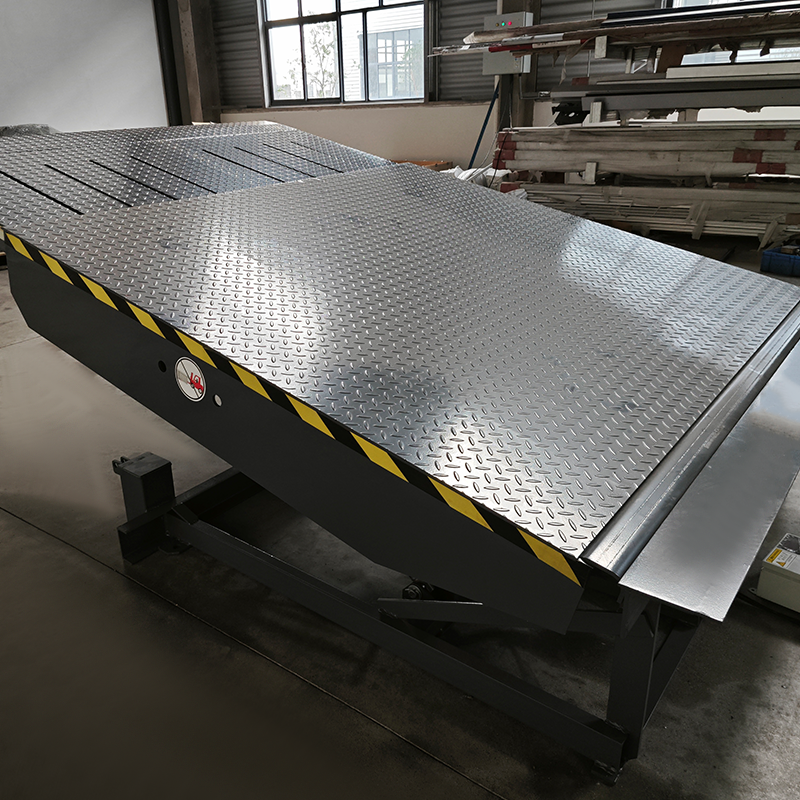
Key Operating Characteristics
- An electric-hydraulic pump provides consistent lifting force on every cycle.
- Lip extension is push-button controlled, eliminating manual walking or pulling.
- Descent speed is regulated by the hydraulic system, reducing sudden drops.
- Most units include a control panel with safety interlocks and cycle indicators.
Because the cycle is powered rather than manual, a hydraulic loading dock setup can process trailers faster and with less operator fatigue — a difference that compounds across dozens of cycles per shift.
Side-by-Side Performance Comparison
The table below summarizes how mechanical and hydraulic dock levelers compare across the factors that matter most to facility managers evaluating a new installation or replacement.
| Factor | Mechanical Leveler | Hydraulic Dock Leveler |
|---|---|---|
| Power source | Spring tension | Electric-hydraulic pump |
| Operator effort | Moderate to high | Low (push-button) |
| Cycle speed | Slower, manual pace | Faster, consistent |
| Upfront cost | Lower | Higher |
| Maintenance complexity | Simple (springs, hinges) | Moderate (fluid, pump, seals) |
| Best-fit dock volume | Low to moderate | Moderate to high |
Maintenance Differences Between the Two Systems
Mechanical dock levelers have fewer components that can fail, so routine maintenance mainly involves lubricating hinge points, inspecting the spring assembly for fatigue, and checking the release chain for wear. Because there is no fluid or electrical system, a mechanical unit can often be serviced by in-house maintenance staff without specialized training.
A hydraulic dock leveler requires a different maintenance routine centered on the hydraulic fluid and pump assembly. Facility teams should check fluid levels quarterly, inspect hoses and seals for leaks, and test the pump motor for consistent pressure output. While this adds a layer of complexity, it also means wear is distributed across a sealed system rather than concentrated on exposed springs, which can extend the leveler's service life when maintained properly.
Typical Maintenance Checklist
- Inspect lip hinge pins and bearings for wear on both leveler types
- Check hydraulic fluid level and color for contamination on powered units
- Test spring tension and chain condition on mechanical units
- Verify control panel and safety interlocks function correctly on hydraulic systems
- Clean and lubricate the deck and lip pivot points on a monthly schedule
Info
Quarterly fluid inspections on hydraulic units take only a few minutes but prevent the majority of pump-related service calls over a leveler's lifetime.
Safety Considerations for Each Operating Method
Operator safety is one of the most cited reasons facilities upgrade from mechanical to hydraulic systems. Because mechanical levelers require the operator to stand near the platform edge while releasing spring tension, there is a higher risk of pinch points and sudden platform movement if the release mechanism is worn or improperly maintained.
Warning
A worn or under-tensioned spring on a mechanical leveler can cause the platform to drop unexpectedly during release — inspect the spring assembly at the first sign of irregular movement.
A hydraulic loading dock leveler reduces this risk because the operator controls the entire cycle from a safe distance using push-button controls, and the hydraulic system regulates descent speed to prevent sudden drops. Many hydraulic models also include built-in safety legs, toe guards, and interlocks that prevent operation if a trailer is not properly positioned — features that are harder to integrate into a purely mechanical, spring-driven design.
Success
Facilities that switch to hydraulic levelers commonly report fewer dock-related strain injuries once manual walking and pulling are removed from the loading cycle.
Cost Considerations Over the Leveler's Lifespan
Mechanical dock levelers generally cost less to purchase and install since they require no electrical wiring, control panel, or hydraulic reservoir. For facilities with tight capital budgets and moderate dock traffic, this lower entry cost is often the deciding factor.
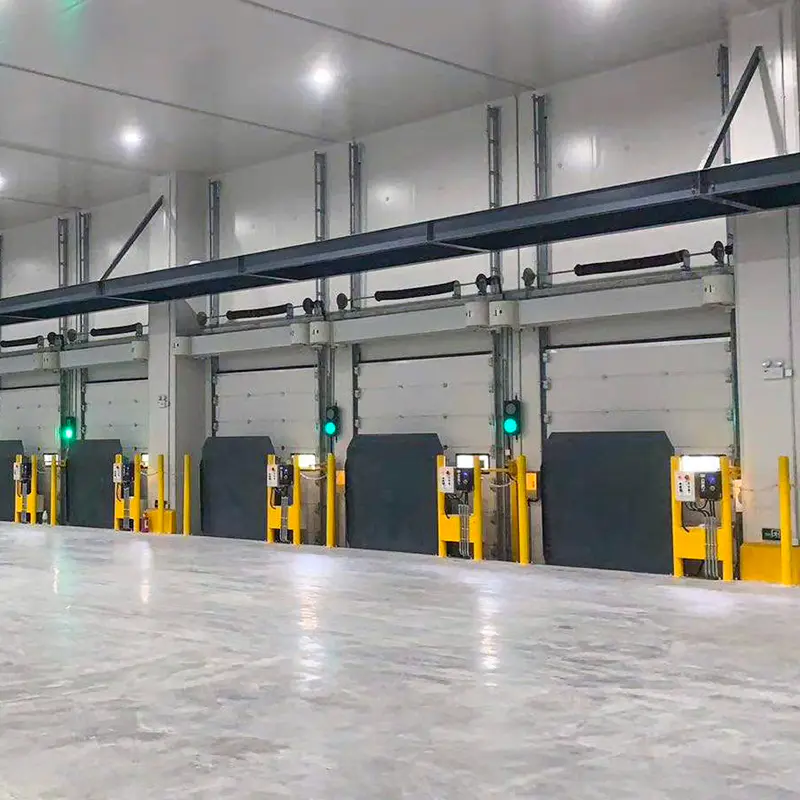
A hydraulic dock leveler carries a higher upfront investment — typically due to the pump, motor, wiring, and control system — but this cost is often offset over time by reduced labor strain, faster trailer turnaround, and fewer injury-related claims. For high-throughput distribution centers processing dozens of trailers daily, the operational savings from a hydraulic loading dock setup can outweigh the higher initial price within a few years of use.
Danger
Never mix hydraulic components from different manufacturers without verifying pressure compatibility — mismatched seals and cylinders are a leading cause of premature system failure.
Which Operation Type Fits Your Loading Dock
Choosing between mechanical and hydraulic operation ultimately comes down to trailer volume, operator safety priorities, and budget. Facilities with low to moderate trailer traffic, simple maintenance staff, and limited capital budgets tend to do well with mechanical levelers. Facilities handling high trailer volumes, prioritizing operator safety, or looking to minimize manual strain on staff typically find that a hydraulic dock leveler delivers a stronger long-term return, even with the higher initial cost.
Before deciding, it's worth mapping your average daily trailer count, available electrical infrastructure at the dock, and in-house maintenance capability against the comparison points above. These three factors alone will usually point clearly toward the operating type — mechanical or hydraulic — that best matches your facility's real-world loading dock demands.