
 English
 Español
 Tiếng Việt

Truck Dock Leveler: A Complete Buying Guide with Load Ratings and Safety Tips A practical field gu...
The single dimension decides whether a new hydraulic dock leveler drops straight into your existing pit or turns into a concrete-cutting project: the platform width. For most distribution docks, the correct width is 6 ft 0 in in imperial projects or 2,000 mm in metric projects, because the majority of box vans and dry freight trailers can be served comfortably within that width. But that holds only when the pit is poured to the same dimension. So measure the pit first, select the leveler width from the standard range, and then let platform length and lip reach follow from your fleet mix and dock height. That order avoids unnecessary structural work and keeps the operating capacity where it actually matters.
Standard Hydraulic Dock Leveler Dimensions at a Glance
Hydraulic dock levelers are manufactured in a small set of standardized sizes, which keeps replacement and pit construction predictable. The dimensions you must define are platform width, platform length, lip length and pit depth. The table below summarizes the values you will encounter in both imperial and metric projects.
| Dimension | Imperial standard | Metric standard | Typical application |
|---|---|---|---|
| Platform width | 6 ft 0 in | 2,000 mm | Standard vans and most distribution traffic |
| Platform width | 6 ft 6 in | 2,200 mm | Mixed fleets of 96-in and 102-in trailers |
| Platform width | 7 ft 0 in | 2,500 mm | High forklift traffic and side-by-side pallet handling |
| Platform length | 8 ft 0 in | 2,440 mm | Shallow pits and low height differences |
| Platform length | 10 ft 0 in | 3,050 mm | General distribution and the default choice |
| Platform length | 12 ft 0 in | 3,660 mm | Steep dock-to-trailer grades and deep gaps |
| Lip length | 16 in to 24 in | 400 mm to 600 mm | Standard closure of the dock-to-trailer gap |
| Pit depth | 18 in to 24 in | 457 mm to 610 mm | Conventional hydraulic leveler installation |
The width figures deserve emphasis. 6 ft 0 in is still the most common hydraulic dock leveler width worldwide because it matches the interior width of a 96-in trailer and covers most of the opening of a 102-in trailer. If your loading positions handle only standard dry vans, a 6-ft unit is usually sufficient and is the most economical choice.
Platform Width: Match the Leveler to the Trailer Fleet
Width matters more than length in daily operation because it comes down to forklift access. A forklift entering a 102-in trailer has roughly 98 in of clear interior width between the walls. A 6-ft leveler covers 72 in of that path, while a 7-ft leveler covers 84 in. The wider platform gives the driver more room to maneuver with a loaded pallet, reduces edge skidding on the lip and shortens steering corrections. For warehouses where forklifts work both sides of a trailer, 7 ft 0 in is the dimension that makes side-by-side handling practical.
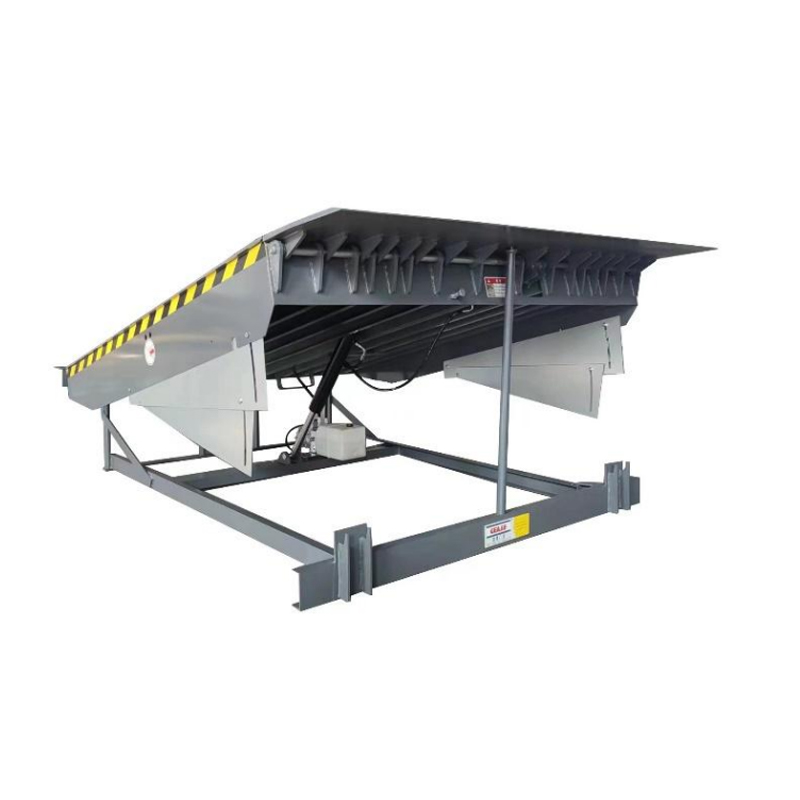
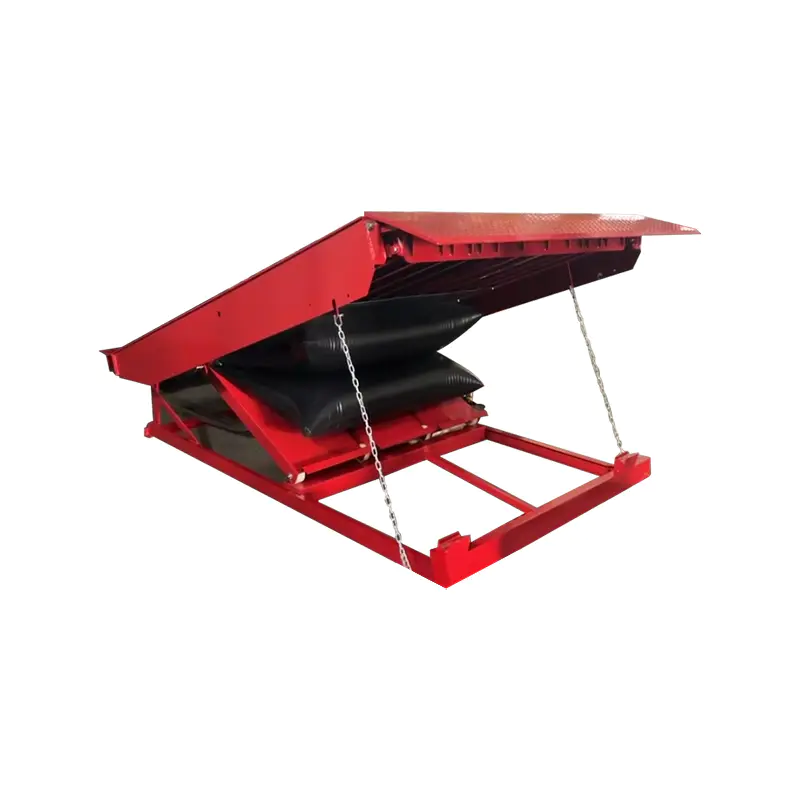
For most projects the decision rule is straightforward. Use 6 ft 0 in for a dedicated fleet of 96-in or 102-in vans, move to 6 ft 6 in when the fleet mixes older or wider bodies, and select 7 ft 0 in for high-volume operations or when the pallet layout places two rows across the trailer. In metric specifications the equivalent choices run 2,000 mm, 2,200 mm and 2,500 mm. The DL1000 series hydraulic dock leveler from GEAJIE is manufactured across all three standard widths, so it can be specified to match either an imperial or a metric pit without re-engineering the dock opening.
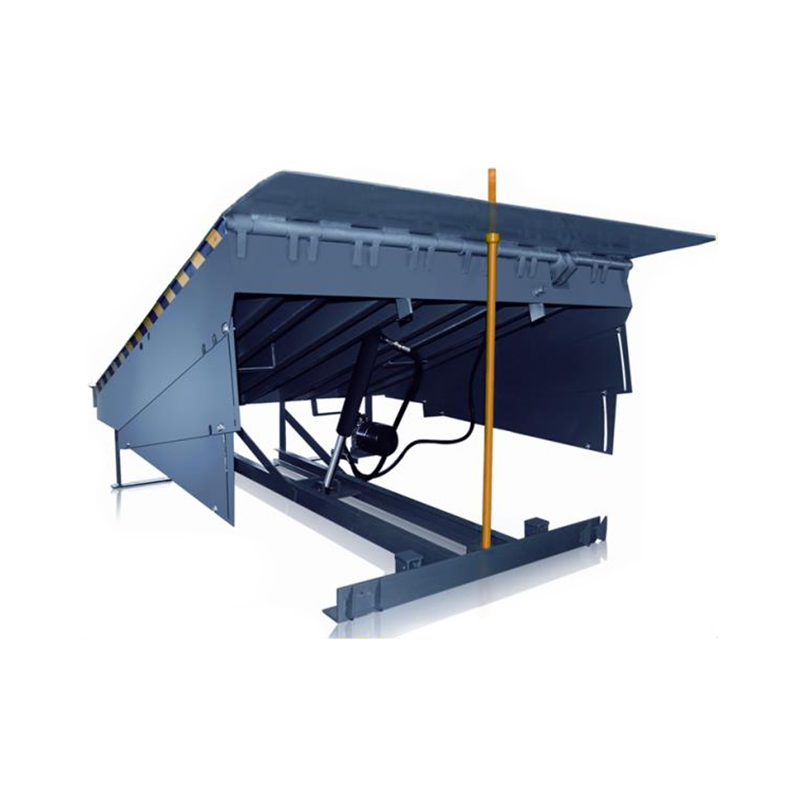 Wholesale DL-1000 Industrial Hydraulic Dock Levelers Manufacturers, OEM/ODM FactDongtai Geajie Intelligent Equipment Co., Ltd. is China OEM/ODM DL-1000 Industrial Hydraulic Dock Levelers manufacturers and wholesale DL...View Product →
- 6 ft 0 in (2,000 mm): standard dry vans, palletized freight and cost-sensitive projects.
- 6 ft 6 in (2,200 mm): mixed fleets or trailers with interior protrusions.
- 7 ft 0 in (2,500 mm): double-pallet loading or intensive turnaround operations.
Platform Length and Lip Reach: Grade and Gap Control
Platform length is not a cost addition; it controls the slope a forklift must climb when the trailer bed sits below the dock. With an 8-ft platform, a 12-in height difference creates a grade close to 12.5 percent, which is acceptable for light loads but punishing for a loaded counterbalance truck. A 10-ft platform lowers that grade to about 10 percent, and a 12-ft platform to about 8.3 percent. If your dock height sits at the standard 48 in to 52 in above grade and your trailers range from low-boy flatbeds to 60-in high cube vans, a longer platform reduces the stress on the forklift drivetrain and the risk of cargo shifting.
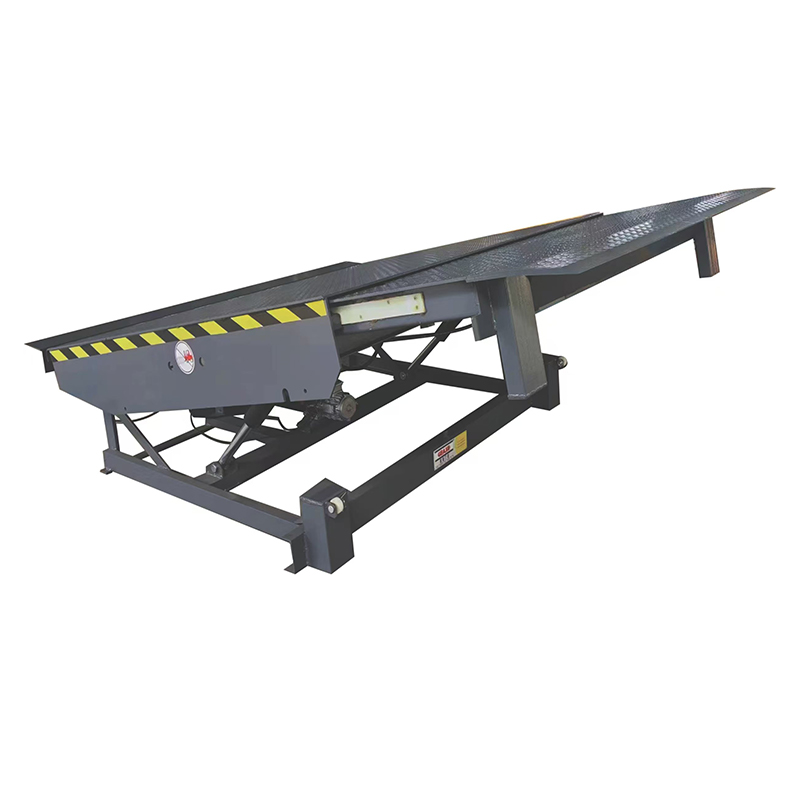
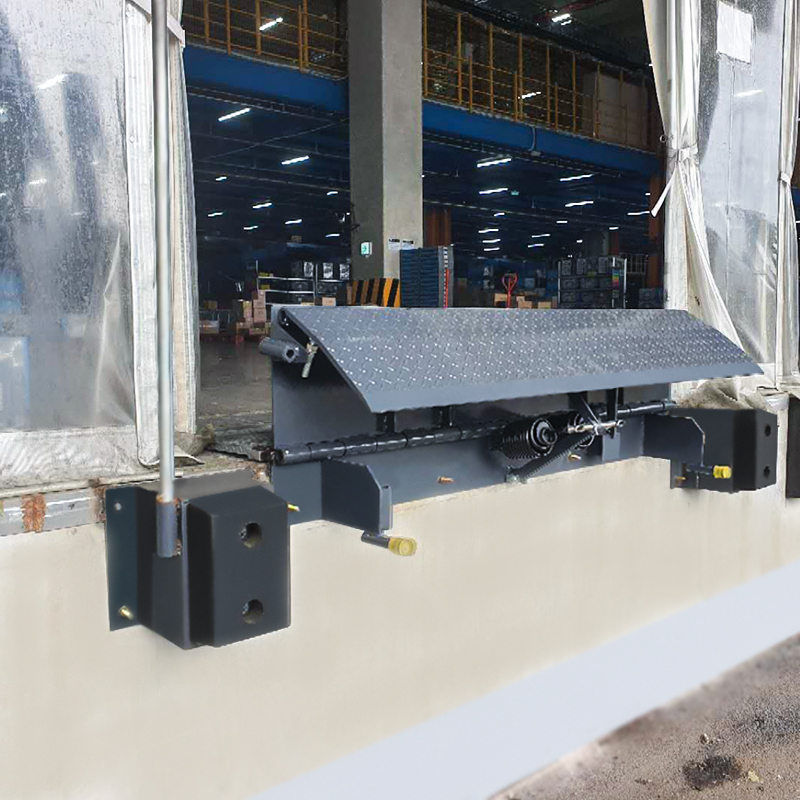
The lip reach, normally 16 in or 24 in, closes the gap between the leveler edge and the trailer floor. A fixed lip is the most common arrangement and works when the trailer parks close to the dock face. Problems appear when trailers have recessed or angled tail sections, or when the dock bumpers compress differently between trucks. In those situations a telescopic lip that extends farther gives you tolerance for positioning errors without modifying the pit. The DL2000 hydraulic dock leveler with telescopic lip is a practical example: the lip extends under control to sit firmly on the trailer floor, which keeps the transition stable even when the gap is larger than a fixed 16-in lip can cover.
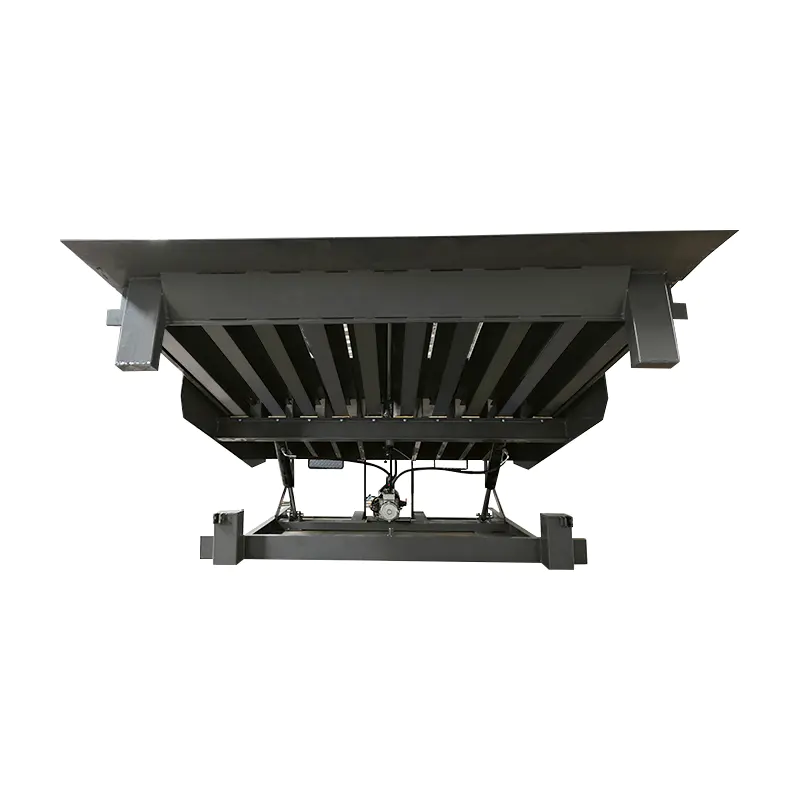 Wholesale DL-2000 Industrial Dock Leveler With Telescopic Lip Manufacturers, OEMDongtai Geajie Intelligent Equipment Co., Ltd. is China OEM/ODM DL-2000 Industrial Dock Leveler With Telescopic Lip manufacturers and who...View Product →
Pit Depth and Frame Requirements
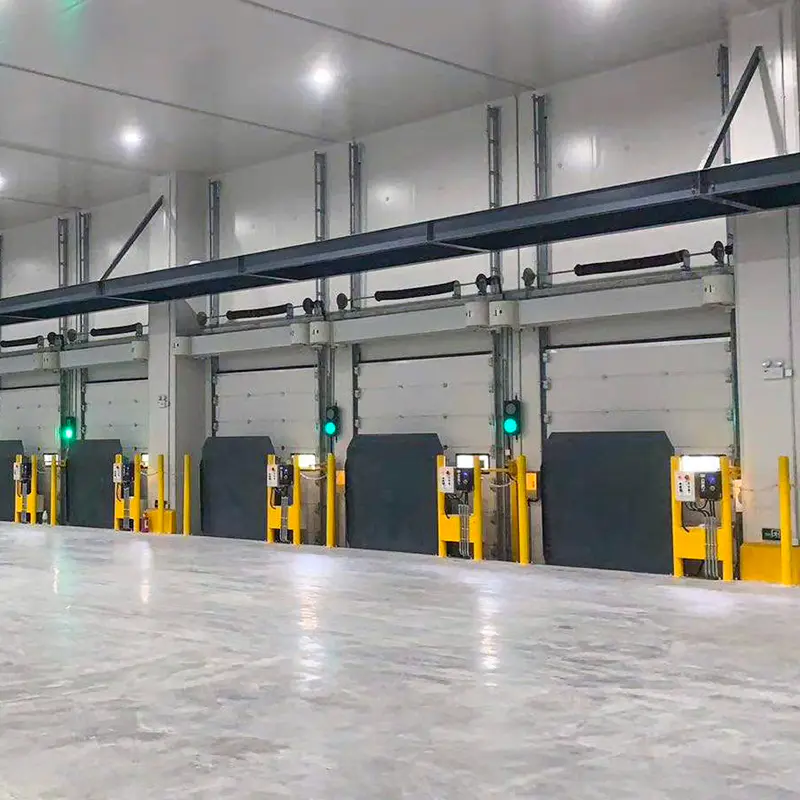
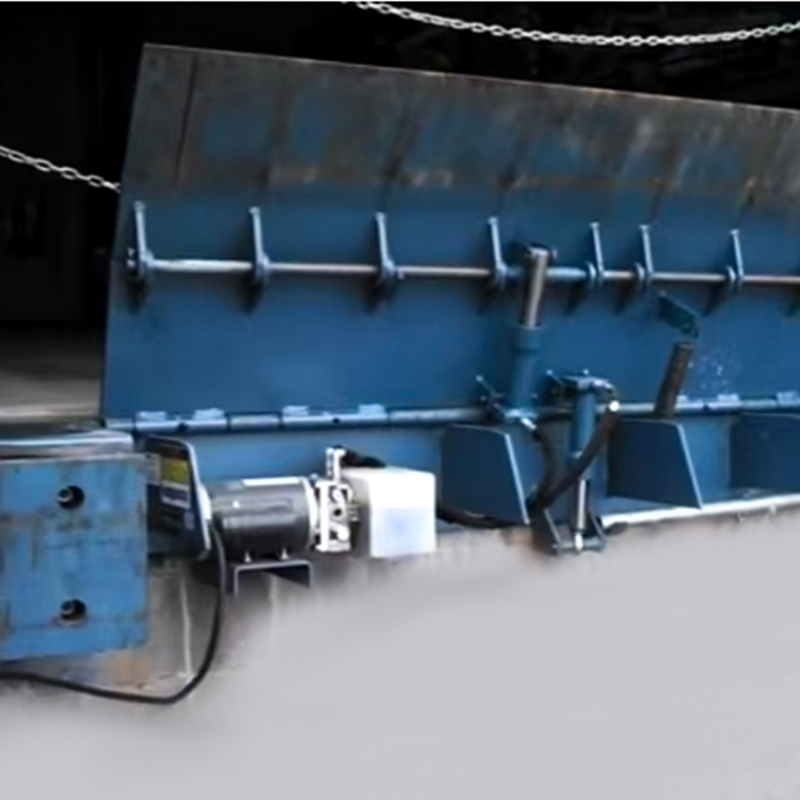
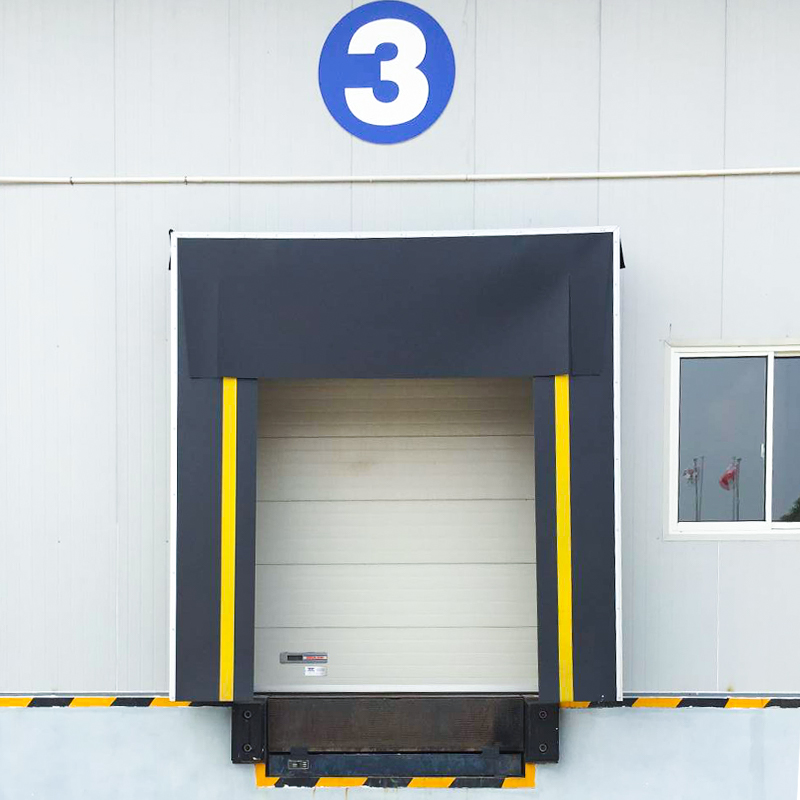
The pit is often forgotten until the moment of replacement, but its dimensions determine which leveler family fits your building. Conventional hydraulic dock levelers require a pit roughly 18 in to 24 in deep below the finished dock floor, measured from the top of the floor to the pit bottom. The pit width and depth follow the platform size plus frame clearance, normally about 3 in on each side. If your building has a shallow pit or a suspended slab that cannot be cut, you are not limited to a conventional hydraulic unit: a vertical leveler such as the DLE vertical dock leveler works from a shallower pit and stores the platform inside the building, which also improves the thermal envelope around the door opening.
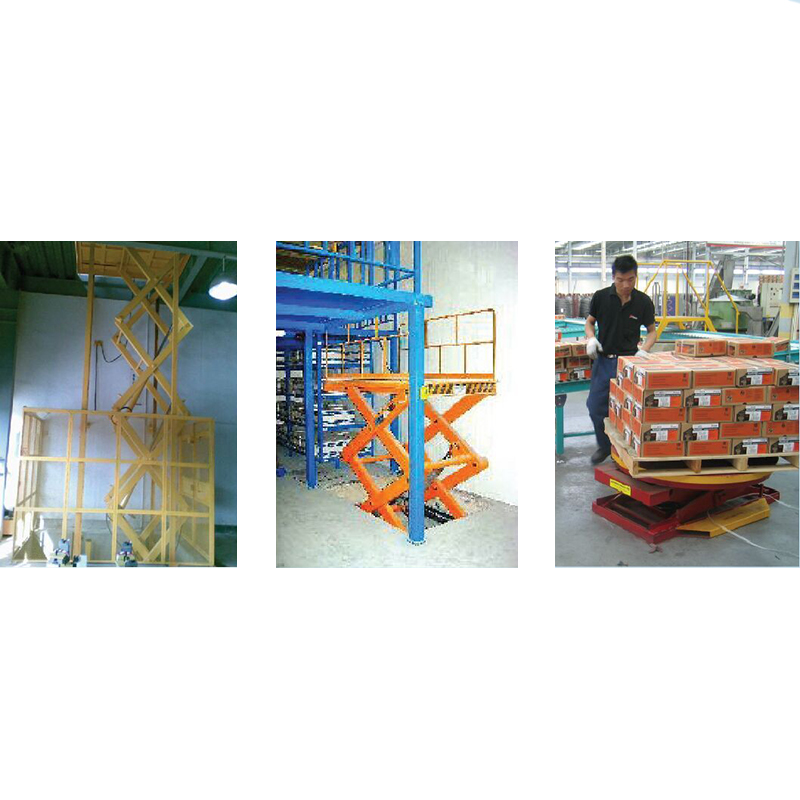 Wholesale DL-E Vertical Dock Levelers Manufacturers, OEM/ODM Factory - Dongtai GDongtai Geajie Intelligent Equipment Co., Ltd. is China OEM/ODM DL-E Vertical Dock Levelers manufacturers and wholesale DL-E Vertical Doc...View Product →
Before you pour or modify a pit, check whether your project follows EN 1398 or an American standard, because the two systems define nominal loads and test conditions differently. The comparison of European and American loading platform standards explains where those differences change pit dimensions and rated capacities.
How Load Capacity and Platform Dimensions Work Together
Do not size a leveler by length alone, because the rated dynamic load assumes the platform is used at a specific working angle and operational pattern. A 6 ft by 10 ft leveler rated at 6,000 lb can handle a fully loaded counterbalance forklift, but only when the truck moves slowly and the axle spacing keeps the load distributed across the platform. If the same forklift runs fast or the trailer sits steeply below the dock, the effective front-axle load rises quickly. The right sequence is to establish the maximum gross vehicle weight of your forklift and the pallet load, then verify that the selected width and length from the standard range still leave a comfortable margin under the manufacturer's rating.
Check the lip rating separately, because the lip carries the wheel impact at the trailer threshold. Specifications that list only a platform load can mislead you when the trailer bed sits high relative to the dock. For a step-by-step approach that covers dimensions, sizing and the rest of the dock equipment together, this guide on how to choose the right hydraulic dock levelers provides a practical workflow.
Six Steps to Confirm Hydraulic Dock Leveler Dimensions Before You Order
- Measure the existing pit length, width and depth from the finished floor level, and note the condition of the concrete edges.
- Measure the dock height above grade at every loading position, because the same leveler model serves docks from 42 in to 52 in only if the platform length is chosen accordingly.
- Profile the trailer fleet: record interior widths, bed heights when empty and when loaded, and tail design.
- Identify the heaviest forklift and the maximum pallet load that will cross the leveler during normal operation.
- Select the platform width from the standard range that covers the fleet, then confirm the rated capacity exceeds your load case.
- Compare the selected model's pit depth and lip length against your measured pit; if either differs, review the product drawing or move to a vertical leveler design.
The dimensional check is the fastest way to avoid the two most expensive mistakes in a dock leveler project: ordering a unit that does not fit the pit, and choosing a platform that is technically rated but undersized for your widest trailer. Standard widths of 6 ft, 6 ft 6 in and 7 ft, standard lengths of 8 ft, 10 ft and 12 ft, and lip lengths of 16 in to 24 in cover the overwhelming majority of loading docks. When the site details deviate from those ranges, the more reliable move is to adjust your approach with a telescopic lip or a vertical leveler rather than order a custom platform that extends lead time and cost. Measure the pit, confirm the fleet, and let the standard dimension table do the rest.
