
 English
 Español
 Tiếng Việt

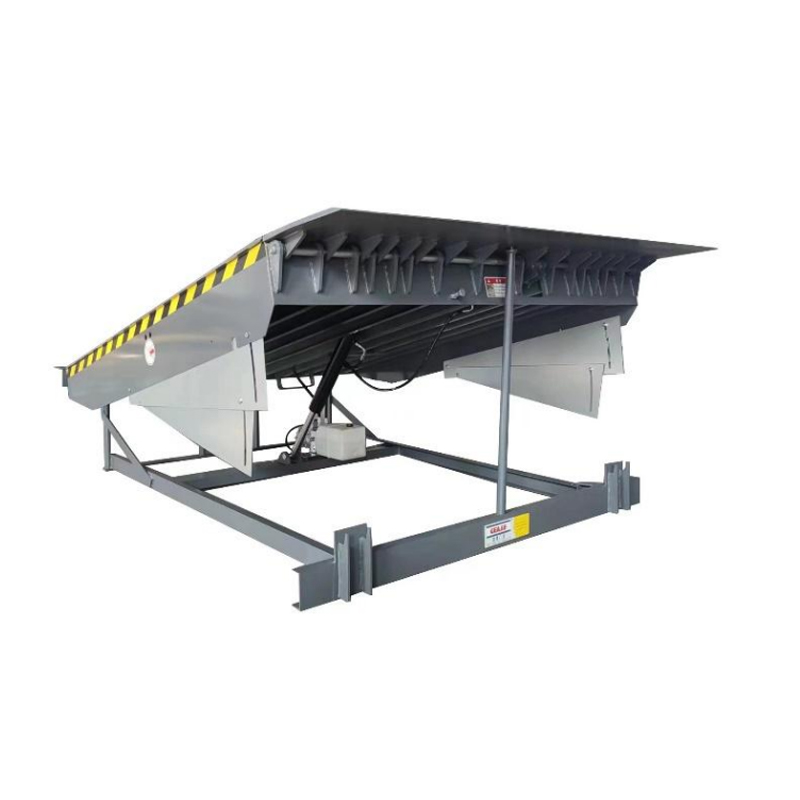
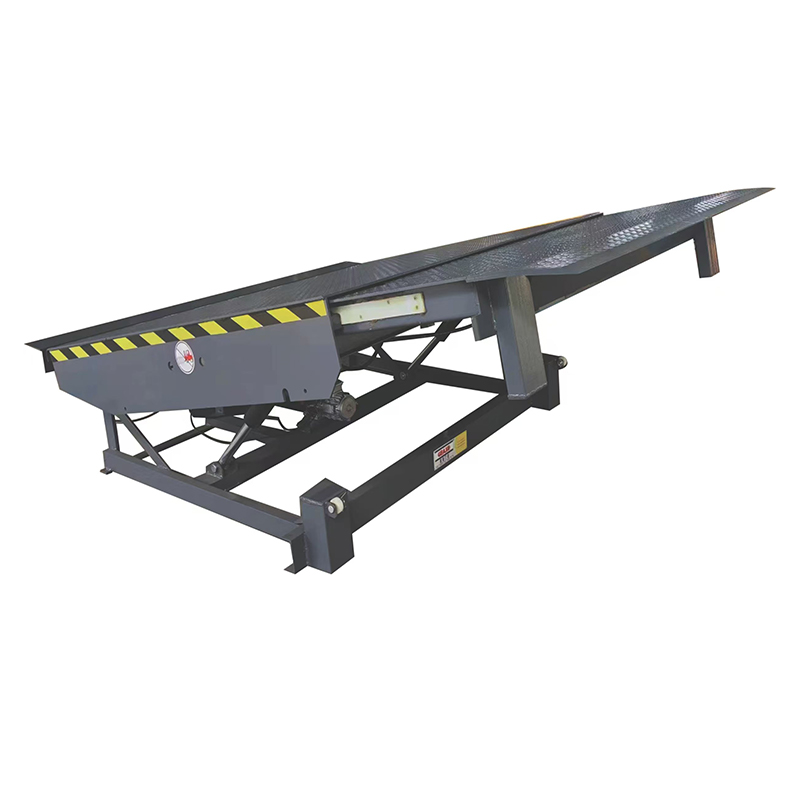
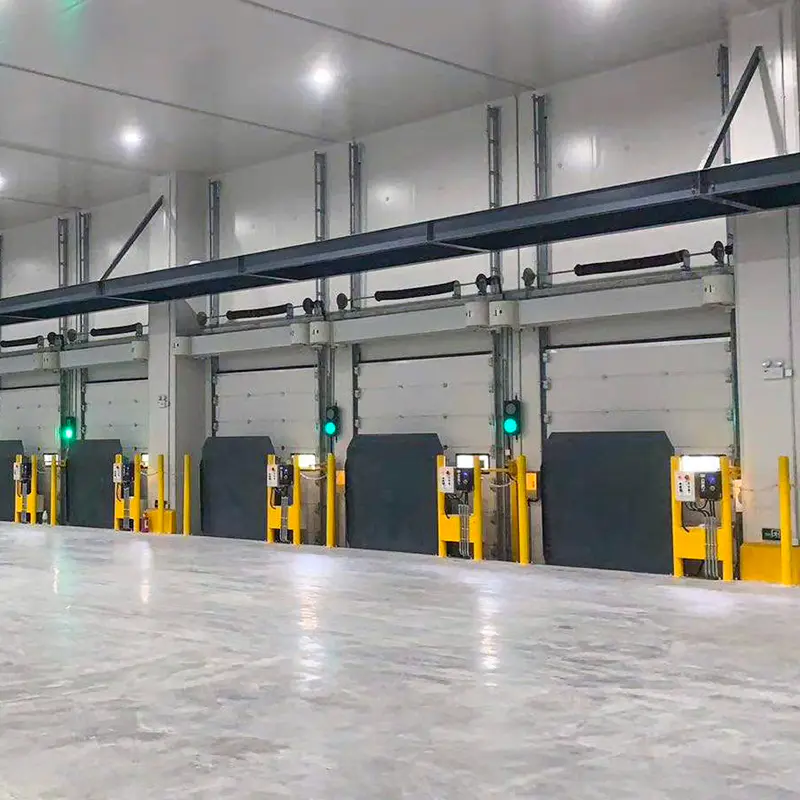
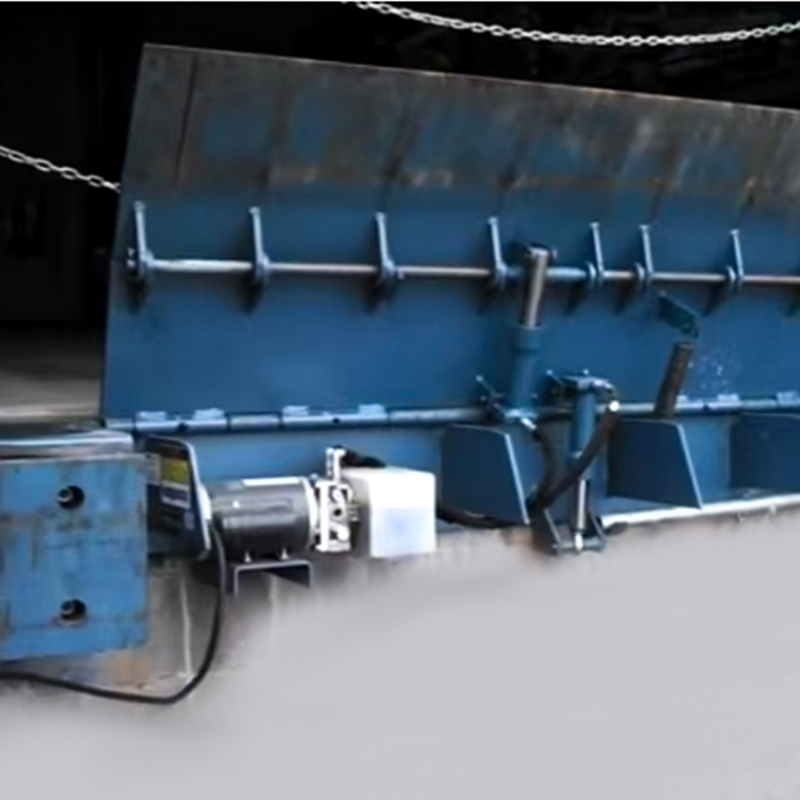
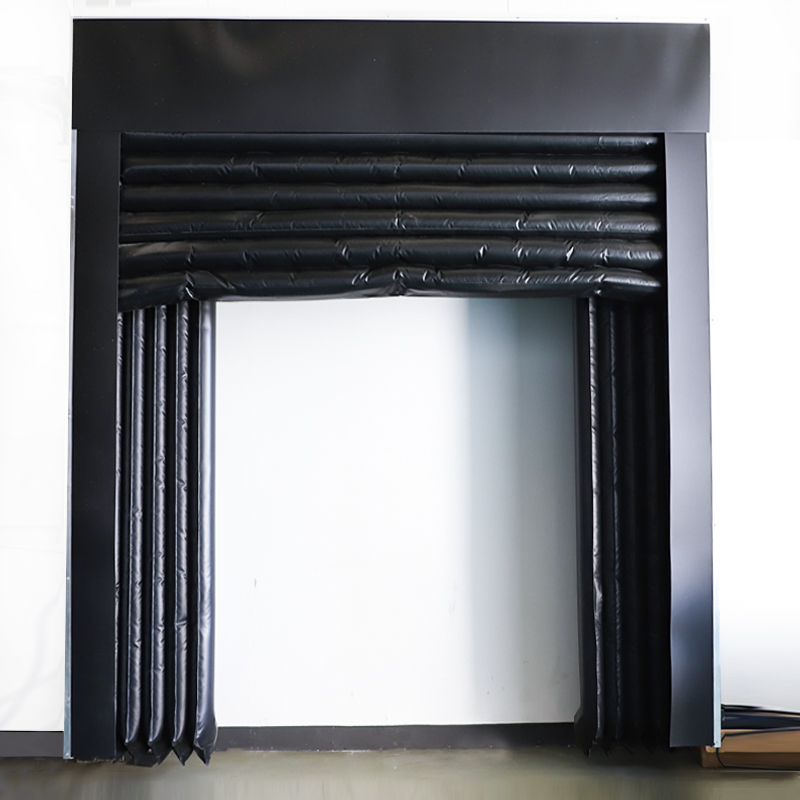
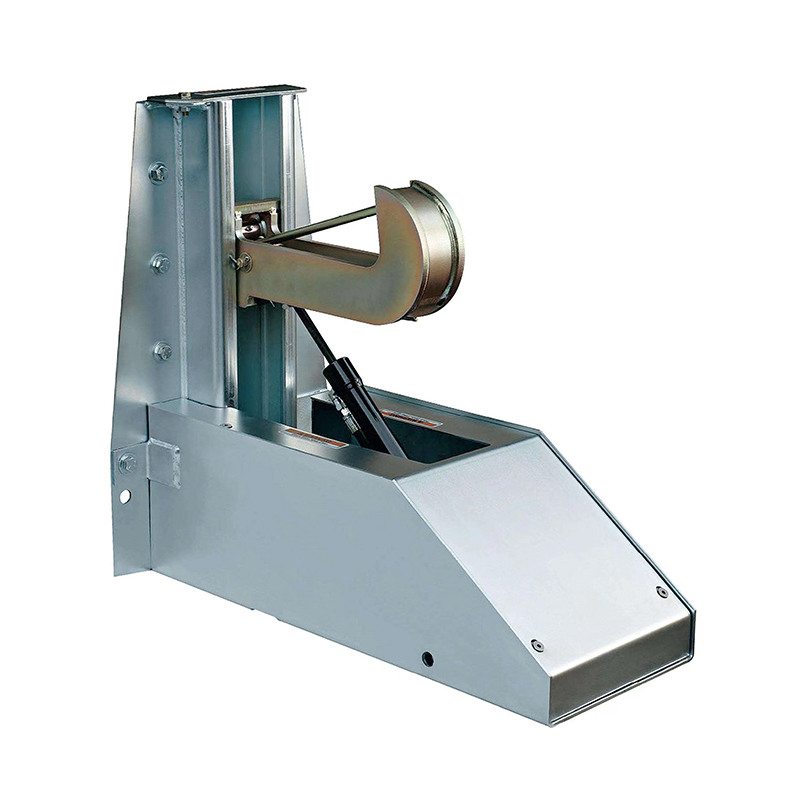
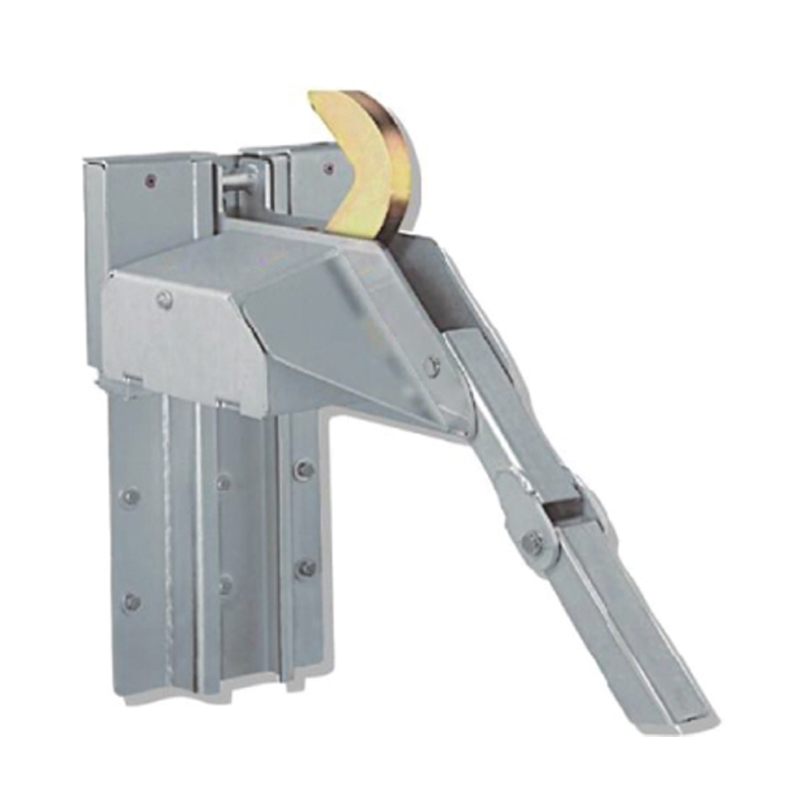
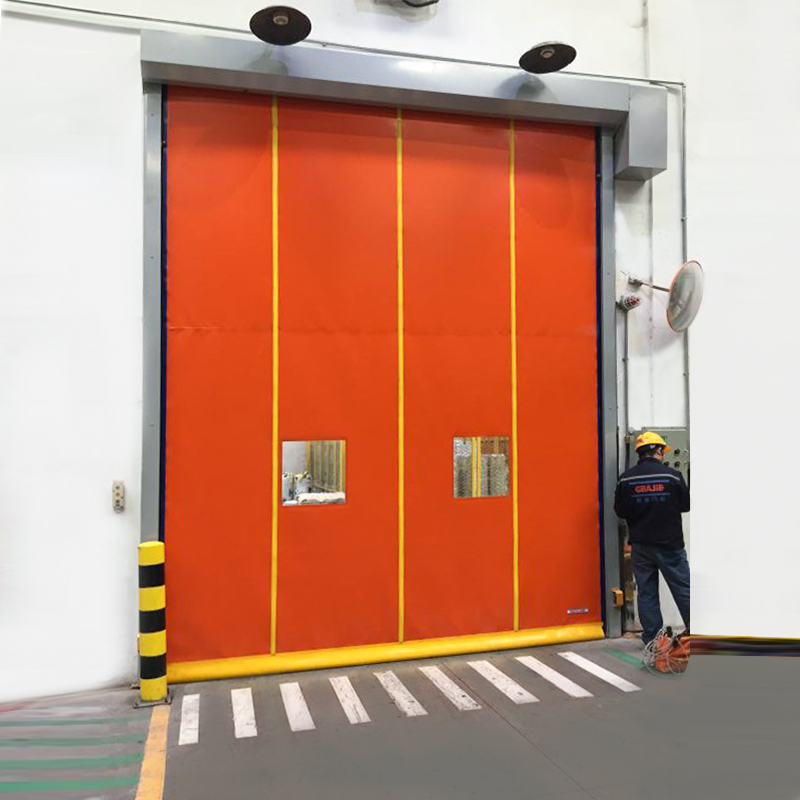
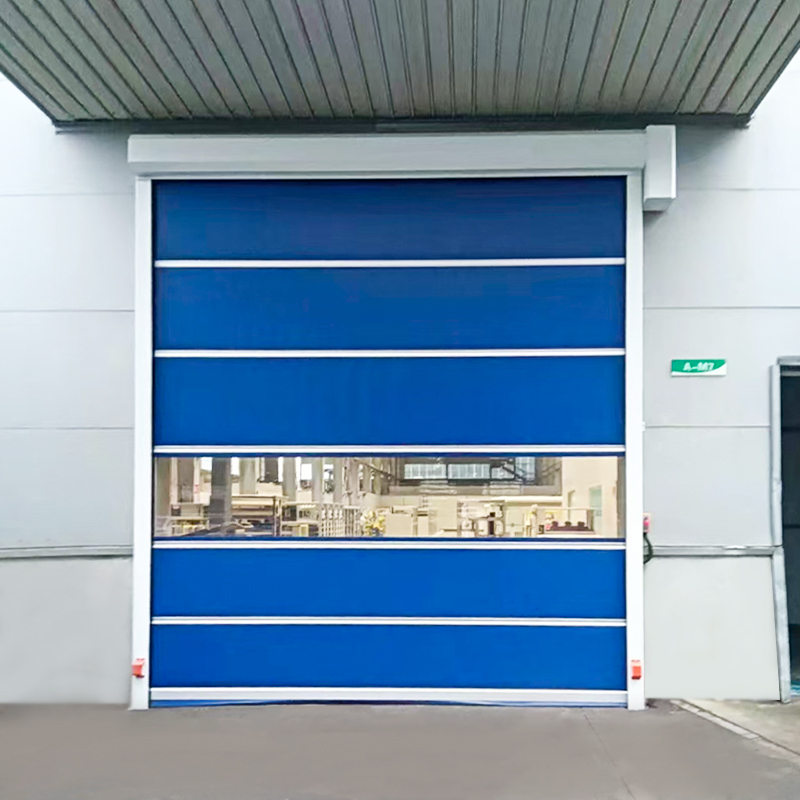
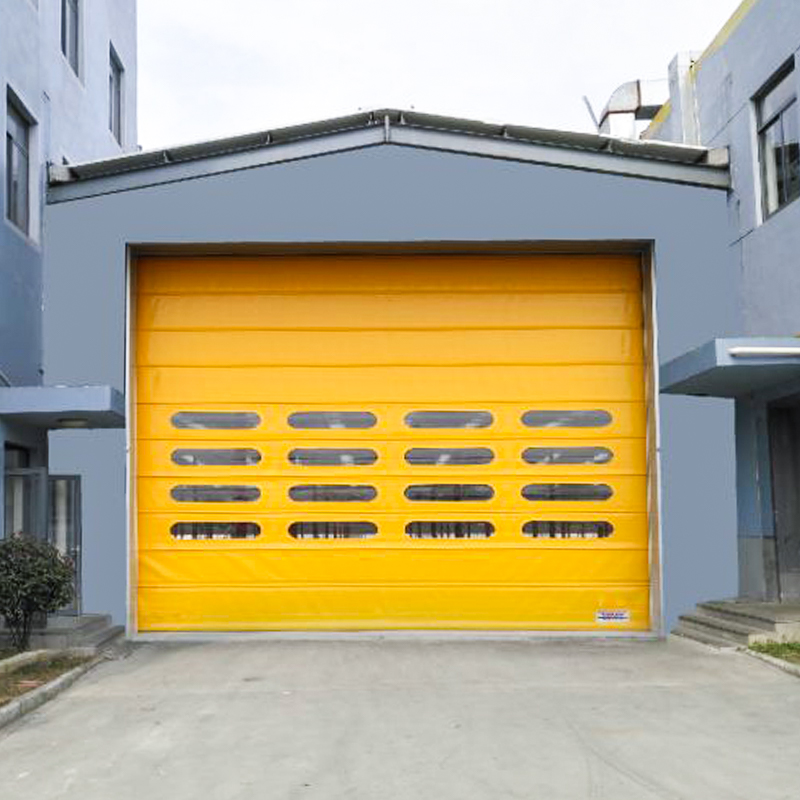
A hydraulic dock leveler looks like a piece of passive steel sunk into the loading bay. In daily o...
The EOD Industrial Dock Leveler typically completes a full operation cycle in 10–20 seconds, while pneumatic dock levelers average 15–30 seconds per cycle depending on air pressure supply and system design. In high-throughput dock environments, this difference compounds quickly across dozens of daily trailer exchanges, making the EOD Industrial Dock Leveler a faster operational choice for most standard loading dock applications.
What "Cycle Time" Actually Means at the Loading Dock
Cycle time refers to the total elapsed time from when an operator initiates the dock leveler to when the lip is fully extended and resting securely on the trailer bed — ready for forklift entry. It also includes the return cycle: lifting the lip, retracting it, and returning the deck to the stored position after the trailer departs.
For facilities processing 30–60 trailer exchanges per day, even a 10-second difference per cycle translates to 5–10 minutes of aggregate time lost or gained daily. Over a full year, that can mean dozens of productive hours — or costly delays — depending on which system you operate.
EOD Industrial Dock Leveler Cycle Time: How It Works
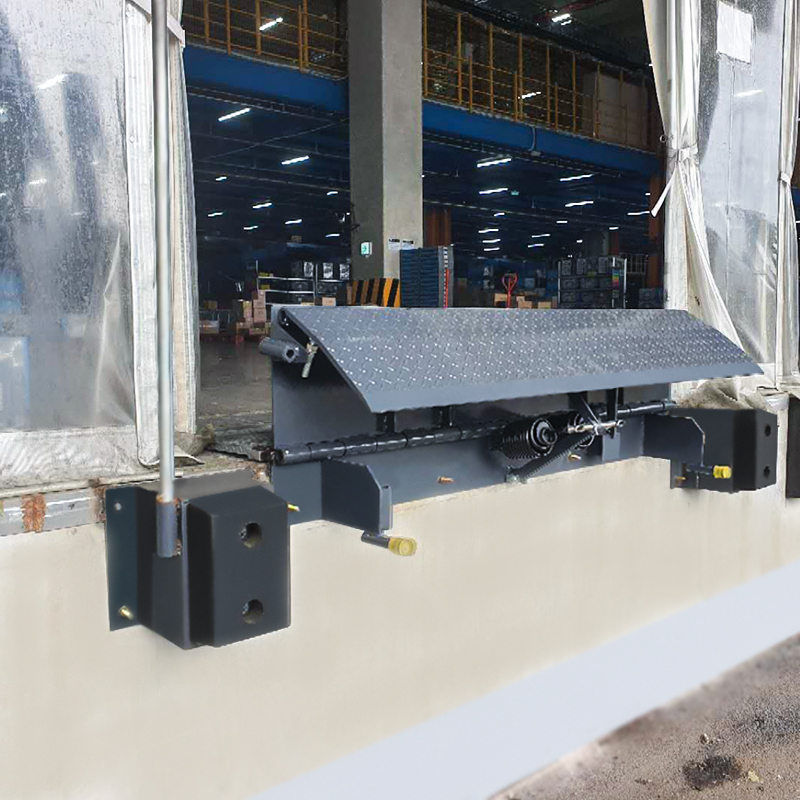
The EOD Industrial Dock Leveler uses a hydraulic or mechanical actuating mechanism mounted directly at the edge of the dock face — eliminating the need for a pit installation. This edge-of-dock design offers a compact, self-contained operation with minimal mechanical complexity.
Typical deployment sequence for the EOD Industrial Dock Leveler:
- Operator pulls handle or activates control — deck lifts and lip extends automatically
- Deck lowers onto trailer bed under its own weight — lip seats on trailer floor
- Forklift begins loading or unloading immediately
- After trailer departs, deck returns to dock-level stored position
This full sequence typically takes 10–20 seconds under normal conditions. The EOD Industrial Dock Leveler requires no warm-up time, no air compressor priming, and no hydraulic pump lag — contributing to its consistently fast cycle performance.
Pneumatic Dock Leveler Cycle Time: How It Works
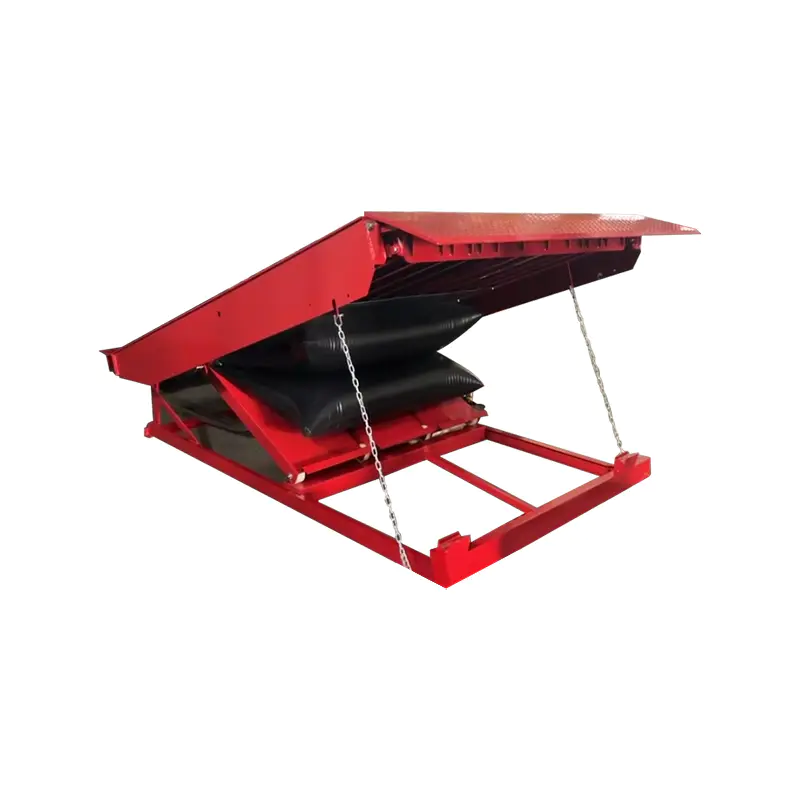
Pneumatic dock levelers use air-inflated bags to raise the deck platform, then extend the lip onto the trailer. The inflation and deflation process is controlled by a blower system and managed through an electrical control panel. This makes them a clean, environmentally friendly option — but the air-fill mechanism introduces a time variable that purely mechanical or edge-of-dock systems do not share.
Key factors that influence pneumatic dock leveler cycle time include:
- Blower motor capacity (typically 1/3 to 1 HP)
- Airbag volume and deck size (standard 6'x8' vs. wider 7'x8' platforms)
- Ambient temperature (cold environments slow inflation response)
- Age and condition of airbag seals
Under ideal conditions, a pneumatic dock leveler cycles in approximately 15–25 seconds. In colder climates or with aging equipment, this can extend to 30 seconds or beyond per cycle.
Direct Cycle Time Comparison: EOD Industrial Dock Leveler vs. Pneumatic
| Metric | EOD Industrial Dock Leveler | Pneumatic Dock Leveler |
|---|---|---|
| Average Cycle Time | 10–20 seconds | 15–30 seconds |
| Cold Environment Impact | Minimal | Moderate to significant |
| Warm-Up Required | No | Blower motor priming needed |
| Cycle Consistency | High | Moderate (airbag-dependent) |
| Operator Steps Required | 1–2 | 2–3 |
| Installation Type | Edge-of-dock (no pit) | Pit-mounted |
| Typical Capacity Range | 20,000–30,000 lbs | 25,000–50,000 lbs |
Where Cycle Time Matters Most — and Where It Doesn't
Not every operation prioritizes raw cycle speed. Understanding when the EOD Industrial Dock Leveler's faster cycle time provides a meaningful advantage — and when a pneumatic leveler's other attributes outweigh the time gap — helps operators make smarter procurement decisions.
When the EOD Industrial Dock Leveler's Speed Advantage Is Critical
- High-frequency docks processing 40+ trailer moves per day benefit most from the shorter cycle window
- Facilities with tight trailer turnaround windows, such as cross-docking operations or just-in-time manufacturing supply chains
- Docks that cannot accommodate pit construction, where the EOD Industrial Dock Leveler is the only viable option alongside faster mechanical alternatives
- Cold storage or refrigerated dock environments, where pneumatic airbag response degrades and the EOD Industrial Dock Leveler maintains consistent performance
When Pneumatic Levelers May Still Be Preferred Despite Slower Cycles
- Operations requiring wider working range (above/below dock variance exceeding ±3 inches), where pneumatic pit levelers offer greater reach than edge-of-dock models
- Docks handling very heavy forklift loads (above 30,000 lbs capacity), where full pit-mounted pneumatic levelers provide structural advantages
- Facilities prioritizing zero hydraulic fluid on dock floors for cleanliness-sensitive environments like food processing
Maintenance Impact on Cycle Time Over Time
Cycle time is not static — it degrades with deferred maintenance on both systems. However, the two leveler types degrade differently, and understanding this helps predict long-term operational costs.
The EOD Industrial Dock Leveler relies on a relatively simple mechanical or hydraulic mechanism. With routine annual inspections, hinge lubrication, and lip chain checks, cycle times remain stable for 10–15 years in typical medium-duty applications. Maintenance costs average $150–$300 per year per unit.
Pneumatic dock levelers are more maintenance-intensive. Airbag seals deteriorate over time — typically showing measurable inflation lag after 5–8 years without seal replacement. Blower motors also require periodic servicing. Annual maintenance costs for pneumatic systems typically run $300–$600 per unit, with airbag replacement adding $400–$800 every 7–10 years.
In summary: the EOD Industrial Dock Leveler not only starts with a faster base cycle time, but also maintains that speed more reliably over its service life with lower annual maintenance investment.
Operational Efficiency: Translating Cycle Time into Real Cost Impact
To put cycle time differences in concrete financial terms, consider a distribution center running two active dock doors, each processing 50 trailer moves per day, 250 days per year.
- EOD Industrial Dock Leveler at 15 seconds avg: 50 cycles × 15s = 750 seconds (12.5 minutes) per door per day
- Pneumatic leveler at 25 seconds avg: 50 cycles × 25s = 1,250 seconds (nearly 21 minutes) per door per day
- Time saved per door per year: ~8.3 minutes/day × 250 days = ~34.6 hours annually
- Across two doors: ~69 hours of recovered dock productivity per year
At a fully-loaded labor cost of $35/hour for dock workers, that translates to approximately $2,415 in annual labor efficiency gains per facility — simply from choosing the EOD Industrial Dock Leveler over a pneumatic alternative.
For the majority of standard industrial dock applications, the EOD Industrial Dock Leveler delivers a measurably faster and more consistent cycle time than pneumatic dock levelers. Its mechanical simplicity, absence of inflation lag, and resilience in varied temperature conditions make it the superior choice where speed and throughput are primary operational concerns.
Pneumatic dock levelers remain a strong choice when load capacity requirements exceed the EOD Industrial Dock Leveler's rated range, or when broader dock-level working range is essential. But for facilities where dock throughput, installation simplicity, and predictable cycle performance define success, the EOD Industrial Dock Leveler holds a clear and quantifiable advantage.
