
 English
 Español
 Tiếng Việt

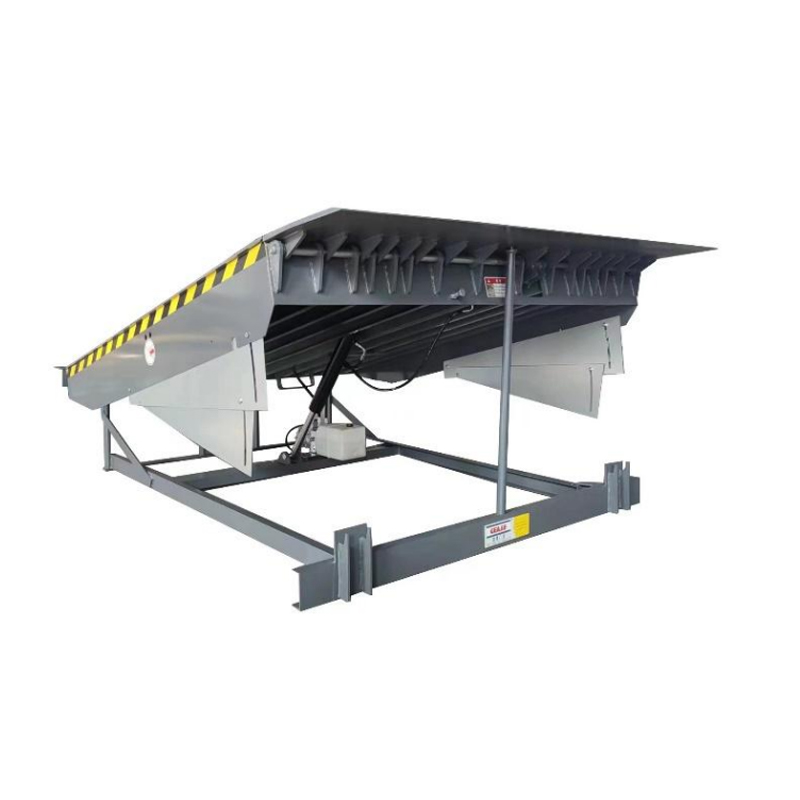
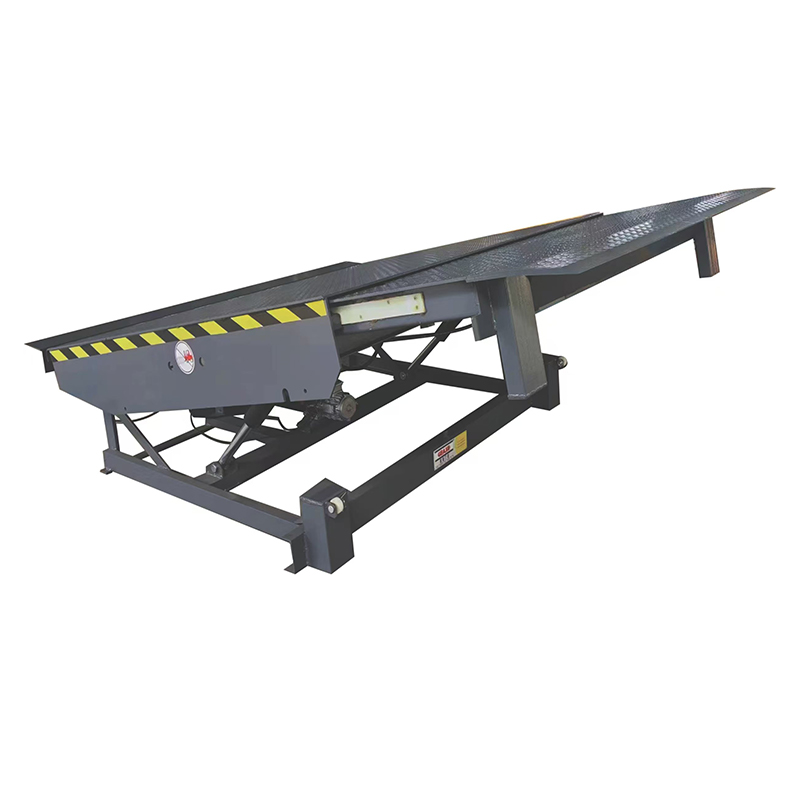

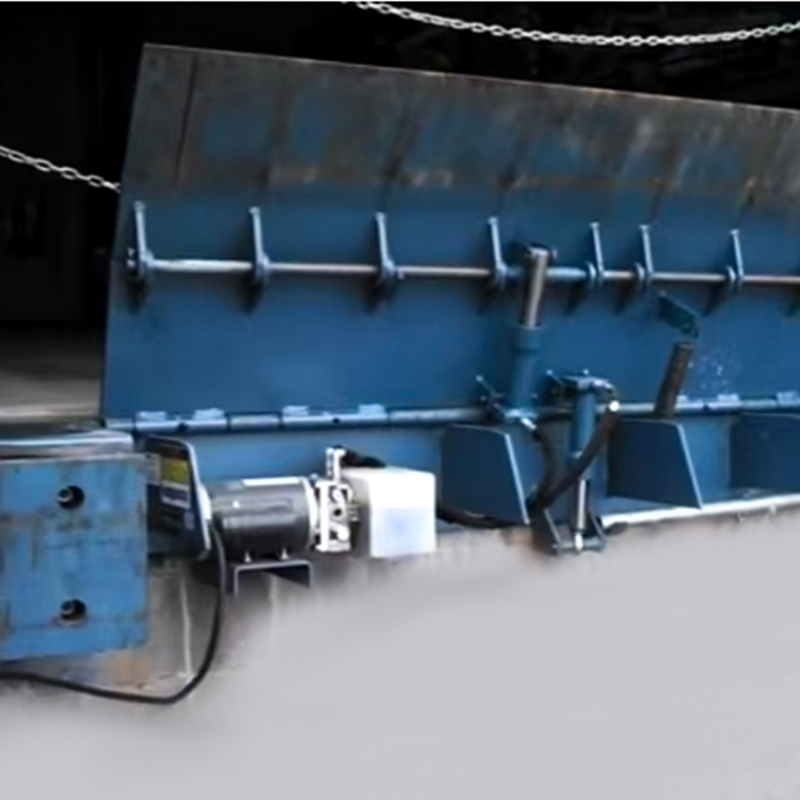
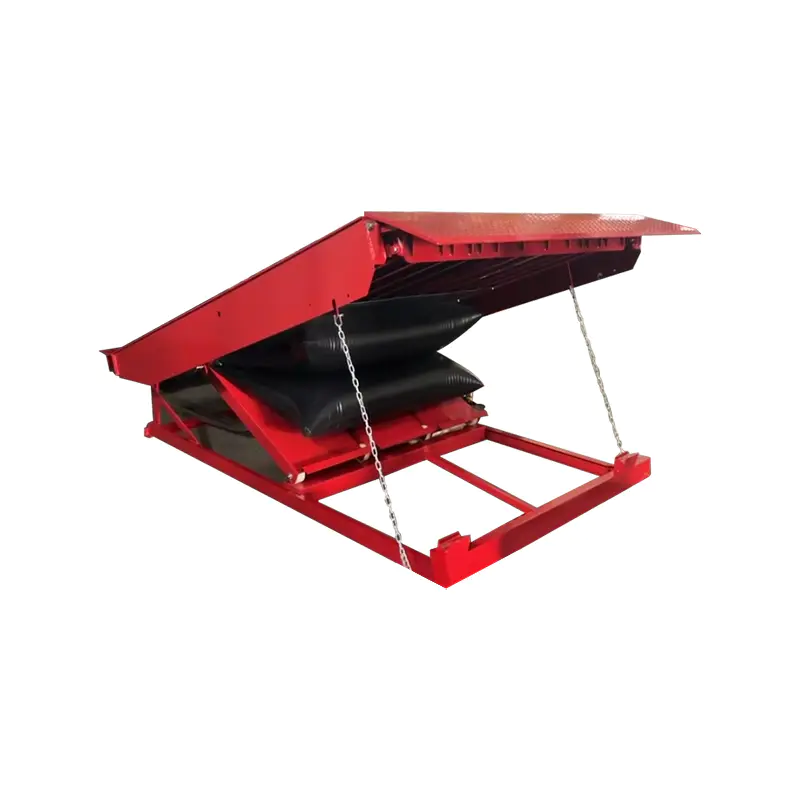
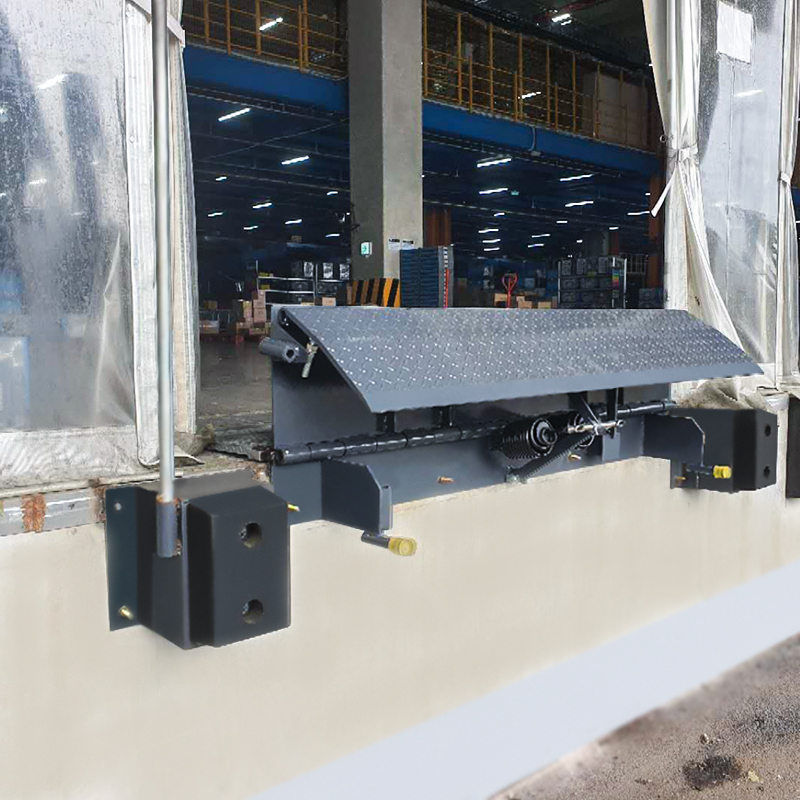
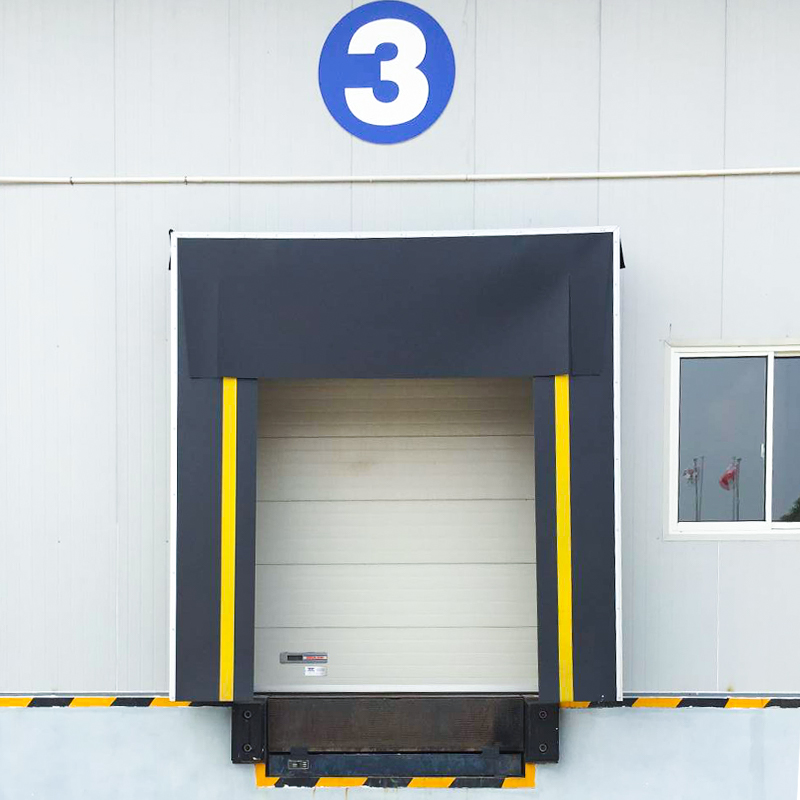

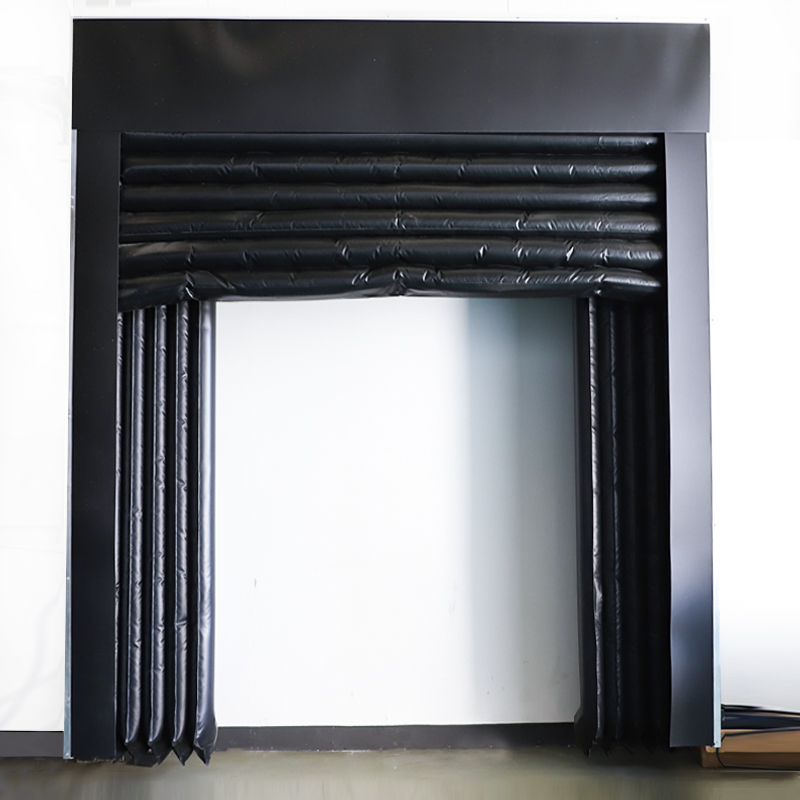
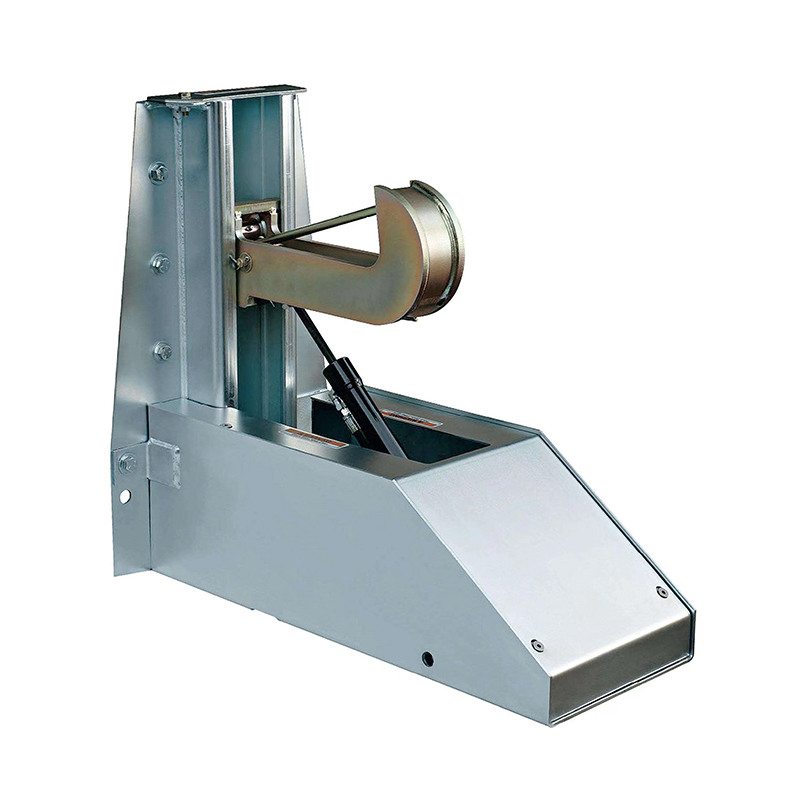
Truck Dock Leveler: A Complete Buying Guide with Load Ratings and Safety Tips A practical field gu...
-
Compression resilience and elasticity: Industrial Sponge Door Seal is manufactured using high-density, closed-cell or open-cell foam materials designed specifically for repeated deformation. When the door closes, the seal compresses to fill gaps and create an effective barrier against air, dust, water, or noise. The material’s elastic properties allow it to return to its original shape once the pressure is released, a characteristic known as compression set resistance. High-quality industrial sponge foams are engineered to tolerate thousands of compression cycles without significant loss of elasticity. This resilience ensures that the seal continues to provide reliable performance over time, maintaining its intended gap-filling and insulation functions in both high-traffic and industrial environments.
-
Impact of foam density and firmness: The density and firmness of the sponge material directly affect its ability to recover from repetitive compression. Higher-density foams are generally more resistant to permanent deformation and can maintain their shape over prolonged usage. Lower-density foams may compress more easily but are at higher risk of gradual permanent set if exposed to continuous or excessive pressure. For Industrial Sponge Door Seal, selecting the correct density is a key design consideration, as it must provide sufficient compliance to form an effective seal while also retaining the mechanical strength to withstand repeated door operations without structural fatigue or loss of sealing performance.
-
Effect of compression ratio and mechanical stress: The degree to which the seal is compressed, often called the compression ratio, plays a major role in long-term performance. If the Industrial Sponge Door Seal is consistently compressed beyond its recommended limits, the foam cells can collapse or deform irreversibly, reducing recovery efficiency and sealing effectiveness. Continuous friction from swinging, sliding, or rolling doors also introduces mechanical stress, which can abrade the foam surface over time. Industrial-grade seals often incorporate reinforced surfaces or denser foams to resist this wear, ensuring the seal remains functional despite high-frequency use. Proper sizing and installation are essential to avoid excessive compression and stress, which could accelerate material fatigue.
-
Environmental influences on recovery: Temperature extremes, humidity, exposure to UV light, and contact with chemicals such as oils, solvents, or cleaning agents can all impact the elasticity and durability of Industrial Sponge Door Seal. Elevated temperatures may soften the foam and increase the risk of permanent deformation, whereas freezing or prolonged cold can make the material brittle, affecting recovery. High humidity can affect open-cell foams by allowing moisture absorption, potentially altering compressibility. Quality industrial sponges are formulated to resist these environmental factors, often including UV stabilizers, chemical-resistant coatings, or closed-cell structures to protect against moisture and contamination, ensuring reliable shape recovery in diverse conditions.
-
Long-term performance and lifespan: Well-engineered Industrial Sponge Door Seal products are designed to maintain approximately 80–90% of their original thickness and sealing effectiveness even after thousands of compression cycles. Regular inspection is recommended to detect early signs of fatigue, abrasion, or compression set, particularly in high-traffic or industrial environments. Replacement schedules should be based on usage intensity, environmental conditions, and critical sealing requirements. By selecting the appropriate material density, compression ratio, and protective features, industrial sponge door seals can achieve long-term reliability, consistently providing airtight, thermal, and acoustic sealing while withstanding repetitive mechanical and environmental stress.
