
 English
 Español
 Tiếng Việt

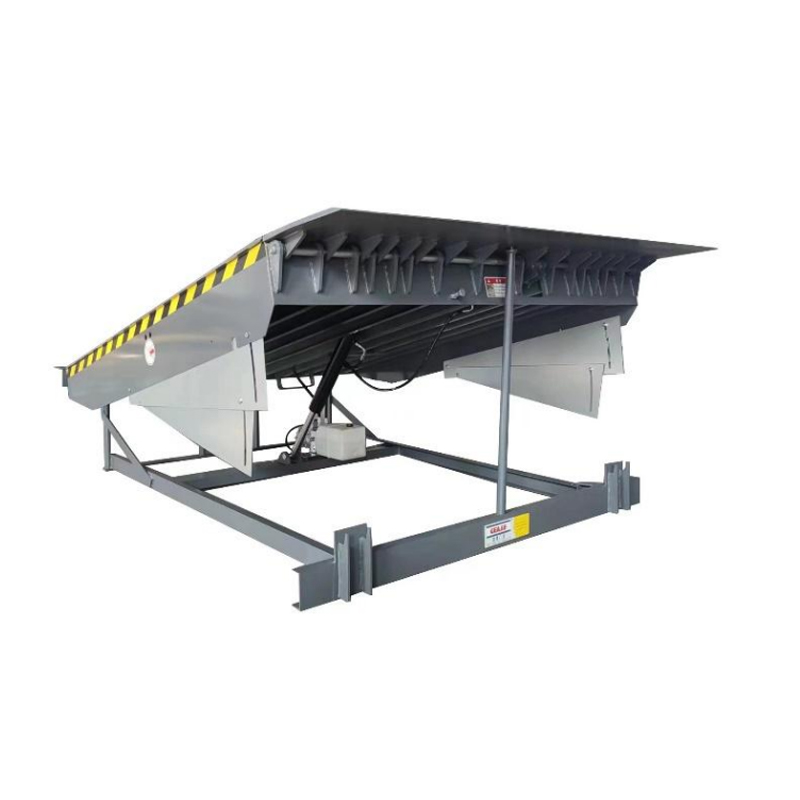
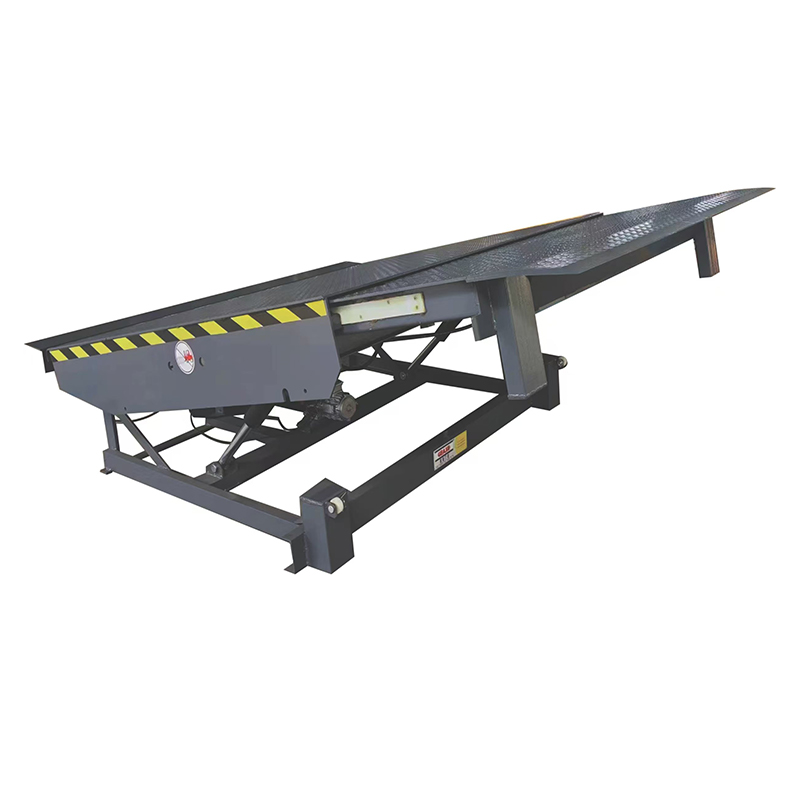
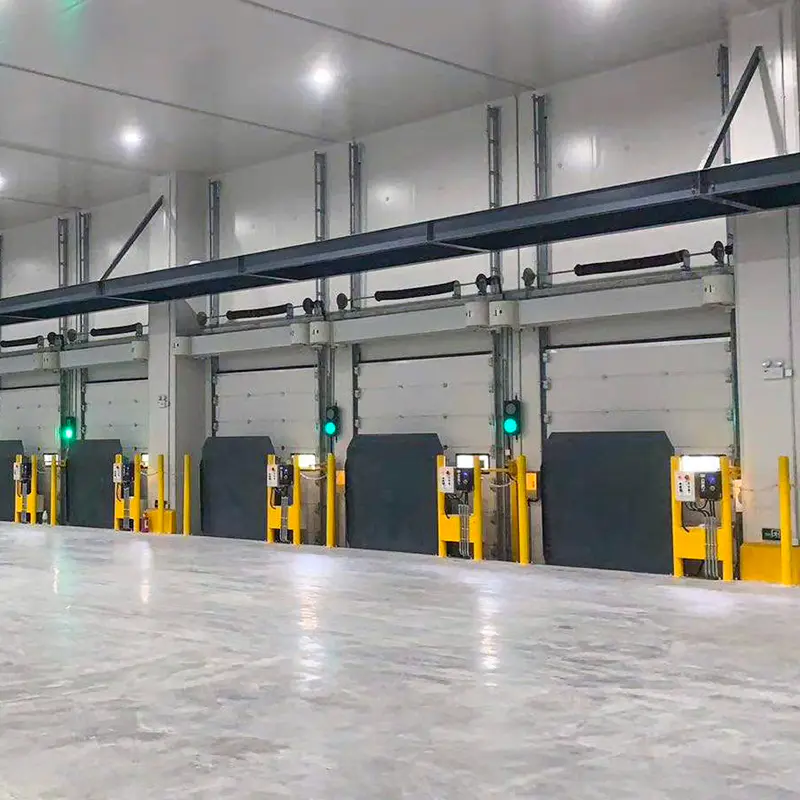
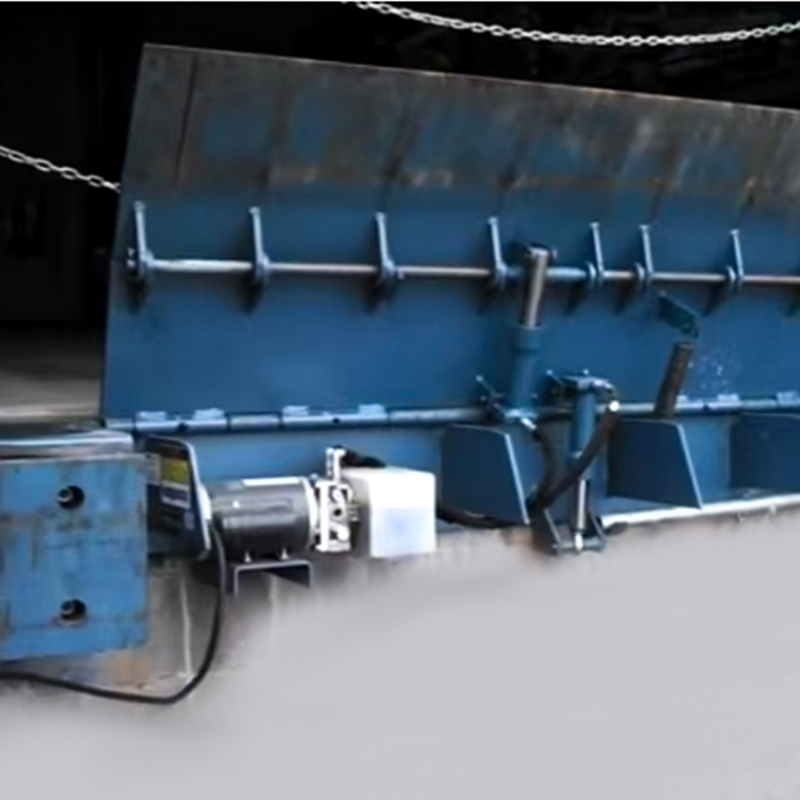
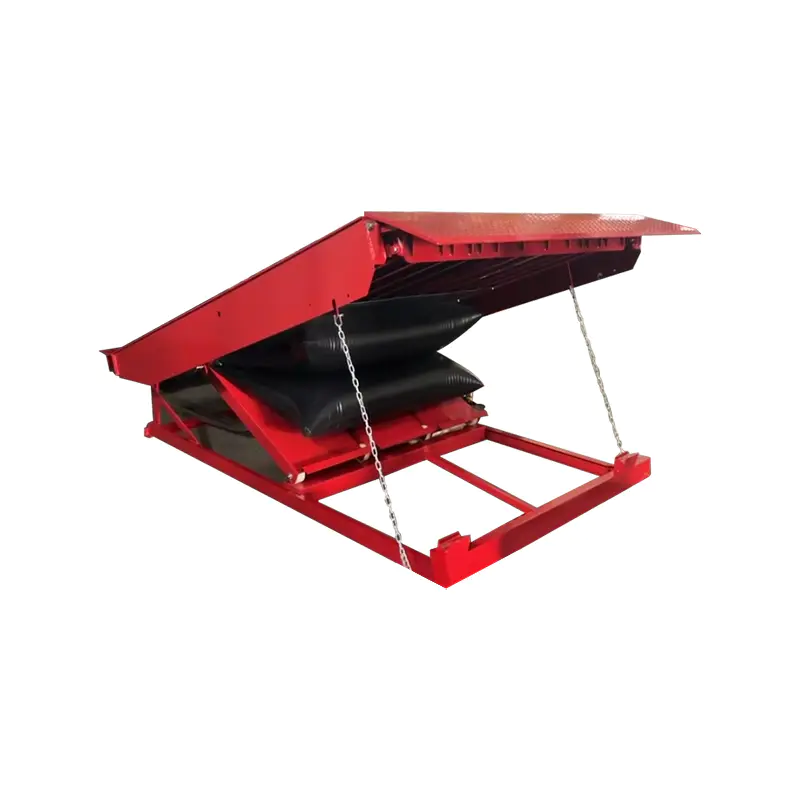
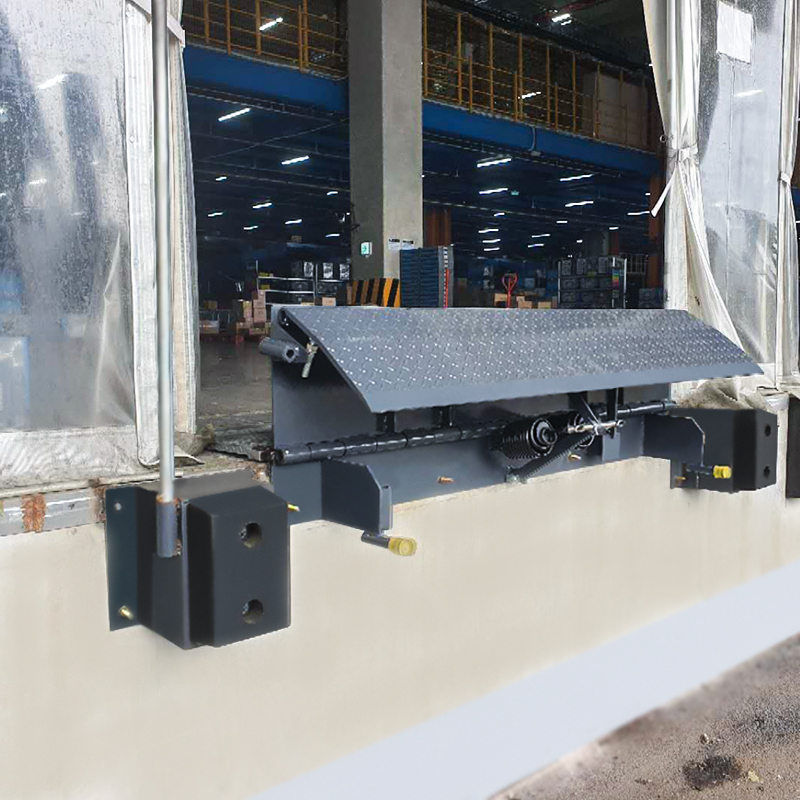
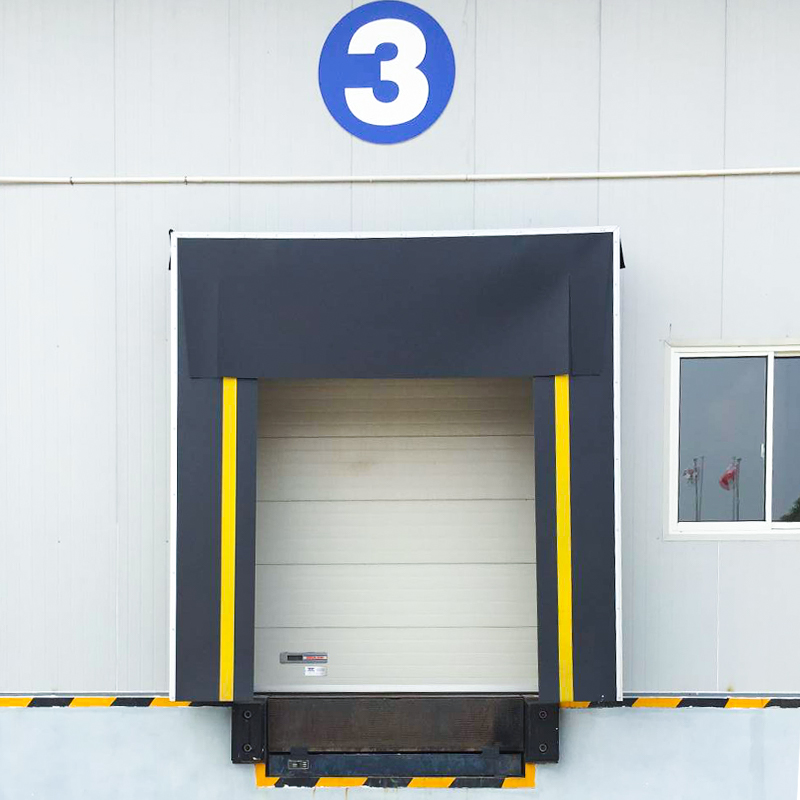
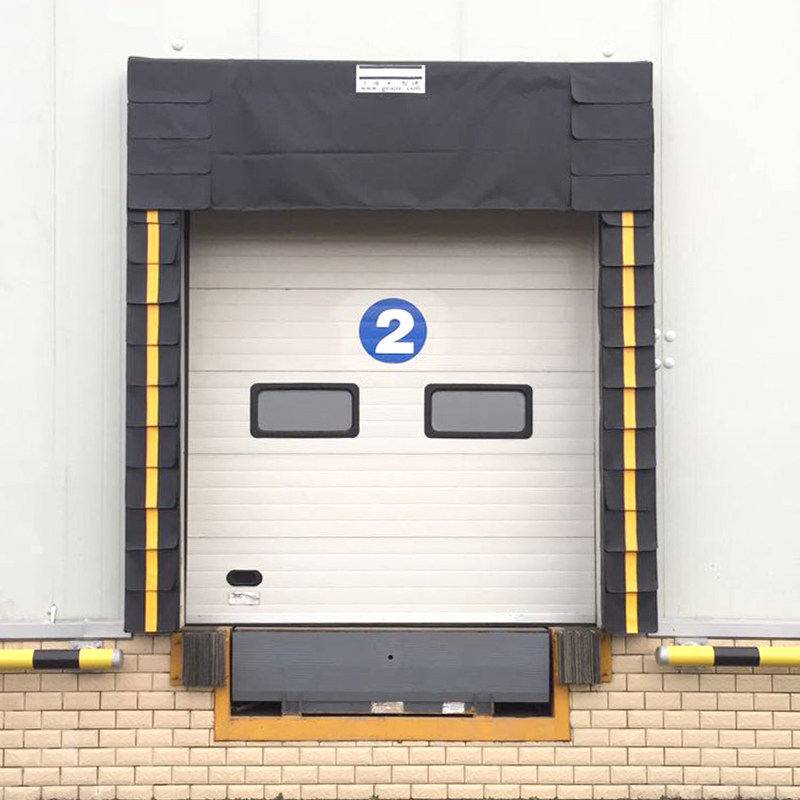
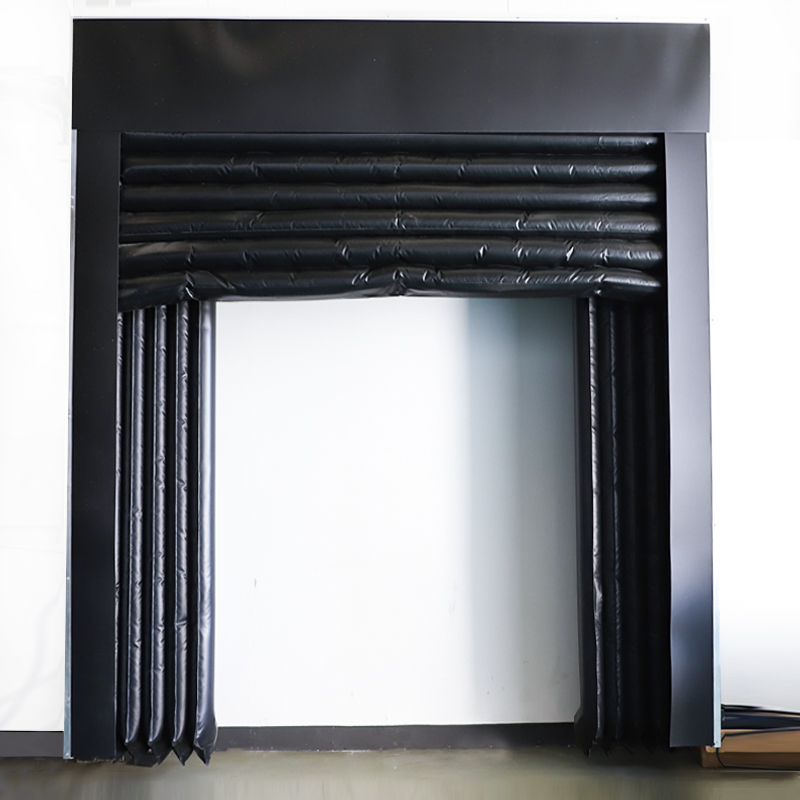
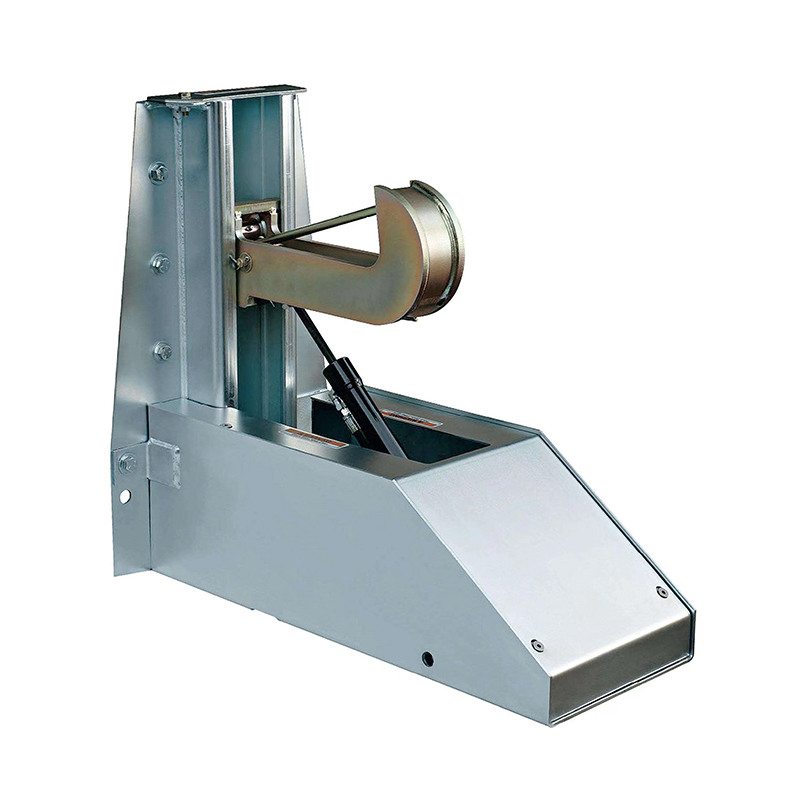
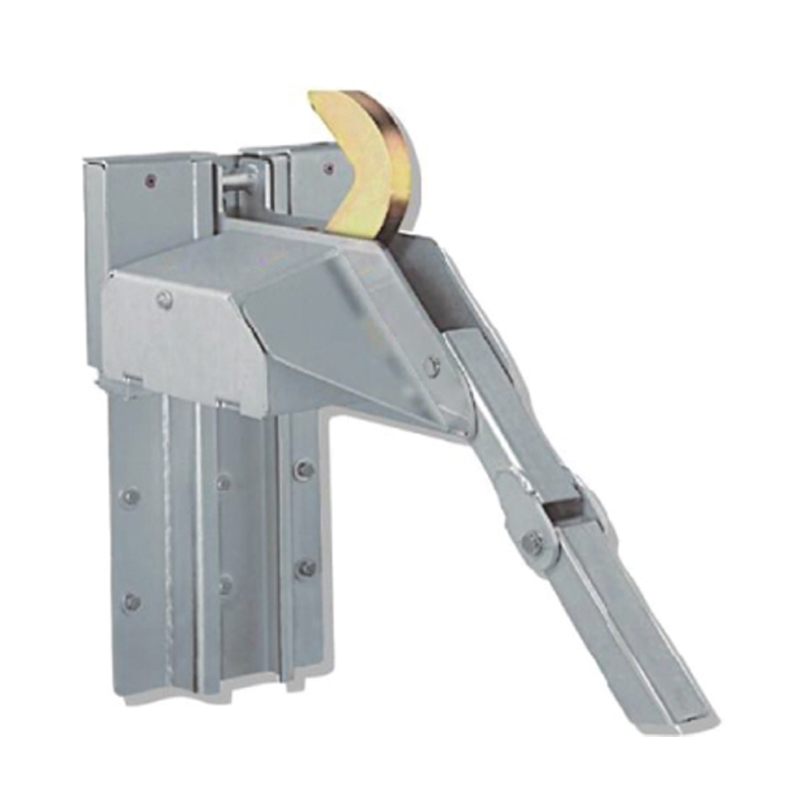
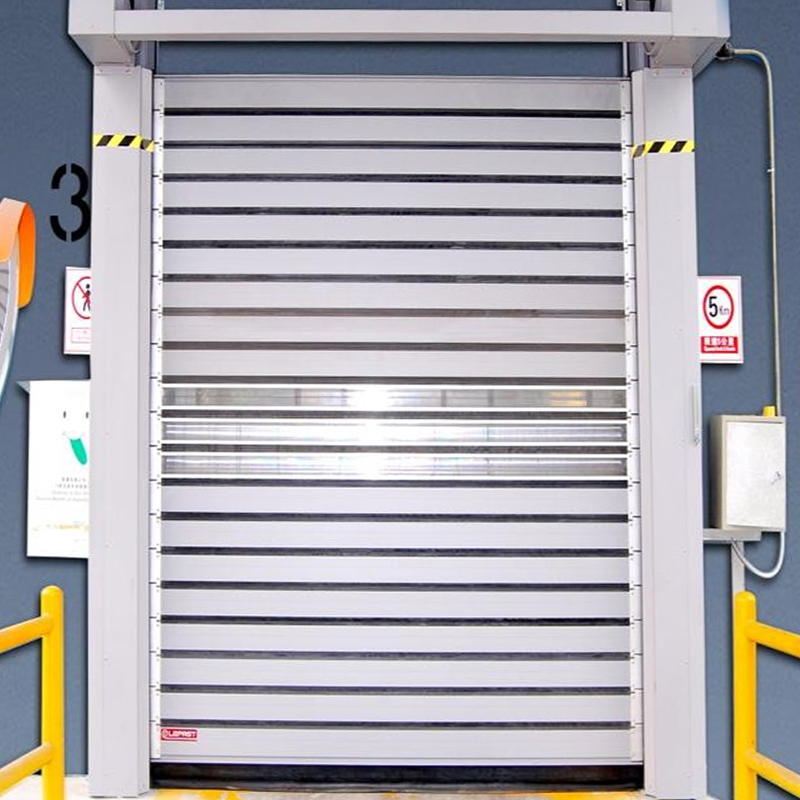
A hydraulic dock leveler looks like a piece of passive steel sunk into the loading bay. In daily o...
Load Capacity Verification
Before using EOM Industrial Dock Levelers with heavy machinery or oversized pallets, it is essential to verify that the dock leveler’s rated load capacity exceeds the total weight of the load, including the machinery, pallets, and any moving equipment such as forklifts or pallet jacks. Exceeding the rated load can lead to structural deformation, excessive wear on hydraulic or mechanical components, or catastrophic failure of the leveler. Dynamic loads, which occur as forklifts accelerate, decelerate, or stop abruptly on the leveler, can temporarily exceed static weight calculations, increasing stress on hinges, lip plates, and the main deck. Engineers should incorporate a safety margin of at least 10–25% above expected maximum loads, ensuring that the leveler can reliably handle peak usage scenarios over time while maintaining operational safety.
Load Positioning
Proper load placement is critical for evenly distributing weight across the EOM Industrial Dock Leveler deck. Heavy machinery or oversized pallets should be positioned as centrally as possible to avoid placing excessive stress on the edges or corners of the leveler. Uneven loading can lead to localized bending, torsional stress, and accelerated fatigue in structural components, potentially shortening the life of the equipment. When dealing with pallets or machinery with concentrated weight points, such as pallet corners or legs, additional load distribution plates or reinforcement may be required to reduce pressure on specific deck areas. Consistent adherence to proper placement protocols also ensures that the leveler operates smoothly, preventing tilting or misalignment during loading and unloading operations.
Ramp Angle and Trailer Alignment
EOM Industrial Dock Levelers must maintain proper alignment with both the dock edge and the trailer bed to minimize uneven stress and ensure safe operation. Misalignment, excessive ramp angles, or gaps between the leveler and trailer can create concentrated forces on the hinges, lip, and deck, particularly when moving heavy machinery or oversized pallets. Improper angles can also cause wheels to slip or skid, increasing localized wear and potentially causing accidents. To prevent these risks, it is critical to verify trailer positioning, deploy the dock leveler fully within its operating range, and ensure the lip sits flush with the trailer bed. Proper alignment promotes uniform load transfer and reduces structural stress over repeated operational cycles.
Forklift Wheel Tracking
Correct wheel path placement is essential to prevent uneven stress distribution when moving heavy loads across EOM Industrial Dock Levelers. Forklift or pallet jack wheels should follow predetermined paths that correspond to reinforced areas of the deck, avoiding edges or unsupported regions. Off-center wheel movement introduces torsional stress, which can accelerate wear on the deck, hinges, and hydraulic components. When handling oversized pallets, operators should ensure that wheels remain aligned with load-bearing zones, particularly during turning or reversing maneuvers. Over time, consistent wheel tracking preserves the structural integrity of the leveler, reduces maintenance costs, and prevents fatigue in high-stress components while ensuring safe, stable operation for both personnel and cargo.
Dynamic Load Considerations
Heavy machinery or oversized pallets generate dynamic forces when they are moved, including acceleration, deceleration, and stopping impacts, which can significantly exceed static weight ratings. EOM Industrial Dock Levelers must be capable of accommodating these forces without structural damage. Rapid or abrupt movements can stress the hydraulic system, cause localized bending in the deck, and overstress hinges or mounting anchors. Operators should move equipment smoothly, at controlled speeds, and avoid sudden jolts to minimize dynamic loads. Considering dynamic load effects during installation and routine maintenance ensures that the dock leveler remains capable of handling high-demand scenarios over its service life while maintaining safety for operators and cargo.
Deck Reinforcement and Material Strength
The deck of the EOM Industrial Dock Leveler must be designed to resist point loads from heavy machinery legs, pallet corners, or irregular load distributions. Inadequately reinforced decks are prone to bending, warping, or fatigue under concentrated pressures. Using thicker steel gauges, cross-bracing, or load distribution plates can help mitigate these stress concentrations. For oversized pallets, particular attention must be paid to load patterns and pallet geometry, as small contact points can create extremely high pressure. Ensuring that the deck material is rated for anticipated use and reinforced in critical areas guarantees even weight distribution, structural stability, and long-term durability, even in high-volume, heavy-duty warehouse environments.
