
 English
 Español
 Tiếng Việt

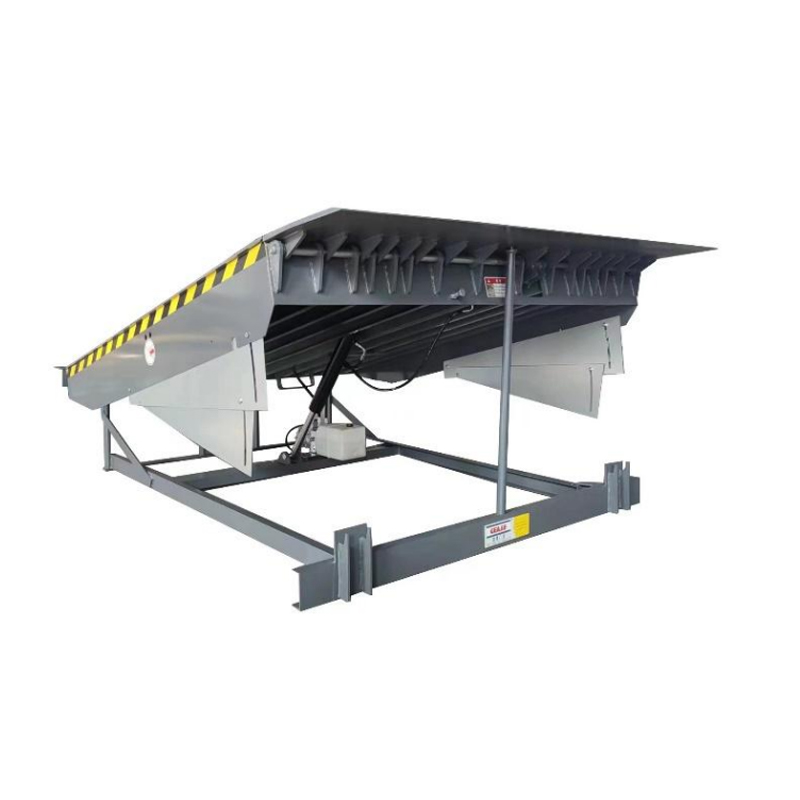
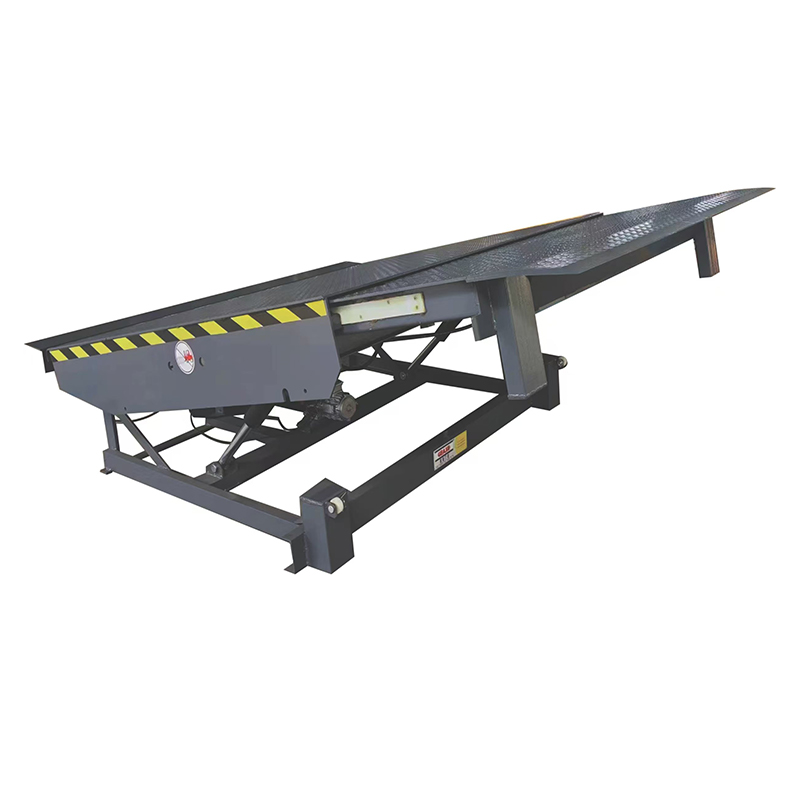
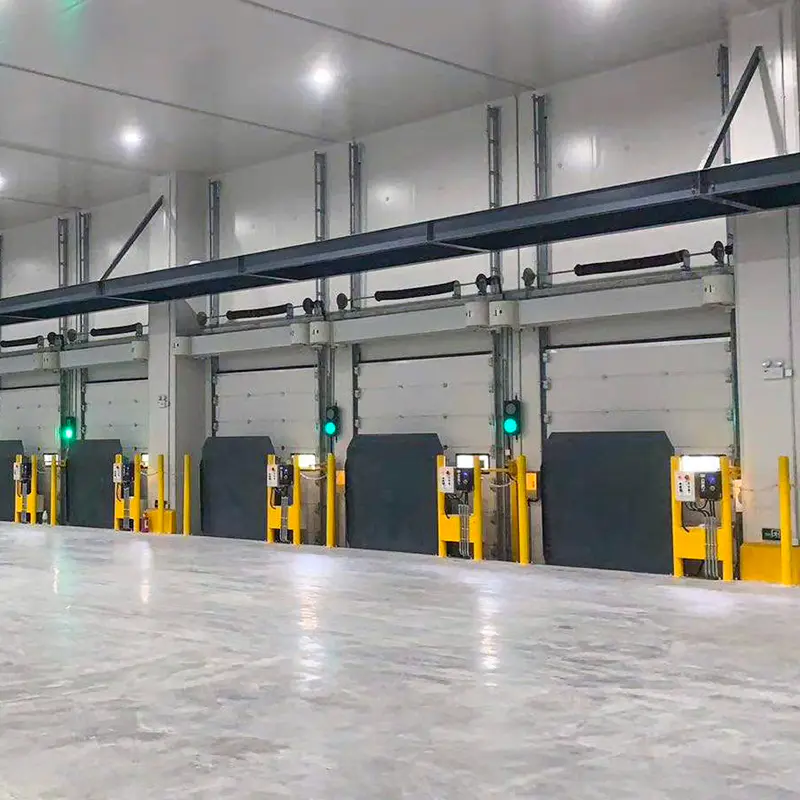
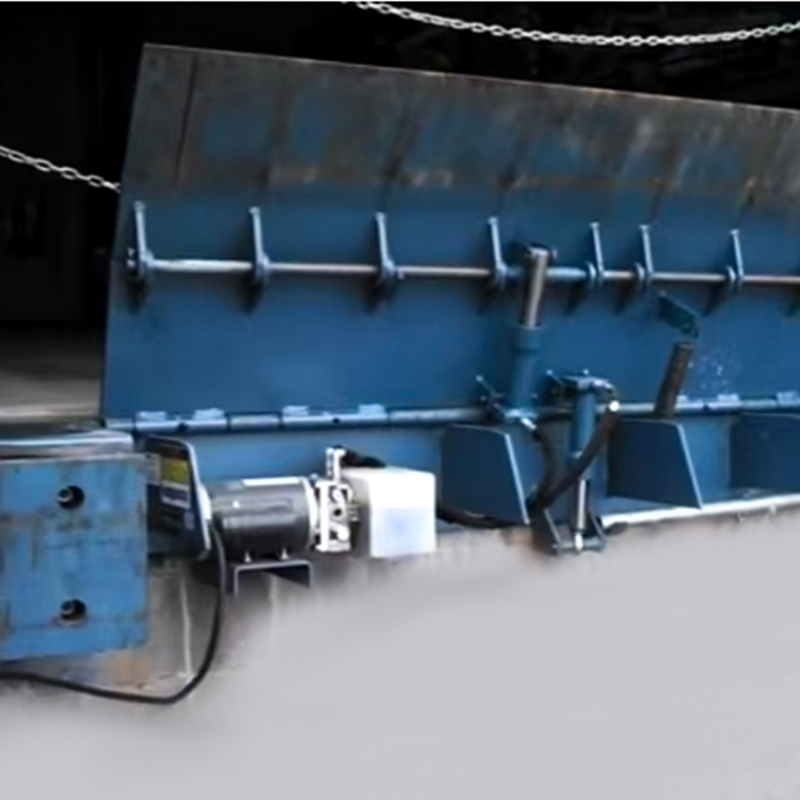
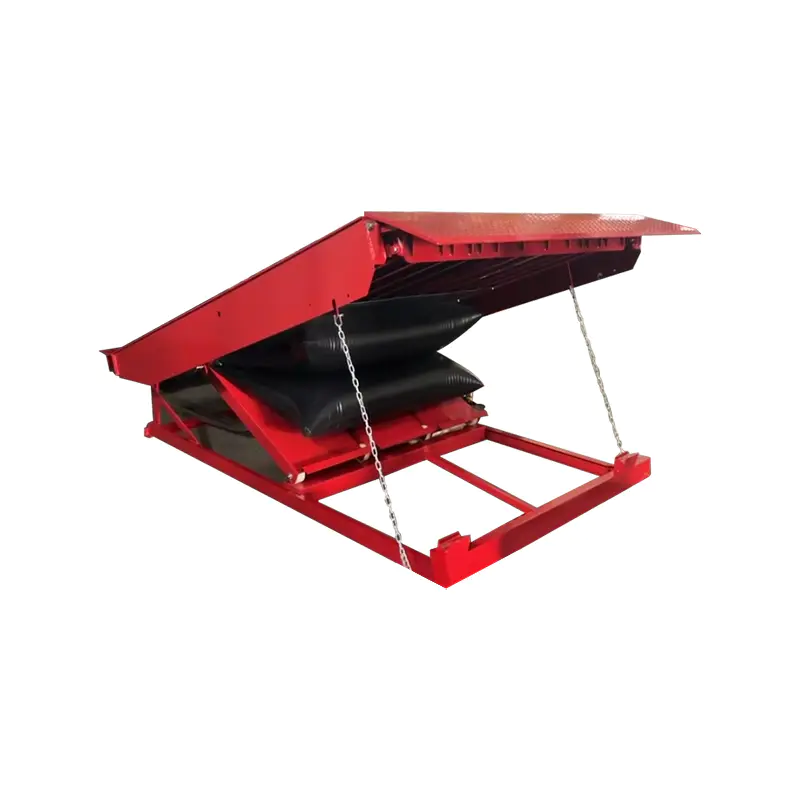
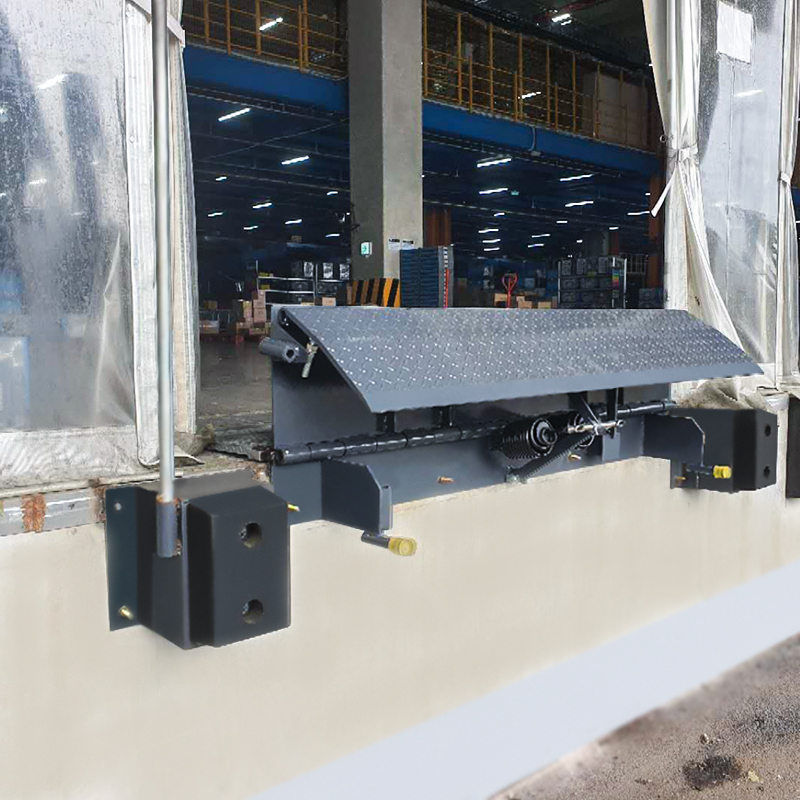
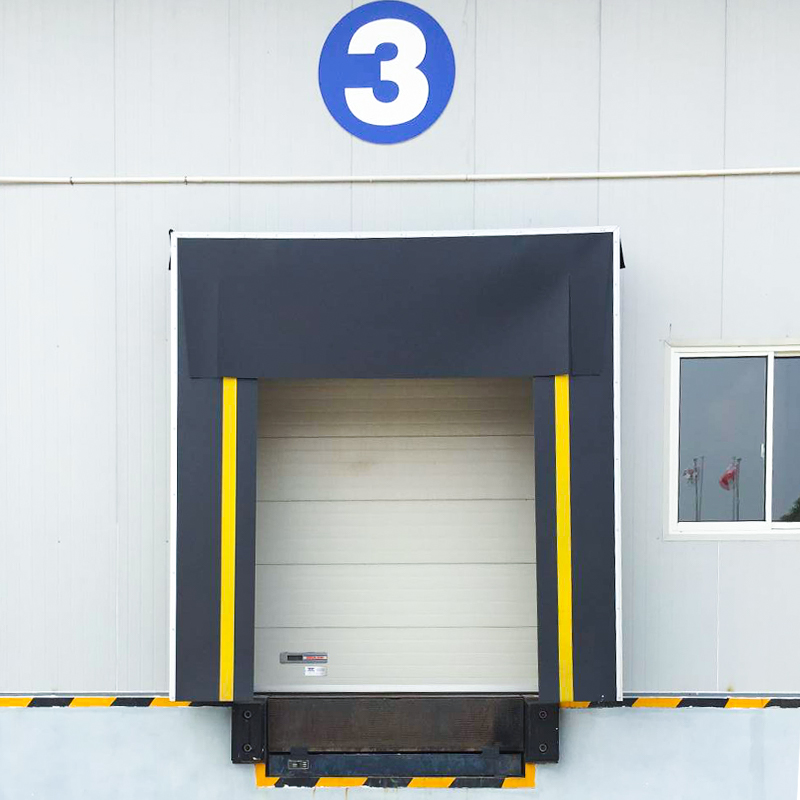
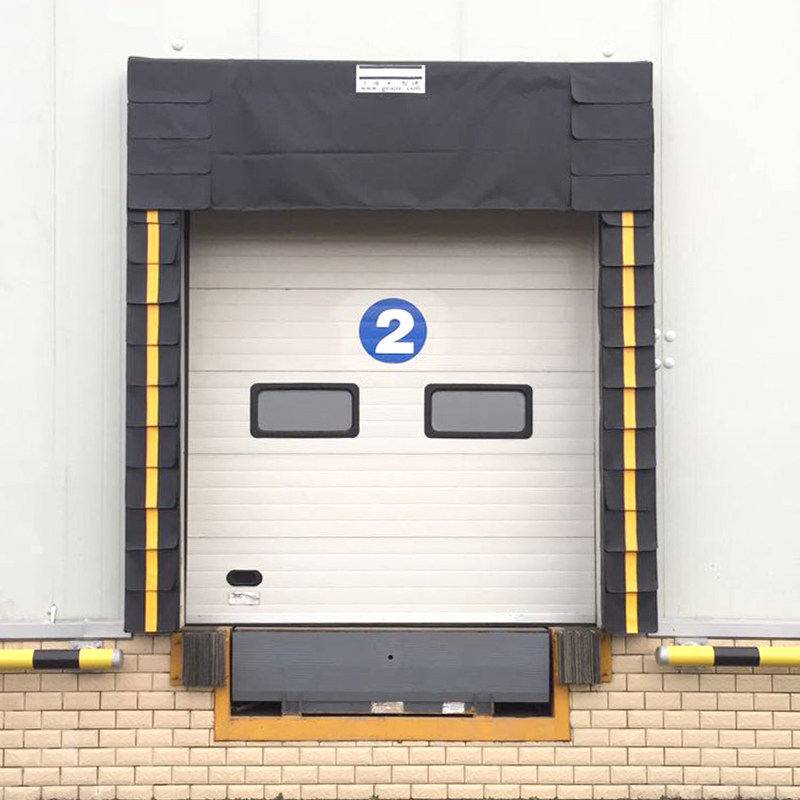
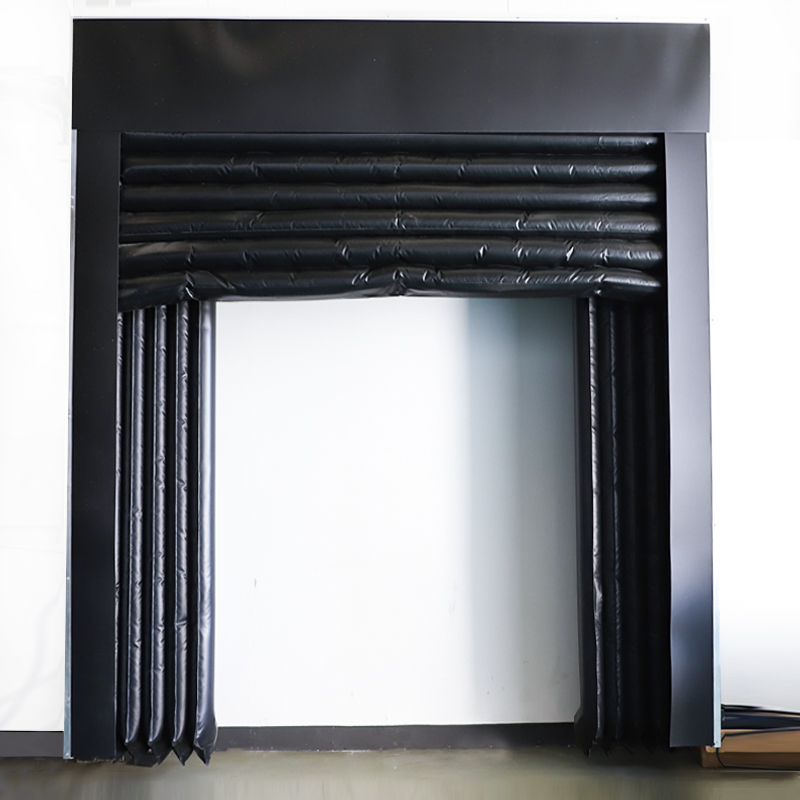
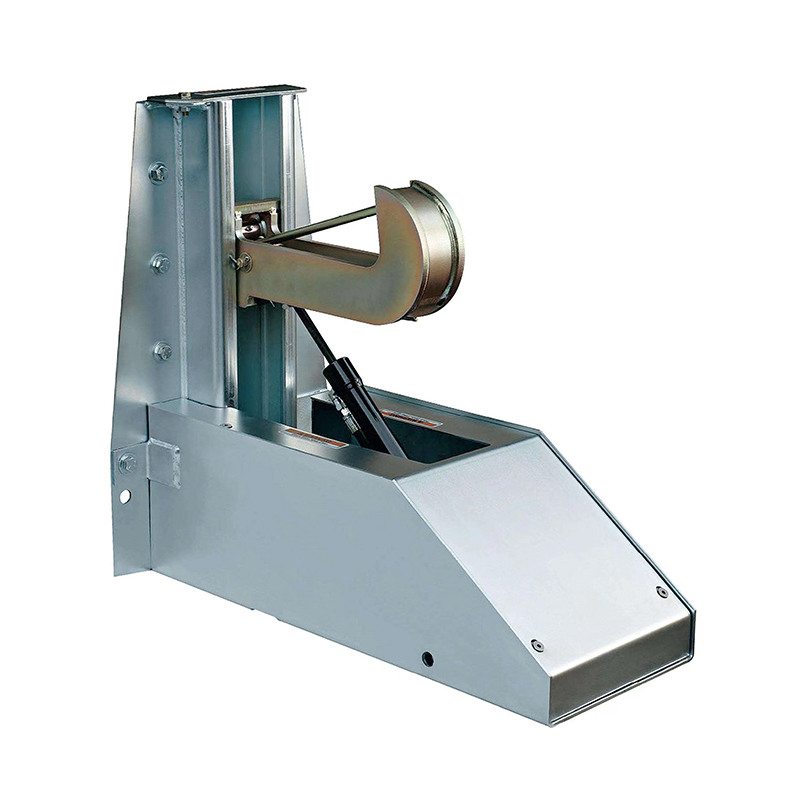
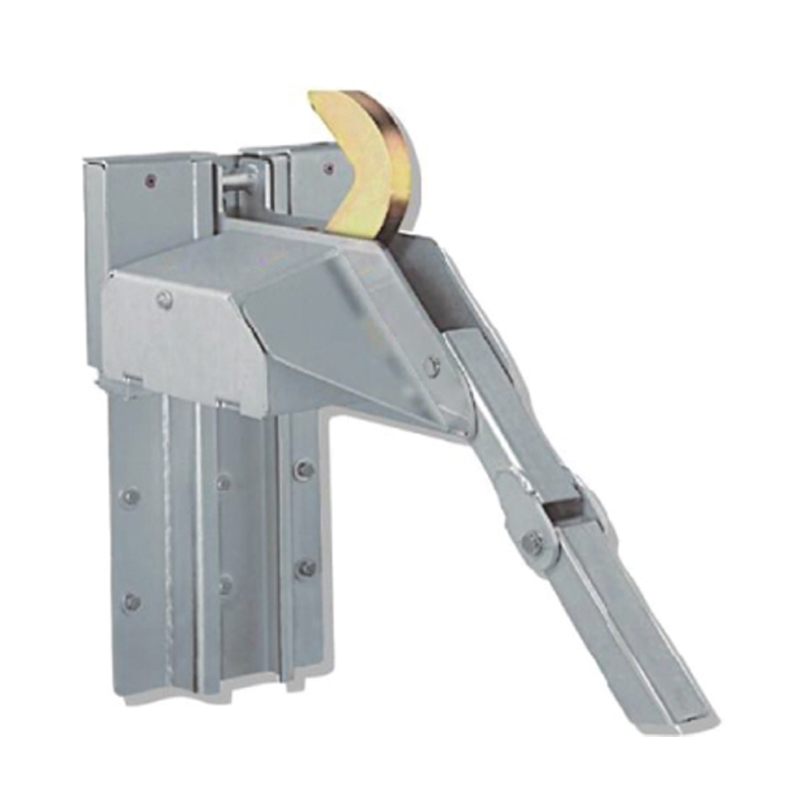
A hydraulic dock leveler looks like a piece of passive steel sunk into the loading bay. In daily o...
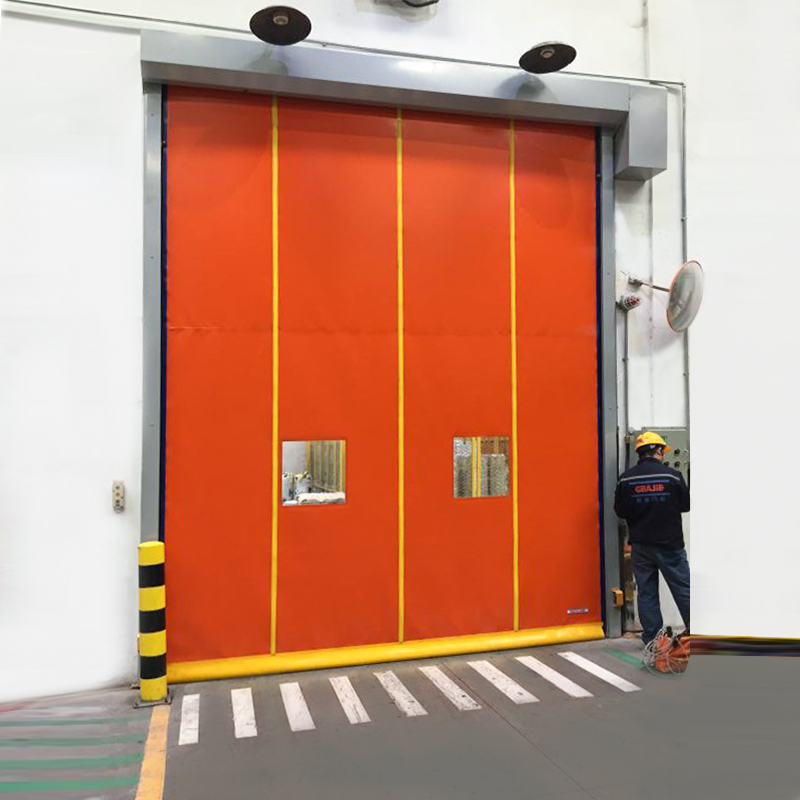
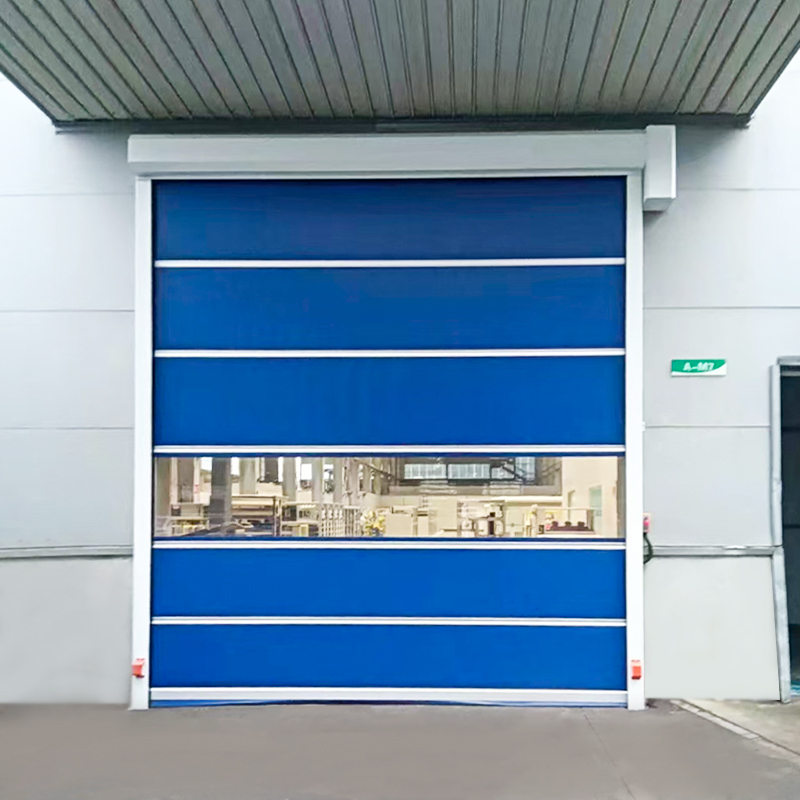
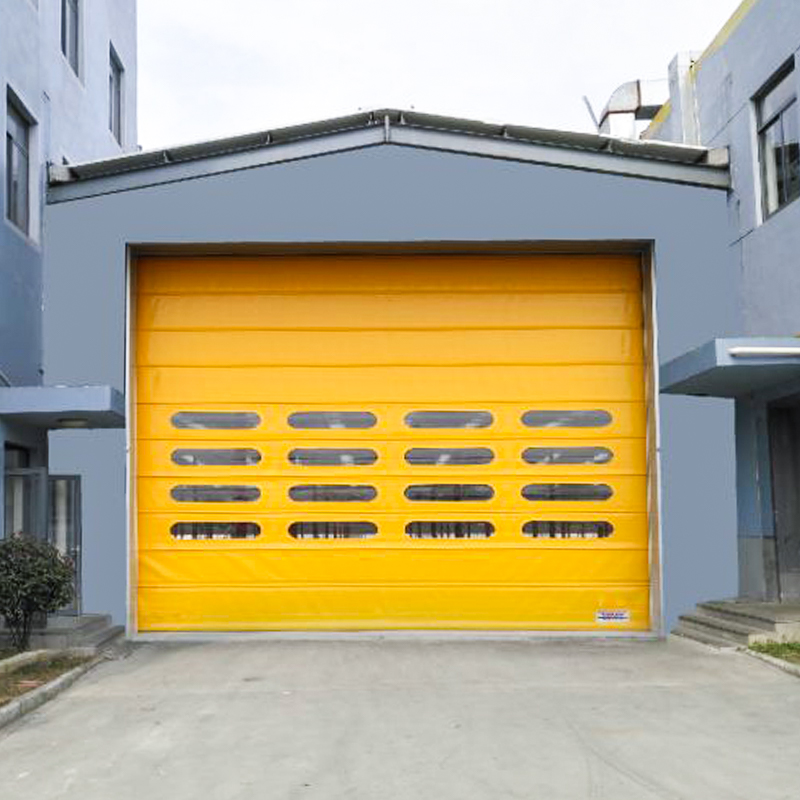
When it comes to thermal sealing efficiency, Industrial Hard Fast Doors outperform soft/flexible fast doors in nearly every measurable category. Rigid panel construction, tighter perimeter seals, and higher insulation values give hard fast doors a decisive thermal advantage — particularly in cold storage, freezer rooms, and climate-controlled manufacturing environments. Soft flexible fast doors, while faster to install and more forgiving on impact, allow significantly more air infiltration and offer lower insulation performance over time.
That said, the right choice still depends on your specific application, cycle frequency, and temperature differential requirements. This article examines the thermal sealing comparison in depth, using performance data and real-world scenarios to guide facility decision-makers.
The Core Thermal Difference: Rigid Panels vs Flexible Curtains
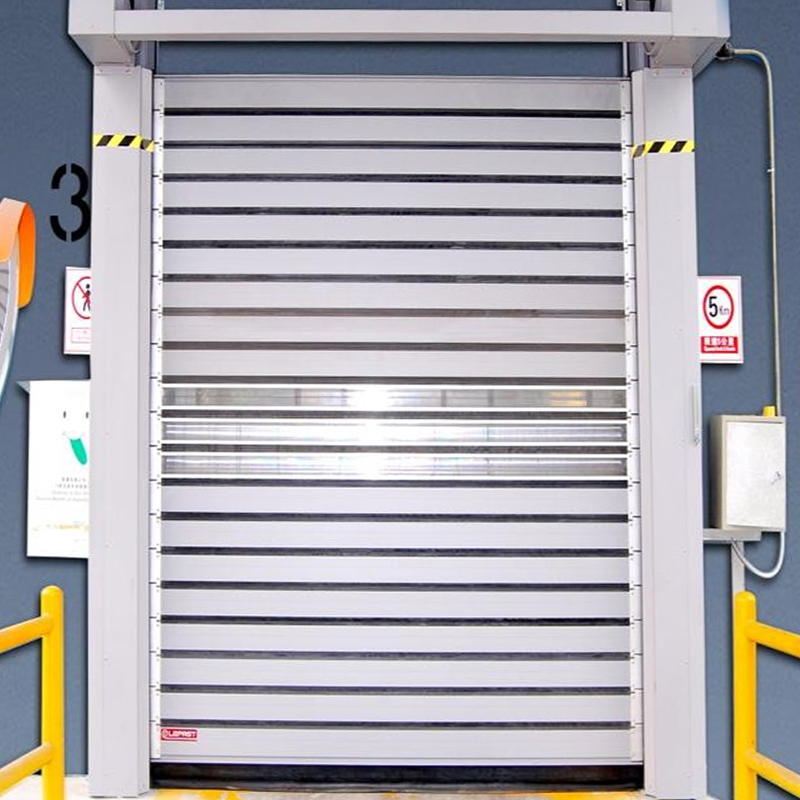
The fundamental thermal gap between an Industrial Hard Fast Door and a soft flexible fast door comes down to panel construction. Industrial Hard Fast Doors use rigid panels — typically aluminum or steel with foam-core insulation — that create a solid, continuous thermal barrier. Soft fast doors use PVC or reinforced fabric curtains that, even when tightly sealed, are inherently more permeable to air and temperature exchange.
A standard insulated Industrial Hard Fast Door panel achieves a thermal transmittance (U-value) of 0.5–1.2 W/m²K, depending on panel thickness and fill material. In contrast, a typical PVC soft fast door curtain has a U-value of 3.5–5.5 W/m²K — meaning it allows three to five times more heat transfer per square meter under the same temperature conditions.
For a freezer room maintaining an internal temperature of -20°C against an external ambient of +20°C (a 40°C differential), this U-value difference translates directly into significantly higher energy consumption and refrigeration load when using a soft door.
Thermal Sealing Performance: Side-by-Side Comparison
The table below compares key thermal sealing metrics between Industrial Hard Fast Doors and soft flexible fast doors under typical industrial operating conditions.
| Thermal Parameter | Industrial Hard Fast Door | Soft / Flexible Fast Door |
|---|---|---|
| U-Value (W/m²K) | 0.5 – 1.2 | 3.5 – 5.5 |
| Air Leakage Rate | Very Low | Moderate to High |
| Perimeter Seal Integrity | High (brush + rubber seals) | Moderate (curtain edge contact) |
| Condensation Risk | Low | High (especially at edges) |
| Thermal Stability Over Time | High (rigid structure unchanged) | Degrades (PVC stiffens/warps) |
| Suitable Temperature Range | -40°C to +60°C | -20°C to +50°C |
| Energy Loss per Cycle | Low | Moderate to High |
Air Infiltration: The Hidden Energy Cost of Soft Fast Doors
Air infiltration — not just conductive heat transfer — is responsible for a large portion of thermal loss in industrial doorways. Every time a door opens, warm ambient air enters a cold zone (or vice versa). The speed of the door and the tightness of its closed-position seal both determine how much uncontrolled air exchange occurs.
Industrial Hard Fast Doors address infiltration on two fronts: their high operating speeds (up to 2.5 m/s) minimize the open-door interval, and their rigid panel construction with perimeter brush and rubber seals nearly eliminates air leakage when closed. Studies in cold chain logistics facilities have shown that replacing a standard insulated panel door with a high-speed Industrial Hard Fast Door can reduce door-related air infiltration by up to 80%.
Soft flexible fast doors can also achieve high opening speeds — commonly 1.5–2.0 m/s — but their curtain edges rely on contact pressure against the frame rather than a rigid mechanical seal. Over time, PVC curtains may develop warps, tears at the edges, or stiffening due to low-temperature exposure, all of which compromise the closed-position air seal and increase infiltration rates substantially.
How Insulation Panel Construction Affects Thermal Efficiency
Not all Industrial Hard Fast Doors offer the same thermal performance — panel construction varies considerably and directly affects U-value and long-term sealing integrity.
Polyurethane (PUR) Foam-Core Panels
The most thermally efficient option for Industrial Hard Fast Doors. PUR foam has a thermal conductivity of approximately 0.022–0.028 W/mK, making it among the best insulating materials available for panel cores. A 60 mm thick PUR-core panel can achieve a U-value as low as 0.5 W/m²K, comparable to a well-insulated wall section.
Polystyrene (EPS) Foam-Core Panels
A more economical alternative with a thermal conductivity of 0.033–0.040 W/mK. EPS-core Industrial Hard Fast Doors typically achieve U-values of 0.8–1.2 W/m²K — still significantly better than any soft door option, but less efficient than PUR for deep-freeze applications.
Hollow or Single-Skin Panels
Some entry-level Industrial Hard Fast Doors use hollow aluminum or steel panels with no insulating fill. While these still outperform PVC curtain doors in air tightness, their thermal transmittance can reach 2.5–3.5 W/m²K — closing the gap with soft doors considerably. These are not suitable for temperature-sensitive environments.
Long-Term Thermal Performance: Durability of the Seal Matters
Thermal sealing efficiency is not just a spec-sheet value — it must be sustained across thousands of operational cycles and years of use. This is where Industrial Hard Fast Doors hold a particularly strong advantage.
PVC curtain doors used in cold environments below -10°C are prone to embrittlement over time. Standard PVC becomes rigid and loses flexibility at low temperatures, causing the curtain edges to pull away from the frame and creating air gaps that worsen with each season. Specialty low-temperature PVC formulations extend service life but still degrade faster than rigid panel systems.
Industrial Hard Fast Door panels, by contrast, do not deform under thermal cycling. Their aluminum or steel skins maintain dimensional stability, and the perimeter rubber seals — while requiring periodic inspection — are replaceable without replacing the entire door system. In a well-maintained installation, an Industrial Hard Fast Door can sustain its designed U-value for 10–15 years, whereas a soft door curtain typically requires replacement every 3–5 years in demanding cold environments.
When a Soft Flexible Fast Door May Still Be Appropriate
Despite the thermal advantages of Industrial Hard Fast Doors, soft flexible fast doors remain a valid choice in specific scenarios where thermal performance is secondary to other priorities:
- High-impact traffic zones: Soft doors self-recover after forklift impact without panel replacement, making them more cost-effective in environments with frequent collisions.
- Moderate temperature differentials: When the temperature difference between zones is less than 10°C, the thermal advantage of a hard door diminishes and may not justify the higher capital cost.
- Tight doorway clearances: Soft doors require less structural headroom and side room, making them easier to retrofit in space-constrained openings.
- Budget-constrained projects: Soft fast doors cost roughly 30–50% less upfront than insulated Industrial Hard Fast Doors, which may be acceptable if long-term energy costs are not a primary concern.
Choosing the Right Door Based on Your Thermal Requirements
To summarize, here is a practical application guide based on temperature zone and sealing priority:
- Deep-freeze storage (-18°C to -40°C): Industrial Hard Fast Door with PUR foam-core panels is the only reliable long-term solution.
- Chilled storage (0°C to -18°C): Industrial Hard Fast Door strongly recommended; EPS-core panels are adequate for most applications.
- Controlled ambient environments (10°C to 25°C differential): Both door types are viable; compare total cost of ownership over a 5-year period before deciding.
- Separation of conditioned vs. unconditioned warehouse space: Soft fast doors may suffice if the primary goal is dust and pest control rather than thermal sealing.
- Pharmaceutical or food-grade clean rooms: Industrial Hard Fast Doors are preferred for both thermal control and hygienic sealing compliance.
In conclusion, Industrial Hard Fast Doors deliver superior thermal sealing efficiency in every performance dimension that matters for energy management and climate control. For facilities where temperature integrity directly affects product quality, regulatory compliance, or energy budgets, the investment in a properly specified Industrial Hard Fast Door pays measurable dividends over the full lifecycle of the installation.
