
 English
 Español
 Tiếng Việt

Truck Dock Leveler: A Complete Buying Guide with Load Ratings and Safety Tips A practical field gu...
Warehouse Safety — Equipment Engineering
How dock plates bridge the gap
between the truck and the dock
A properly rated and correctly positioned dock plate is the single most effective, low-cost tool for eliminating the truck-to-dock gap — the point of failure behind most dock-edge tip-overs.
The Mechanism
The direct answer: how dock plates prevent tip-overs
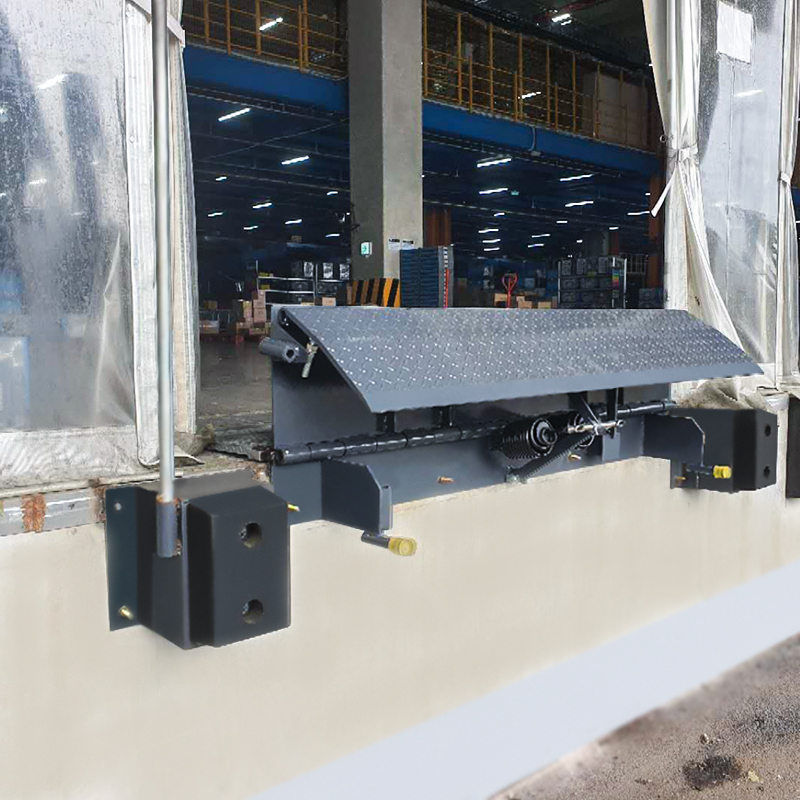
A dock plate handles the gap between the truck bed and the dock primarily through three mechanical features working together: a beveled or hinged lip that rests flat on the truck bed floor to create a smooth transition, raised side curbs that physically block forklifts and pallet jacks from rolling off the edges, and a high-friction surface combined with anchoring hardware that keeps the plate from shifting during load transfer.
Together, these features close the horizontal and vertical gap created when a trailer is parked at the dock, giving equipment a continuous, stable path instead of an open drop that could cause a tip-over.
A properly rated and correctly positioned dock plate is the single most effective, low-cost tool for eliminating the truck-to-dock gap that causes the majority of dock-edge accidents.
Why It Happens
Understanding the gap problem at loading docks
Every time a trailer backs up to a loading dock, a gap forms between the dock edge and the truck bed. This gap exists because trailers are rarely parked in perfect alignment with the dock face, and because trailer floor height changes depending on load weight, tire pressure, and suspension type. A loaded trailer typically sits lower than an empty one, and the difference can range from two inches to more than six inches depending on the vehicle.
If a forklift operator drives a loaded pallet jack across an unsupported gap of even three inches, the front wheels can drop suddenly, throwing the load forward and increasing the chance of the equipment tipping over the edge. Falls from the dock edge, crushed limbs from shifting loads, and equipment rollovers are among the most commonly cited causes of dock-area injuries. A properly rated dock plate eliminates the open gap entirely, converting a hazardous transition point into a supported ramp that equipment can cross safely at normal operating speed.
Anatomy
Key design features that bridge the gap safely
Several design elements determine how effectively a dock plate manages the truck-to-dock transition.
Lip design and fit
The lip design matters most. A curved or tapered lip lies flush against the truck bed rather than resting at an angle, which prevents the front wheels of a pallet jack from catching on an exposed edge. Plates with a self-adjusting or pivoting lip can accommodate small variations in trailer height without requiring the operator to reposition the plate for every load.
Raised curbs as guide rails
Raised curbs along both sides act as a physical guide rail. These curbs are typically between one and two inches tall, tall enough to stop a wheel from rolling off sideways but low enough not to interfere with normal traffic across the plate. Without curbs, a slightly off-center pass with a loaded pallet jack can send a wheel over the edge, which is one of the most common causes of tip-over incidents at the dock interface.
Surface traction and structural ribbing
Surface texture also plays a direct role in preventing slips that lead to tip-overs. Diamond-plate or serrated steel surfaces provide traction even when the plate is wet, oily, or dusty, which keeps wheels tracking straight instead of sliding sideways under load.
Plate thickness and reinforcement ribs contribute as well, though they are less visible than the lip or curbs. Ribbing on the underside of the plate distributes weight across a wider footprint, which reduces the point-load stress that would otherwise concentrate under a single wheel. This distribution keeps the plate rigid across its full span, so the crossing surface stays level from the truck-side edge to the dock-side edge rather than dipping in the middle where the greatest weight typically passes.
Load Rating
Weight distribution and load capacity considerations
A dock plate can only prevent tip-overs if it is rated for the load actually crossing it. Manufacturers publish capacity ratings based on a concentrated load test, usually expressed in pounds per axle or total gross weight. A plate rated for 10,000 pounds capacity is engineered to flex minimally under that load, keeping the surface level and preventing the kind of sag that causes equipment to lose balance mid-crossing.
Buyers should always match plate capacity to the heaviest combination of vehicle and load weight expected to cross it, not just the average load.
Options
Comparing gap-bridging solutions
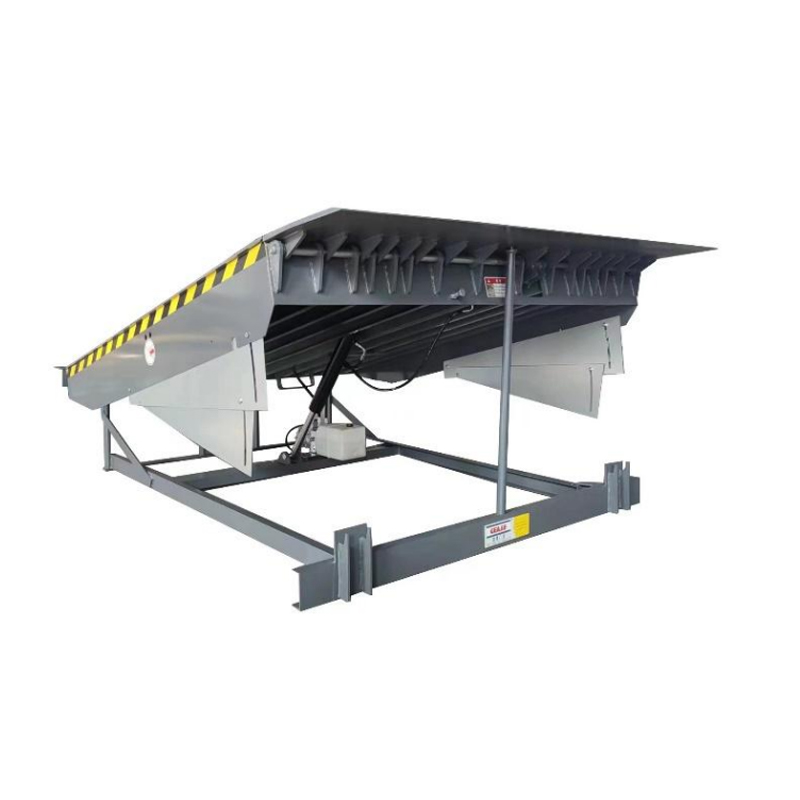
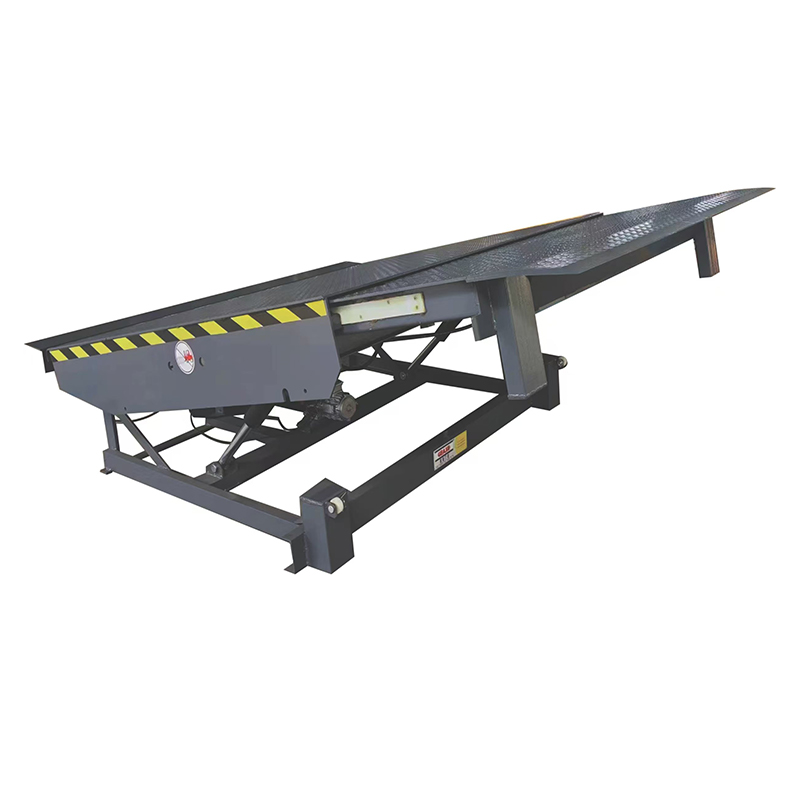
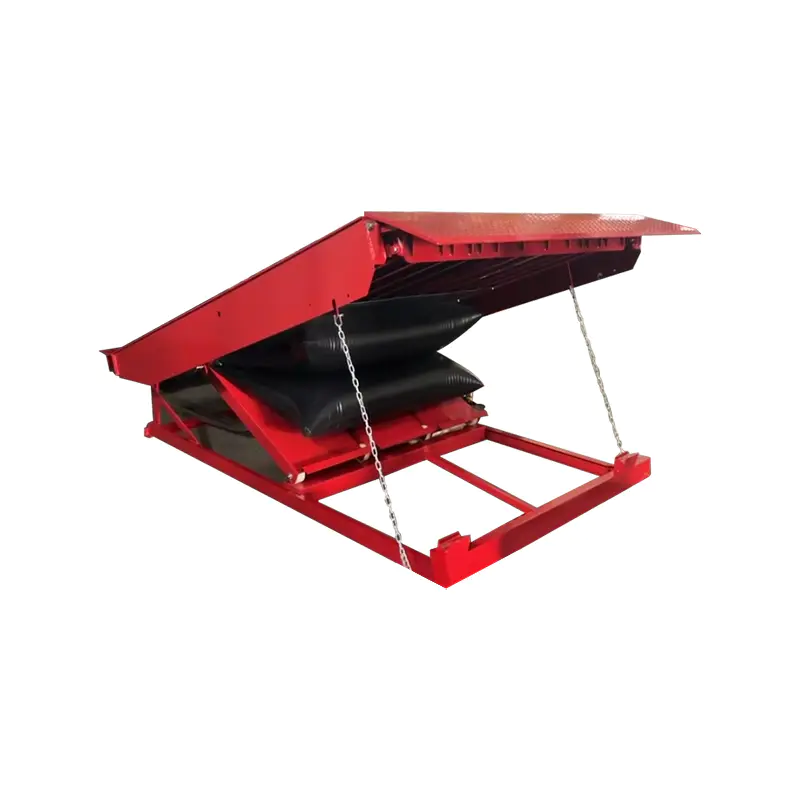
Facilities with light, occasional cross-dock traffic often rely on portable dock plates, while higher-volume operations frequently invest in a hydraulic dock leveler or a hydraulic loading dock leveler to manage the same gap automatically. The choice between these options usually comes down to crossing frequency, average load weight, and how much variation exists between the trailers that visit the facility. A single-trailer operation with consistent equipment may never need more than a well-maintained plate, while a distribution center servicing dozens of trailers a day benefits from a permanent, self-adjusting system.
| Solution | Gap adjustment | Typical capacity | Best fit |
|---|---|---|---|
| Portable dock plate | Manual repositioning | Up to 20,000 lbs | Low-frequency or seasonal use |
| Hydraulic dock leveler | Automatic, powered adjustment | 20,000–35,000 lbs | Daily multi-trailer operations |
| Hydraulic loading dock leveler | Automatic, structurally integrated | 25,000+ lbs | High-volume distribution centers |
Installation
Securing the plate: anchoring and positioning techniques
Even a well-built dock plate can contribute to a tip-over if it is not properly secured before use. Most plates include locking pins, chains, or safety hooks that anchor the unit to the dock edge, preventing it from creeping forward or sideways as vehicles pass repeatedly over it. Operators should confirm that both ends of the plate are seated flush against their resting surfaces, with no rocking or visible gap underneath either end.
Positioning also affects stability: the plate should be centered on the truck bed opening and square with the direction of travel. An angled placement narrows the effective crossing width and increases the chance that a wheel catches the curb or slips off the unsupported edge.
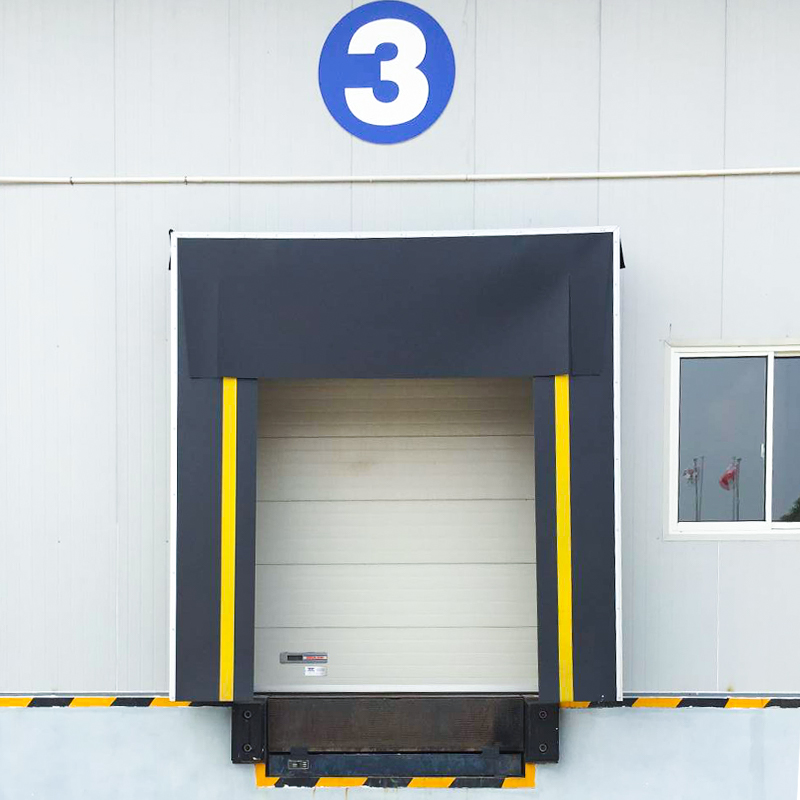
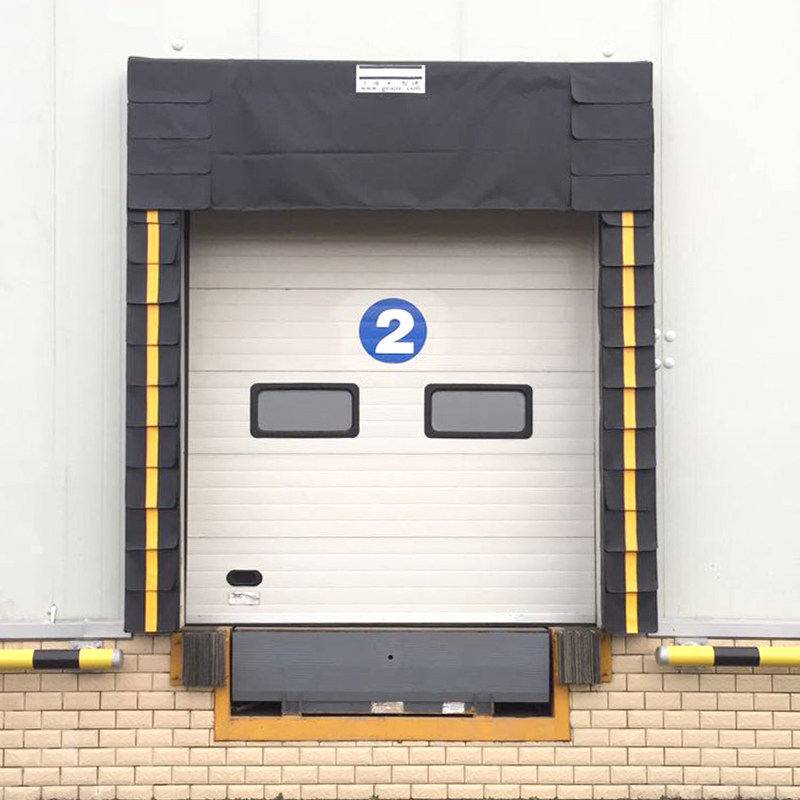
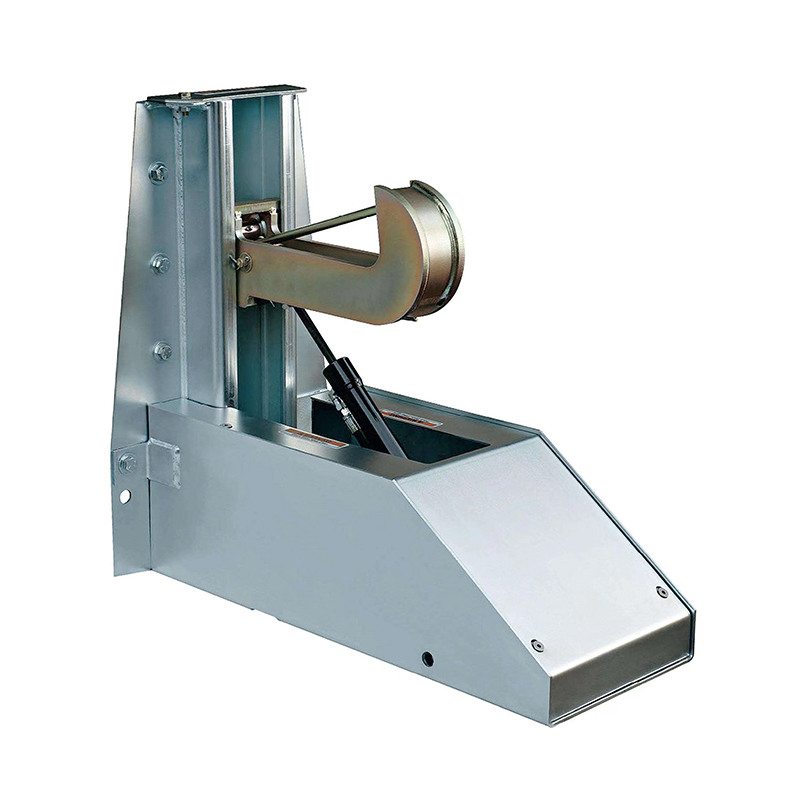
hydraulic dock leveler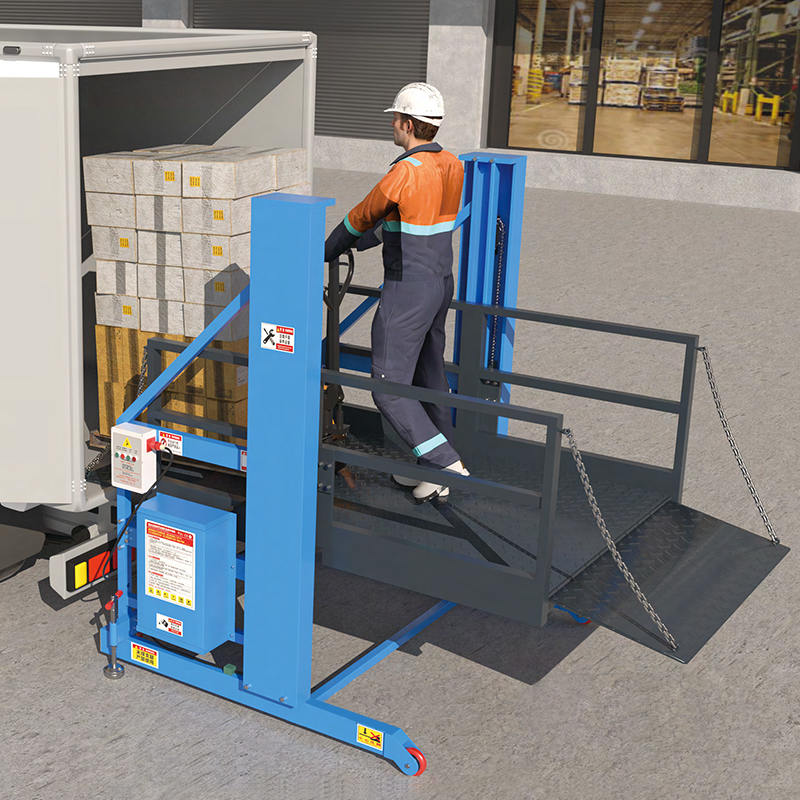
Operating Protocol
Best practices for safe dock plate use
Warehouses that consistently avoid dock-related tip-overs tend to follow a similar set of operating habits. These habits cost little in terms of time but have an outsized effect on reducing near-misses, since most tip-over incidents trace back to a skipped inspection step or a plate that was positioned in a hurry.
- Inspect the plate before every shift for cracks, warping, or worn anchoring hardware.
- Confirm the trailer is chocked and the brakes are set before positioning the plate.
- Verify the plate's rated capacity against the combined weight of the vehicle and its load.
- Center the plate squarely across the gap and confirm both ends sit flush with no rocking.
- Keep the surface clear of debris, ice, or spilled liquids that reduce traction.
- Train operators to cross at a slow, steady speed rather than accelerating over the transition.
When To Upgrade
When to upgrade from a dock plate to a hydraulic solution
Portable dock plates work well for low-frequency crossings, seasonal operations, or facilities that load different trailer types at varying heights. However, once daily crossing volume rises or trailer height variation becomes unpredictable, a hydraulic dock leveler often becomes the safer long-term choice. A hydraulic dock leveler automatically adjusts to the trailer's floor height and locks into position, removing the manual step of selecting and repositioning a plate for each load.
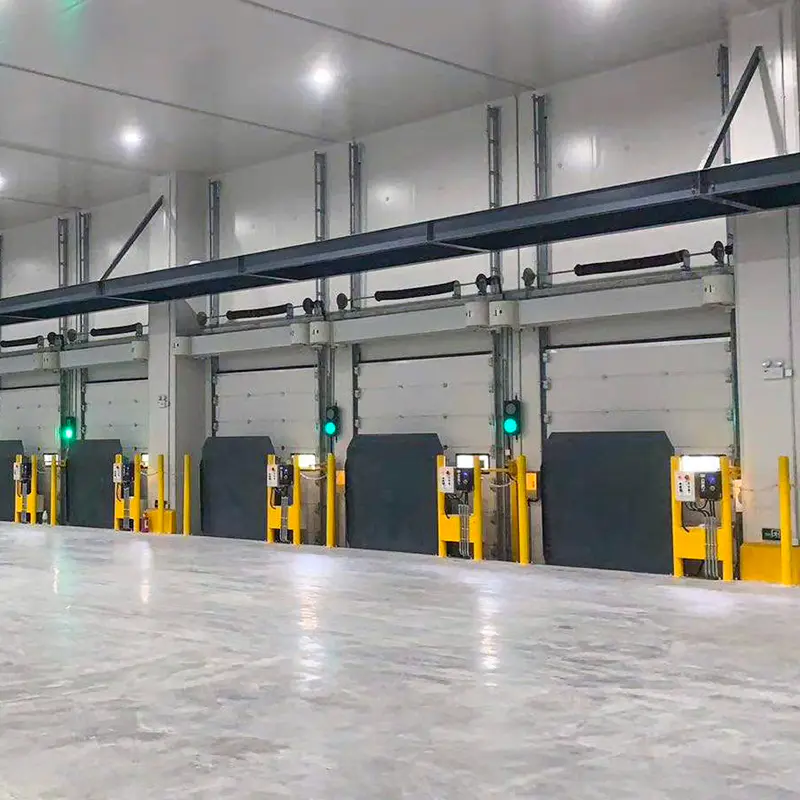
A hydraulic loading dock leveler goes further by integrating with the building structure itself, providing a permanent, load-rated bridge that supports continuous forklift traffic without the wear points that eventually develop in portable equipment. Facilities running multiple shifts, handling heavier average loads, or experiencing frequent trailer height mismatches typically see the investment pay off through fewer stoppages and a measurable reduction in near-miss incidents at the dock edge.
Upkeep
Maintenance and inspection to prevent failure
Regardless of which solution a facility uses, regular maintenance is what keeps the tip-over prevention features functional over time. Steel plates should be checked periodically for surface corrosion, which can weaken structural integrity even when the plate looks usable. Hinges, pins, and lip mechanisms should be lubricated on a set schedule to prevent seizing, which can cause a plate to sit at an uneven angle.
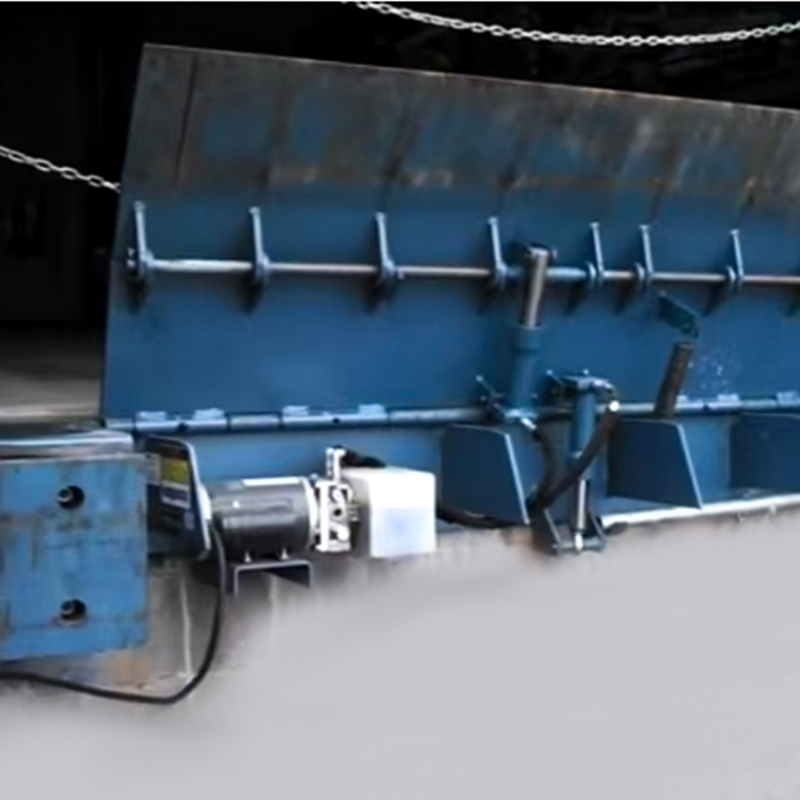
For facilities using a hydraulic dock leveler, hydraulic fluid levels, seals, and the lip mechanism should be part of a documented preventive maintenance routine, since a slow hydraulic leak can allow the platform to drift out of level during a crossing. A simple, consistent inspection routine catches most problems before they become safety incidents.
Combining the right equipment choice with disciplined maintenance is ultimately what closes the gap safely and keeps loading dock operations moving without the risk of a tip-over.
