
 English
 Español
 Tiếng Việt

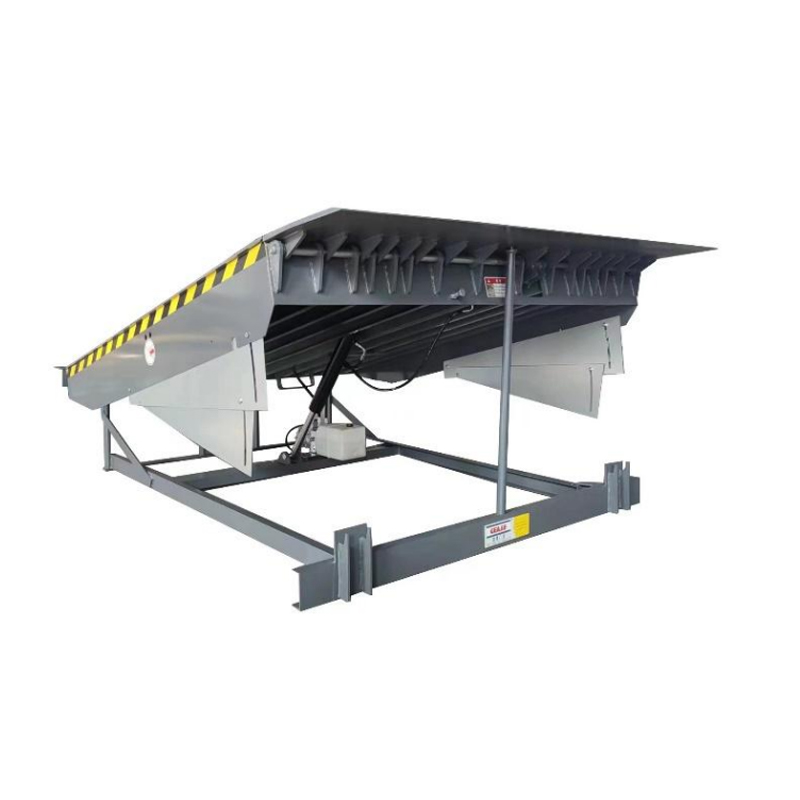
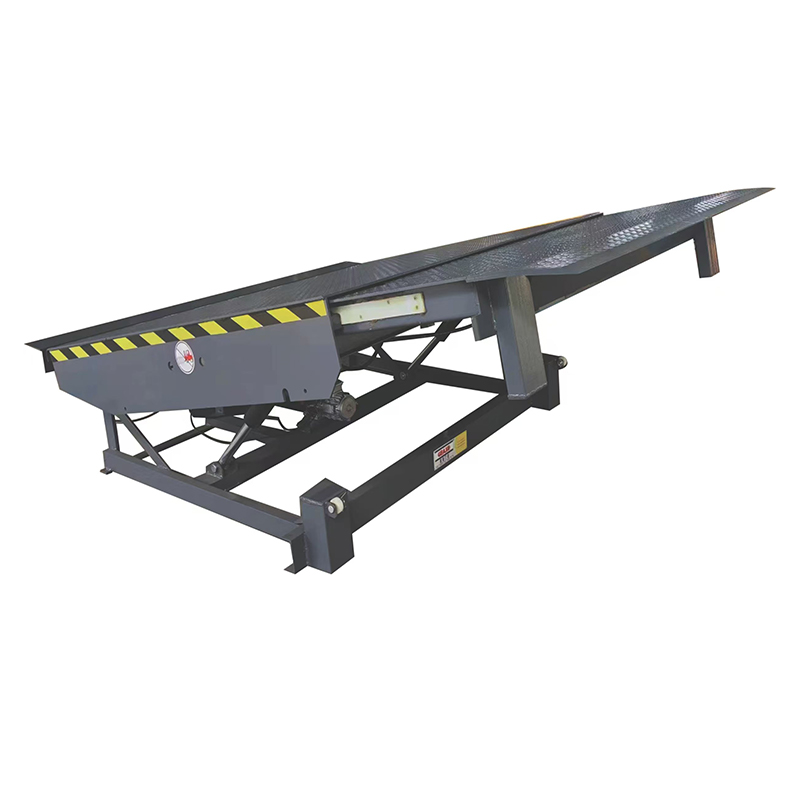
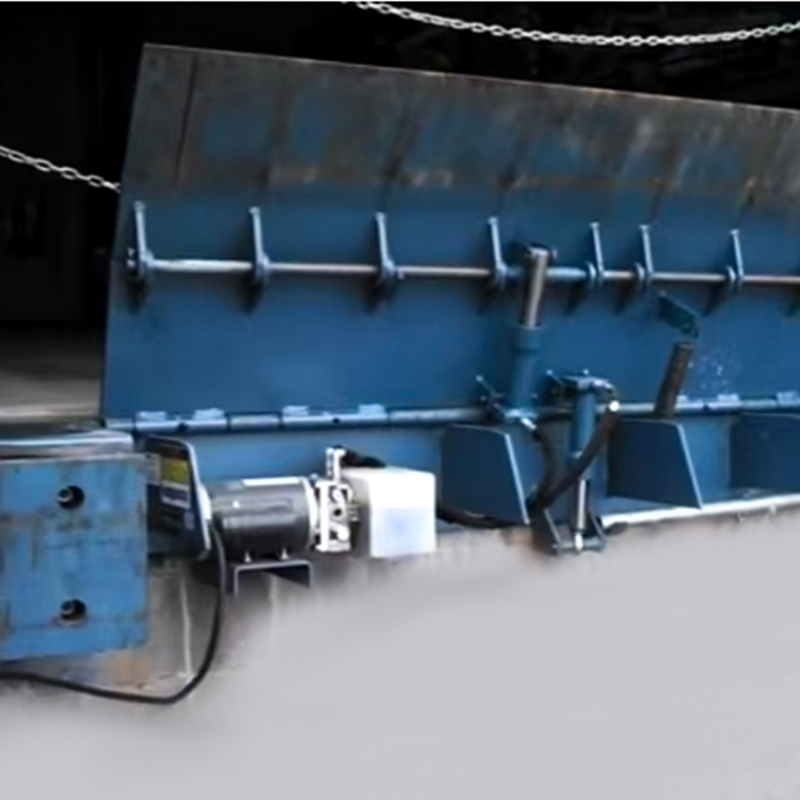
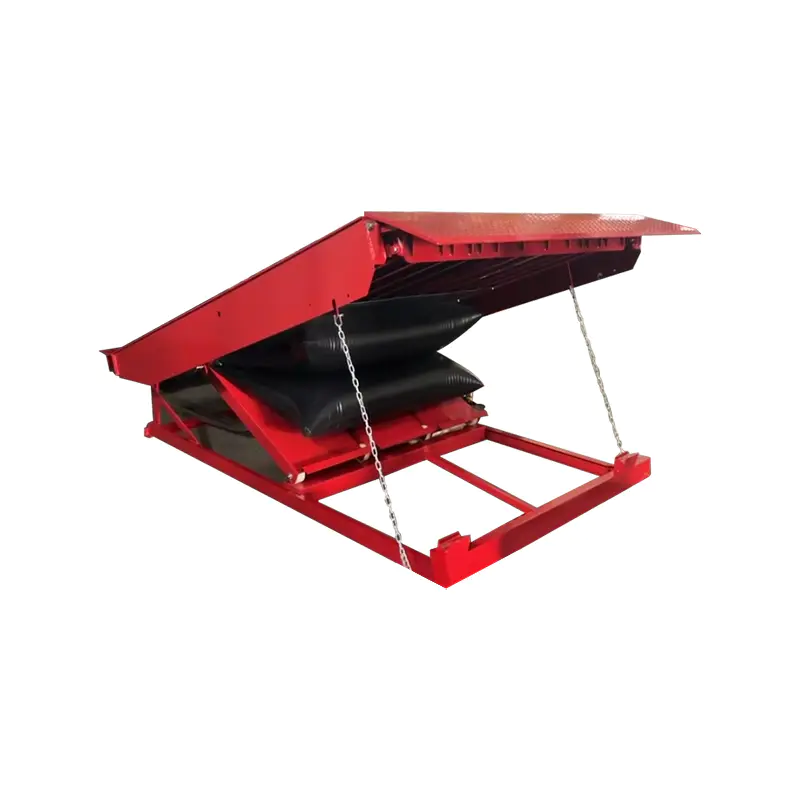
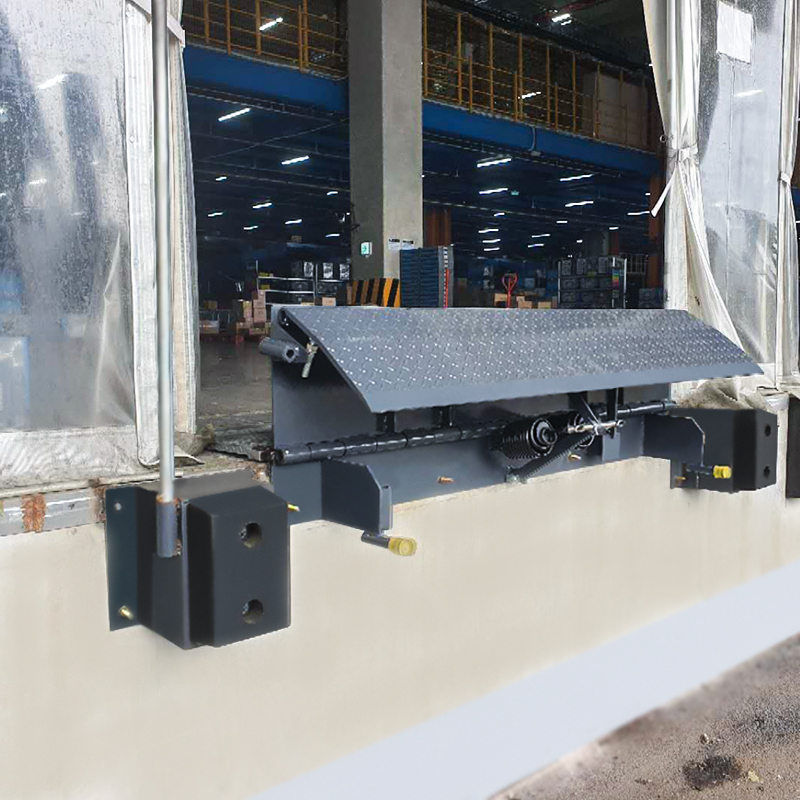
Truck Dock Leveler: A Complete Buying Guide with Load Ratings and Safety Tips A practical field gu...
-
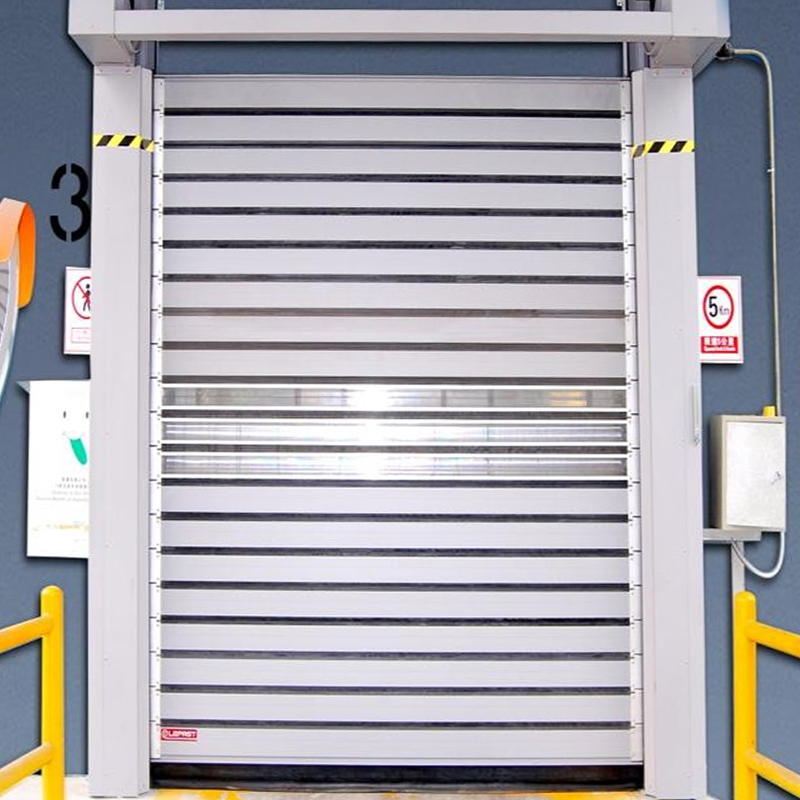
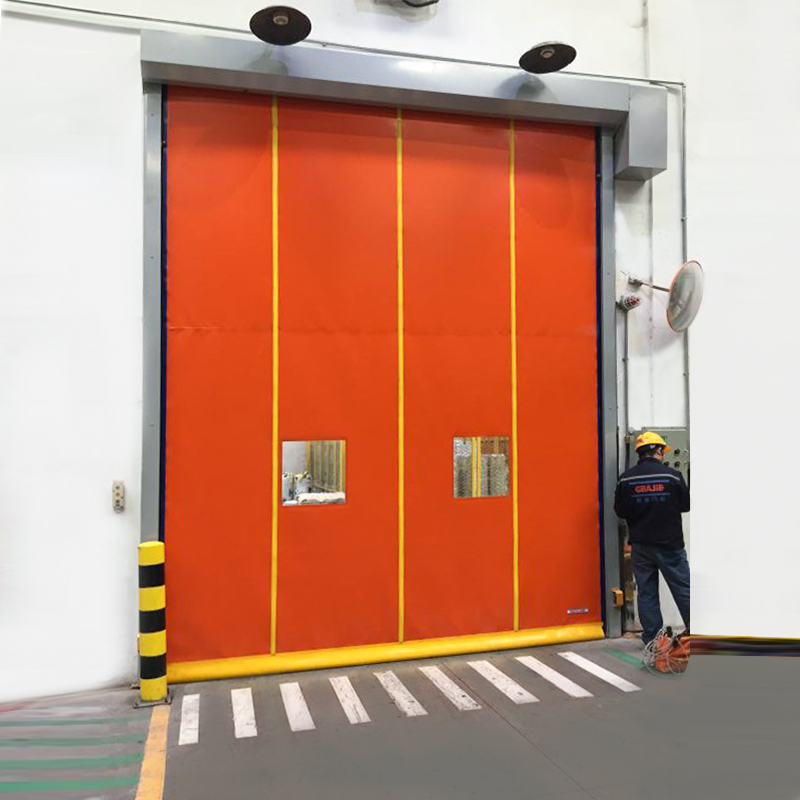
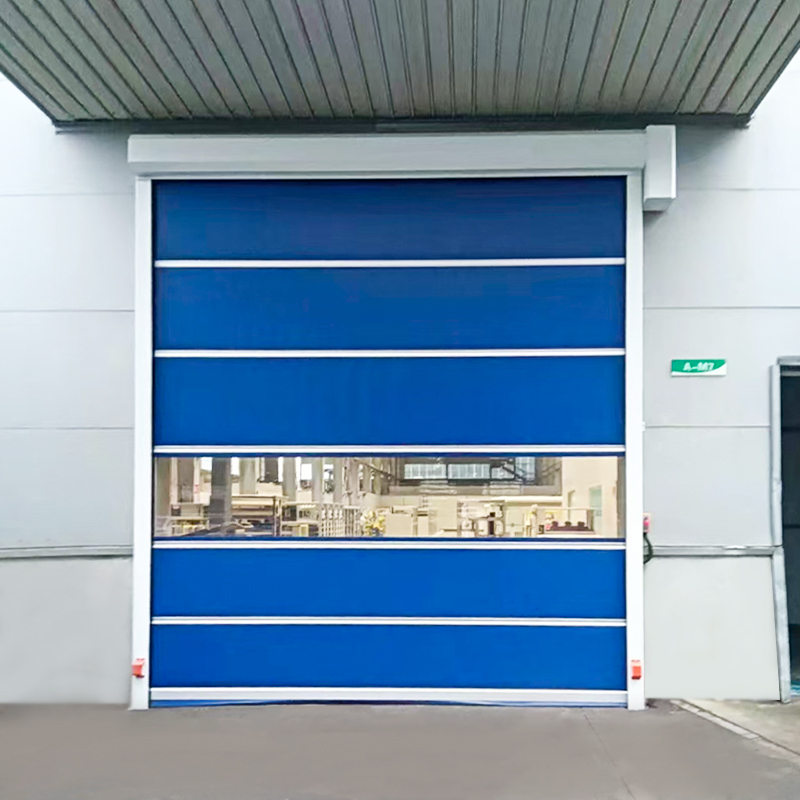
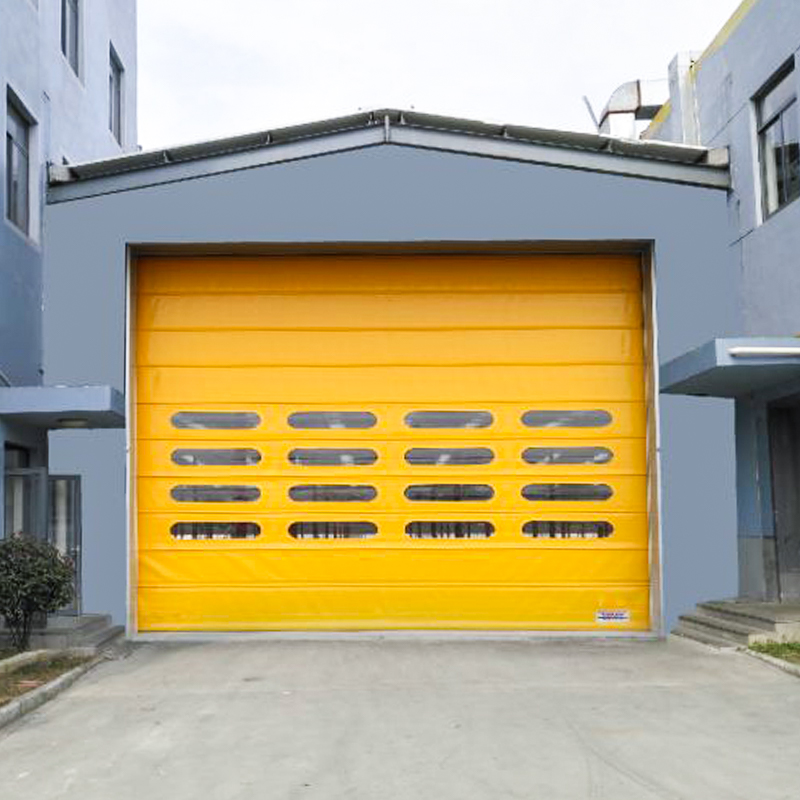
Rapid Operation for High-Traffic Efficiency: One of the most critical advantages of an Industrial Fast Speed Door is its ability to open and close at extremely high speeds, often several meters per second. This rapid movement allows personnel, forklifts, and delivery vehicles to pass through without delay, significantly reducing waiting times and congestion in high-traffic industrial environments such as warehouses, distribution centers, and manufacturing facilities. Traditional industrial doors, including sectional or rolling doors, typically operate more slowly, which can create bottlenecks and impede workflow efficiency. The fast operation of these doors ensures that operations continue seamlessly, maintaining productivity even during peak activity periods, and reducing the risk of delays that could disrupt material handling or production schedules.
-
Energy Efficiency and Climate Control: Industrial Fast Speed Doors provide substantial energy-saving benefits due to their rapid opening and closing cycles, which minimize the time that conditioned indoor air is exposed to external environments. This is particularly important in climate-sensitive facilities such as cold storage warehouses, refrigerated processing areas, or heat-controlled manufacturing spaces. By limiting air exchange, these doors reduce the workload on HVAC systems, lowering energy consumption and operational costs. Additionally, many fast speed doors are equipped with insulated panels, which further reduce heat transfer and maintain internal temperatures more effectively than traditional slower doors. This combination of speed and insulation ensures that indoor climate remains stable, enhancing both energy efficiency and operational performance.
-
Advanced Safety Features: Modern Industrial Fast Speed Doors integrate advanced safety mechanisms, including motion sensors, photoelectric beams, soft-edge systems, and automatic obstruction detection. These features ensure that the door immediately stops or reverses if a person, vehicle, or object is detected in its path, reducing the risk of injury or equipment damage. In high-traffic industrial environments, where forklifts, personnel, and automated equipment often share space, these safety features significantly enhance workplace safety compared to traditional doors, which may not include integrated safety systems or may require manual monitoring and intervention to prevent accidents.
-
Enhanced Workflow and Operational Productivity: By enabling fast and frequent access without disruption, Industrial Fast Speed Doors improve overall workflow and operational efficiency. Workers can move quickly between areas, and material handling equipment can operate without waiting for slow door cycles, reducing downtime and maximizing throughput. Traditional doors with slower opening and closing speeds can interrupt processes, particularly in facilities with continuous high-volume traffic, resulting in productivity loss. The fast door’s ability to maintain a steady flow of movement allows industrial operations to function at peak efficiency, ensuring that deadlines, order fulfillment, and production schedules are consistently met.
-
Contamination Control and Environmental Protection: Industrial Fast Speed Doors are particularly advantageous in facilities that require contamination control, such as food processing plants, pharmaceutical manufacturing, and cleanroom environments. The rapid opening and closing cycles limit the ingress of dust, dirt, insects, or airborne particles, helping maintain hygienic conditions. Traditional slower doors allow longer exposure to external contaminants, increasing the risk of product spoilage, hygiene violations, or regulatory non-compliance. By minimizing the open-door duration, fast speed doors help maintain controlled internal environments, protecting both products and personnel.
-
Durability for Continuous Use: Industrial Fast Speed Doors are specifically engineered to withstand high-frequency operation, often designed for thousands of cycles per day without significant wear or performance degradation. Materials, drive mechanisms, and door panels are selected for durability and long-term reliability. Traditional industrial doors may not be rated for such frequent use and can experience accelerated wear, increased maintenance requirements, or premature failure in high-traffic applications. The robust design of fast speed doors ensures consistent performance, reduces downtime, and minimizes maintenance interventions, providing long-term reliability even under continuous operation.
