
 English
 Español
 Tiếng Việt

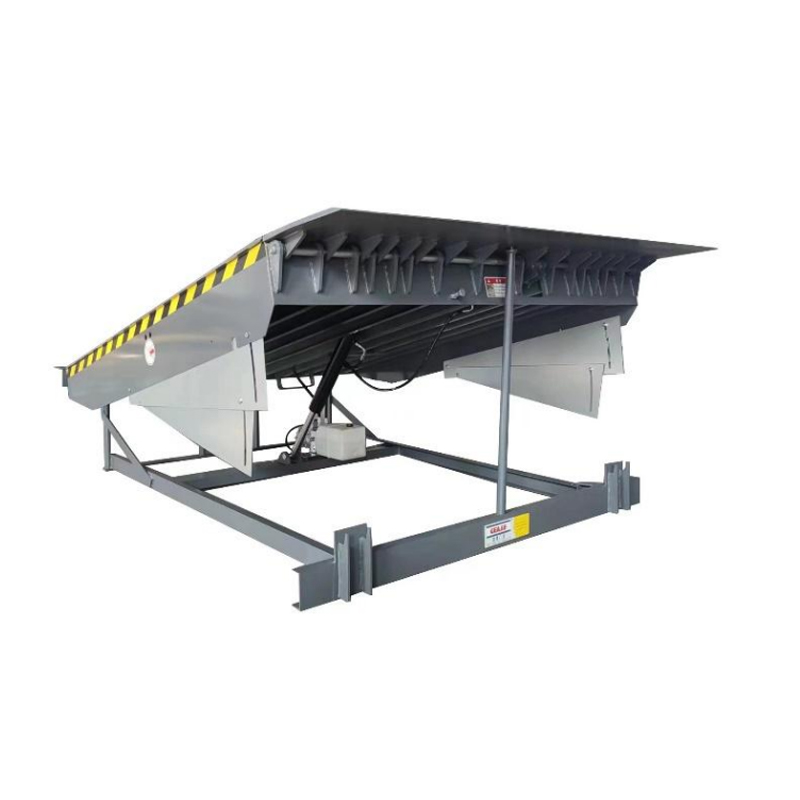
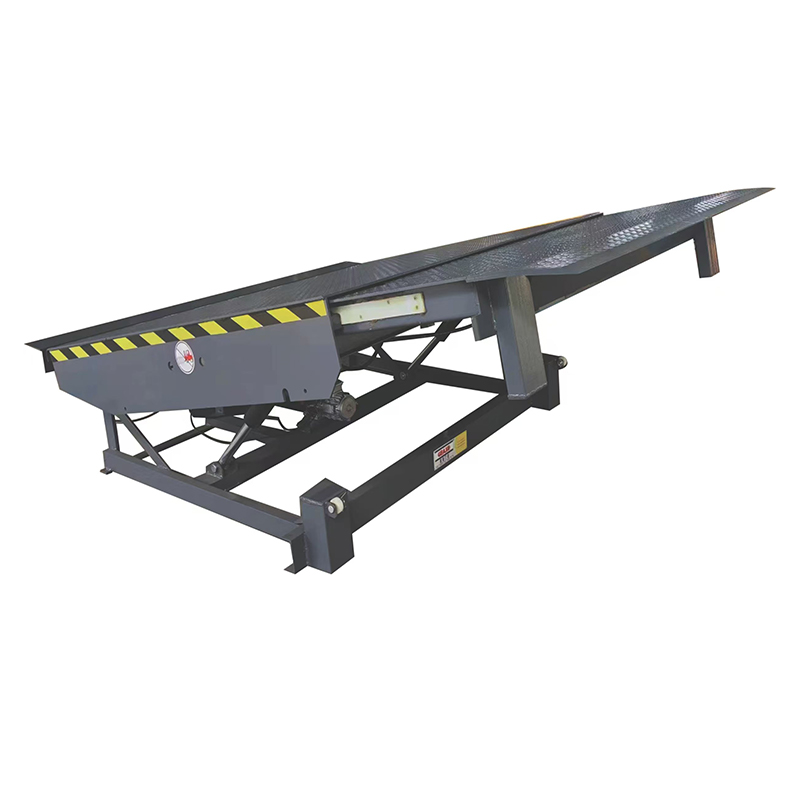
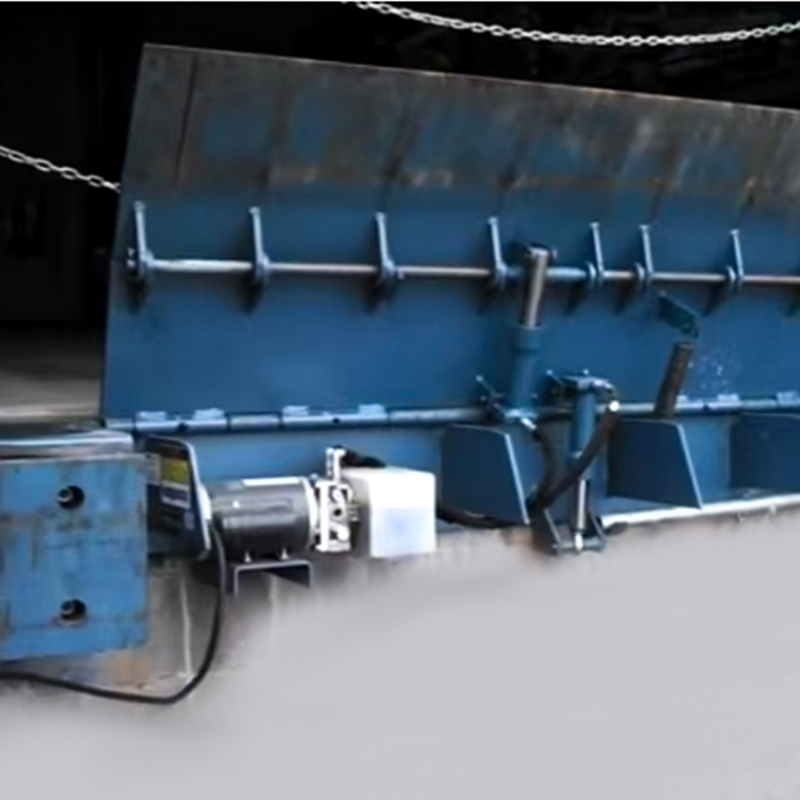
Truck Dock Leveler: A Complete Buying Guide with Load Ratings and Safety Tips A practical field gu...
-
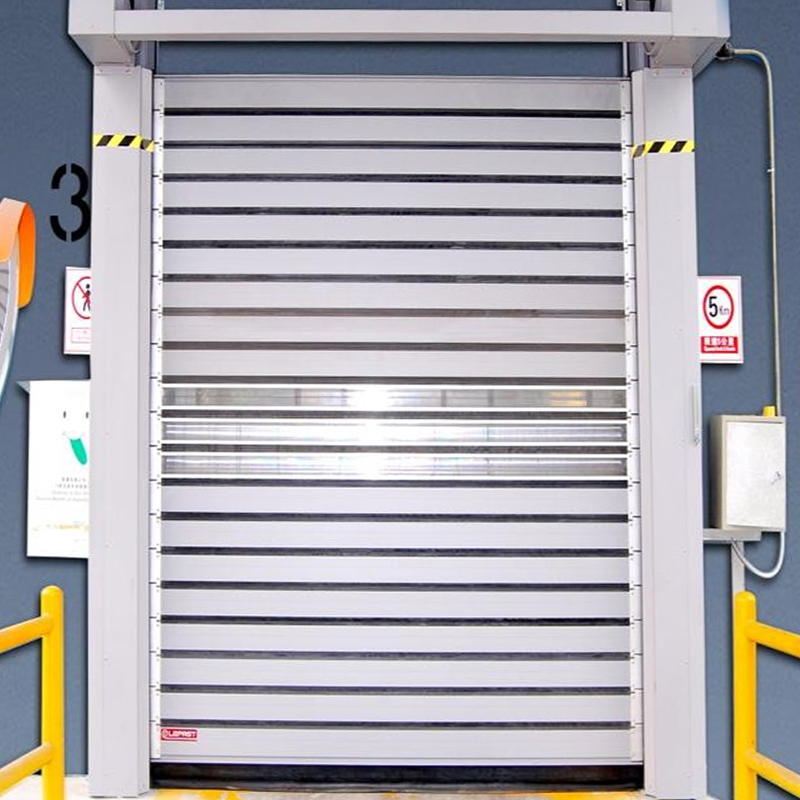
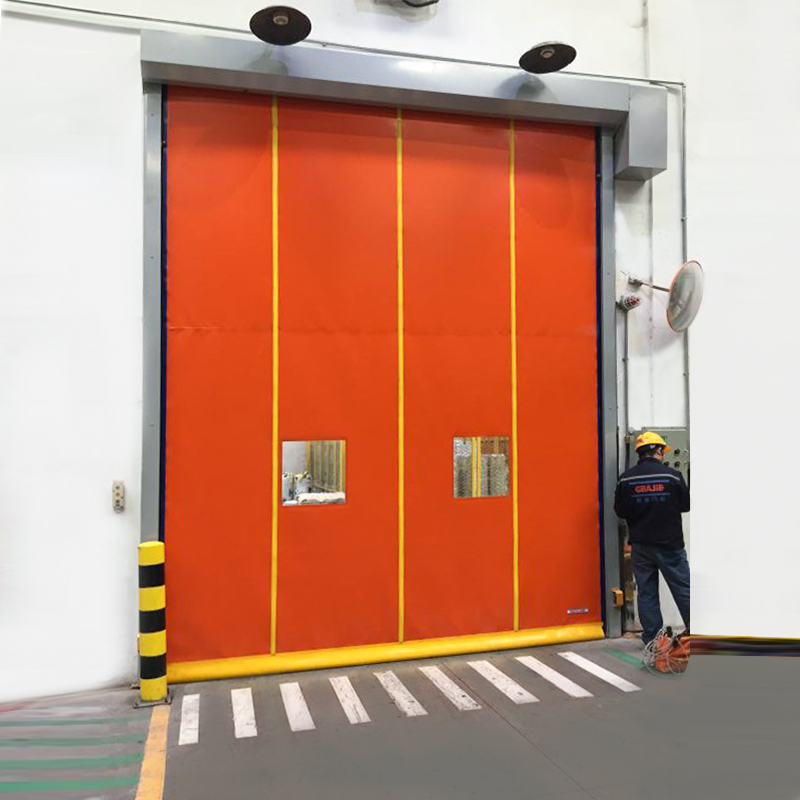
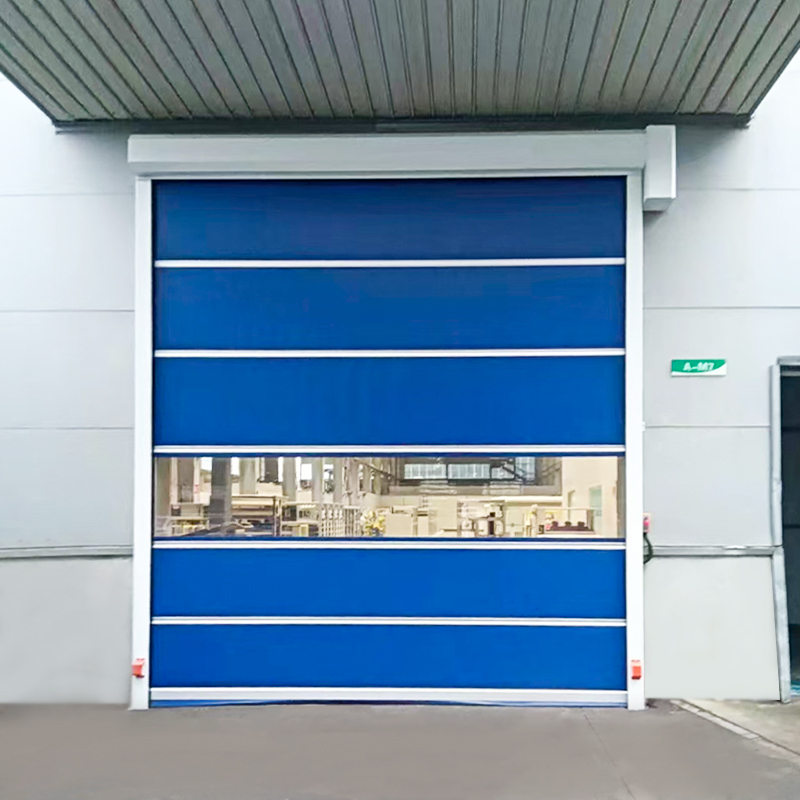
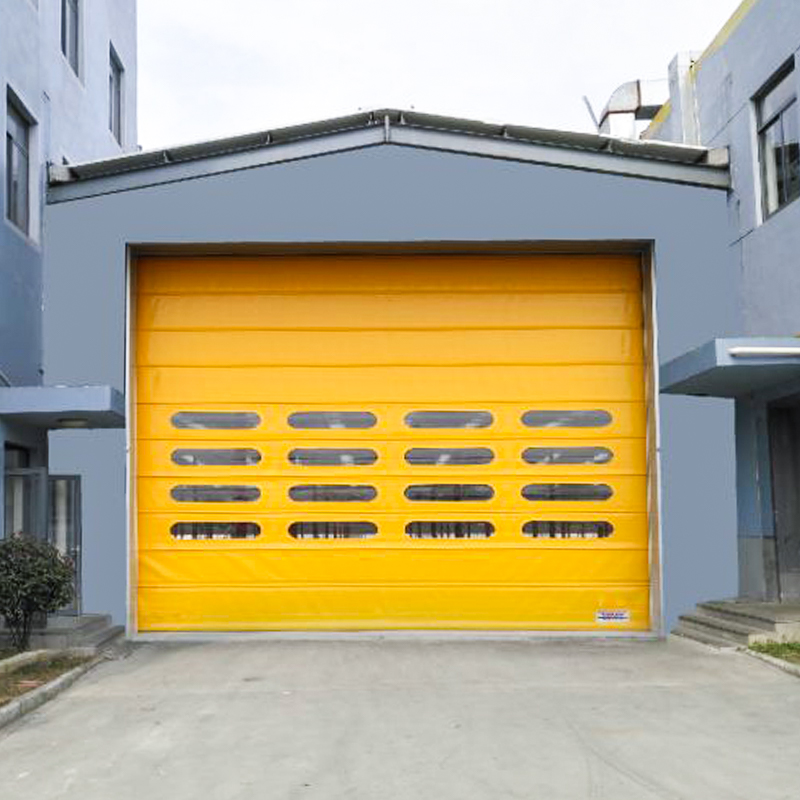
Rapid Opening and Closing to Minimize Air Exchange: The primary energy-saving feature of an Industrial Fast Speed Door is its ability to open and close at very high speeds, often several meters per second. This rapid movement significantly reduces the time the door remains open, which in turn minimizes the exchange of conditioned internal air with external air. In climate-controlled facilities such as refrigerated warehouses, pharmaceutical storage, or high-temperature manufacturing environments, even a few seconds of exposure to outside conditions can lead to substantial energy loss. By limiting this exposure, the fast door reduces the frequency and intensity of HVAC operation needed to maintain stable internal temperatures, thereby lowering energy consumption and operational costs.
-
Thermal Insulation in Door Panels: Industrial Fast Speed Doors often incorporate advanced insulation materials in their panels, such as polyurethane cores or thermally resistant composites, which prevent heat transfer between indoor and outdoor environments. The insulation reduces conductive heat loss in cold storage facilities or heat gain in high-temperature areas, allowing the facility to maintain desired temperatures with less energy input. When combined with high-speed operation, the insulation ensures that temperature fluctuations are minimal, reducing the workload on heating and cooling systems. In addition, some designs feature multi-layer or double-panel construction to further enhance thermal resistance without increasing the door’s weight or slowing operation.
-
Advanced Sealing Systems: To maximize energy efficiency, Industrial Fast Speed Doors are equipped with high-quality sealing systems along the edges and bottom of the door curtain. These seals prevent drafts, air leakage, and the ingress of dust or pollutants when the door is closed. Tight sealing ensures that internal conditions are maintained, which is particularly important in refrigerated or climate-sensitive environments. The combination of rapid operation and effective sealing minimizes heat loss during each opening cycle and reduces the overall energy required for temperature stabilization. Seals are typically made from durable materials such as EPDM rubber or flexible polyurethane, which withstand repeated door cycles without degradation.
-
Optimized Airflow and Pressure Management: The design of an Industrial Fast Speed Door considers airflow dynamics around the door opening to prevent turbulence and pressure imbalance inside the facility. Poor airflow management can cause drafts, increase infiltration, and lead to higher energy use by HVAC systems. Fast speed doors are engineered to maintain internal pressure and reduce the entry of hot, cold, or humid air during operation. In high-traffic areas, this ensures that temperature and air quality remain consistent, further enhancing energy efficiency. In addition, the door’s structural rigidity and wind-resistant design prevent external environmental factors, such as gusts of wind, from compromising internal conditions, maintaining stable energy use.
-
Energy-Efficient Motor and Drive Systems: The motors and drive mechanisms in Industrial Fast Speed Doors are designed for high efficiency while maintaining rapid opening and closing cycles. Variable frequency drives (VFDs) or brushless motors are often used to reduce electrical consumption and provide smooth acceleration and deceleration. Efficient motor design ensures that the door completes frequent cycles without excessive energy draw, which is particularly critical in facilities with continuous traffic. Low-power, high-speed operation minimizes overall energy demand compared to slower or mechanically inefficient doors that require longer open times.
-
Automation and Sensor Integration: Modern Industrial Fast Speed Doors often include motion sensors, vehicle detection systems, or building management integration that allows doors to open and close only when necessary. This automation ensures that doors are not left open unnecessarily, further reducing energy loss. Sensors can detect approaching vehicles, forklifts, or personnel and trigger immediate door operation, while smart timers or programmable logic controllers coordinate door activity with facility traffic patterns. By controlling when and how often the door operates, automation reduces unnecessary HVAC cycling and contributes to long-term energy efficiency.
