
 English
 Español
 Tiếng Việt

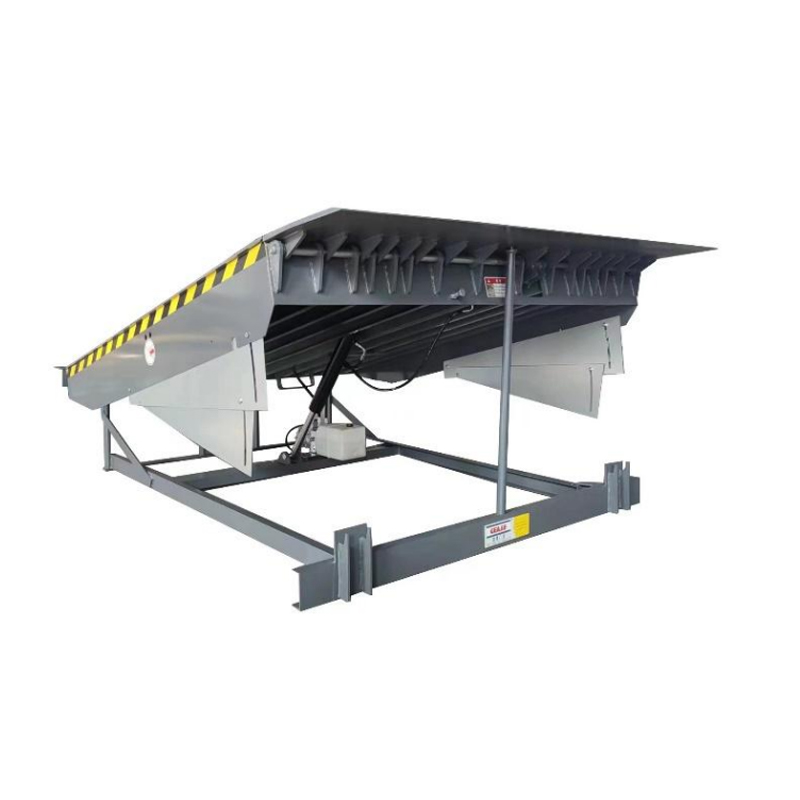
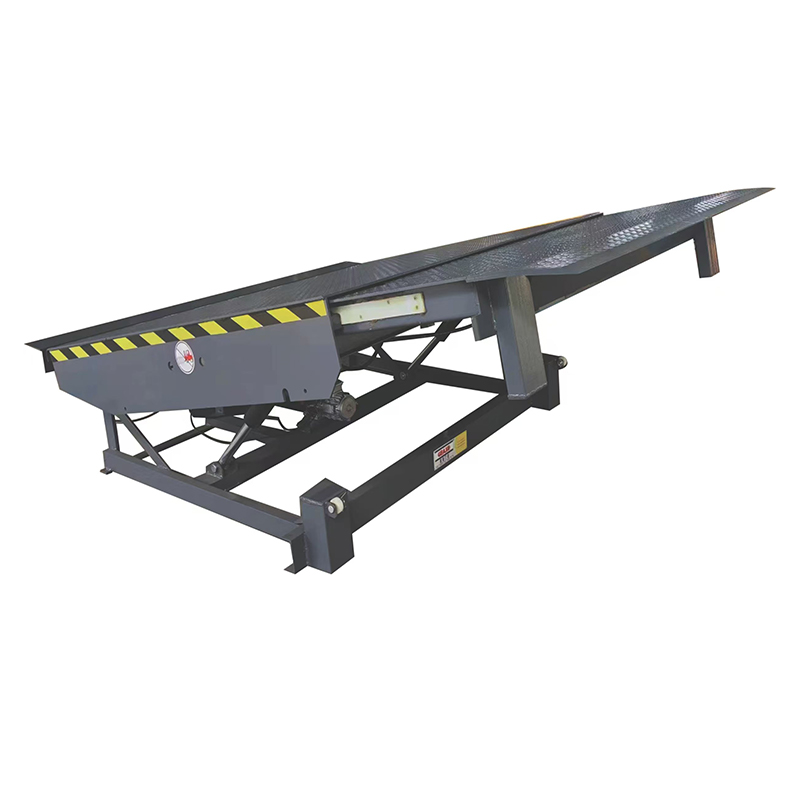
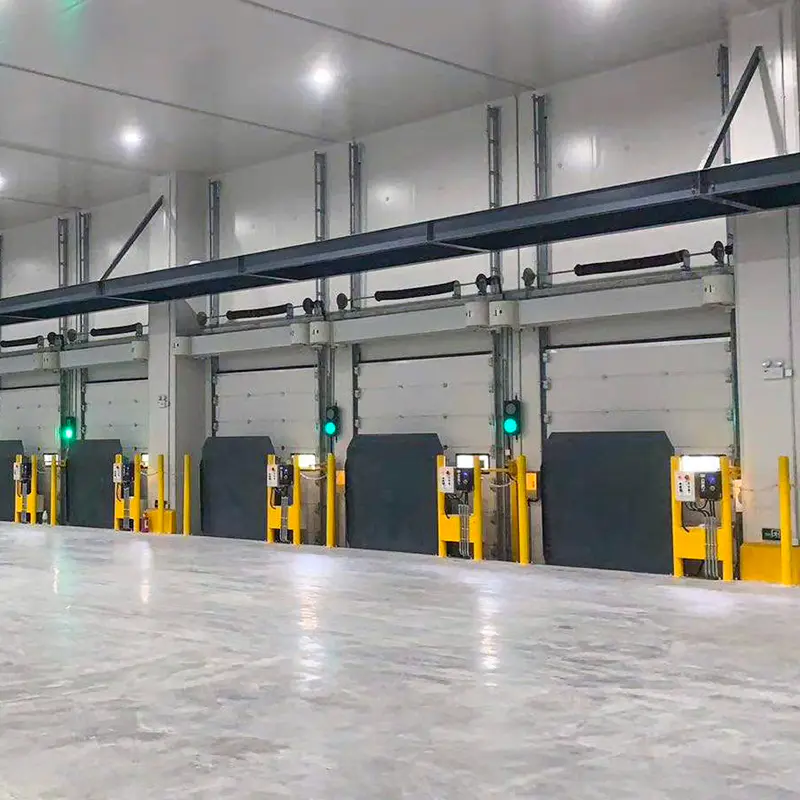
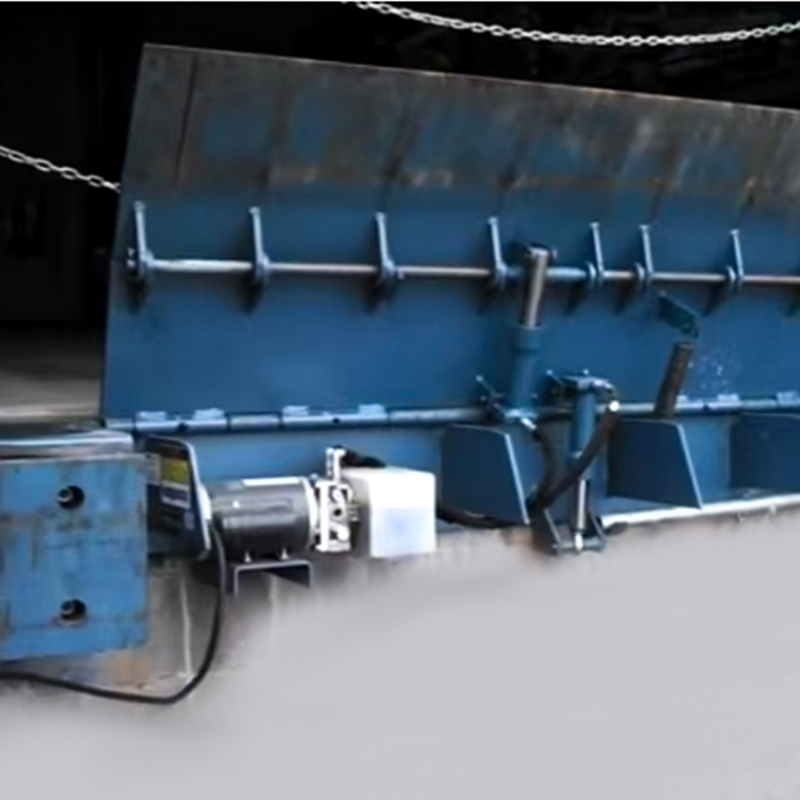
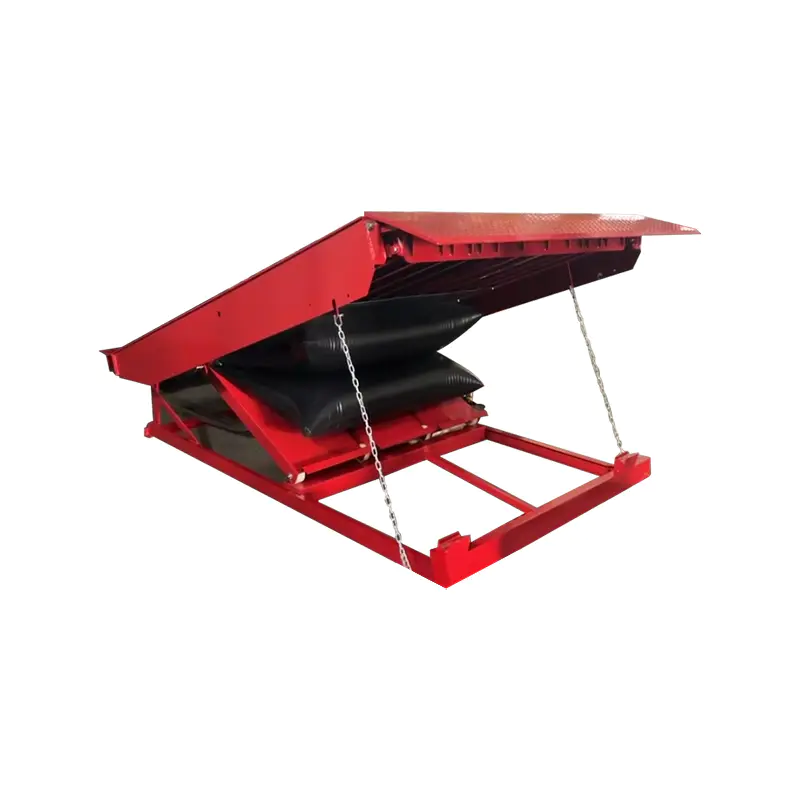
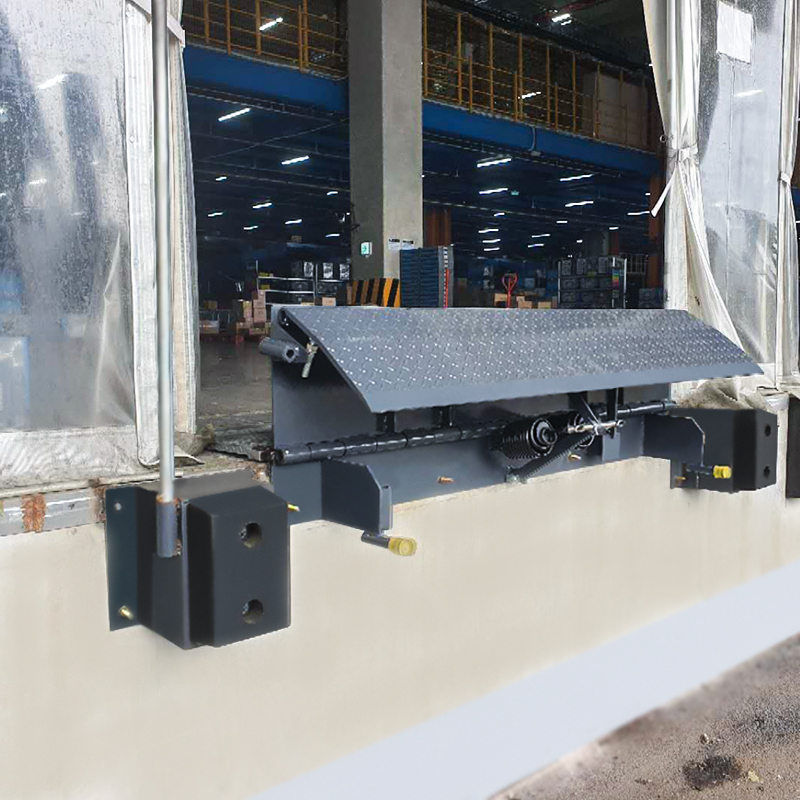
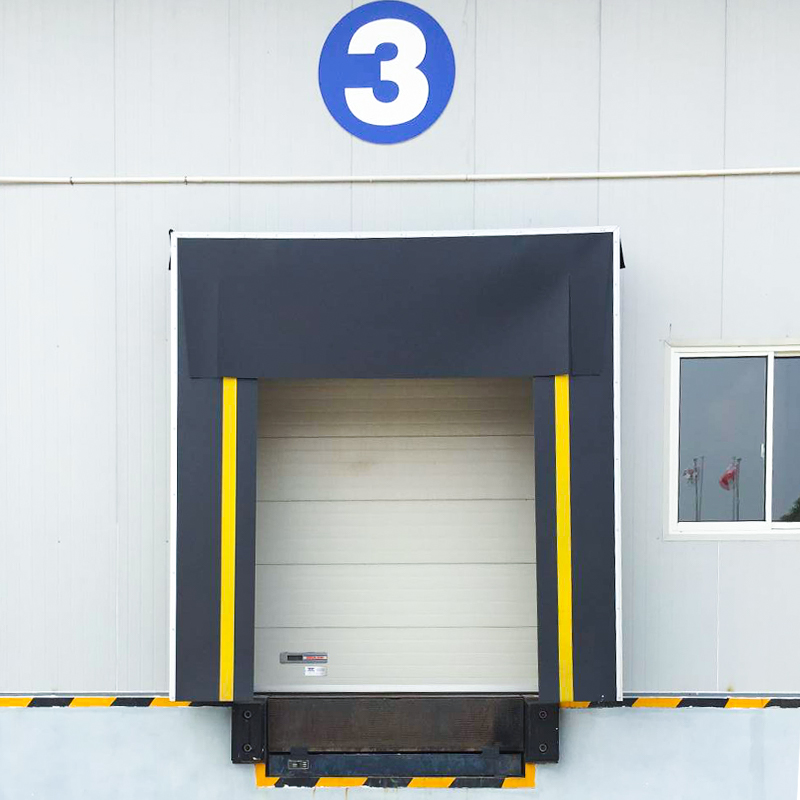
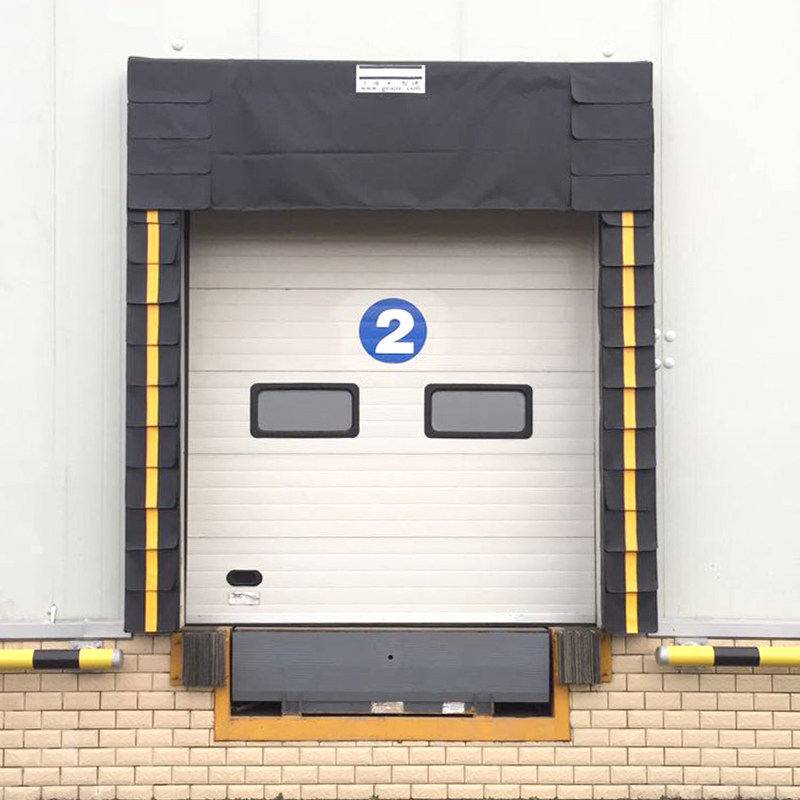
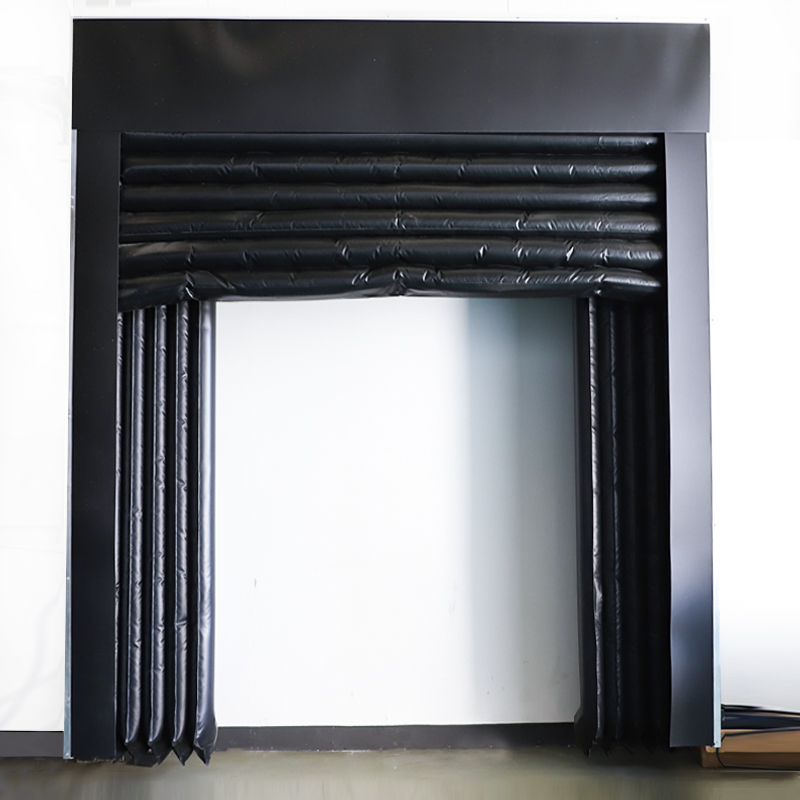
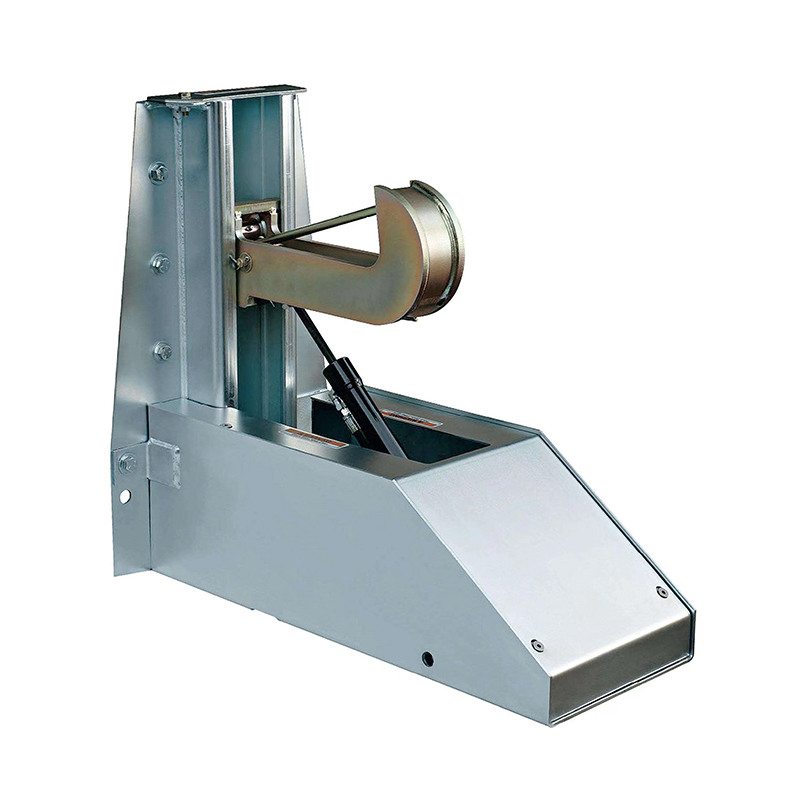
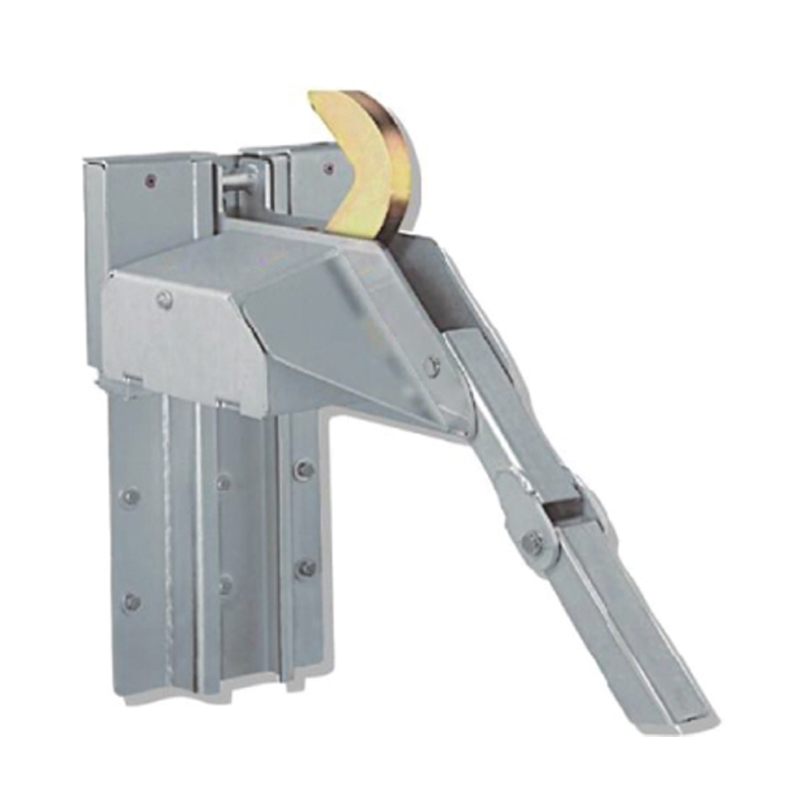
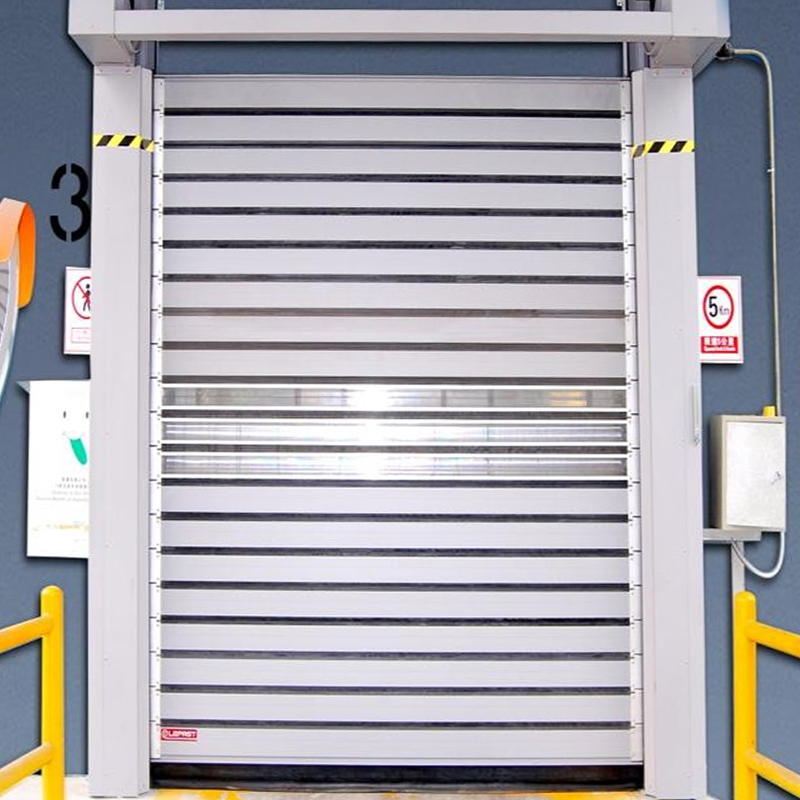
A hydraulic dock leveler looks like a piece of passive steel sunk into the loading bay. In daily o...
Adjustable Platform and Articulating Lip Design
EOD Industrial Dock Levelers are engineered with a robust adjustable platform and an articulating lip that together allow seamless alignment between the dock and a wide range of truck bed heights. The platform can be raised or lowered during deployment so that it closely matches the elevation of the incoming vehicle, while the lip extends outward to rest securely on the truck bed. This combination creates a continuous load-bearing surface, minimizing vertical gaps and steep angles that could otherwise hinder forklift operation. The articulating lip design ensures proper contact even when truck beds vary due to suspension differences, cargo load, or vehicle type, making EOD Industrial Dock Levelers highly adaptable in multi-vehicle loading environments.
Vertical Travel Range for Height Variations
One of the defining features of EOD Industrial Dock Levelers is their wide vertical travel range, which allows them to accommodate both above-dock and below-dock truck positions. Trucks with higher beds, such as certain regional trailers, as well as lower-profile vehicles, can be serviced using the same dock position. This flexibility reduces the need for multiple specialized dock bays and improves overall dock utilization. The ability to handle significant height variation is especially valuable in facilities that service mixed fleets, third-party logistics providers, or carriers with non-standard trailer configurations.
Float Function for Dynamic Load Changes
EOD Industrial Dock Levelers are often equipped with a float or self-leveling function that allows the platform to move slightly up or down while remaining engaged with the truck bed. During loading and unloading, the height of the truck can change as cargo weight is added or removed, causing the suspension to rise or settle. The float feature enables the leveler to adapt automatically to these changes without losing contact or creating unsafe gaps. This dynamic adjustment reduces stress on the leveler structure and provides a smoother transition for material handling equipment, enhancing both safety and equipment longevity.
Accommodation of Lateral Docking Variations
In real-world dock operations, trucks do not always align perfectly with the center of the dock opening. EOD Industrial Dock Levelers are designed with sufficient deck width and lip length to accommodate minor side-to-side misalignment. The extended lip ensures secure engagement with the truck bed even when the trailer is slightly offset, maintaining a stable bridge for forklifts and pallet jacks. This tolerance for lateral variation improves operational efficiency by reducing the need for repeated repositioning of vehicles and allowing loading operations to begin more quickly.
Integration with Vehicle Restraints and Dock Guides
To further enhance alignment accuracy, EOD Industrial Dock Levelers are commonly integrated with vehicle restraint systems and dock guides. Vehicle restraints secure the trailer in place once docked, preventing movement that could disrupt leveler engagement, while dock guides help drivers position trailers correctly during approach. This integrated setup ensures that the dock leveler consistently engages at the correct height and angle, regardless of truck size or position. The combined system significantly reduces the risk of dock accidents caused by trailer creep, premature departure, or misalignment.
Operator Controls and Positioning Feedback
Modern EOD Industrial Dock Levelers feature user-friendly control systems that allow operators to deploy and adjust the leveler with precision. Visual indicators, control panels, or sensor-based feedback help confirm that the leveler is properly positioned and securely engaged with the truck bed before loading begins. These controls minimize operator error and ensure consistent performance across shifts and personnel. In high-throughput facilities, such reliable and intuitive controls contribute to faster cycle times while maintaining strict safety standards.
