 English
 Español
 Tiếng Việt

Facility Operations · Loading Dock Equipment
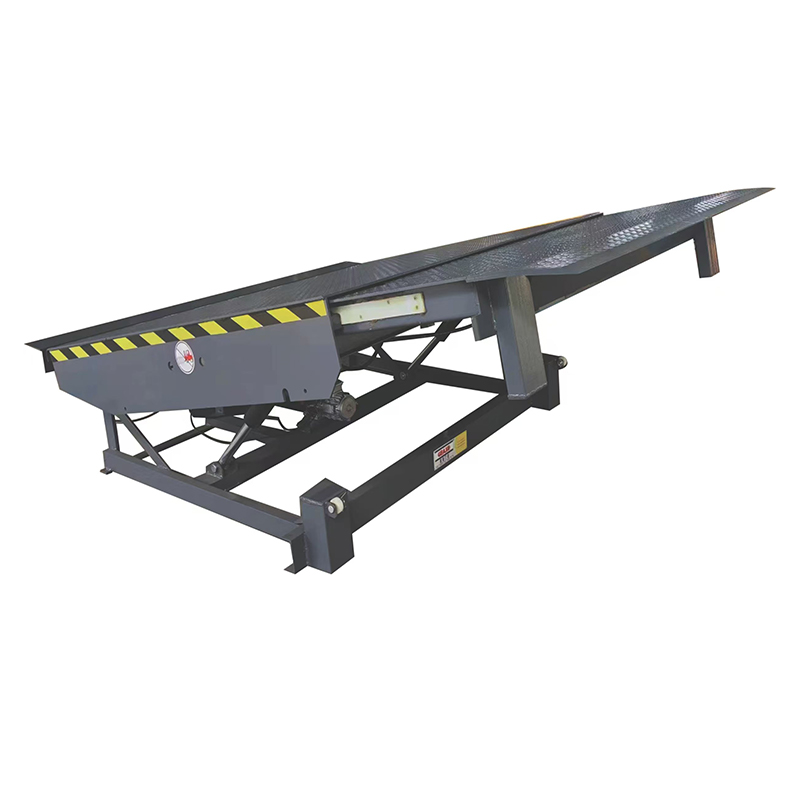
A dock leveler exists to close the height and distance gap between a warehouse floor and the bed of a trailer, allowing forklifts and pallet jacks to move freight safely and continuously between the two surfaces. Unlike a simple loading ramp, which is fixed or portable and cannot adapt, a dock leveler is an engineered, adjustable platform built for constant, real-world variability.
The Direct Answer: What a Dock Leveler Actually Does
Unlike a simple loading ramp, which is a fixed or portable incline used to bridge a static height difference, a dock leveler is an engineered, adjustable platform that compensates for trailer bed heights that change with load weight, tire pressure, and trailer type. The core purpose of a dock leveler is to create a smooth, safe, and continuous transition surface so that material handling equipment never has to cross an unguarded gap or navigate a steep, unstable slope.
A loading ramp, by contrast, is typically a one-size-fits-all solution. It does not adjust in real time, it cannot compensate for a trailer that rises or sinks as it is loaded or unloaded, and it usually cannot handle the same load capacities as a purpose-built leveler. This is why dock levelers, rather than ramps, are the standard equipment at high-volume distribution centers, cold storage facilities, and manufacturing plants where a flush loading dock configuration is required for consistent, repeatable freight movement.
Why the Height Gap Problem Exists in the First Place
Trailer bed heights are not fixed. An empty trailer sits higher on its suspension than a fully loaded one, and the difference between an empty and a loaded trailer can range from 3 to 6 inches depending on the vehicle and cargo weight. Add to this the fact that dock heights themselves are not standardized across the industry, and it becomes clear why a static ramp cannot reliably solve the problem.
Common Sources of Height Variation
- Trailer suspension compression as cargo is loaded or removed
- Tire inflation differences between trailers
- Variation in dock construction height from one facility to another
- Uneven yard grading causing trailers to sit at a slight tilt
A dock leveler's lip extends onto the trailer bed and the platform rises or falls to match, maintaining a level, walkable, drivable surface regardless of these variables.
This dynamic adjustment is the single biggest functional distinction from a ramp, which simply cannot respond to a moving target.
Core Functions of a Dock Leveler
Beyond bridging height differences, a dock leveler performs several supporting functions that a ramp cannot replicate. Understanding these functions clarifies why levelers are considered essential infrastructure rather than optional accessories.
Load-Bearing Capacity
Most dock levelers are rated to support between 20,000 and 45,000 pounds of dynamic load, which allows for the continuous movement of loaded forklifts, not just static freight. A typical portable ramp is rated far lower, often under 10,000 pounds, making it unsuitable for repeated heavy equipment traffic.
dock leveler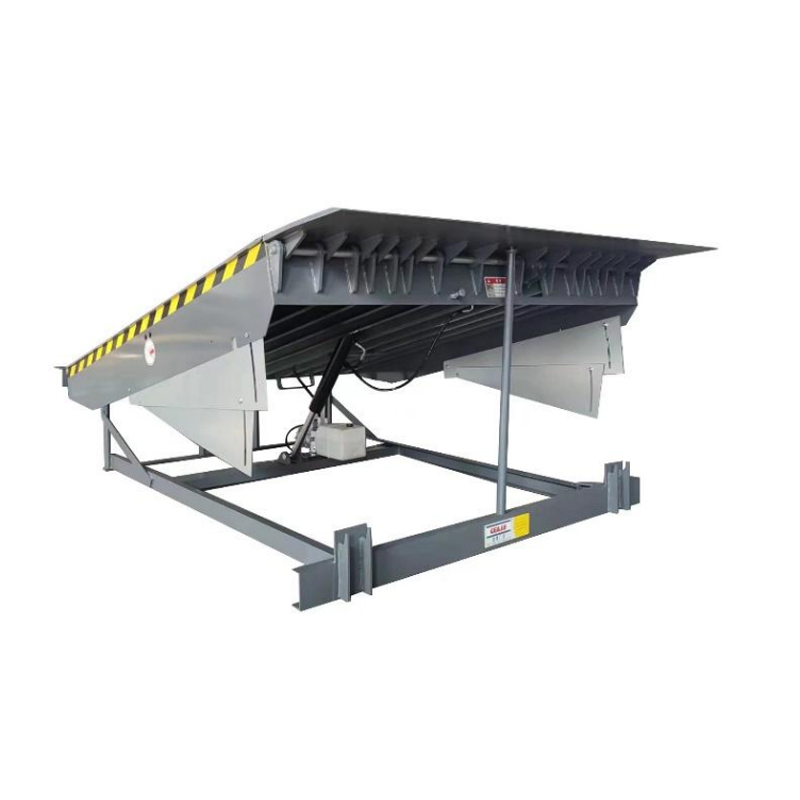
Weather and Environmental Sealing
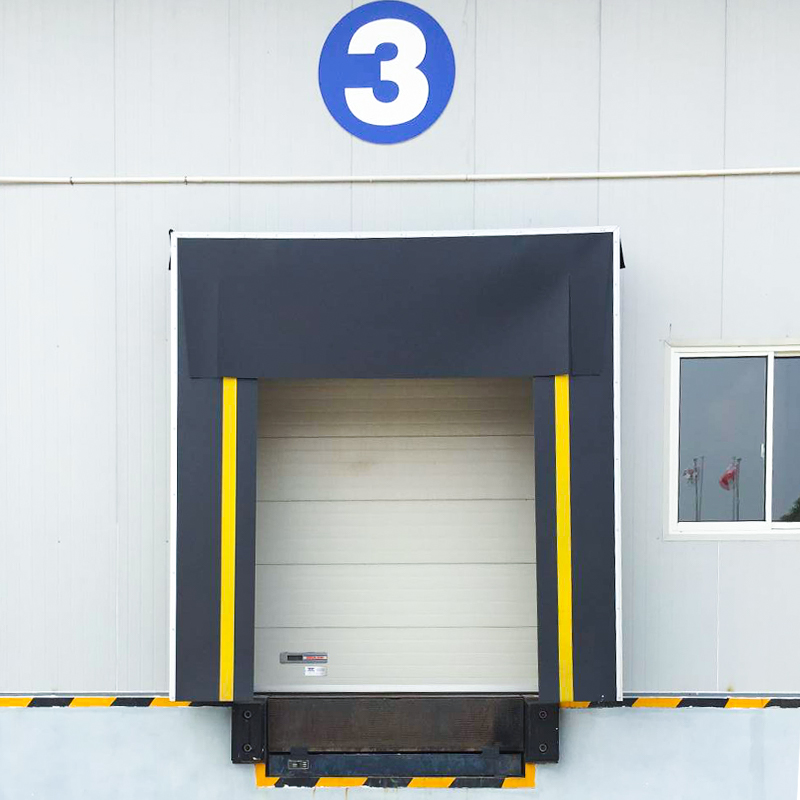
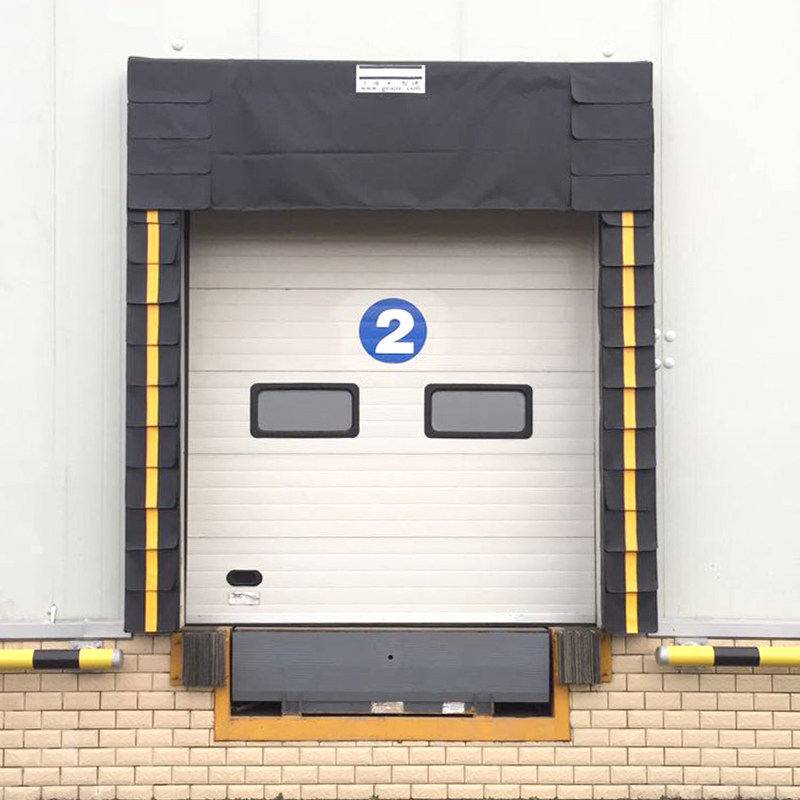
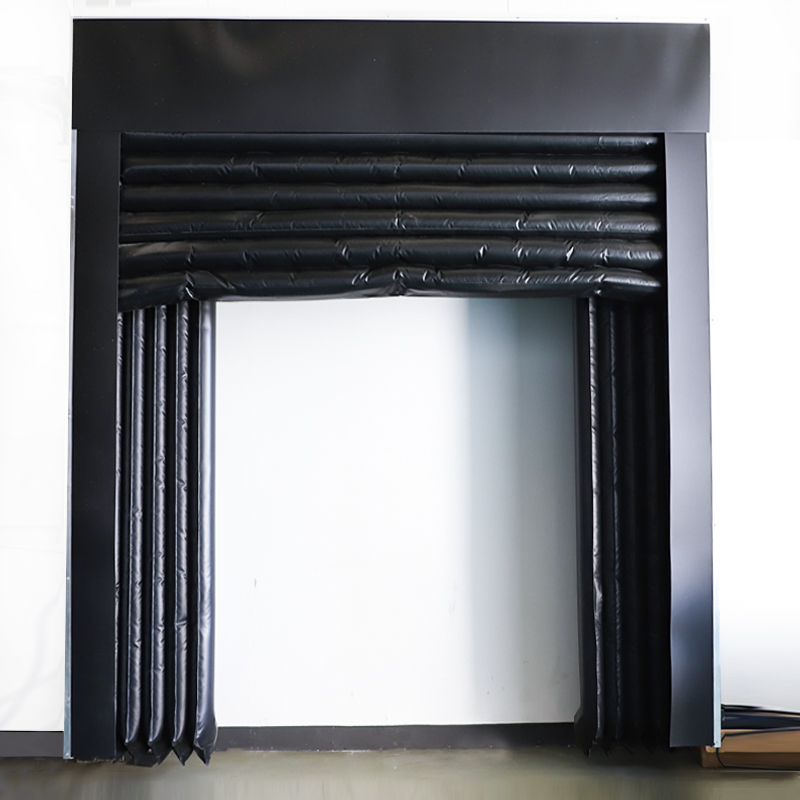
A dock leveler, when paired with dock seals or shelters, helps maintain a controlled interior environment by minimizing the opening between the trailer and the building. This is particularly important for temperature-sensitive goods, where an uncontrolled gap can lead to energy loss and product degradation.
Safety Mechanisms
Modern dock levelers include safety legs, toe guards, and lip-locking mechanisms that prevent the platform from collapsing if a trailer pulls away unexpectedly during loading. Ramps generally lack these built-in safeguards, relying instead on manual chocks and warning signage.
Hydraulic Dock Levelers vs Mechanical Dock Levelers
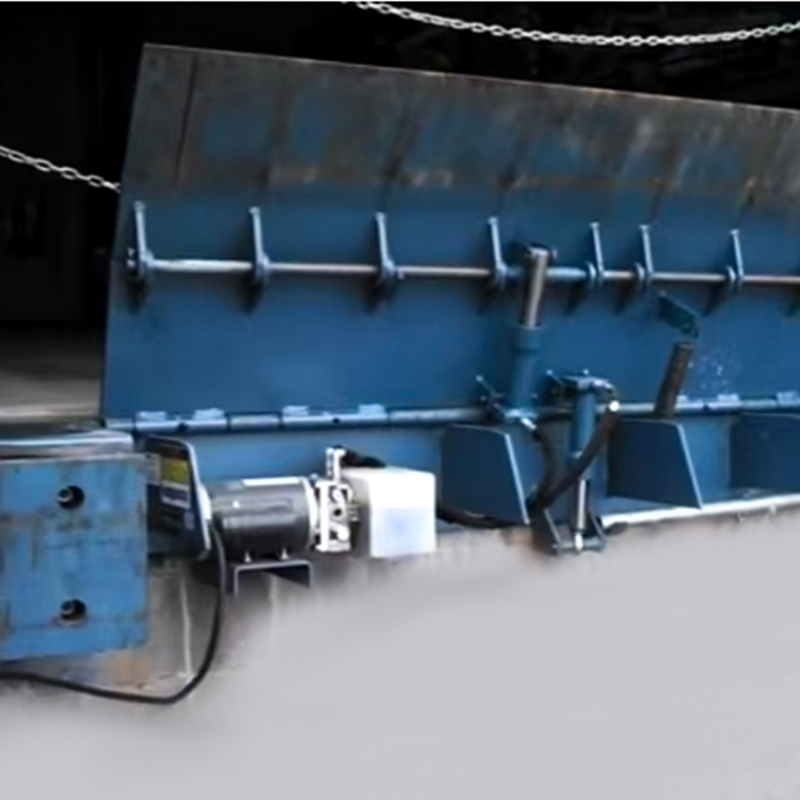
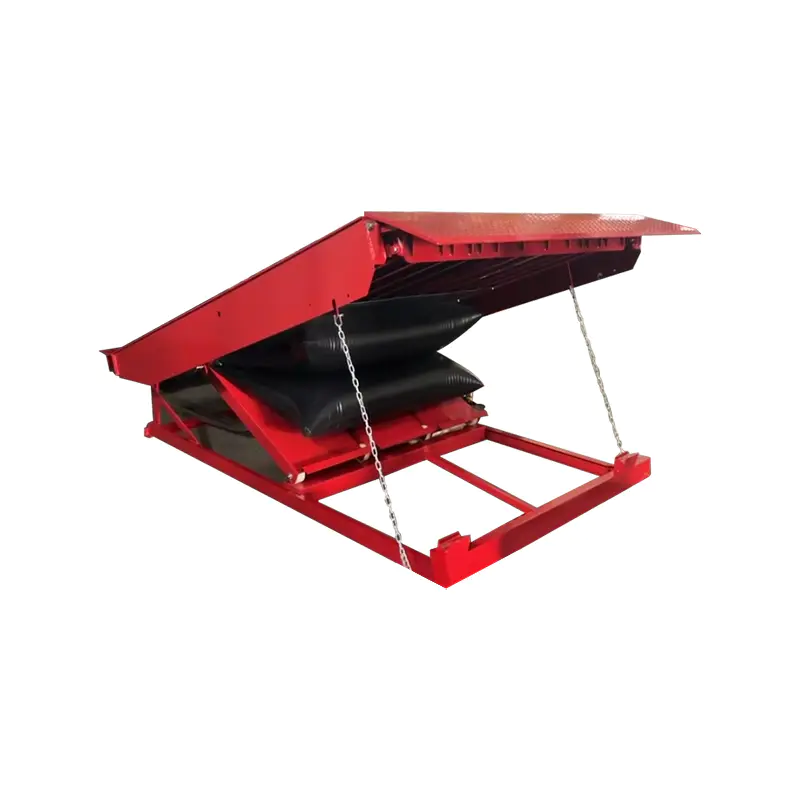
Within the dock leveler category itself, the most common comparison buyers face is between hydraulic and mechanical models. A hydraulic dock leveler uses a hydraulic cylinder to raise the platform and extend the lip automatically at the push of a button, while a mechanical leveler relies on a spring-assisted mechanism that the operator activates with a pull chain or release bar.
| Feature | Hydraulic Dock Leveler | Mechanical Dock Leveler |
|---|---|---|
| Operation | Push-button, automatic | Manual pull chain or bar |
| Operator Effort | Minimal | Moderate to high |
| Maintenance Needs | Requires hydraulic fluid checks | Fewer moving parts to service |
| Best Suited For | High-frequency, high-volume docks | Lower-frequency, budget-conscious docks |
For facilities processing dozens of trailers per day, a hydraulic dock leveler typically pays for itself in reduced labor time and lower injury risk, since operators no longer need to manually crank or pull the platform into position for every truck.
Pit-Style Levelers vs Edge-of-Dock Levelers
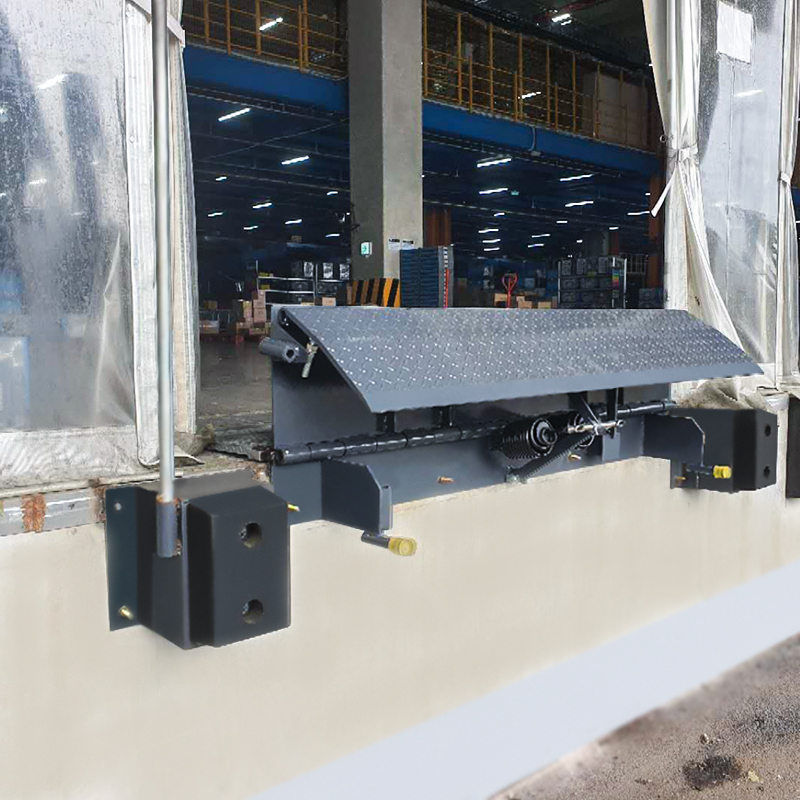
Another frequent comparison involves the mounting style of the leveler. A pit-style dock leveler is installed into a recessed pit built into the dock floor, sitting flush with the surrounding concrete when not in use. An edge-of-dock leveler, by contrast, mounts directly onto the face of the dock without requiring a pit, making it a faster and less expensive retrofit option.
- Pit-style levelers generally offer greater height adjustment range, making them suitable for facilities that receive a wide variety of trailer types.
- Edge-of-dock levelers are typically limited to a narrower height differential, often within 5 to 6 inches, which suits facilities with more consistent trailer traffic.
- Installation cost for edge-of-dock units is usually lower since no concrete pit excavation is required.
- Pit-style levelers tend to have higher weight capacities, making them the preferred choice for facilities moving heavier palletized freight.
Info
Choosing between the two often comes down to trailer variability and budget. A distribution center serving many different carriers benefits from the wider range of a pit-style unit, while a facility with predictable, uniform trailer traffic can save on installation costs with an edge-of-dock model.
Achieving a True Flush Loading Dock
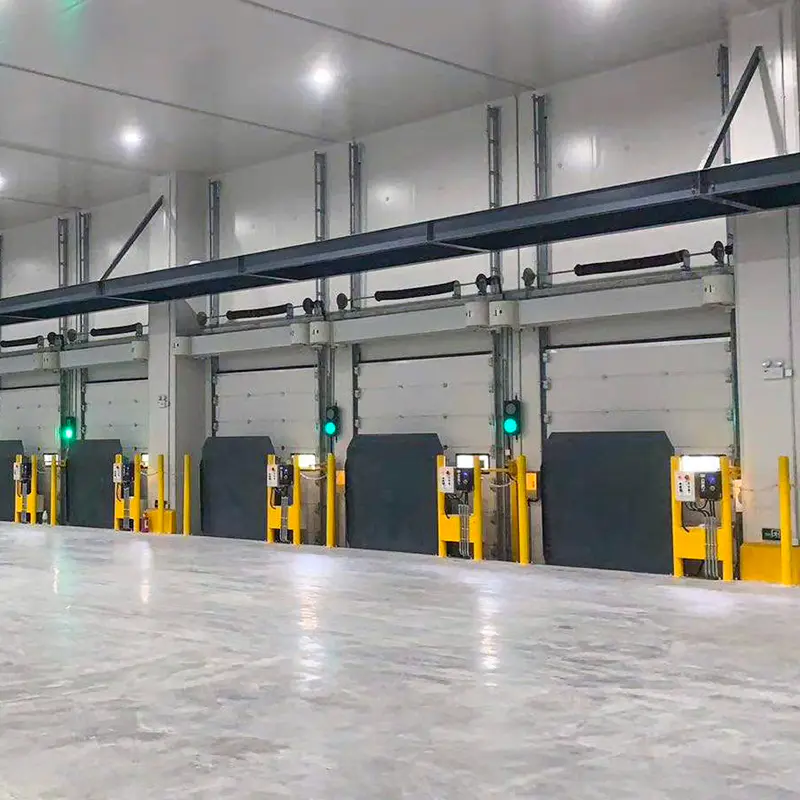
The term flush loading dock refers to a dock configuration where the leveler sits perfectly level with both the warehouse floor and the trailer bed, eliminating any lip, gap, or slope that could slow down material handling or create a tripping hazard. Achieving this flush condition requires more than just installing a leveler; it depends on correct pit depth, proper lip extension length, and accurate calibration to the range of trailer heights the facility regularly services.
Facilities that fail to maintain a flush loading dock condition often see measurable declines in throughput. Forklift operators must slow down to navigate uneven transitions, and the risk of dropped pallets or equipment damage increases significantly. In contrast, a properly calibrated flush dock allows forklifts to cross at near-normal operating speed, directly improving loading and unloading times.
Safety Considerations That Ramps Cannot Address
Workplace safety data consistently shows that loading dock accidents rank among the more common sources of warehouse injury, frequently involving falls, equipment tip-overs, or crush injuries from unstable transition surfaces. A dock leveler reduces these risks through several built-in features that a portable ramp simply does not include.
Toe Guards
Toe guards close the side gaps between the leveler platform and the pit walls, preventing feet or equipment wheels from becoming trapped as the platform moves.
Automatic Lip Locks
Should a trailer separate from the dock unexpectedly during loading, an automatic lip lock stops the leveler from following the trailer downward, preventing a sudden drop that could injure an operator or damage equipment.
Warning
Servicing a leveler without engaging its maintenance strut leaves the platform free to drop unexpectedly. This step should never be skipped, regardless of how brief the repair is expected to be.
Maintenance Struts
Maintenance struts allow technicians to safely lock the platform in a raised position during servicing, removing the risk of the leveler dropping unexpectedly while someone is working underneath it.
Cost and Long-Term Value Comparison
While a basic loading ramp may cost a fraction of what a dock leveler costs upfront, the long-term value proposition tends to favor the leveler for any facility with regular truck traffic. A quality hydraulic dock leveler can operate reliably for 15 to 20 years with routine maintenance, while cheaper ramps often need replacement every few years due to wear from repeated heavy equipment crossings.
Success
Labor savings also factor heavily into the total cost picture. An automatic hydraulic unit can cut the time spent positioning the platform for each trailer from a minute or more down to a few seconds, which adds up considerably across a facility processing 50 or more trailers daily.
Choosing the Right Solution for Your Facility
The right choice between a dock leveler and a loading ramp, or between the various leveler types, depends on trailer traffic volume, budget, available space for pit installation, and the range of trailer heights the facility must accommodate. Facilities with high daily trailer counts, heavy palletized freight, or temperature-sensitive goods almost always benefit more from a properly installed dock leveler than from a basic ramp solution.
The purpose of a dock leveler is to remove variability from the loading process, turning an inconsistent, potentially hazardous gap between building and trailer into a controlled, predictable, and safe transition point for every shipment that passes through the dock.