
 English
 Español
 Tiếng Việt

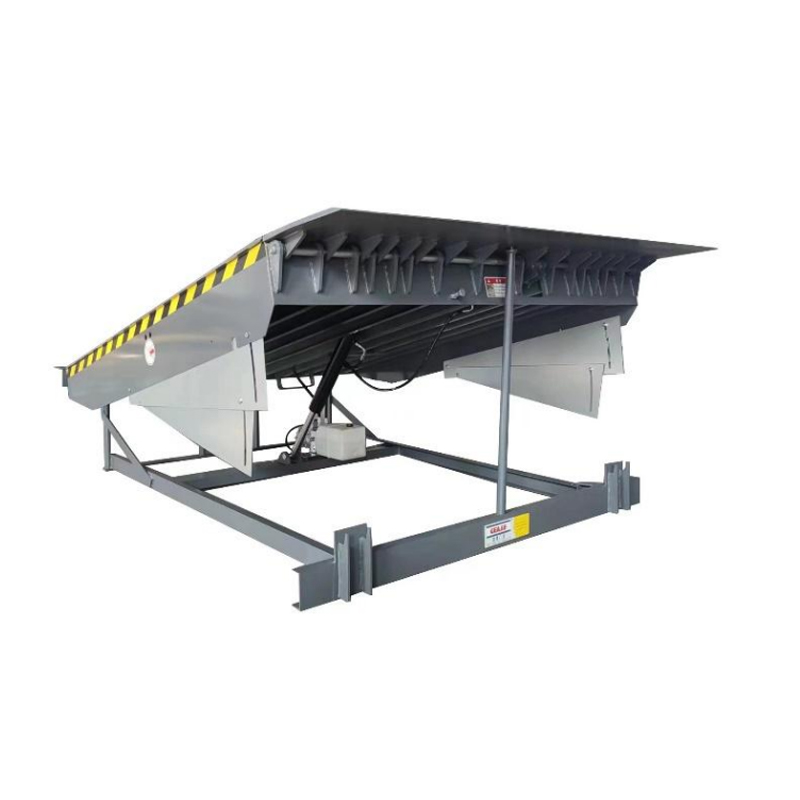
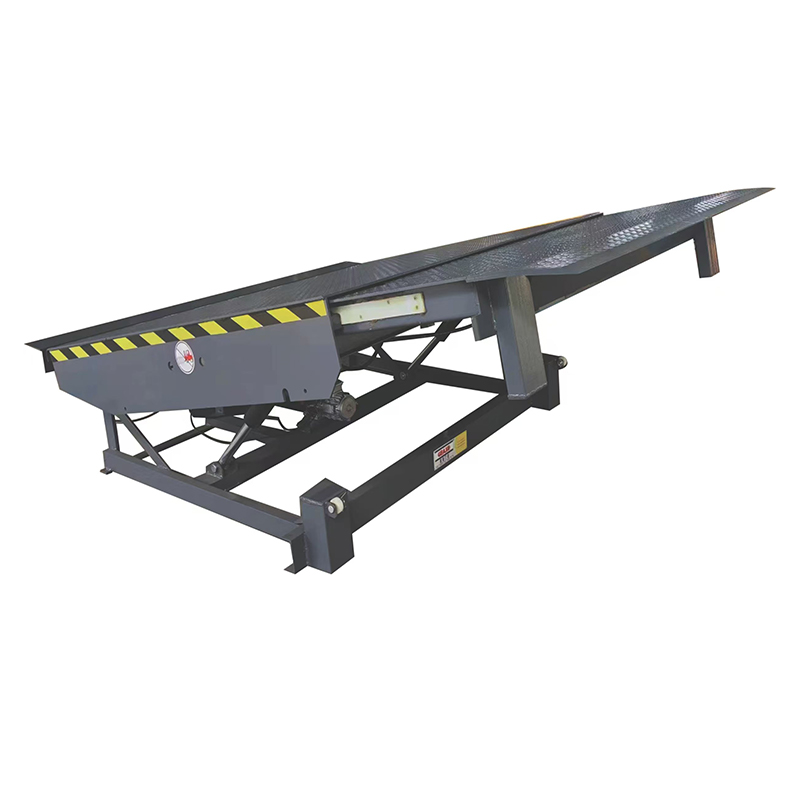
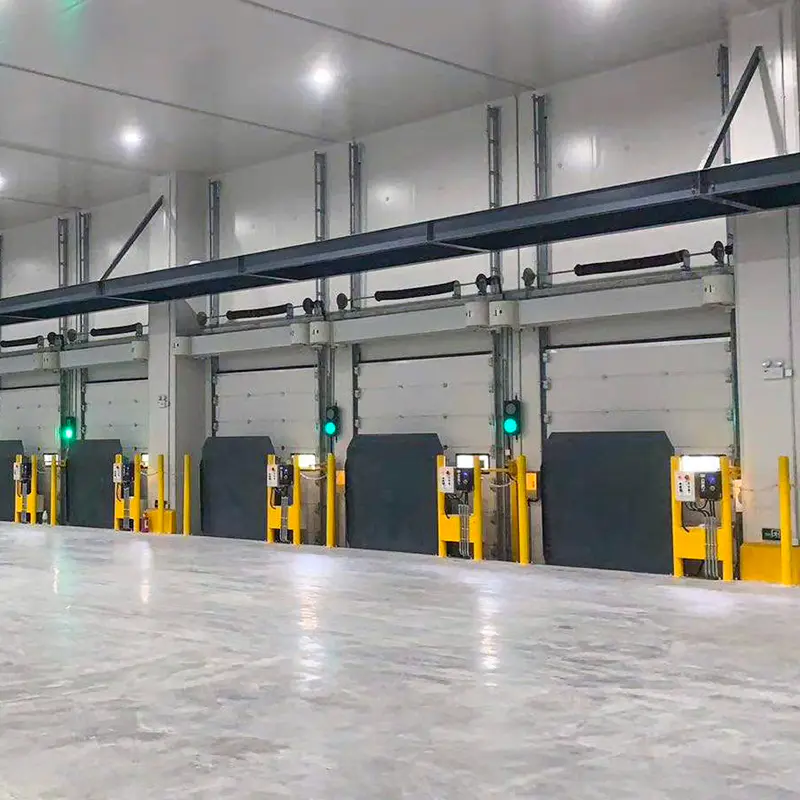
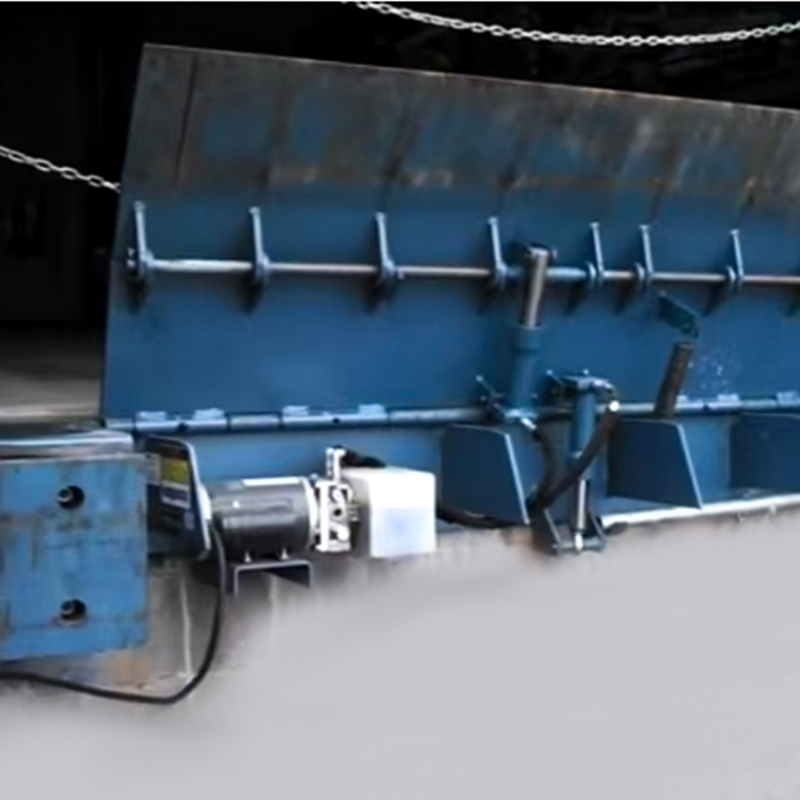
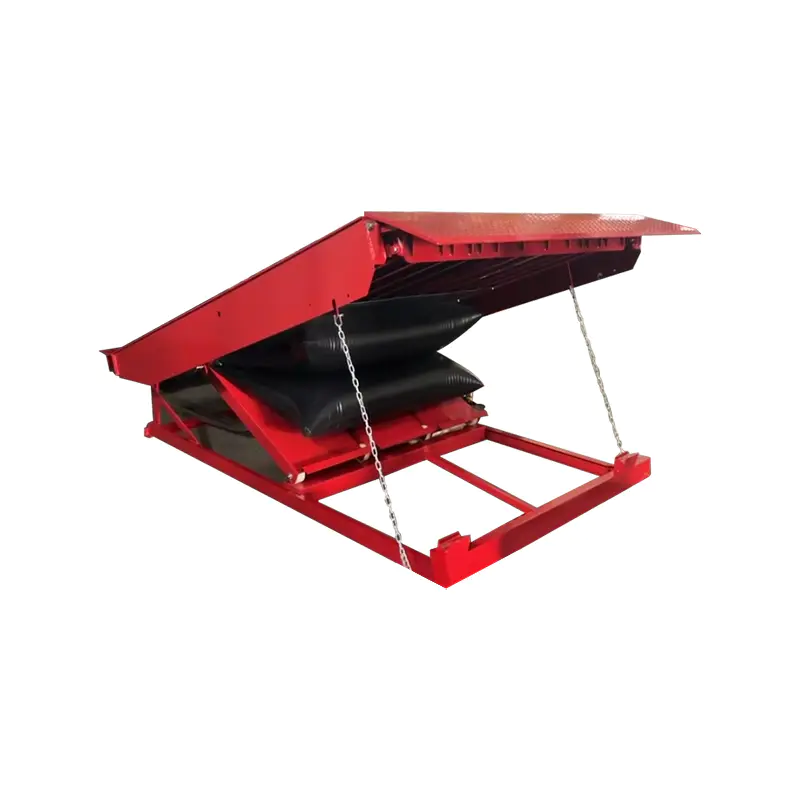
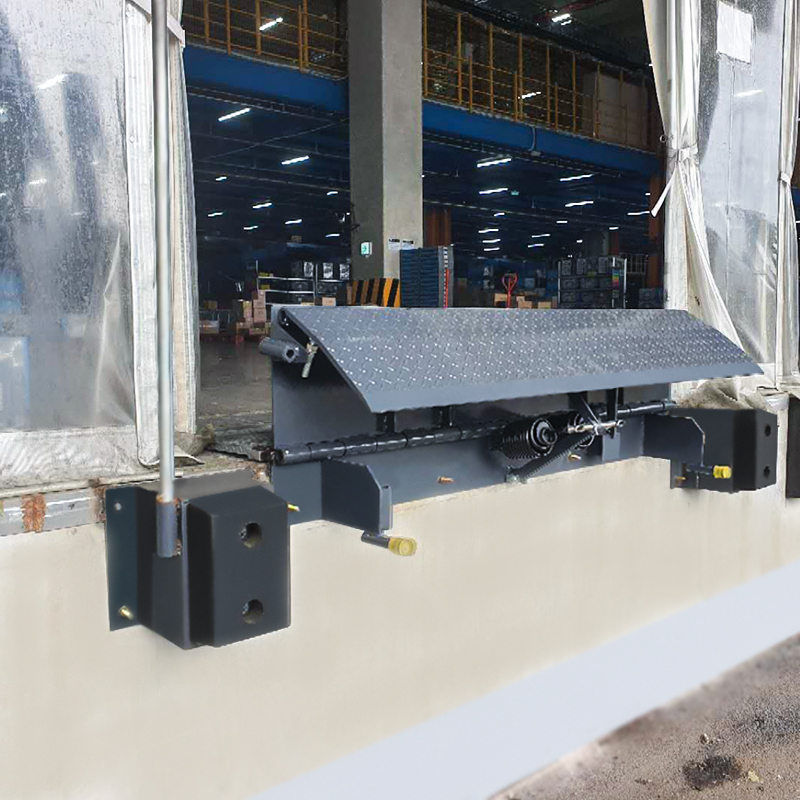
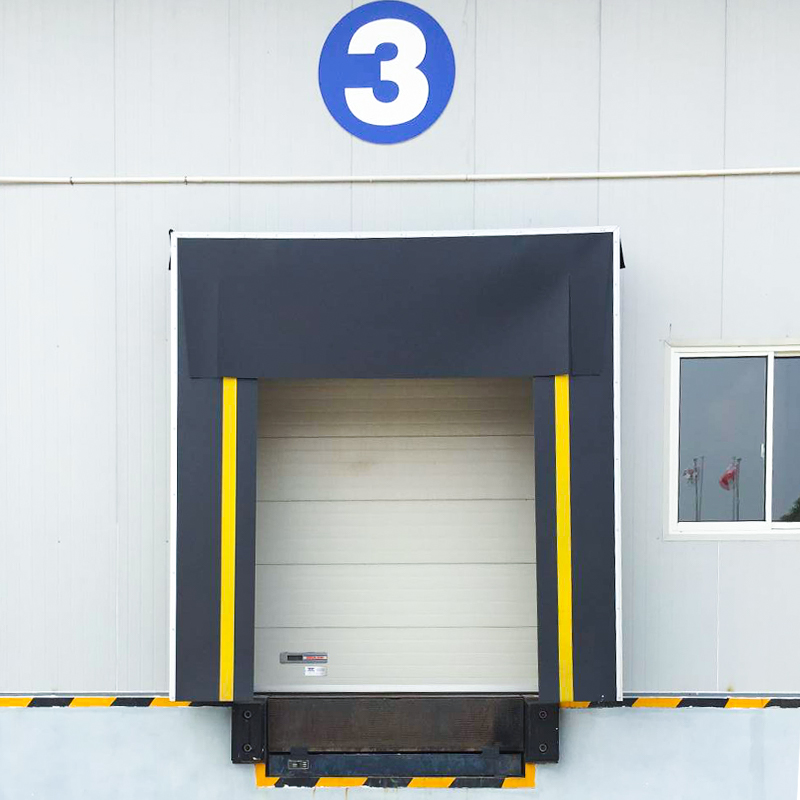
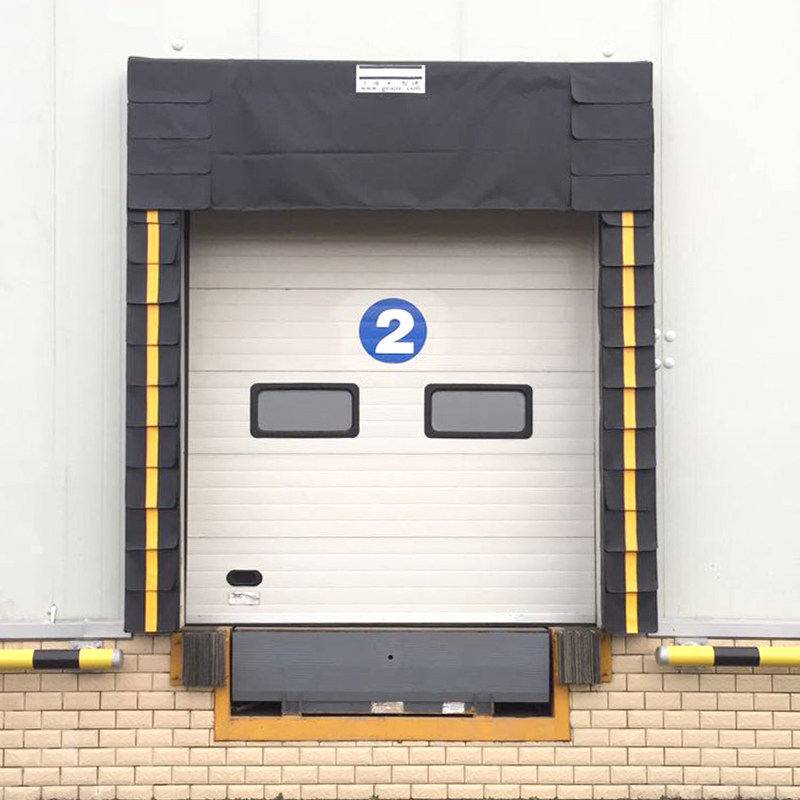
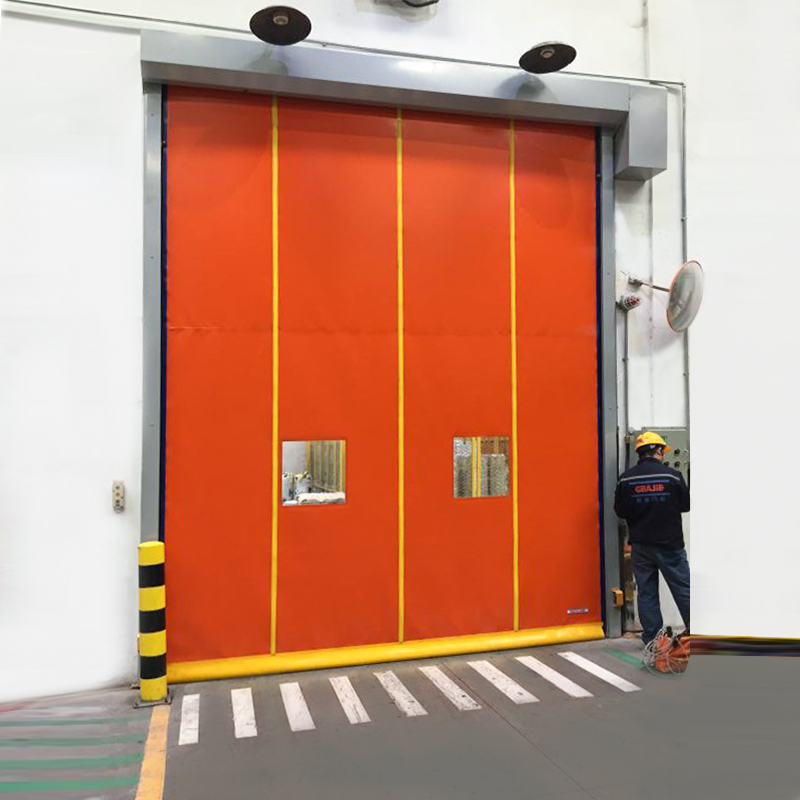
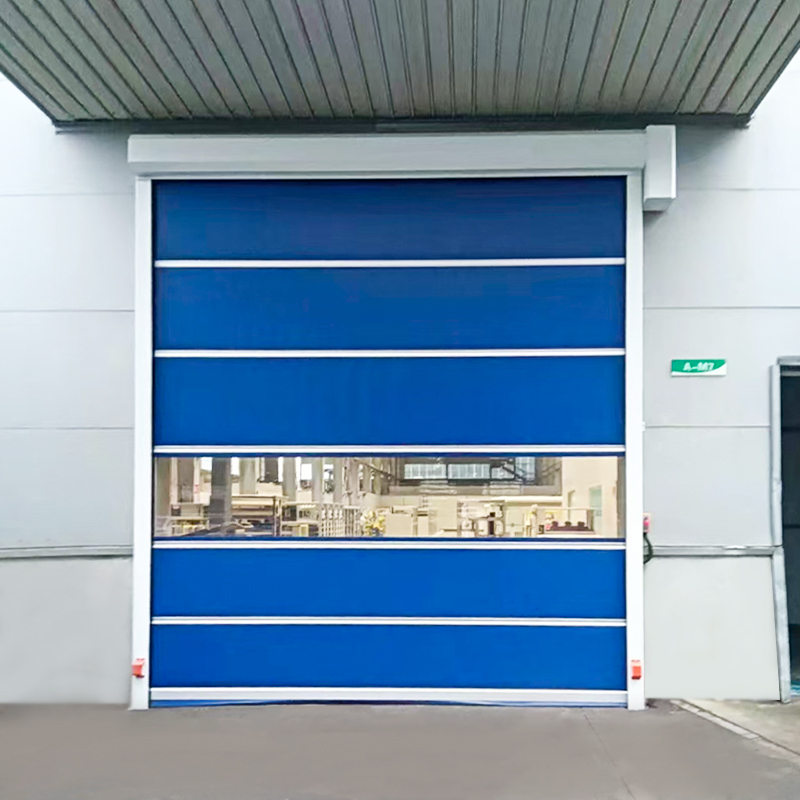
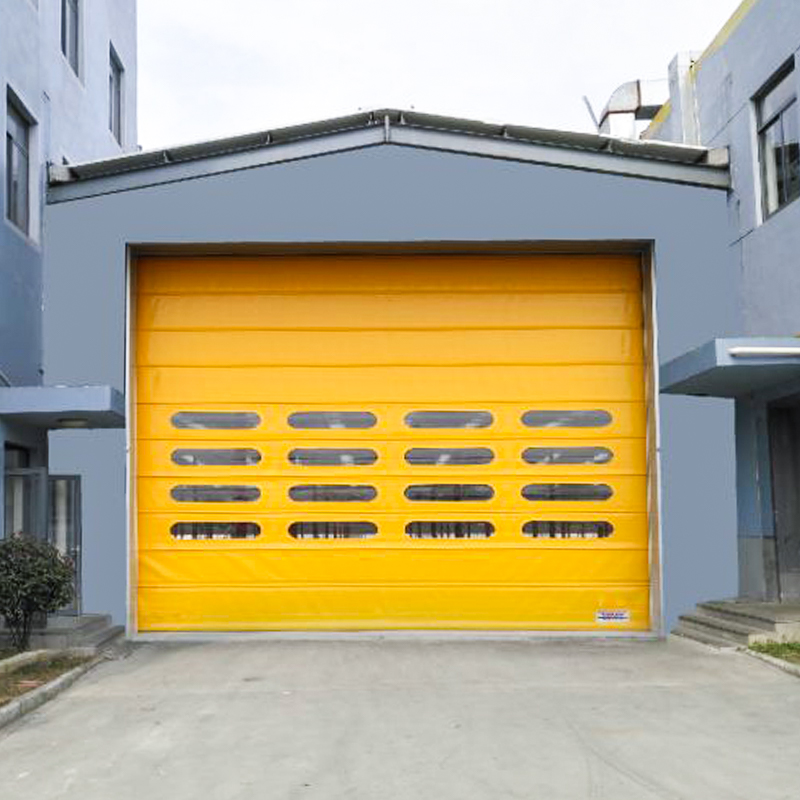
A hydraulic dock leveler looks like a piece of passive steel sunk into the loading bay. In daily o...
Effective Barrier Against Drafts and Air Leaks
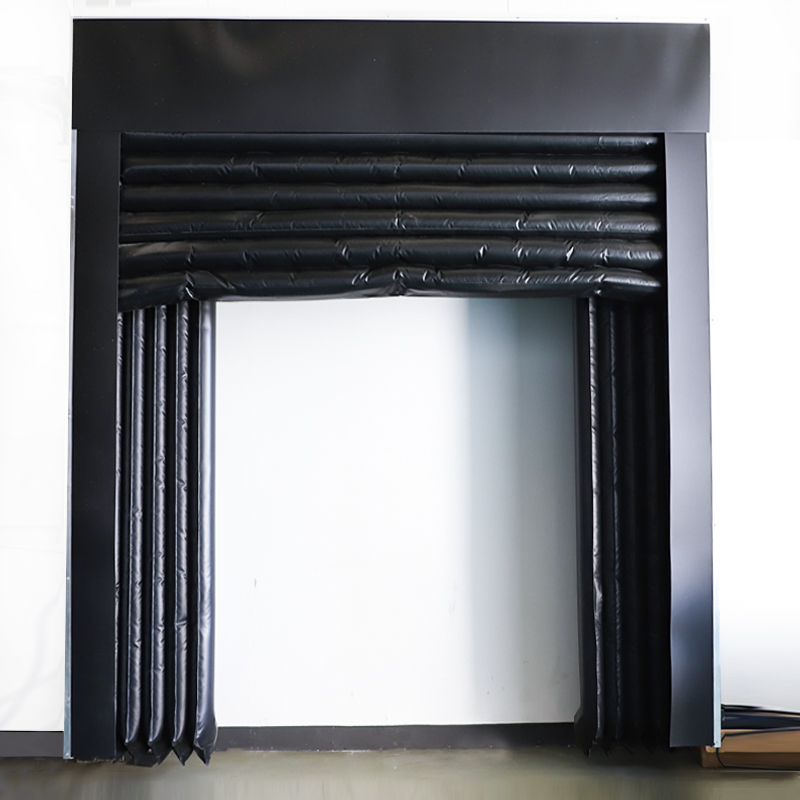
In industrial environments, large doors are often necessary for machinery, equipment, and vehicle access. However, frequent door openings create a pathway for unconditioned air to infiltrate the facility, and vice versa, leading to the loss of temperature-controlled air. Industrial Inflatable Door Seals address this issue by forming a tight, inflatable barrier when the door is closed. The seal conforms to the exact shape of the doorframe, which ensures that gaps, cracks, and other points of air leakage are effectively sealed. This airtight seal minimizes the infiltration of cold or hot external air, depending on the needs of the facility, and reduces the loss of valuable internal air, maintaining the temperature stability of the space. The result is reduced strain on the HVAC system, as it doesn’t need to compensate for air loss, which translates directly to lower energy consumption.
Sealing Gaps Effectively
One of the challenges faced by traditional mechanical seals, gaskets, or rubber strips is their inability to provide an airtight seal when the door or frame is misaligned or when surfaces are irregular. In high-traffic industrial environments, doors can be subject to wear and tear, leading to warping or misalignment over time. Industrial Inflatable Door Seals have a unique advantage in that they automatically inflate to fit the contours of the doorframe, compensating for any surface imperfections or misalignments. Whether the door has small irregularities, bends, or gaps, the inflatable seal will expand to ensure that these areas are covered, providing a uniform and airtight seal. This adaptability ensures that no matter the condition of the door or frame, energy is conserved and air leakage is minimized, leading to consistent temperature control.
Minimizing Temperature Loss
In industrial facilities, maintaining specific temperatures can be vital for the production process, whether it involves cold storage, controlled environments for manufacturing, or climate-sensitive operations. The Industrial Inflatable Door Seal plays a key role in preventing temperature fluctuations that might otherwise occur due to air exchange. For example, in refrigerated warehouses, the seal prevents warm air from infiltrating the cool storage area, which could raise the temperature and compromise the integrity of temperature-sensitive goods. Similarly, in heated environments, the seal helps prevent the escape of warm air, keeping energy use in check and ensuring that the interior temperature remains consistent. By minimizing these temperature losses, the seal ensures that the facility’s HVAC system does not need to work harder to compensate for fluctuating indoor temperatures, ultimately leading to energy efficiency and operational cost savings.
Reducing HVAC Load
The HVAC system in any industrial facility is a significant consumer of energy, particularly in large facilities or areas with high ceilings and large, frequent door openings. When doors are opened, the uncontrolled exchange of air puts additional strain on the HVAC system, which has to adjust to the influx of warm or cold air from the outside. The Industrial Inflatable Door Seal provides an effective way to reduce this strain by minimizing air exchange whenever the door is closed. By forming a tight barrier, the inflatable seal helps maintain a stable internal environment, allowing the HVAC system to operate more efficiently. Since the HVAC does not need to constantly counteract temperature imbalances caused by drafts or air leakage, energy consumption is reduced. Over time, this reduction in HVAC load can result in significant savings on energy bills and lower maintenance costs for the system.
Enhanced Sealing During High-Volume Traffic
In many industrial environments, doors are opened and closed rapidly due to high foot traffic, forklifts, and other vehicles passing through. With conventional seals, this frequent motion can lead to inefficiencies in sealing performance, as the door may not form a tight seal after each opening. Industrial Inflatable Door Seals, however, are specifically designed to inflate every time the door is closed, ensuring that the seal is intact regardless of how often the door is opened. This adaptability makes inflatable seals particularly effective in facilities with high traffic, as they provide consistent performance even under demanding conditions. By ensuring a constant barrier against temperature loss, the inflatable seal maintains temperature integrity and minimizes energy waste, regardless of how often the door is used.
